

.jpg)
If you’re a licensed aircraft engineer, mechanic, or avionics technician, create your free AeroTechCareers profile to showcase your competencies and be found by recruiters actively searching for engineers like you.
How to Move from Military Aircraft Maintenance into a Civilian Engineering Career
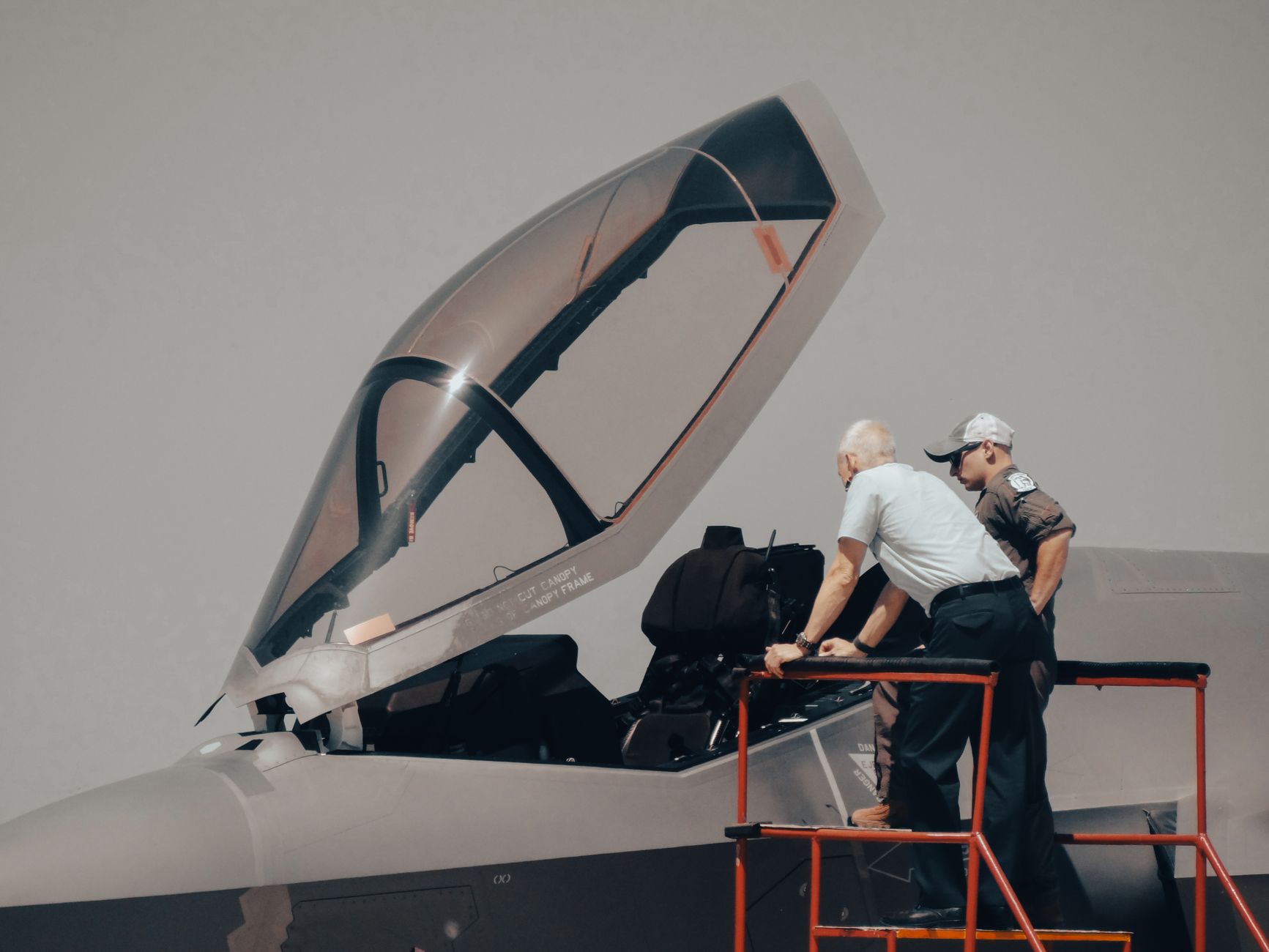
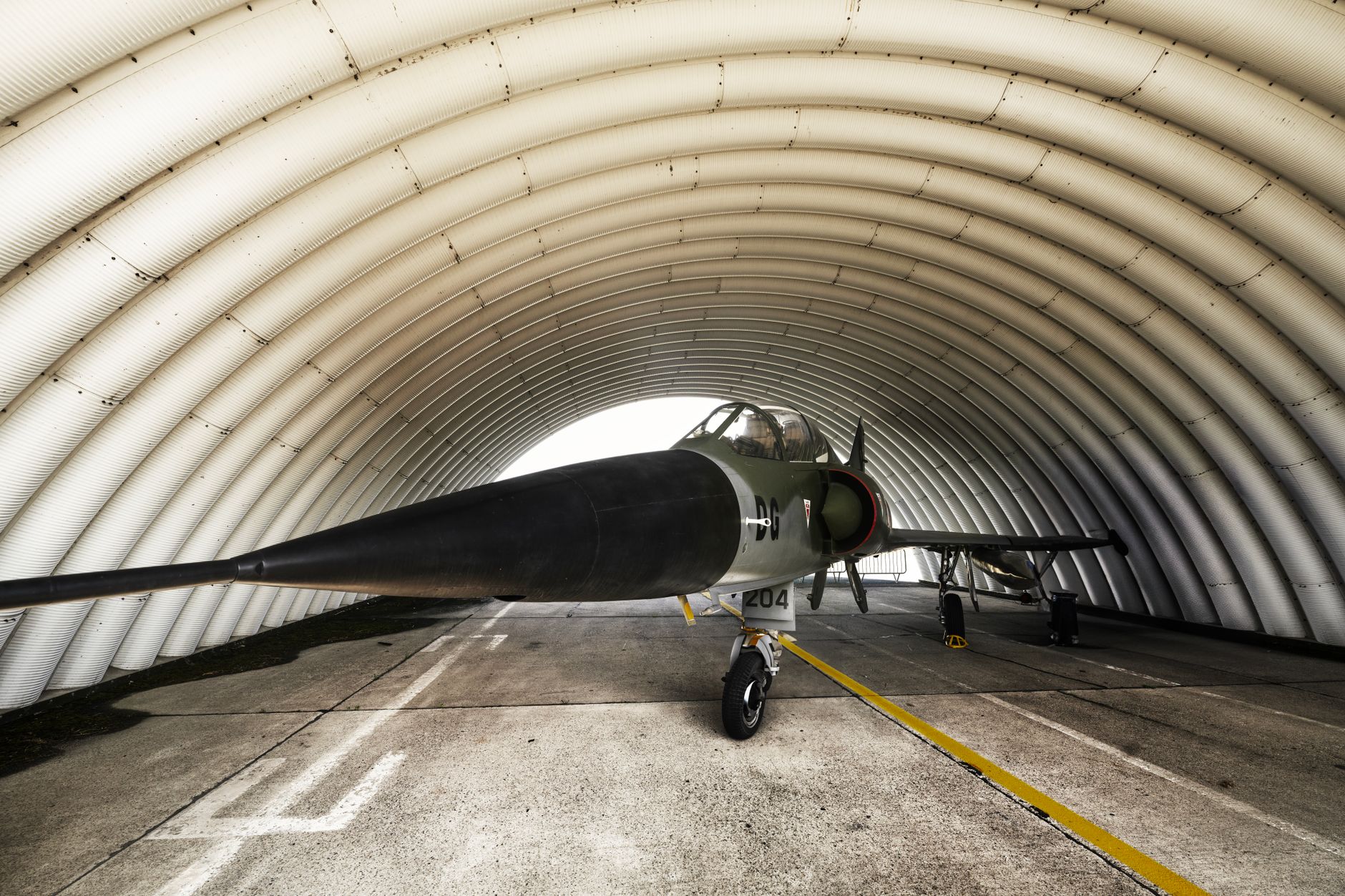
Moving from military aircraft maintenance into civil aviation is rarely a matter of starting again. Military engineers often bring substantial experience in fault diagnosis, rectification, scheduled maintenance, technical records, quality procedures and operational decision-making.
The main challenge is demonstrating that this experience meets civilian regulatory requirements and translating military terminology into language recognised by civil operators and approved maintenance organisations.
In the UK and Europe, the central reference point is aircraft maintenance licensing under UK Part-66 or EASA Part-66. A military qualification may be highly relevant, but it does not automatically become a civilian licence or confer civilian certification privileges.
Identify the civilian role and licence route first
Before applying for jobs or booking examinations, define the type of work you want to perform. Civilian maintenance roles may include:
- Line maintenance on commercial aircraft
- Base maintenance and heavy checks
- Avionics and electrical maintenance
- Component maintenance
- Continuing airworthiness and technical records
- Maintenance planning and reliability
- Technical services and engineering support
If your objective is to certify maintenance on aircraft operated under the UK civilian regulatory system, you will generally need to consider a UK CAA Part-66 licence. The UK CAA engineer licensing guidance should be checked before you rely on military qualifications or experience.
The categories most relevant to former military engineers may include:
- Category A, for limited line maintenance certification
- Category B1, for mechanical systems, structures, powerplants and related electrical work
- Category B2, for avionics and electrical systems
- Category B2L, for limited avionics system ratings
- Category C, for base maintenance certification, normally requiring the appropriate experience and supporting licence background
A licence is not the same as an employer authorisation. Even with a Part-66 licence, an engineer must normally be authorised by the relevant Part-145 organisation and trained or assessed on the aircraft type before exercising certification privileges. This is different from the day-to-day responsibilities described in our guide to line maintenance engineering.
The UK Part-66 route applies primarily to aircraft covered by the UK civilian regulatory system. If you intend to work on aircraft registered in an EASA member state, you may require an EASA Part-66 licence or another form of recognition accepted by the relevant authority. Read the EASA Part-66 licensing information and check the applicable authority separately.
Map military experience against Part-66 requirements
Military maintenance experience can provide valuable evidence, but it must be presented in a form that the relevant authority or employer can assess. Create an experience map covering:
- Aircraft types and variants maintained
- Systems and trades covered
- Maintenance environments, such as line, depth or base maintenance
- The dates and duration of the work
- The tasks personally performed
- Whether the work was conducted independently, under supervision or as support staff
- Technical records, quality procedures and approved data used
- Any certification, inspection or supervisory responsibilities held
Avoid relying only on job titles such as aircraft technician, avionics technician or aircraft mechanic. Civilian assessors need to understand the practical maintenance activities behind those titles.
For example, an avionics engineer should identify work on communications, navigation, flight control, instrument, electrical power and electronic systems. A mechanical engineer should distinguish between servicing, inspection, removal and installation, defect rectification, troubleshooting and major maintenance tasks.

The experience should show a representative cross-section of relevant maintenance tasks. Experience consisting solely of classroom training, administrative duties or observation is unlikely to demonstrate practical competence. For a broader view of how technical teams investigate faults, see aircraft fault isolation and root-cause analysis.
Use a structured logbook
A well-maintained record of military experience is one of the most important tools in the transition. Where possible, record tasks as they are completed rather than attempting to reconstruct several years of work later.
A CAP 741 logbook can provide a useful structure for documenting aircraft maintenance experience for a UK Part-66 application. Entries should be sufficiently clear to show:
- Aircraft registration or identification, where appropriate
- Aircraft type and model
- Maintenance task or defect
- Relevant system or ATA chapter
- Date and location
- Whether the task was performed or supervised
- The engineer or authorised signatory confirming the work
Our guide explains how to fill out a CAP 741 logbook, while this checklist covers common CAP 741 mistakes that delay applications.

Military documentation may also be relevant, including training records, engineering competency records, certificates of qualification, task authorisations and formal statements of service. Obtain supporting statements from appropriate military engineering or technical authorities where the original documentation does not clearly describe the practical work performed.
The evidence must be credible, traceable and signed or verified by an appropriate person. A simple list of aircraft types or a service certificate will not normally demonstrate the required breadth of practical maintenance experience by itself.
Make the transition easier with Part 66 Logbook Analysis. Analyse your logbook today and identify gaps before submitting an application.

Understand how military qualifications may be recognised
There is no universal automatic conversion from a military aircraft maintenance qualification to a UK or EASA Part-66 licence. Recognition depends on the qualification, training standard, aircraft and systems maintained, authority involved and evidence available.
Former service personnel should investigate the relevant Ministry of Defence and UK CAA pathways before assuming that military training will provide complete credit. The CAA remains responsible for determining whether evidence satisfies UK Part-66 requirements. Ask the authority to confirm:
- Which military qualifications may support basic knowledge credit
- Which practical experience may be accepted
- Whether additional examinations are required
- What signatories and supporting evidence are acceptable
- Whether the target licence category and aircraft rating match your experience
Military service may support an application through formal technical training, practical aircraft maintenance experience, system-specific competence, statements from engineering authorities and existing civilian examinations. These benefits are not automatic, so obtain written guidance wherever possible.
Check the specific B2L route carefully
B2L can be relevant to engineers whose avionics experience is concentrated in particular systems rather than the full scope of a B2 licence. The category is limited by system ratings, so the application must match both your experience and intended work.
Applicants must demonstrate an applicable experience route. One route requires three years of practical maintenance experience on operating aircraft, covering the corresponding system rating or ratings, where the applicant has no previous relevant technical training. The precise requirements depend on the applicant’s training and background.
Practical evidence must be submitted in a form acceptable to the UK CAA and signed by the appropriate signatory. Do not treat B2L as a general substitute for broader avionics licensing. Confirm the system rating, experience period, examination requirement and documentary evidence with the authority before applying.

For complex avionics work, it may also help to review our guides to diagnosing intermittent avionics faults and reading aircraft wiring diagrams.
Plan for Part-66 examinations and knowledge gaps
Military training may cover much of the technical knowledge required for a civilian licence, but it may not align exactly with the Part-66 examination modules. Differences commonly arise in:
- Civil aviation legislation
- Part-66 licensing requirements
- Part-145 maintenance organisation procedures
- Continuing airworthiness
- Human factors
- Electrical fundamentals and digital techniques
- Materials and hardware
- Gas turbine or piston engine theory
- Civil aircraft structures and systems
- Aviation safety and occurrence reporting
A gap analysis should compare your military training certificates and technical qualifications with the current UK Part-66 module structure. Approved training organisations can advise on examinations and available credit. Use the Part 147 training schools resource to research approved training options, and review the Part-66 B2 Module 13 study guide if aircraft systems are part of your plan.

Do not book every examination automatically. First establish what credit may be available through military training, previous civilian qualifications or existing licences. Current authority guidance is the controlling source because requirements can change.
Choose the right first civilian job
A civilian engineering job does not always require a completed Part-66 licence. Many organisations employ engineers as technicians, mechanics, support staff or unlicensed engineers while they complete examinations and build recognised civilian experience.
A suitable first role may offer:
- Exposure to a Part-145 maintenance environment
- Access to approved maintenance data
- A formal task and experience recording system
- Supervision by licensed engineers
- Type or differences training
- Opportunities to work across a representative range of tasks
- A clear progression route towards company authorisation
When comparing employers, ask how they support licence applications and record experience. An organisation that provides structured supervision and reliable sign-off may be more valuable than one offering a higher initial salary but limited access to relevant tasks.
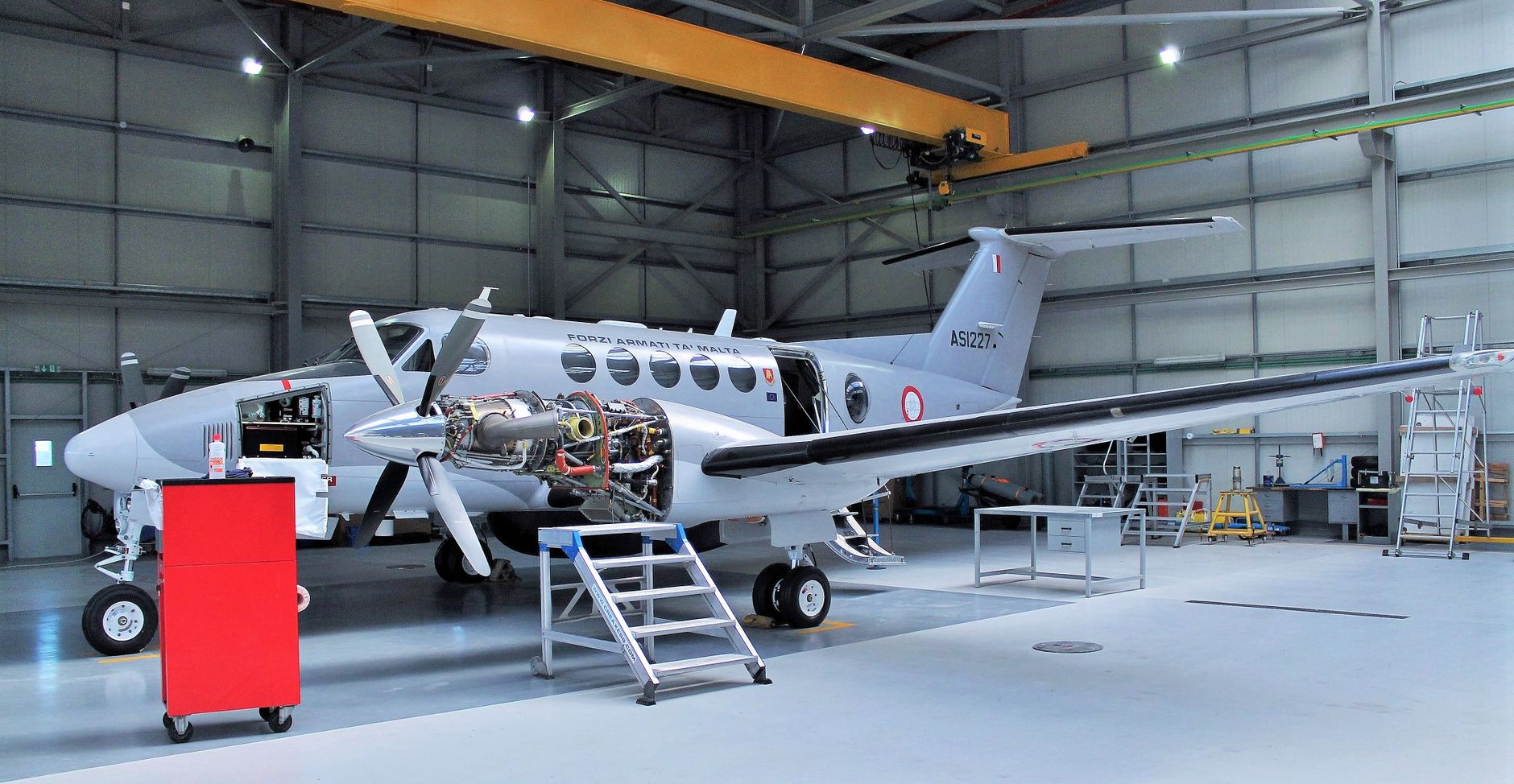
Explore current aircraft mechanic jobs and use the Aircraft Engineer Salary Calculator to assess salary expectations by experience and location.
Translate military experience for civilian employers
Recruiters in civil aviation may not recognise service-specific rank structures, fleet designations or trade terminology. Your CV should convert military experience into clear maintenance language without disclosing restricted information.
Instead of writing, “Responsible for aircraft servicing within a frontline squadron”, use wording such as:
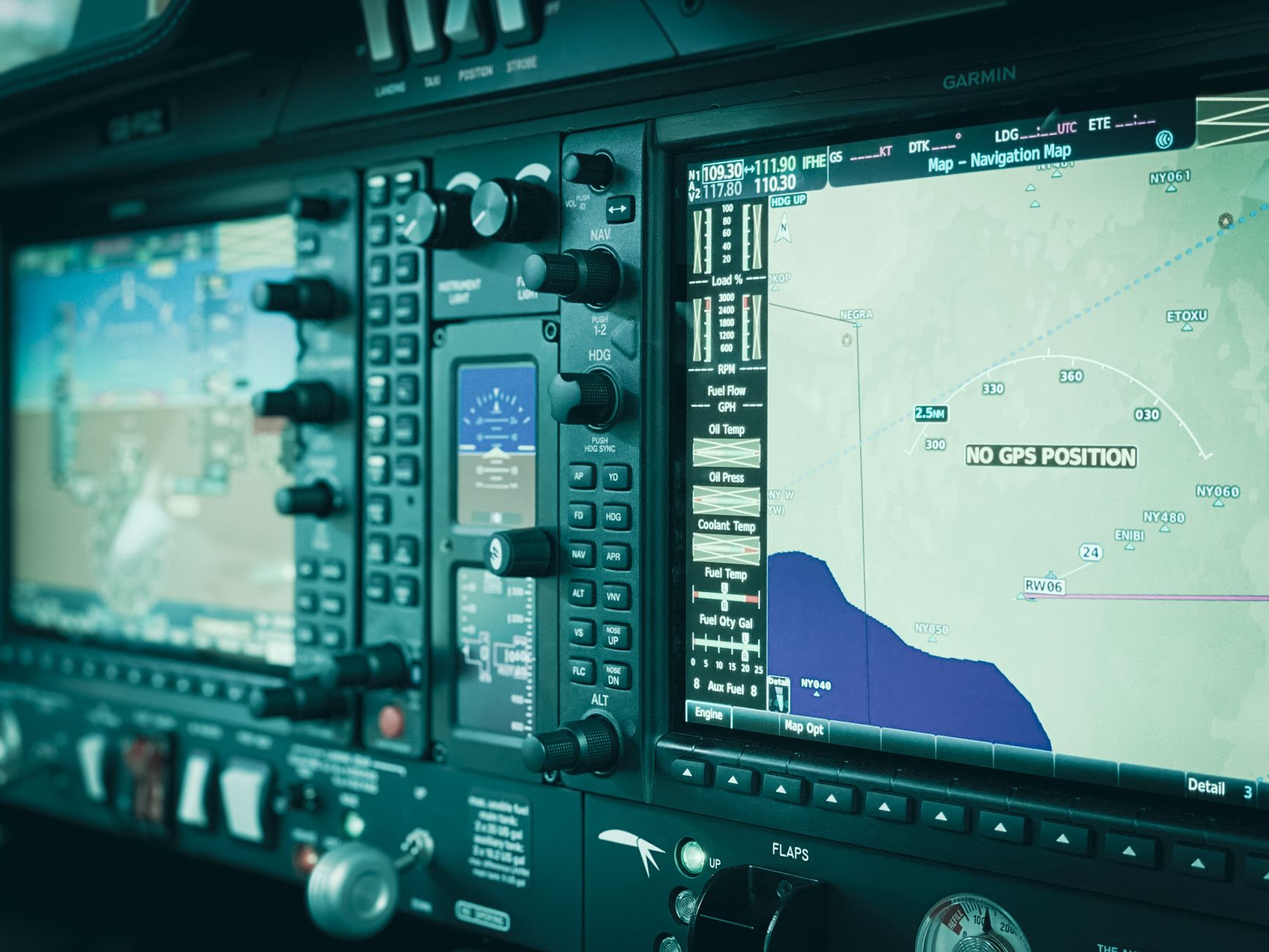
“Performed scheduled and unscheduled maintenance, defect investigation and rectification on operational aircraft within a controlled maintenance environment, using approved technical publications and formal independent inspection procedures.”
Useful civilian terminology includes scheduled and unscheduled maintenance, defect diagnosis and rectification, line and base maintenance, maintenance data compliance, independent inspection, tool control and calibration, technical records, human factors, safety management, quality assurance, reliability analysis and maintenance control.
Quantify the work where security and policy allow. Relevant details may include fleet size, maintenance environment, team size, inspection responsibilities, turnaround pressures and the range of systems maintained. For practical insight into the role, read a day in the life of an aircraft mechanic.
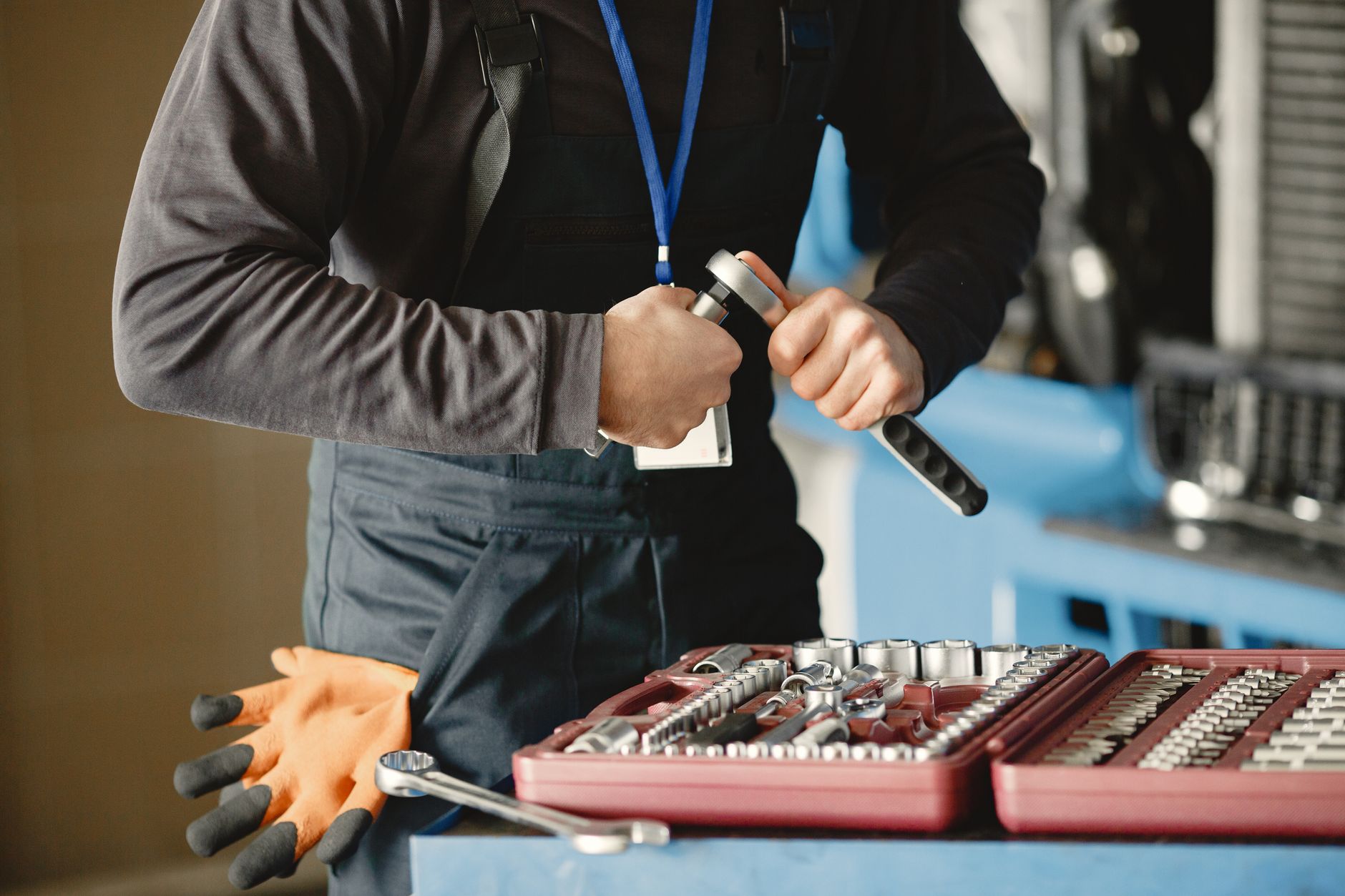
Prepare for the civilian maintenance culture
Military and civilian maintenance share a strong emphasis on airworthiness and procedural discipline, but the operating context can differ. Civilian employers may place particular emphasis on Part-145 procedures, customer and lessor requirements, aircraft utilisation, audit readiness, parts traceability, commercial maintenance planning, approved data and communication with continuing airworthiness organisations.
The transition is not about abandoning military standards. It is about showing that those standards can be applied within a civilian approved organisation, where commercial pressures must be managed without compromising regulatory compliance.
In interviews, be prepared to explain how you would respond to a defect that cannot be rectified before release, missing maintenance data, an incorrectly recorded task, departure pressure, an unfamiliar system, a suspected error by another engineer or a component with incomplete documentation. Strong answers should demonstrate sound judgement, correct escalation and a refusal to certify work that has not been properly completed or documented.
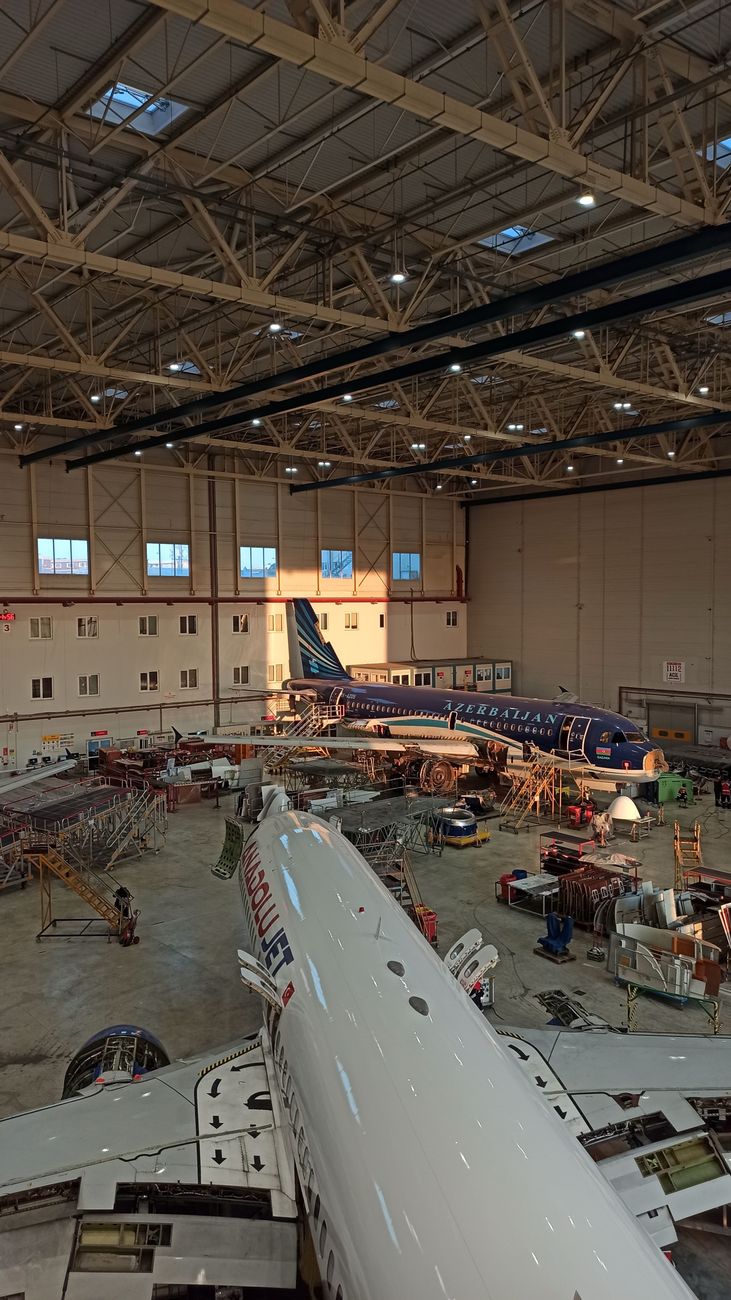
For context on safety culture and human performance in aviation, consult SKYbrary's human factors guidance.
Address security, medical and employment checks
Depending on the role, you may need to provide employment and service history, qualification evidence, references, identity and right-to-work documents, criminal record or security checks, medical information and proof of licence status or examination results.
Maintain an organised personal file containing copies of service qualifications, training records, statements of experience, logbook entries and references. Some employers and authorities may require original documents or independently verified copies.

Consider EASA and international options separately
A UK Part-66 licence and an EASA Part-66 licence are not interchangeable by default. If your career objective is in an EU member state, check the requirements of the relevant EASA member-state authority and the employer's approval.
Applicants should also verify the acceptability of EU or EASA Certificates of Recognition for engineer licensing requirements. The treatment depends on when and by whom they were issued and the applicable UK or EASA arrangements. Check current UK CAA licensing guidance before relying on a Certificate of Recognition.
Other jurisdictions have separate systems. The United States uses the FAA Airframe and Powerplant certificate rather than UK or EASA Part-66 licensing. Military experience may contribute to an FAA application, but the FAA mechanic certification requirements include their own evidence, examination and eligibility rules.

For a broader comparison, read EASA licensed engineer versus FAA A&P mechanic.
A practical transition plan
- Define the target role and regulatory environment. Decide whether you are pursuing line maintenance, base maintenance, avionics, mechanical work or technical support.
- Inventory your military training and experience. List aircraft, systems, tasks, dates, responsibilities and supporting documents.
- Create or update a structured logbook. Use a CAP 741 logbook where appropriate and obtain suitable verification for military experience.
- Conduct a Part-66 gap analysis. Identify required examinations, experience evidence, licence category and ratings.
- Approach the UK CAA or relevant EASA authority. Confirm how your qualifications, experience and any Certificate of Recognition will be treated.
- Target employers with a clear progression route. Prioritise organisations that provide supervised tasks, reliable records, type training and access to authorisation.
Ready to build a stronger Part-66 application? Start your Part 66 Logbook Analysis demo now and see how structured evidence review can support your transition.
Final considerations
Military aircraft maintenance provides a strong technical foundation for a civilian engineering career, but the transition must be documented and regulated carefully. The most successful applicants demonstrate the exact tasks performed, systems covered, maintenance environment, level of responsibility and alignment with UK or EASA requirements.
For UK applicants, the decisive steps are usually a credible experience record, appropriate signatories, a clear Part-66 plan and an accurate understanding of how military training and service evidence may be recognised. With those elements in place, military maintenance experience can become a structured route into civilian aircraft engineering rather than a qualification that employers must interpret for themselves.
Continue developing your aviation career with the latest AeroTech Careers articles and browse all aviation opportunities.




Login or register to join the conversation.
Join the discussion
0 comments