

.jpg)
If you’re a licensed aircraft engineer, mechanic, or avionics technician, create your free AeroTechCareers profile to showcase your competencies and be found by recruiters actively searching for engineers like you.
How to Pass Part-66 B2 Module 13: Aircraft Systems Study Guide
Part-66 Module 13, Aircraft Aerodynamics, Structures and Systems, is one of the broadest B2 modules. It tests whether you understand how aircraft systems operate, interact, are monitored and respond to failures.
Success requires more than memorising definitions. You need to understand the aircraft as an integrated system, from aerodynamic loads and structures to flight controls, avionics, automatic flight functions and maintenance systems.
What is Part-66 Module 13?
For a B2 licence, Module 13 covers the systems and interfaces that support aircraft electrical, electronic, flight control, navigation, communication, warning and automatic flight functions. Before planning your revision, review the current EASA Part-66 requirements and confirm the applicable rules with your competent authority or examination provider.
Typical subject areas include:
- Basic aircraft aerodynamics
- Aircraft structures and construction
- Flight controls
- Landing gear and braking systems
- Hydraulic and pneumatic systems
- Fuel systems
- Environmental control and pressurisation
- Ice and rain protection
- Fire protection
- Oxygen systems
- Automatic flight control systems
- Flight director and autopilot functions
- Radio and navigation systems
- Electronic instrument systems
- Air data systems
- Centralised maintenance and warning systems
- Fly-by-wire principles
- Reduced Vertical Separation Minima (RVSM) and automatic landing systems
Module 13 is demanding because it combines breadth with system-level reasoning. Practical aircraft experience is useful, particularly when it helps you recognise components, system layouts and maintenance interfaces. If you are still planning your training route, use our guide to Part 147 training schools to identify suitable approved training options.
Understand the examination requirements
Before studying, check the current requirements published by your competent authority, approved training organisation or examination provider. The question count, time allowance, pass mark and examination arrangements depend on the applicable Part-66 requirements. UK candidates should also consult the UK CAA aircraft maintenance engineer licensing guidance.
Regardless of the exact format, you need both knowledge and speed. Multiple-choice questions may contain several technically plausible options. You must understand:
- What the system does
- Why it is installed
- What controls it
- What happens when it fails
- What indications are produced
- How the aircraft responds
- Which system takes over, where applicable
Do not spend several minutes on one question while leaving insufficient time for the remainder. If a question is uncertain, flag it and return to it later. For broader revision techniques, see our Part-66 exam guide.
Build a syllabus map
Do not approach Module 13 as one undifferentiated subject. Divide it into system families and study each family through its purpose, operation, interfaces, indications and failure modes.
1. Aerodynamics and flight controls
Begin with the fundamentals:
- Lift, weight, thrust and drag
- Angle of attack
- Stalling
- Stability and control
- Primary and secondary flight controls
- High-lift devices
- Trim systems
- Spoilers and speed brakes
- Control-surface actuation
For B2 candidates, pay particular attention to how control inputs are sensed, processed, transmitted and monitored.
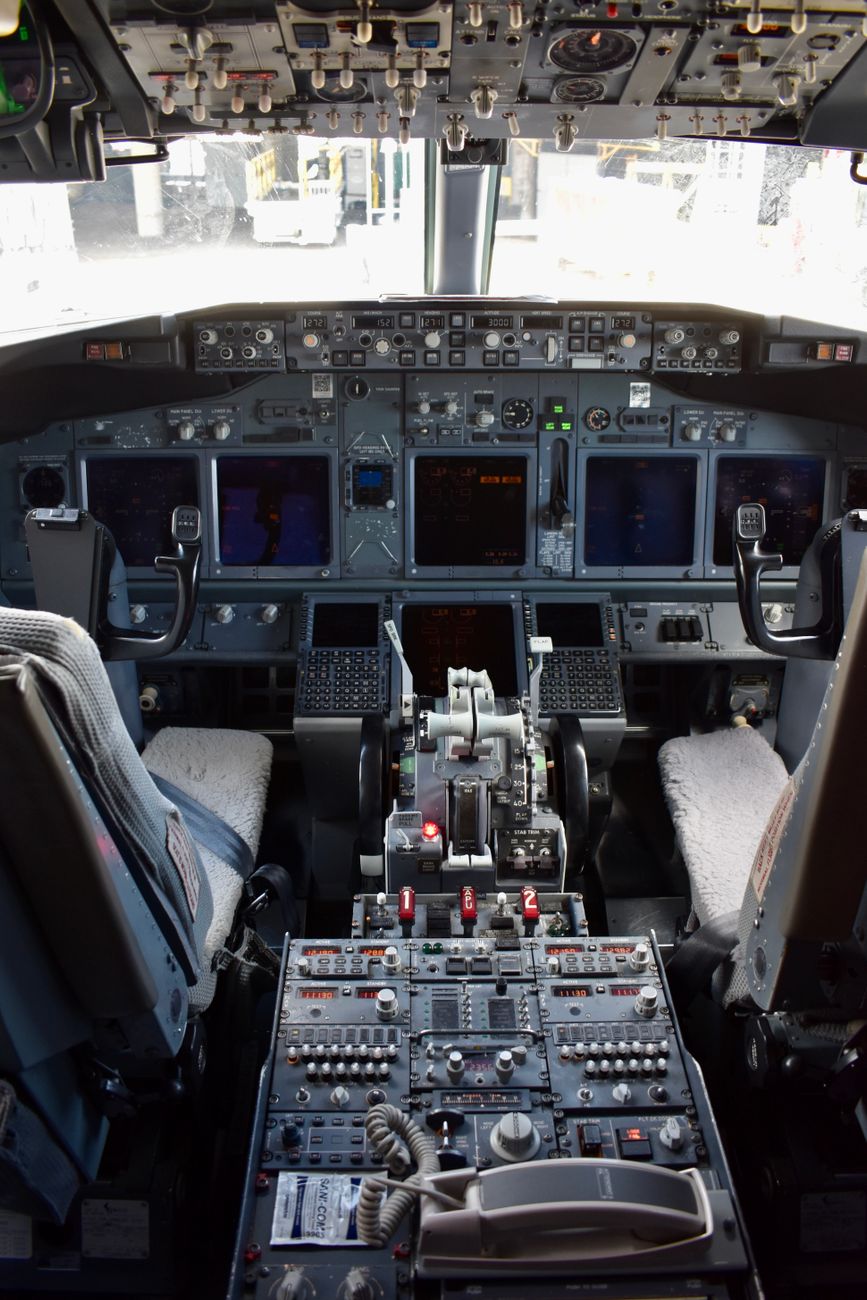
In a conventional system, the pilot’s controls may be mechanically linked to the control surfaces. In a fly-by-wire system, the input is converted into electrical signals, processed by flight control computers and sent to control-surface actuators.
You should understand the difference between:
- Command input
- Position feedback
- Control laws
- Actuator operation
- Monitoring and redundancy
For example, linear variable differential transformers (LVDTs) may be used to provide roll and pitch control-surface position feedback. The important principle is that the transducers allow the flight control system to compare the commanded position with the actual position.
2. Aircraft structures
You do not need to become a structural stress engineer, but you do need a working knowledge of:
- Monocoque and semi-monocoque construction
- Frames, stringers, longerons, spars and ribs
- Skin panels
- Primary and secondary structures
- Composite materials
- Corrosion
- Structural damage and inspection principles
- Load paths
- Pressurised fuselage construction
For every structural component, ask what loads it carries and how those loads are transferred. Wings, for example, carry bending, shear, torsional, aerodynamic, landing and engine loads. Understanding the load path makes structural diagrams easier to interpret.
3. Hydraulic, pneumatic and mechanical systems
These systems reward diagram-based study and expose vague understanding. For each one, learn:
- The source of power
- Reservoirs or storage units
- Pumps and regulators
- Valves
- Actuators
- Filters
- Pressure control
- Indications
- Backup or emergency operation
- Typical failure effects
Construct a simple flow path:
Source → control valve → distribution line → actuator → return or exhaust
Then add the monitoring points. Identify where pressure, temperature, quantity and position are sensed.
Study system interactions as well as individual components. A hydraulic system may operate the landing gear, brakes, flight controls and thrust reversers. A pneumatic system may support engine starting, air conditioning, pressurisation and anti-ice functions.
Automatic flight control systems
Autopilot and autoland questions test both system knowledge and operational logic. Revise:
- Localiser capture
- Glide-slope capture
- Heading and track modes
- Altitude capture and hold
- Approach modes
- Flare
- Rollout
- Autopilot disengagement
- Fail-passive and fail-operational principles
You should understand what the autopilot can and cannot do when guidance information is lost. For example, loss of a localiser signal during an approach may result in the aircraft flying parallel to the beam, depending on the aircraft type and the active mode logic. The applicable aircraft documentation and training material take precedence over any generic example. For additional operational context, consult SKYbrary’s autoland guidance.
A representative autoland sequence is:
Localiser capture → glide-slope capture → attitude hold → flare
The de-crab manoeuvre aligns the aircraft with the runway centreline for touchdown. Read questions carefully, because several options may describe related functions without stating the actual purpose of the system or mode.
Fail-passive and fail-operational systems
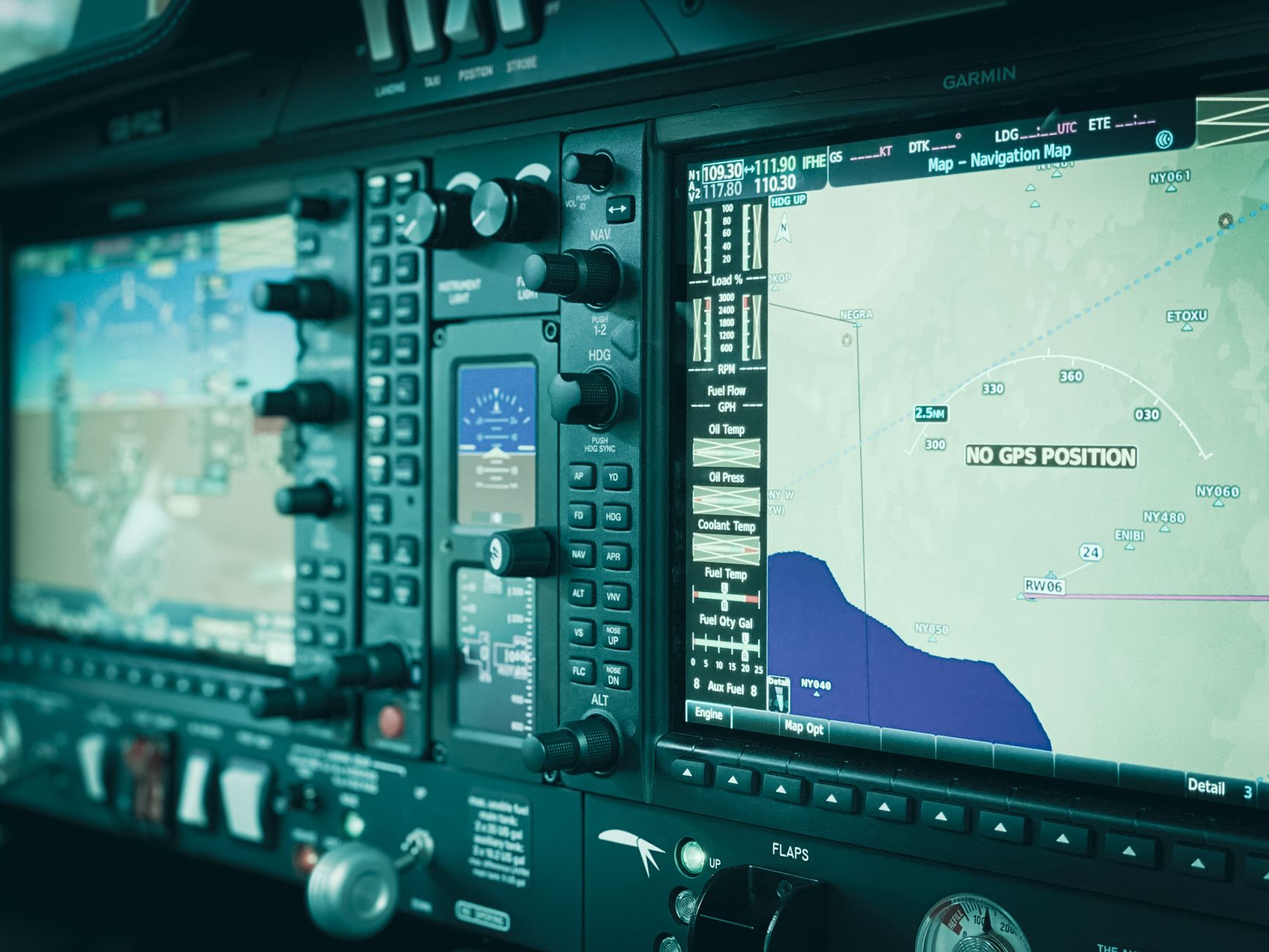
Fail-passive
A fail-passive system generally fails without producing a significant deviation from the intended flight path. The aircraft may remain safe, but the automatic function can be lost and the crew may need to take over.
Fail-operational
A fail-operational system can continue to perform its required function after a failure, usually through redundancy or system reconfiguration.
Do not confuse fail-passive behaviour with redundancy. A question may describe a system that monitors itself and whose failure affects operation without creating an unsafe deviation. That is different from a system that continues to perform its function after a failure.
Air data, RVSM and avionics interfaces
Module 13 includes the systems that convert pressure and sensor data into useful flight-deck information. Revise:
- Pitot and static sources
- Airspeed
- Altitude
- Mach number
- Vertical speed
- Air data computers
- Altitude reporting
- Transponders
- Flight management systems
- Flight displays
- Warning and monitoring systems
For RVSM, understand that the system is intended to permit reduced vertical separation between aircraft at approved flight levels. This depends on accurate altitude measurement, altitude reporting and aircraft control. Learn the numerical tolerances specified in your approved training material and current examination syllabus, rather than relying on an isolated figure. The ICAO RVSM information provides useful regulatory context.
You should also understand how a Central Maintenance Computer, or equivalent maintenance system, supports:
- Fault recording
- Built-in test
- System reports
- Flight-deck warnings
- Maintenance messages
- Troubleshooting
A cockpit warning is part of a wider monitoring architecture. It may involve sensors, computers, data buses, displays and maintenance interfaces. B2 candidates can reinforce this area with our guide to Part-66 B2 Module 5 digital techniques.
Oxygen systems and servicing hazards
Aircraft oxygen systems combine life-support equipment with a significant fire hazard. Passenger oxygen systems may use chemical oxygen generators. When activated, usually by pulling down on a mask, a chemical reaction begins inside the generator canister. In many systems, sodium chlorate and iron powder react through controlled burning to produce oxygen.
These generators provide oxygen for a limited period, often approximately 12 to 15 minutes. This is intended to allow the aircraft to descend to an altitude where supplemental oxygen is no longer required.
Safe oxygen servicing
Pure oxygen is not itself flammable, but it greatly increases the rate and intensity of combustion. Materials that are difficult to ignite in normal air can burn rapidly in an oxygen-enriched environment. The FAA aircraft maintenance guidance is a useful reference for approved maintenance practices, but the aircraft maintenance manual always takes precedence.
When servicing aircraft oxygen systems, aircraft maintenance engineers must follow the approved maintenance data and observe strict precautions, including:
- Use only approved servicing equipment
- Keep oxygen equipment free from oil, grease, fuel and other contaminants
- Use only tools approved for oxygen service
- Avoid heat, sparks and other ignition sources
- Use the required personal protective equipment
- Bond or ground the aircraft and servicing equipment where required
- Open valves slowly to prevent adiabatic compression and rapid heating
- Keep the area controlled and properly ventilated
- Confirm the correct oxygen type, pressure and servicing procedure
- Inspect for leaks and damage
- Fit protective caps and plugs correctly after servicing
Oxygen servicing must be clean, controlled and carried out exactly as specified in the aircraft maintenance manual.
Use diagrams rather than relying on prose
Create a diagram or flowchart for every major system. Show:
- The power or energy source
- The control mechanism
- The distribution path
- The operating components
- The sensors and feedback
- The flight-deck indications
- The failure protection or backup
An autopilot diagram might show:
Navigation receiver → flight guidance computer → servo or control computer → actuator → control surface → position feedback
Then add the result of losing the localiser signal, computer, actuator or feedback sensor. This method encourages system understanding rather than the memorisation of disconnected facts. For electrical and avionics revision, also see our guide to reading aircraft wiring diagrams.
A practical four-week study plan
Week 1: Foundations
Cover aerodynamics, flight controls, aircraft structures, hydraulics and pneumatics. Focus on terminology, system purpose and basic operating principles.
Week 2: Aircraft utility systems
Study fuel, landing gear, brakes, environmental control, pressurisation, ice and rain protection, fire protection and oxygen systems. Create a one-page summary for each system.
Week 3: Avionics and automatic flight
Revise autopilot, flight director, autoland, air data, navigation, communication, electronic flight instruments, warning and maintenance systems, fly-by-wire and RVSM. Concentrate on system logic, interfaces and failure modes.
Week 4: Question practice
Complete timed question sets and record every mistake. For each error, write down:
- Why your answer was wrong
- Why the correct answer is right
- Which system principle the question tested
- Whether the error resulted from insufficient knowledge or rushed reading
A structured mistake log is often more useful than another passive read-through of the textbook.
Examination strategy
- Read the entire question before reviewing the options.
- Watch for words such as primary, automatic, normal, failure and purpose.
- Eliminate clearly incorrect answers first.
- Do not overanalyse a straightforward question.
- Flag uncertain questions and return to them later.
- Monitor the time throughout the examination.
- Do not change an answer without a clear technical reason.
Questions may be based on generic aircraft system principles, while your training notes may focus on a particular aircraft type. Learn the general principle first, then understand how different aircraft apply it.
Final advice
Module 13 becomes manageable when you stop treating it as a list of facts. For every system, ask:
- What is its purpose?
- Where does its power come from?
- How is it controlled?
- How is it monitored?
- What happens when it fails?
- What indication does the crew or maintenance system receive?
- What backup is available?
Use diagrams, practise timed questions and study failure modes. Treat oxygen servicing and other hazardous systems with the care required by approved maintenance data. With consistent revision, Module 13 becomes an integrated study of how aircraft systems operate, communicate and protect the aircraft when conditions change.



Login or register to join the conversation.
Join the discussion
0 comments