

.jpg)
If you’re a licensed aircraft engineer, mechanic, or avionics technician, create your free AeroTechCareers profile to showcase your competencies and be found by recruiters actively searching for engineers like you.
What Does a Line Maintenance Engineer Do at a Line Station?
When an aircraft arrives at an airport, there is often only a short window before it must depart again. During that time, a line maintenance engineer may inspect the aircraft, investigate a reported fault, replace a component, or complete scheduled checks while working to strict safety, regulatory, and operational requirements.
This is the purpose of line maintenance, the maintenance carried out at an airport between flights or during short periods when an aircraft is not in service.
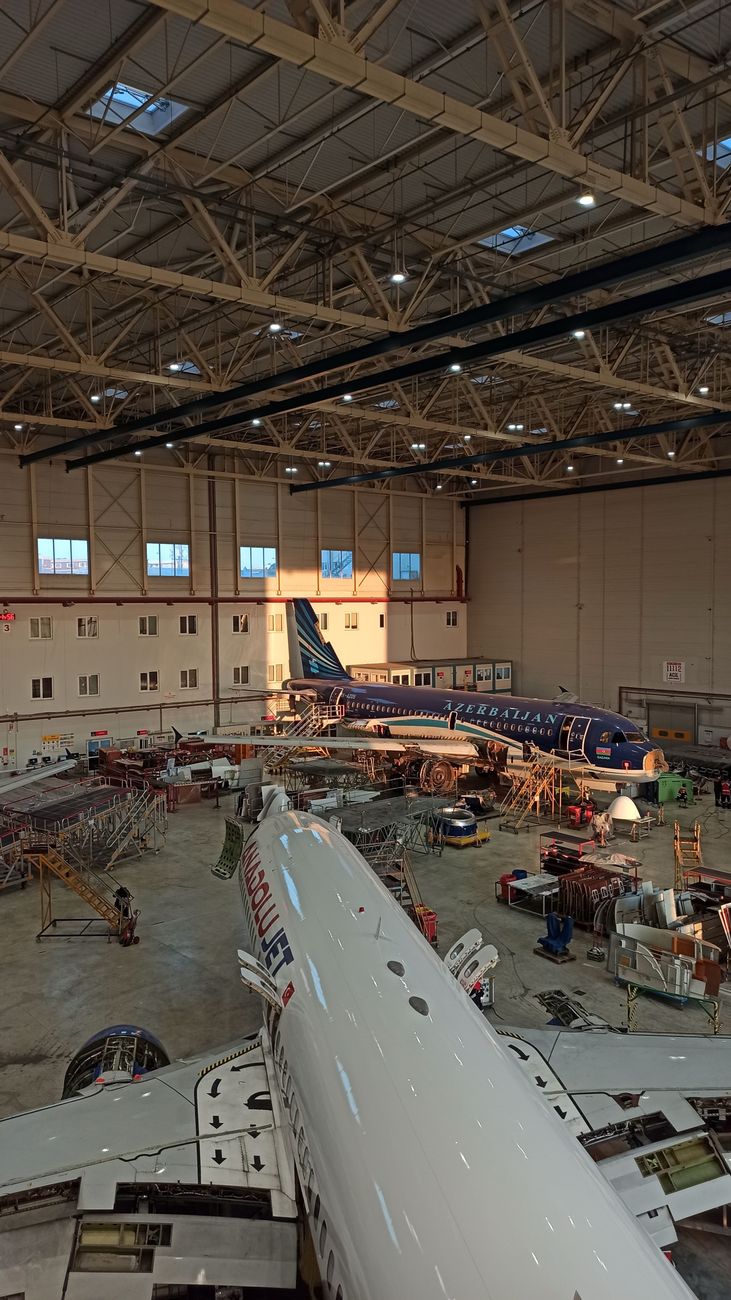
Unlike base maintenance, which takes place in a hangar during major scheduled checks, line maintenance focuses on keeping aircraft safe, serviceable, and ready for their next flight. It is practical, time-sensitive work that requires technical knowledge, sound judgement, and clear communication. You can compare these environments in our guide to line maintenance versus base maintenance.
What Is a Line Station?
A line station is an airport location where an airline or maintenance organisation provides aircraft maintenance support. It may be located at an airline's main hub, a secondary airport, or an outstation used by its fleet.
Some line stations have a full team of engineers, workshops, tooling, and spare parts. Others operate with a smaller team or rely on contracted maintenance support. The scope of work depends on factors such as:
- The aircraft types operating through the station
- The organisation's approved maintenance capabilities
- Available tools, equipment, and components
- The experience and authorisations of local engineers
- The terms of the maintenance contract
- Local aviation regulations and operator procedures
A line station may support one aircraft type or several, including narrow-body, wide-body, regional, or very large aircraft.
What Does a Line Maintenance Engineer Do?
A line maintenance engineer carries out maintenance tasks that can be completed without removing the aircraft from service for an extended period. The work commonly includes:
- Performing pre-flight and transit inspections
- Completing scheduled routine checks
- Reviewing aircraft technical logs
- Investigating defects reported by flight crew
- Troubleshooting aircraft systems
- Replacing defective components
- Carrying out minor repairs and approved modifications
- Inspecting engines and APUs
- Responding to aircraft-on-ground events
- Recording all work accurately
- Certifying the aircraft for return to service when authorised
The engineer's priority is not simply to get the aircraft moving again. Every action must comply with approved maintenance data, organisational procedures, and continuing airworthiness requirements. The EASA continuing airworthiness rules provide an important regulatory reference for organisations and professionals working within the European aviation system.
A Typical Shift at a Line Station
No two shifts are exactly the same, but a line maintenance engineer will often begin by reviewing the day's aircraft movements and planned maintenance tasks.
They may check:
- Which aircraft are arriving and departing
- Whether transit or routine checks are scheduled
- Open defects in the aircraft technical log
- Deferred defects or Minimum Equipment List items
- Available spare parts and tooling
- Special instructions from the operator or maintenance control
- Weather, airport access, and operational constraints
When the aircraft arrives, the engineer may meet the flight crew to discuss problems reported during the previous flight. The crew's description can provide valuable information, but the engineer must still carry out the appropriate troubleshooting and testing before deciding what action is required.
Some tasks can be completed during a normal turnaround. Others may require additional time, specialist support, replacement parts, or a decision from maintenance control.
Once the work is complete, the engineer reviews the paperwork, confirms that the aircraft meets the applicable requirements, and signs the relevant maintenance release if they hold the required authorisation.
The Main Services Provided at a Line Station
Line maintenance covers a broad range of services. The exact scope varies between organisations, but the main categories include component replacement and rigging, defect rectification, engine and APU support, aircraft-on-ground service, and line station management.
Component Replacement and Rigging
Aircraft components are replaced when they are defective, damaged, life-expired, or identified for removal during troubleshooting.
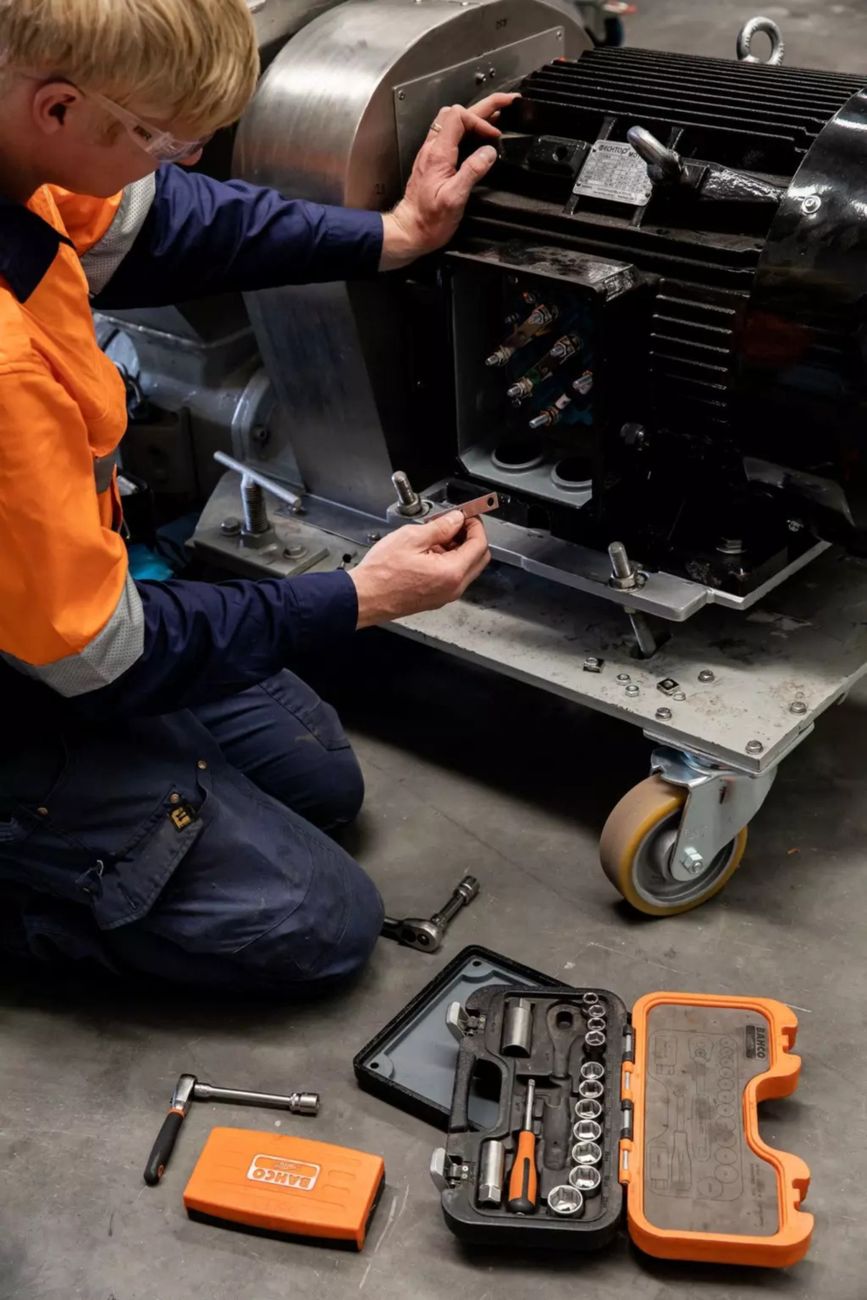
Common component categories include:
- Avionics components, such as flight computers, communication equipment, sensors, and navigation units
- Structural components, including access panels, fairings, doors, and other approved structural parts
- Electrical components, such as relays, wiring-related units, batteries, and power distribution components
- Hydraulic components, including pumps, valves, actuators, and related equipment
Component replacement is not always a simple remove-and-install task. Engineers must confirm the correct part number, inspect the surrounding area, follow the installation procedure, and perform any required operational or leak checks.
Line maintenance may also involve rigging. Rigging is the adjustment and verification of movable flight controls and related mechanisms so that they function correctly and remain within approved limits.
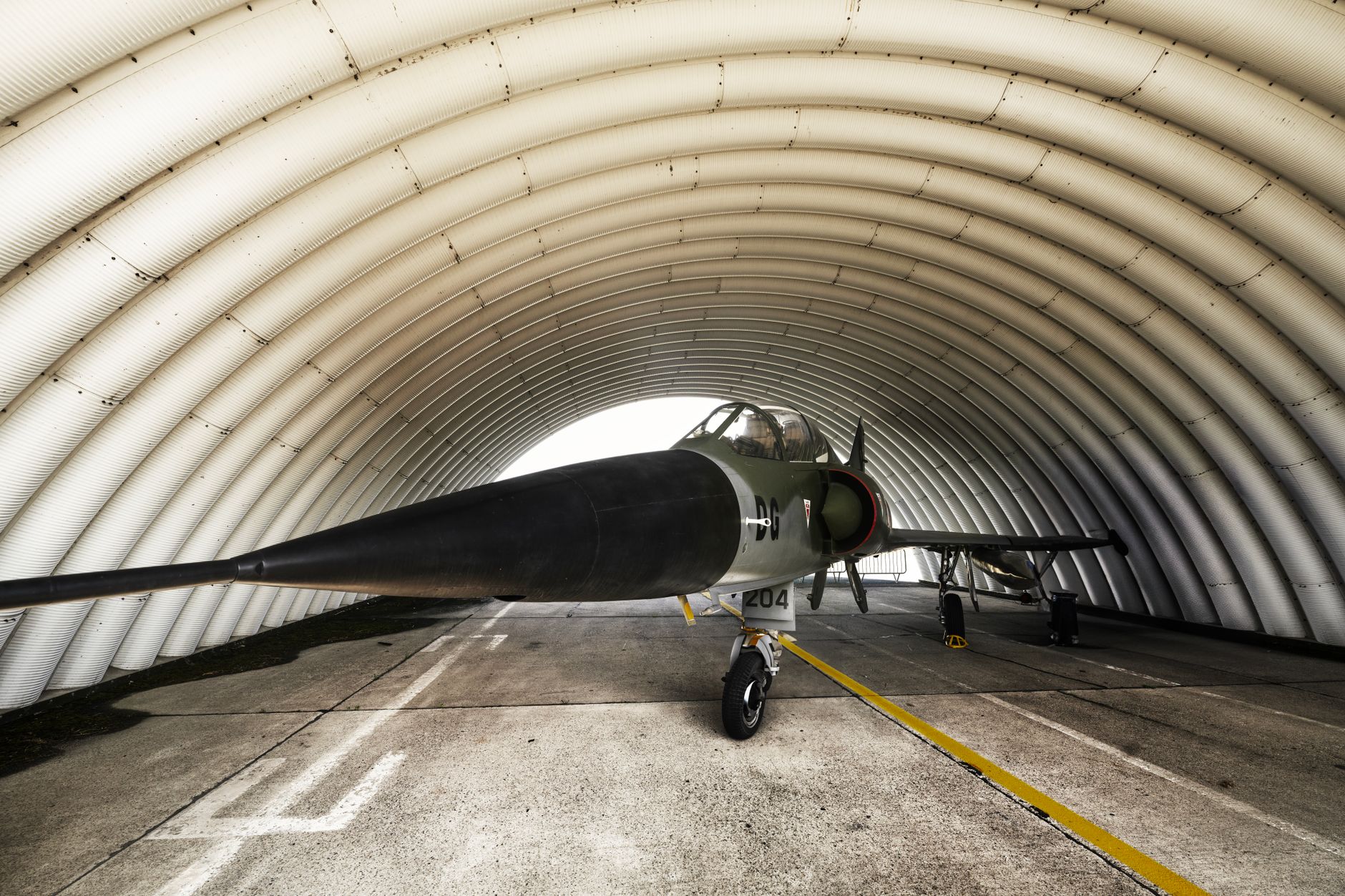
These controls may be attached to major aircraft surfaces such as:
- Wings
- Vertical stabilisers
- Horizontal stabilisers
Examples include ailerons, elevators, rudders, spoilers, and associated control mechanisms. Correct rigging is essential because even a small deviation can affect aircraft handling, control response, or system performance.
Defect Rectification
Defect rectification is one of the most important parts of the job. A defect may be reported by the flight crew, identified during an inspection, or generated by an aircraft monitoring system.
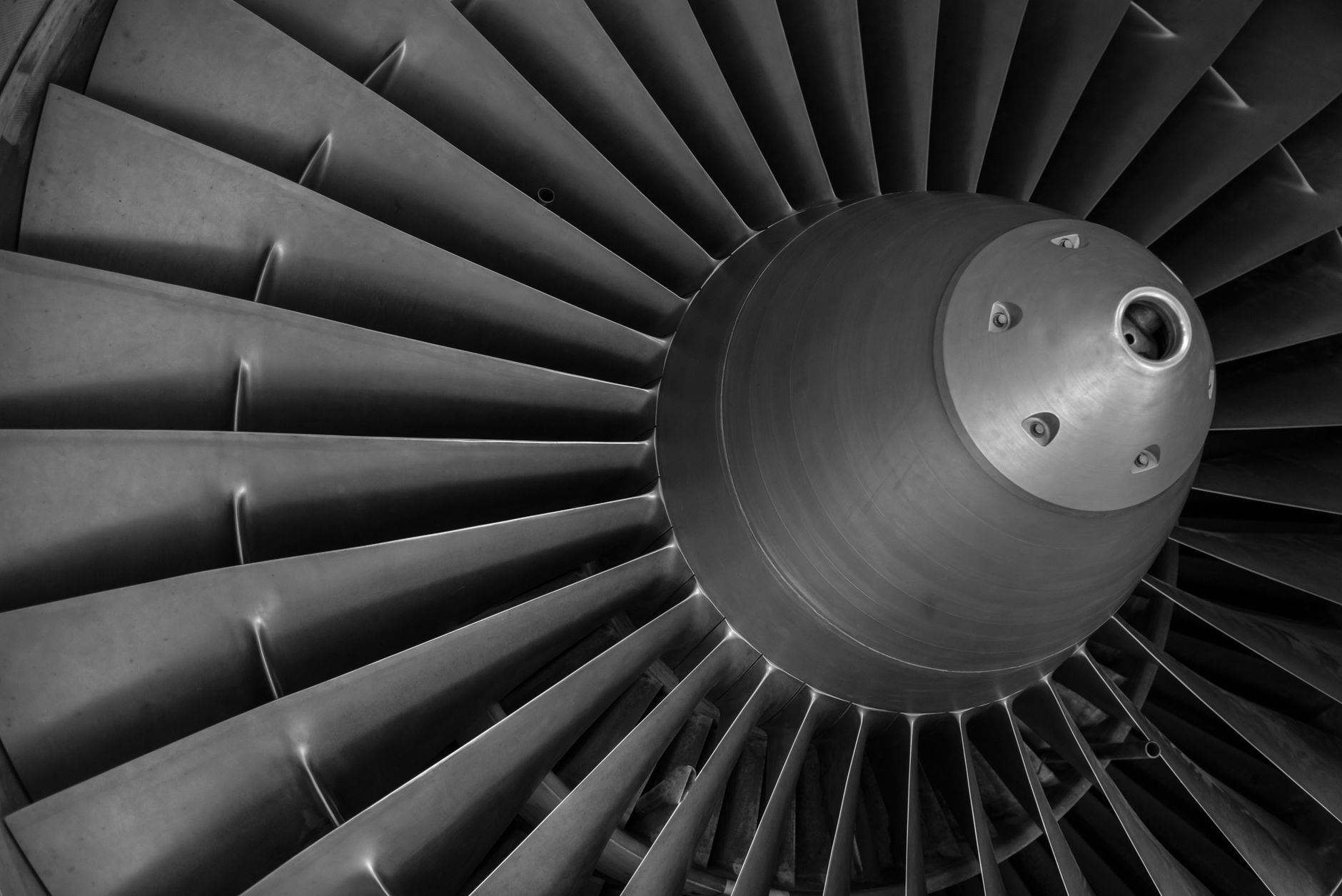
The process normally involves:
- Reviewing the technical log or defect report
- Consulting the aircraft maintenance manual and troubleshooting data
- Carrying out inspections, tests, or system checks
- Identifying the cause of the fault
- Repairing or replacing the affected item
- Performing a final operational check
- Recording the work and closing the defect appropriately
Defect rectification can include troubleshooting and diagnosis, minor repairs, approved modifications and upgrades, and routine inspections.
Not every defect can be repaired immediately. If a fault cannot be rectified within the available time, it may be deferred under the operator's approved procedures, often using the Minimum Equipment List or another approved configuration control process. The engineer must ensure that any deferral is properly applied and documented.
Engine and APU Service
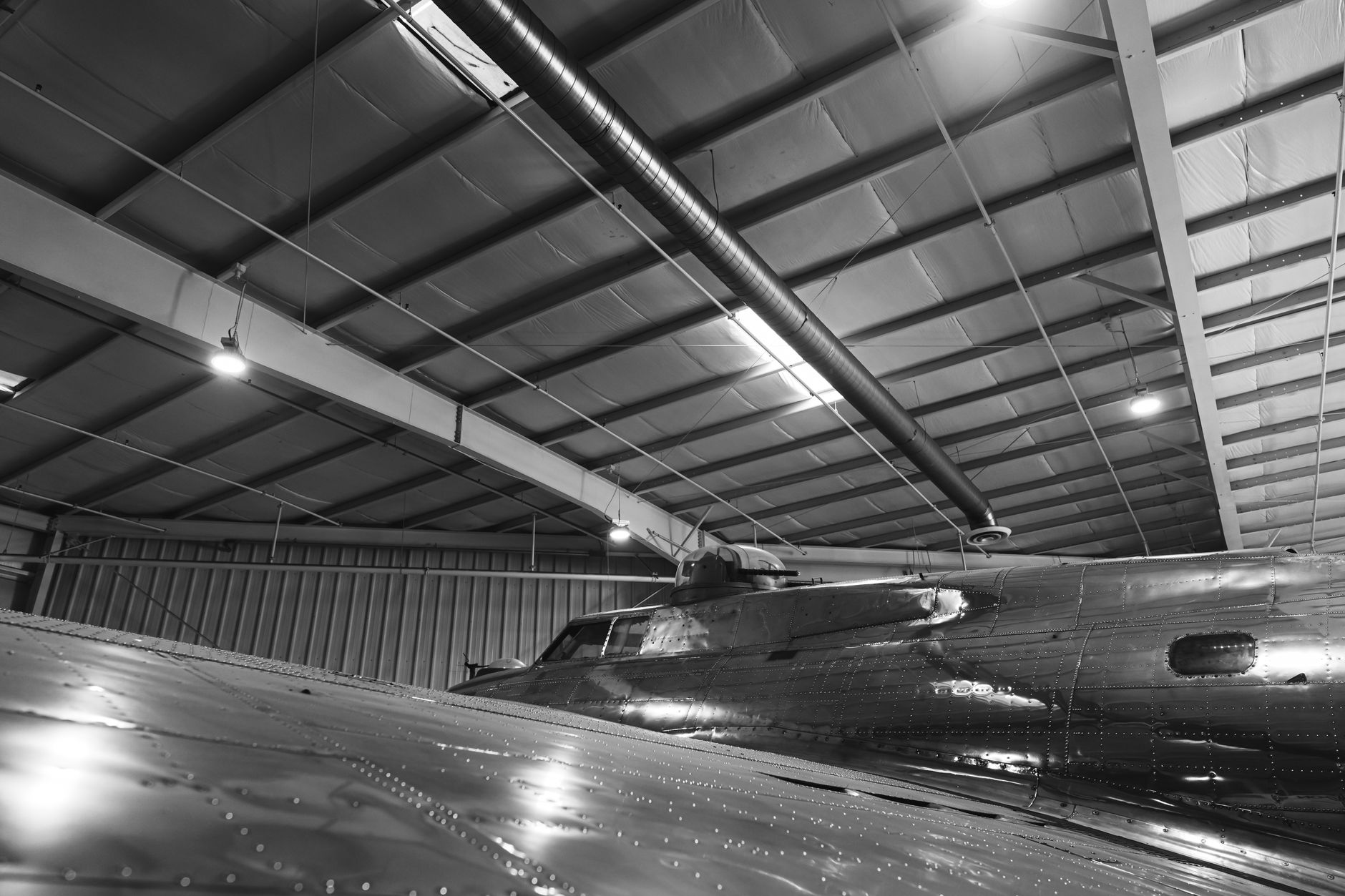
Line maintenance engineers may support engine and APU maintenance, depending on their training, authorisation, and the station's approved scope of work.
Typical tasks include:
- Engine visual inspections
- Oil quantity checks and servicing
- Fan blade and inlet inspections
- Checks for leaks, damage, or abnormal indications
- Borescope inspections when authorised and properly equipped
- Engine troubleshooting
- APU inspections
- APU maintenance and repairs
- Starting, operational, or performance checks
Major engine overhauls are generally associated with base maintenance or specialist engine facilities. However, line engineers may identify conditions that require an engine to be removed from service or transferred to a higher-level maintenance organisation.
Aircraft-on-Ground Service
An aircraft-on-ground, or AOG, event occurs when an aircraft cannot operate because of a technical problem or another maintenance-related issue.
AOG work is often highly time-sensitive. The line maintenance team may need to:
- Attend the aircraft at short notice
- Assess the reported defect
- Coordinate with maintenance control and the operator
- Locate tools, parts, or specialist equipment
- Arrange additional engineering support
- Complete troubleshooting and rectification
- Carry out required tests
- Release the aircraft when all requirements have been met
AOG work can take place at an established line station or at an airport where the operator has no permanent maintenance team. In the latter case, a mobile response team or contracted maintenance organisation may be dispatched. Our AOG protocol for engine cowling damage explains how line teams assess, document, and safely manage an unscheduled defect.
Although operational pressure can be intense, safety and compliance remain the priority. An aircraft cannot be released simply because the schedule is tight.
Line Station Set-up and Management
A line station also needs the right infrastructure to operate effectively. Set-up and management may involve:
- Defining the approved scope of work
- Establishing procedures and reporting lines
- Recruiting and training engineers
- Maintaining tools and test equipment
- Managing spare parts and consumables
- Ensuring access to current maintenance data
- Co-ordinating with airport and ground-handling providers
- Monitoring staff authorisations and competence
- Maintaining records for audits and regulatory oversight
In some cases, line maintenance is provided under a contract with an airline, ground-handling company, or another maintenance organisation. The contract must clearly define the work the station is permitted to perform and the support it must provide.
Transit Checks and Routine Checks
Line maintenance tasks are often grouped according to the type of check being performed.
Transit Checks
A transit check is carried out while the aircraft is at an airport between flights. It is intended to identify obvious defects or conditions that could affect the next sector.
A transit check may include:
- General visual inspections
- Checking for leaks, damage, or abnormal conditions
- Reviewing technical log entries
- Confirming the status of required equipment
- Servicing or replenishing certain fluids
- Addressing minor reported defects
The available time can be limited, particularly when the aircraft is operating to a tight schedule.
Routine Checks
Routine checks are planned maintenance activities performed at defined intervals. Depending on the aircraft and operator, these may include daily, weekly, or other recurring tasks.
Under European line maintenance guidance, occasional line maintenance is generally limited to the approved aircraft types and the organisation's authorised scope. It may include routine tasks up to and including a weekly check, or the lower maintenance level specified in the organisation's approved procedures, as well as troubleshooting and defect rectification.
Work requested by the customer, such as a service bulletin or a specific defect rectification task, must also fall within the organisation's approved line maintenance scope.
The Importance of Certification and Authorisation
A line maintenance engineer cannot automatically certify every task they perform. The ability to sign a maintenance release depends on the engineer's licence, aircraft type training, experience, and the authorisations issued by the approved maintenance organisation.
In Europe, aircraft maintenance roles are commonly structured around EASA licensing categories, including:
- Category A: Line maintenance certifying mechanic
- Category B1: Mechanical systems, including structures, powerplant, and mechanical and electrical systems
- Category B2: Avionics and electrical systems
- Category C: Base maintenance certification
A Category A mechanic may perform defined line maintenance tasks under the organisation's procedures and limitations. They typically work under the supervision of a B1 or B2 certifying engineer and cannot independently certify work outside their authorisation.
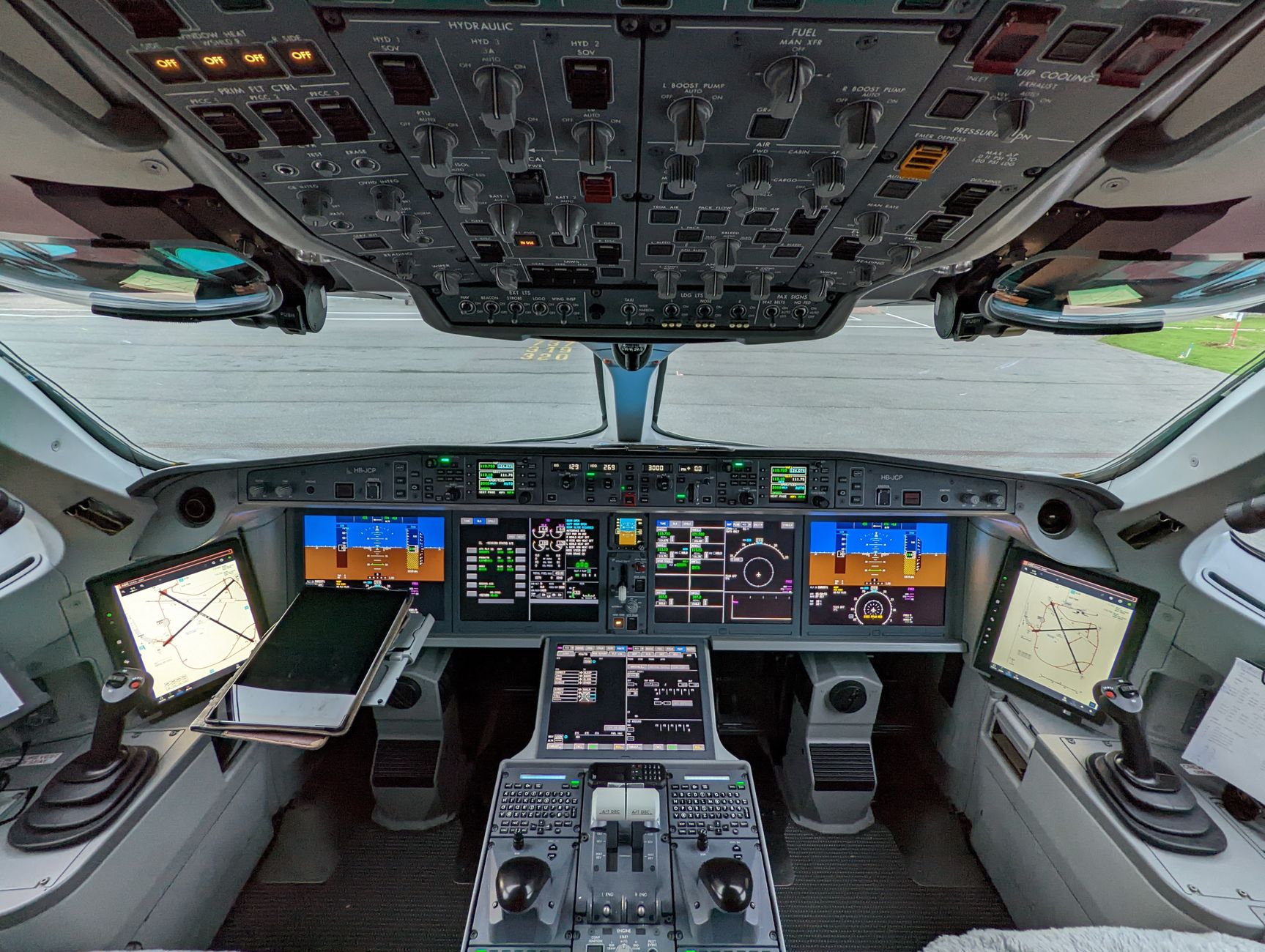
A B1 certifying engineer generally focuses on mechanical systems, engines, structures, flight controls, and related electrical systems. A B2 certifying engineer focuses primarily on avionics and electrical systems.
The exact privileges depend on the applicable regulations and the maintenance organisation's approval. Engineers must certify only work that they are trained, authorised, and competent to perform. UK-based readers should also consult the UK CAA Part-66 aircraft maintenance licensing information for current national requirements.
Why B2 Support Matters at a Line Station
Avionics faults can be particularly difficult to diagnose because they may involve software, data buses, sensors, computers, wiring, or interactions between several aircraft systems.
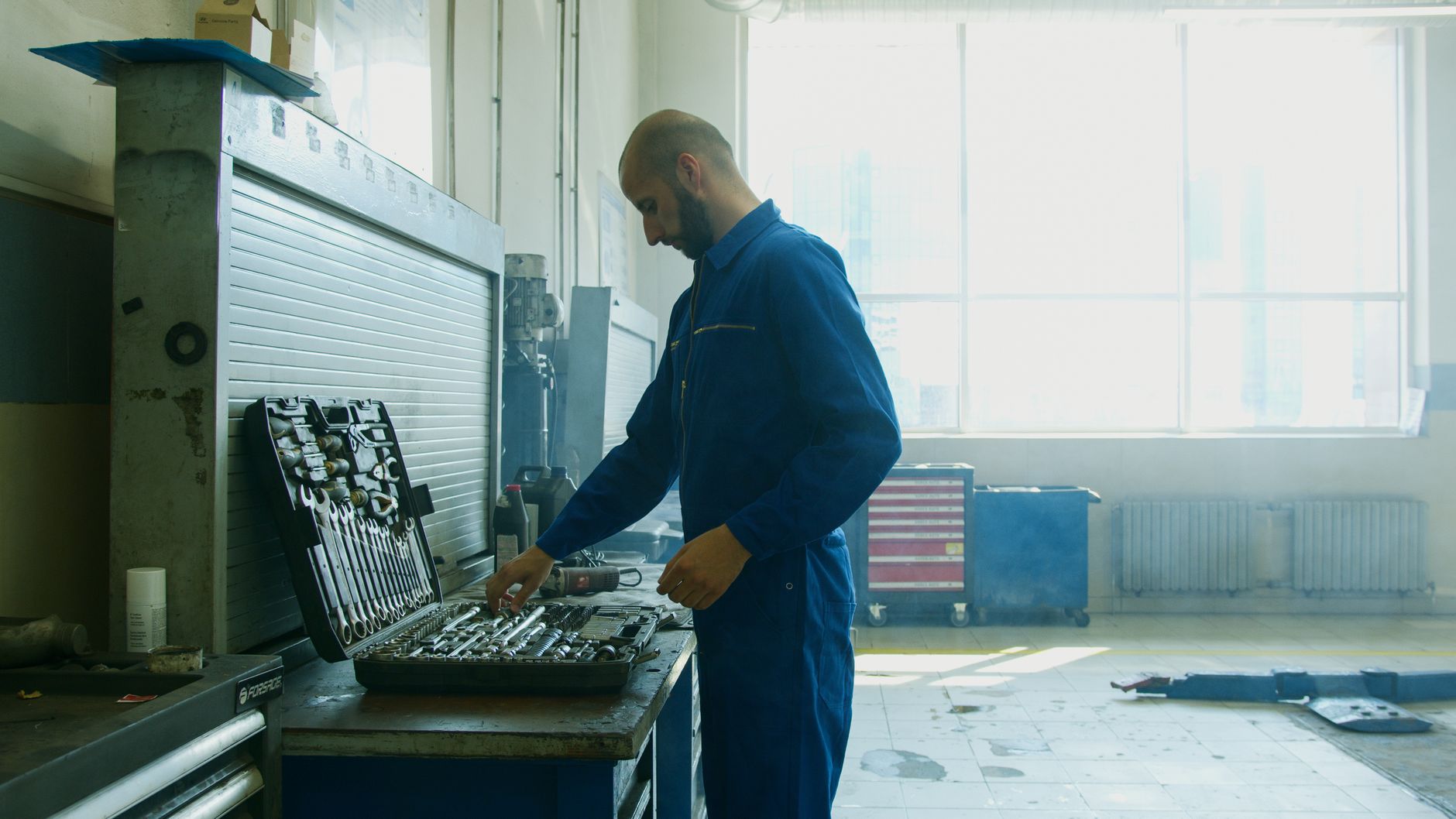
For this reason, a B2 certifying engineer must be available at line stations where the approved scope requires B2 privileges. In some cases, a station may operate without a permanently available B2 certifying engineer if its maintenance contract is specifically limited to defect rectification that does not require B2 certification privileges.
This arrangement must be clearly defined in the applicable contract and approved procedures. A station cannot perform avionics work beyond its capability and rely on another engineer to sign it later.
Traditional and Digital Line Maintenance
Line maintenance has traditionally relied on printed manuals, paper work packs, technical logbooks, and direct communication between the flight crew and engineering team.
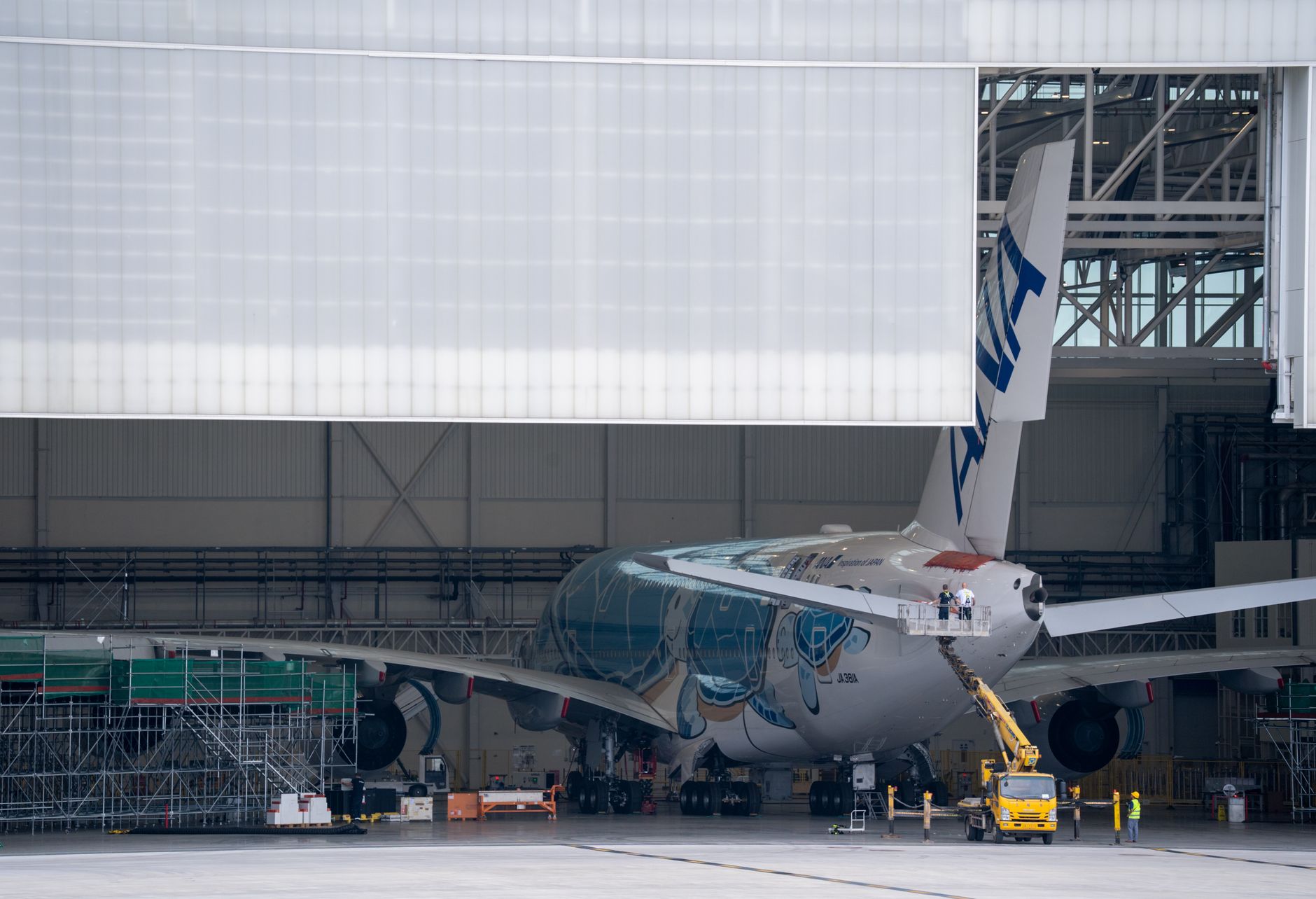
Many organisations now use digital line maintenance tools, including:
- Electronic technical logs
- Mobile maintenance applications
- Digital task cards
- Electronic defect tracking
- Online access to maintenance manuals
- Barcode or RFID component tracking
- Real-time communication with maintenance control
- Electronic maintenance records
Digital systems can improve access to information and reduce paperwork, but they do not replace engineering judgement. The engineer still needs to understand the aircraft system, follow approved data, and verify that the completed work has achieved the intended result.
Line Maintenance versus Base Maintenance
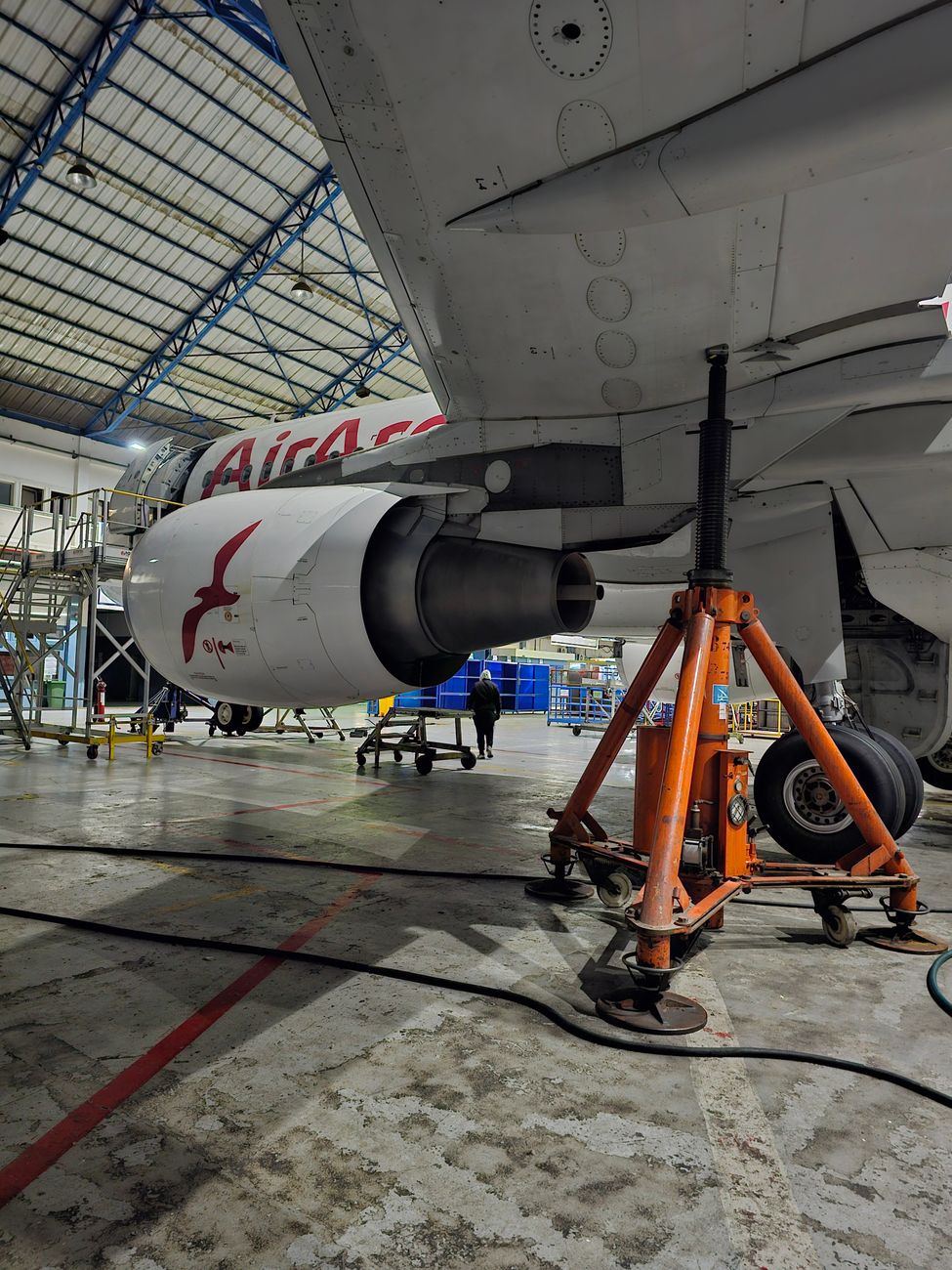
The key difference between line and base maintenance is the environment and depth of work.
Line maintenance:
- Takes place at airports between flights
- Focuses on inspections, troubleshooting, servicing, and minor repairs
- Works within short turnaround windows
- Includes transit and routine checks
- Supports aircraft that remain in operational service
- May include AOG response and defect rectification
Base maintenance:
- Takes place in a hangar or dedicated maintenance facility
- Involves scheduled heavy checks
- Includes major structural inspections
- Covers extensive modifications and component overhauls
- May require the aircraft to be out of service for days or weeks
- Provides more time, equipment, and access for complex work
The two environments are closely connected. A line engineer may identify a problem that requires base maintenance, while base maintenance teams depend on accurate line reports and defect histories.
The Skills Needed to Work at a Line Station
Line maintenance suits engineers who enjoy variety, practical problem-solving, and working in a fast-moving operational environment.
Important skills include:
- Strong knowledge of aircraft systems
- Careful attention to detail
- The ability to interpret technical documentation
- Effective troubleshooting
- Clear written and verbal communication
- Good time management
- Confidence when working under pressure
- Sound safety judgement
- Teamwork with pilots, maintenance control, ground staff, and other engineers
- Willingness to work shifts, nights, weekends, and holidays
The job also requires discipline. A line maintenance engineer must be willing to stop or delay an aircraft when the evidence shows that it is not safe or compliant to continue.
The Responsibility Behind the Role
An aircraft maintenance engineer helps ensure the continued airworthiness of commercial and business aircraft. That responsibility covers systems ranging from engines and hydraulics to avionics, flight controls, electrical systems, structures, and cabin equipment. The ICAO airworthiness resources provide international context for the standards and systems that support safe aircraft operation.
At a line station, this responsibility is carried out in a highly visible and time-sensitive setting. The engineer may have only a short period to diagnose a fault, but the standard of work cannot be reduced. Every inspection, repair, component change, and certification decision contributes directly to the safety of the aircraft and its passengers.
Career Prospects and Working Conditions
Line maintenance engineers often work shifts because aircraft operate throughout the day and night. The role may involve outdoor work in changing weather, restricted airport environments, and regular coordination with flight crews, dispatchers, ground handlers, maintenance control, and parts teams.
Experience at a line station can support progression towards senior certifying roles, aircraft type ratings, maintenance control, technical services, quality assurance, or management positions. Engineers considering their next move can use the Aircraft Engineer Salary Calculator to assess potential earnings by experience and location, and browse current aircraft mechanic jobs.
Final Thoughts
A line maintenance engineer keeps aircraft operating safely through the daily schedule. The work may involve a simple transit inspection, a complex avionics fault, a flight control rigging task, an engine inspection, or an urgent AOG response.
It is a role built around technical skill, teamwork, and sound decision-making. The pace can be demanding, but for engineers who enjoy variety and solving practical problems, working at a line station can be a rewarding career path in aircraft maintenance.



Login or register to join the conversation.
Join the discussion
0 comments