

.jpg)
If you’re a licensed aircraft engineer, mechanic, or avionics technician, create your free AeroTechCareers profile to showcase your competencies and be found by recruiters actively searching for engineers like you.
How Aircraft Engineers Diagnose Intermittent Avionics Faults
Introduction
Modern aircraft rely on complex avionics systems for navigation, communication, flight control, engine monitoring and aircraft health management. These systems must operate reliably despite vibration, temperature changes, moisture, electromagnetic interference and repeated power cycles. The wider principles of continuing airworthiness described by the European Union Aviation Safety Agency provide an important regulatory context for maintaining this reliability.
Most avionics faults are relatively straightforward to identify. A display may fail, a communication radio may stop transmitting, or a warning message may remain active. Intermittent faults are more difficult because the problem may disappear before an engineer can reproduce it.
A fault may occur in flight but not on the ground. A system may operate normally once the aircraft has cooled, or a connector may make contact during inspection but lose continuity under vibration. In other cases, the component reporting the fault may be reacting to a problem elsewhere in the aircraft system.
This article explains how aircraft engineers diagnose intermittent avionics faults, why No Fault Found does not necessarily mean that no fault exists, and how structured troubleshooting can reduce unnecessary component replacements.
What is an intermittent avionics fault?
An intermittent fault is a defect that occurs inconsistently rather than continuously. It may appear only under particular operating or environmental conditions, including:
- High or low temperature
- Vibration or movement
- Moisture or condensation
- Changes in electrical load
- Aircraft power transitions
- Specific software or operating modes
- Particular phases of flight
- Intermittent data bus activity
- Mechanical movement of wiring or connectors
For example, an aircraft may receive a communication-system fault message during climb, while the radio passes every test after landing. A navigation display may briefly lose data because of a loose connector, faulty power supply or disrupted data bus signal rather than a failure within the display itself.
The temporary nature of these defects makes them especially challenging. Engineers must establish not only what is failing, but also when, where and under what conditions the failure occurs.
Why intermittent faults are difficult to diagnose
The fault may disappear before maintenance begins
By the time an aircraft reaches a maintenance facility, the system may be functioning normally. Built-in test equipment may show no active fault, and an operational test may produce satisfactory results.
This can result in a maintenance record being closed with a No Fault Found result. A successful test proves only that the fault was not present under the conditions of that test. It does not necessarily prove that the system is reliable in service.
The reported component may not be the root cause
Aircraft systems are highly interconnected. A fault message identifies the system or component that detected an abnormal condition, but it does not always identify the original source of the problem.
A flight-control computer, for example, may report a data error caused by a wiring defect or power interruption. A display unit may show a sensor-related message because it received invalid data from another line-replaceable unit. Replacing the reporting component without investigating the surrounding system may therefore fail to correct the defect.
Environmental conditions are difficult to reproduce
Some faults occur only when an aircraft is airborne or when equipment reaches a particular temperature. Others are triggered by vibration, movement or changes in electrical demand.
A component may pass a workbench test but fail when installed in the aircraft. Conversely, a wiring defect may remain hidden while the aircraft is stationary and appear only when the airframe flexes or equipment vibrates. Engineers carrying out these checks should follow the applicable approved data and established safety controls, including the principles outlined in the FAA advisory material on acceptable aircraft inspection and repair practices.
The impact of No Fault Found events
No Fault Found, commonly abbreviated as NFF, describes a situation in which a component is removed following an aircraft fault indication, but the repair or overhaul facility cannot confirm the reported defect.
An NFF event does not automatically mean that the component was removed unnecessarily. The fault may have been intermittent, installation-related or caused by another part of the system. However, if the removed component passes all shop tests, replacing it may not have been technically justified.
Data released by some airlines in the Americas has demonstrated the scale of the problem. Around 15% of components across all workshops were reportedly classified as NFF, while certain avionics equipment reached NFF rates of up to 20%. In one example, an operator using the reliability module in the Alkym integrated aircraft maintenance solution reported that 12% of overall NFF events involved avionics components.
These figures vary between operators according to fleet age, aircraft type, maintenance procedures, component mix, operating environment and the quality of fault reporting. They nevertheless show why operators should monitor NFF rates and investigate recurring patterns rather than treating each event as isolated.
High NFF rates can result in:
- Unnecessary component removal and replacement
- Increased maintenance costs
- Longer aircraft ground time
- Repeated troubleshooting on the same aircraft
- Reduced spare-parts availability
- Additional workload for repair shops
- Continued exposure to an unresolved system defect
How engineers begin the investigation
Reviewing the aircraft history
The first step is usually to examine the aircraft’s technical records and recent maintenance history. Engineers look for:
- Previous reports of the same fault
- Repeated component removals
- Faults occurring on the same route or during the same phase of flight
- Similar defects on other aircraft in the fleet
- Recent modifications or maintenance activity
- Wiring repairs or connector replacements
- Environmental or operational conditions associated with the fault
A repeated fault involving the same component may indicate a defective unit, but it may also point to a common power supply, grounding problem, data bus issue or installation defect.
Maintenance history helps engineers distinguish between a new failure and a recurring, unresolved problem. For practical guidance on the importance of accurate experience records, see common CAP 741 logbook mistakes that can delay a licence application.
Analysing pilot and maintenance reports
The quality of the initial fault report is important. Engineers need to know exactly what happened, not simply which warning message appeared.
Useful information includes:
- The phase of flight
- The duration of the fault
- Whether the fault cleared automatically
- Other messages displayed at the same time
- Weather and temperature conditions
- Whether the aircraft was operating on external or internal power
- Whether the problem followed a reset
- Whether the fault affected one or several systems
A report stating that a navigation display “failed” provides less diagnostic value than one stating that the display lost data for 10 seconds during climb, recovered after a system reset and showed a concurrent data bus warning.
Checking the applicable maintenance data
Engineers then consult the aircraft maintenance manual, fault isolation manual, wiring manuals, system descriptions and approved troubleshooting procedures.
These documents help identify:
- The architecture of the affected system
- The relationship between connected components
- Expected voltage and signal values
- Built-in test functions
- Permitted inspection and test methods
- Connector and wiring locations
- Component replacement criteria
- Required operational checks
All troubleshooting must follow the applicable approved maintenance data and the organisation’s procedures. Engineers should not replace components solely because they appear statistically likely to be defective.
Reproducing the fault
The most valuable result is often successful duplication of the reported failure. Engineers may attempt to reproduce it by recreating the conditions under which it occurred, including:
- Operating the equipment through different modes
- Performing repeated power cycles
- Allowing equipment to reach operating temperature
- Applying controlled heat or cooling in accordance with approved procedures
- Conducting vibration or movement checks
- Manipulating wiring harnesses and connectors
- Increasing system electrical load
- Monitoring the system during extended operation
- Using aircraft data and recorded fault histories
A fault that appears after several hours of operation may not be detected during a short functional test. Engineers must therefore consider how long the defect takes to develop.
Reproduction must always be controlled and performed using approved methods. Unauthorised manipulation, excessive heat or improvised testing could create additional faults or damage aircraft equipment.
Inspecting wiring, connectors and bonding
Although replaceable avionics units often receive immediate attention, wiring and installation faults are common causes of intermittent problems. For a practical overview of inspection technique, read this step-by-step guide to aircraft wiring checks.
Engineers inspect for:
- Loose or incompletely engaged connectors
- Damaged connector pins
- Corrosion
- Contamination
- Chafed or broken wiring
- Inadequate strain relief
- Poor shielding or screen termination
- Incorrect wire routing
- Evidence of fluid ingress
- Loose bonding or grounding connections
- Signs of overheating or arcing
A wire can show electrical continuity during a stationary test but fail when moved or subjected to vibration. Similarly, a connector pin may make contact most of the time but open briefly under thermal expansion or mechanical loading.
Grounding and bonding are also important. A poor earth connection can create unstable signals, communication problems or sporadic resets that appear to originate in the avionics unit.
Testing power supplies and signals
Intermittent avionics faults are often related to unstable power or corrupted signals. Engineers may monitor the system while it is operating rather than relying only on a static voltage check.
Depending on the system and approved procedures, testing may include:
- Measuring supply voltage under load
- Checking for transient voltage drops
- Verifying circuit protection
- Inspecting return paths and grounds
- Monitoring data bus activity
- Checking signal quality
- Comparing input and output data
- Reviewing fault codes from connected systems
- Confirming software and configuration status
A power supply can appear normal when measured with a basic meter but experience a brief interruption that is too short to observe without suitable test equipment. Data bus faults may also require specialised analysers or recorded system data to determine whether a message was missing, corrupted, delayed or generated by the wrong source.
Understanding built-in test equipment
Built-in test equipment, or BITE, is an important diagnostic tool in modern aircraft. It can record faults, identify affected systems and assist with fault isolation. Broader safety guidance on maintenance performance and error management is also available through SKYbrary’s maintenance error reference.
However, BITE has limitations. It may not record a defect if:
- The fault lasted for only a very short time
- The system reset before the fault was stored
- The fault occurred outside the monitoring logic
- The failure was caused by wiring or a power interruption
- The system detected a symptom rather than the root cause
- The event did not meet the threshold for a fault message
Engineers therefore interpret BITE information alongside aircraft history, pilot reports, wiring inspections, operational tests and system knowledge. A cleared message should not automatically be treated as proof that the underlying problem has been resolved.
Avoiding unnecessary component replacement
Replacing the first component named in a fault message is not always the correct solution. If the first component change does not correct the problem, further removals may increase aircraft downtime without addressing the defect.
Before replacing a unit, engineers may ask:
- Does the fault message identify the source or only the affected system?
- Has the component failed a proper test?
- Are its power, ground and data inputs correct?
- Has the problem followed the component when it was installed elsewhere?
- Does the fault correlate with a known wiring or environmental condition?
- Have the relevant connector and harness been inspected?
- Has the system been tested for long enough to reproduce the reported defect?
- Is there a known fleet trend or service bulletin related to the fault?
Component substitution can be a valid troubleshooting method when permitted by the maintenance data. It should nevertheless be controlled and documented. If the fault remains after replacement, the removed unit should not automatically be classified as defective.
Using reliability data to identify patterns
Individual troubleshooting events provide useful information, but fleet-level data can reveal patterns that are difficult to identify on a single aircraft. This data-driven approach supports the safety-management principles promoted by the International Civil Aviation Organization.
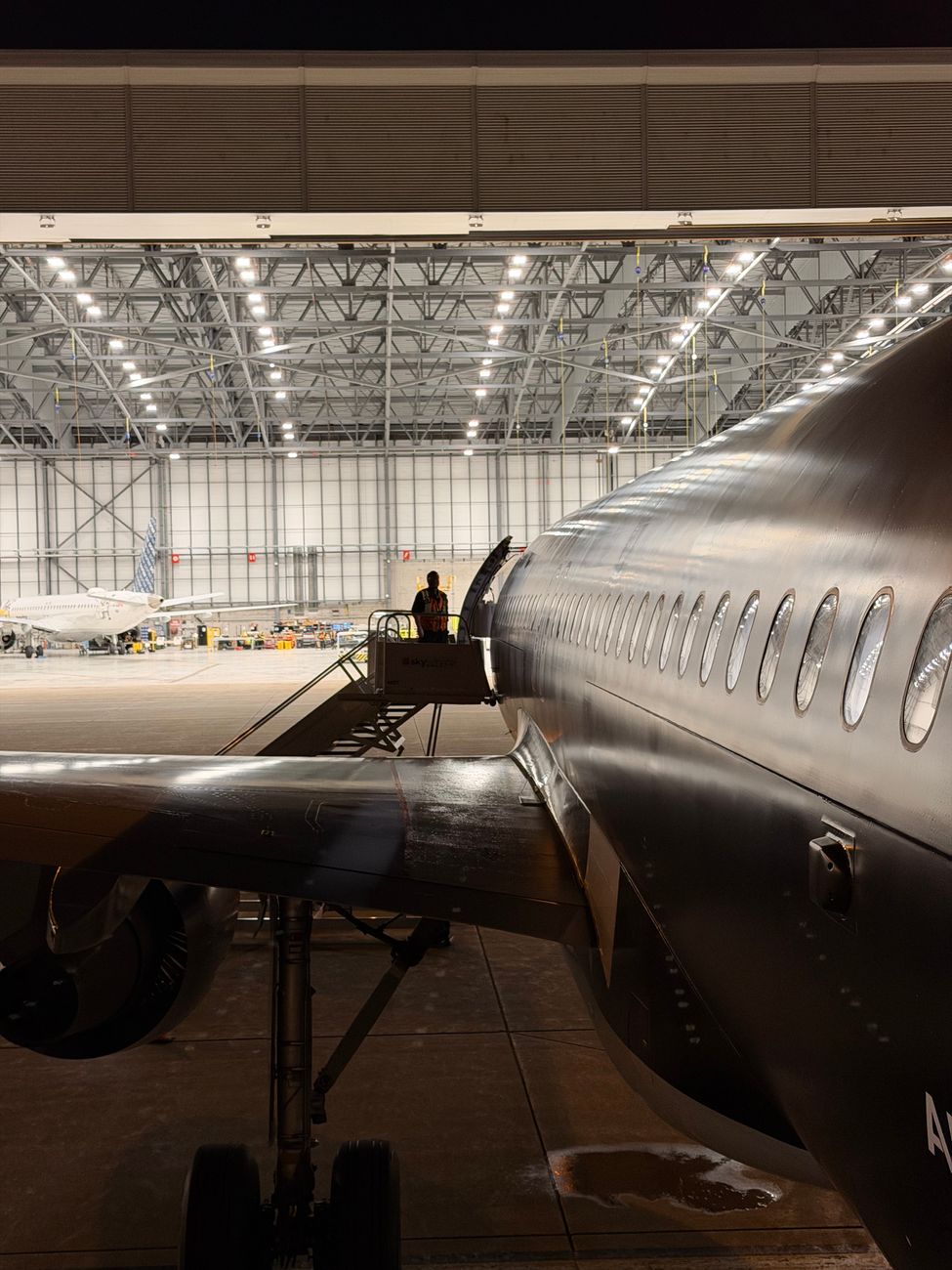
Reliability systems can help operators track:
- NFF rates by component type
- Repeat removals
- Removal rates by aircraft and fleet
- Faults by phase of flight
- Failures by route or operating environment
- Shop findings compared with aircraft reports
- Mean time between removals
- Components repeatedly replaced without correcting the fault
If a particular avionics unit is frequently removed but regularly passes shop testing, the operator may need to investigate installation conditions, wiring, software configuration or the troubleshooting procedure itself. Engineers exploring the role of digital records and diagnostic tools can also read about aircraft maintenance in the digital age.
The NFF rate should not be viewed only as a repair-shop performance measure. It can indicate weaknesses in fault isolation, aircraft reporting, component testing or maintenance decision-making.
Confirming that the fault has been corrected
A successful component replacement or operational test is not always the end of troubleshooting. Engineers must confirm that the original defect has been addressed.
Depending on the system, this may involve:
- Repeating the test that initially revealed the fault
- Performing an extended operational check
- Confirming that related fault messages have cleared
- Checking system data after subsequent flights
- Inspecting disturbed wiring and connectors
- Verifying configuration and software loading
- Reviewing maintenance records for repeat occurrences
If the original fault cannot be reproduced, engineers should document the inspections and tests performed, the evidence considered and the reason for the maintenance action. Clear records allow the next engineer to continue the investigation instead of starting again.
The importance of disciplined troubleshooting
Intermittent avionics defects require patience, technical knowledge and a methodical approach. Guessing, repeatedly replacing components or closing a task because the system passes a short test can allow the underlying problem to remain unresolved.
The objective should be to:
- Understand the reported failure
- Identify the most probable source
- Isolate the defect using approved methods
- Perform the correct maintenance action
- Confirm that the aircraft is serviceable
- Record the findings for future reliability analysis
No Fault Found should therefore be treated as a diagnostic result, not necessarily as proof that no fault exists. A component may be serviceable while the aircraft still has an intermittent defect elsewhere in the system.
Conclusion
Intermittent avionics faults are among the most demanding problems faced by aircraft engineers. The failure may disappear during maintenance, the aircraft’s diagnostic system may report only a symptom, and the suspected component may pass every shop test.
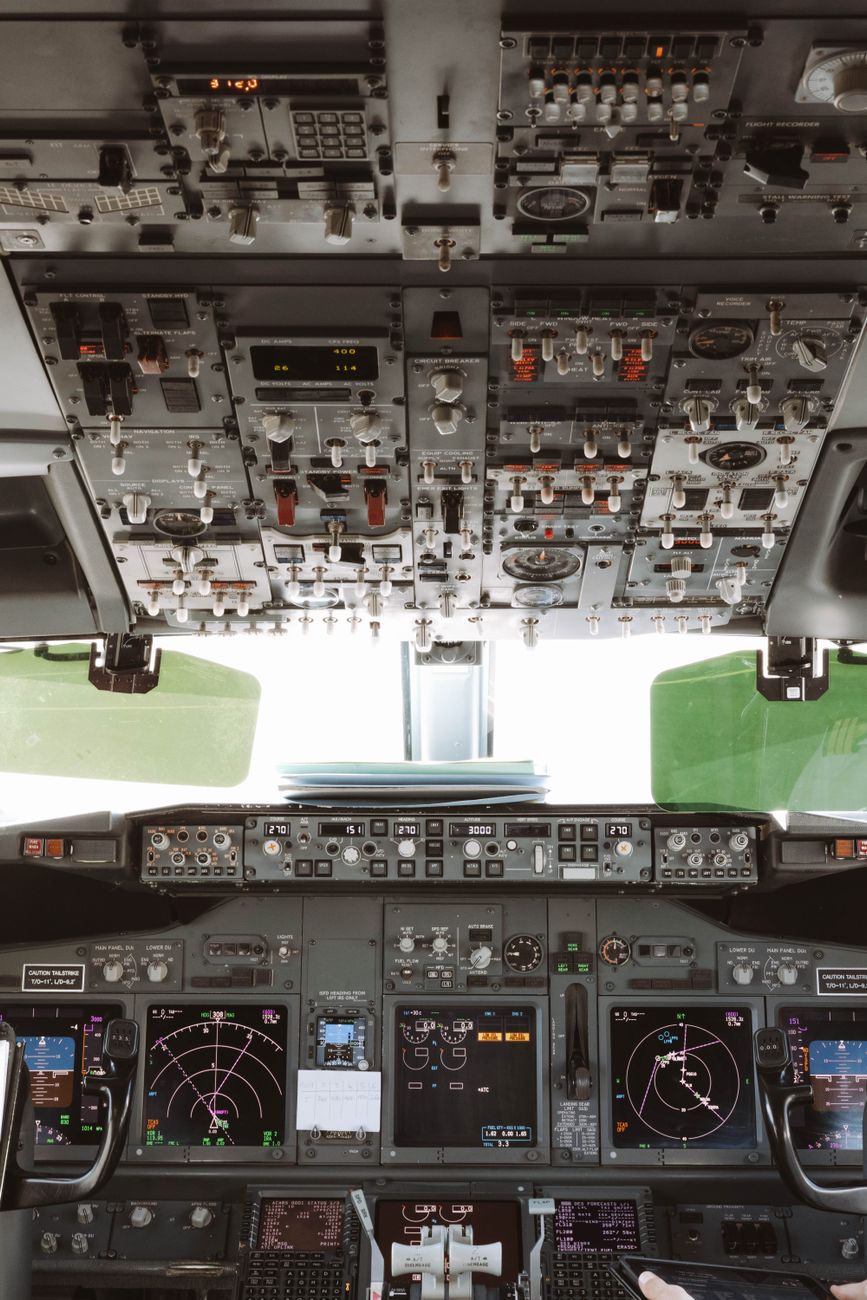
Effective troubleshooting combines aircraft history, accurate crew reports, system knowledge, approved maintenance data, environmental testing, wiring inspection, electrical measurements and reliability analysis. It also requires engineers to look beyond the first component identified by a fault message.
The NFF rates reported by some operators demonstrate the importance of this approach. With around 15% of components in some airline workshops classified as NFF, and certain avionics equipment reaching rates of up to 20%, reducing unnecessary removals is both a technical and operational priority.
For aircraft engineers, the goal is not simply to clear a warning. It is to understand why the fault occurred, correct the underlying problem and return the aircraft to service with confidence that the defect will not recur.



Login or register to join the conversation.
Join the discussion
0 comments