


If you’re a licensed aircraft engineer, mechanic, or avionics technician, create your free AeroTechCareers profile to showcase your competencies and be found by recruiters actively searching for engineers like you.
How to Prepare for an Aircraft Maintenance Engineer Interview
Interview preparation for an aircraft maintenance engineer role should reflect the aviation sector you are targeting. Commercial airlines, business jet operators, military organisations, helicopter companies, MRO providers and general aviation businesses assess candidates against different operational pressures and technical priorities.
The strongest candidates can explain how they apply technical knowledge safely, document maintenance correctly, work within authorisation limits and make sound decisions under operational pressure. An interview is not simply a licensing examination. It is an assessment of your competence, judgement, communication and suitability for the organisation's maintenance system.
Prepare to demonstrate three things:
- You understand the applicable regulatory and safety framework.
- You have maintained or supported aircraft in a controlled and traceable manner.
- Your experience and behaviour match the employer's operating environment.
Establish Your Regulatory Position
Before the interview, prepare a concise explanation of your current licence, authorisation and experience. Distinguish clearly between:
- A UK CAA or EASA Part-66 licence and a company-issued certification authorisation.
- Licence categories and subcategories.
- Aircraft type ratings and type training.
- Practical experience recorded in an appropriate logbook.
- Tasks completed under supervision and tasks you are authorised to certify.
- Current continuation training, human factors training and recency.
Part-66 establishes knowledge, experience and licensing requirements, but holding a licence does not automatically give an engineer unrestricted authority to certify every task or aircraft type. Review the current UK CAA Part-66 guidance and, where relevant, the EASA Part-66 information before attending the interview.
Be ready to state:
- Which authority issued your licence.
- Your category, subcategory and type ratings.
- How your practical experience was obtained.
- What you can certify now and what remains subject to supervision or company approval.
- Which qualifications, type training or authorisations you are currently pursuing.
Do not overstate your privileges. Saying, “I completed the task under supervision but do not yet hold independent company authorisation,” demonstrates better judgement than claiming experience you cannot evidence.
Prepare Your Experience Evidence
Bring an accurate summary of your maintenance experience, but do not disclose confidential technical records or controlled company documents unless you are authorised to do so. Be prepared to discuss representative tasks rather than relying only on a job title.

Your experience record should help you explain:
- Aircraft registration and type.
- Date and location of the task.
- Aircraft system or ATA chapter.
- Description of the work performed.
- Approved maintenance data used.
- Your role in the task.
- Supervising or certifying engineer.
- Applicable approval or organisation.
- Signature and date.
For UK applicants, review the authority's current requirements for practical experience and evidence. A well-maintained CAP 741-style logbook can help you demonstrate where, when and under whose supervision your experience was gained. Also avoid the errors covered in our guide to CAP 741 logbook mistakes.
Experience requirements vary according to the licence category, previous training and licensing authority. Explain how your experience was gained, recorded and verified rather than quoting a generic number of years.
Understand Licence Recognition and Company Authorisation
Candidates with UK, EU or EASA licences and Certificates of Recognition should confirm where their documents are accepted. Recognition arrangements can depend on the authority, the employer's approval, the aircraft's registration and the specific certification task.
Before the interview:
- Confirm whether the employer operates under UK CAA, EASA or another authority.
- Check whether conversion, validation or separate recognition is required.
- Understand the difference between licence acceptance and company certification approval.
- Identify any additional type training, practical assessment or authorisation needed.
For UK organisations working with European approvals, our guide to EASA Form 1 after Brexit provides useful context. You can also review the current EASA continuing airworthiness organisation information when preparing for an international MRO or airline role.
Use a Structured Method for Your Answers
Prepare five or six examples using the STAR method, with an additional learning point:
- Situation: the aircraft, environment and operational context.
- Task: what you were responsible for.
- Action: the maintenance data, tools, inspections and decisions used.
- Result: the technical and operational outcome.
- Learning: what you would repeat or improve.
Your examples should cover:
- A fault that required systematic troubleshooting.
- An error or unsafe condition that you identified.
- A maintenance task affected by time pressure.
- A disagreement about a technical or procedural decision.
- A handover where accurate communication was essential.
- A task requiring strict compliance with approved data.
- An occasion when you stopped work or escalated a concern.
A sound troubleshooting answer should mention confirming the defect, reviewing the technical log or work order, consulting approved maintenance data, checking basic system conditions, isolating the fault logically, recording findings, completing the rectification within your authorisation and closing the paperwork correctly. Relevant preparation includes our guides to diagnosing intermittent avionics faults and using aircraft maintenance manuals.
Never suggest that you would replace components before understanding the fault, or sign a task that you did not complete or verify.
Preparing for a Commercial Airline Interview
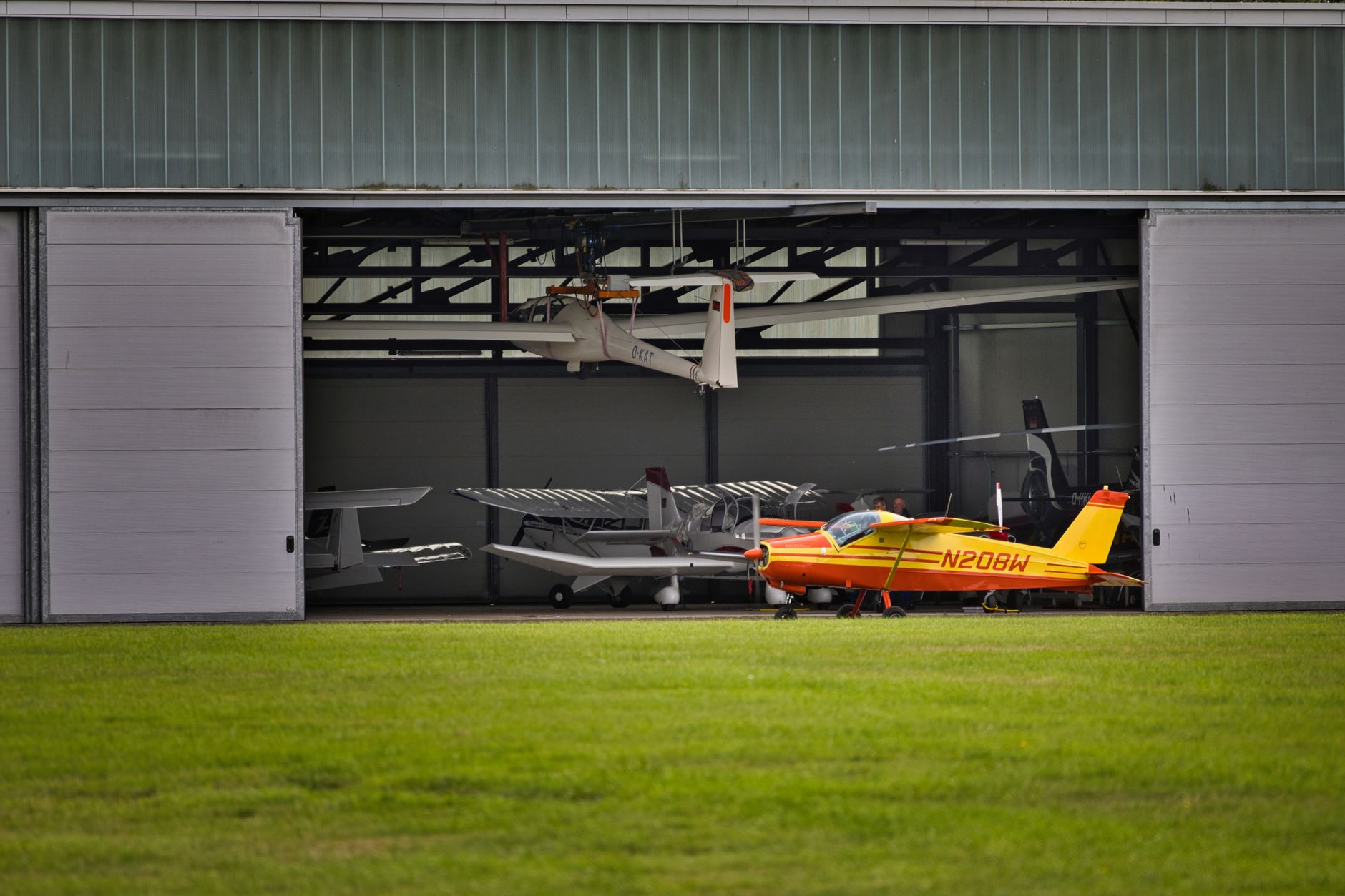
Commercial airline maintenance is usually process-driven, schedule-sensitive and highly controlled. Interviewers will want evidence that you can protect airworthiness while working within short turnaround times and strict procedures.
What Commercial Operators Look For
- Part-145 procedures and company authorisations.
- Aircraft technical log discipline.
- MEL and CDL awareness, where relevant.
- Defect troubleshooting and repetitive defect control.
- Shift handovers and continuation of work.
- Independent and duplicate inspections.
- Tool control and foreign object debris prevention.
- Human factors and fatigue awareness.
- Communication with flight crew, operations control and maintenance control.
- Accurate electronic maintenance records.
If a defect cannot be rectified during a turnaround, explain how you would consult approved procedures, involve the appropriate certifying staff or maintenance control function, and establish whether a permitted dispatch solution exists. Review our article on deferring defects using the MEL and the aircraft maintenance shift handover checklist.
Airline Interview Questions to Practise
- How would you approach an intermittent avionics fault during a short turnaround?
- What would you do if the technical log entry was unclear?
- How would you handle pressure to release an aircraft?
- What is the purpose of an independent inspection?
- How do you conduct an effective shift handover?
- What would you do if a colleague asked you to sign a task you had not performed?
- How do you prevent a recurring defect from being treated as an isolated event?
For independent inspection questions, be precise about competence, authorisation, independence and the organisation's approved procedures. Read who can perform an independent inspection and how human factors can contribute to inspection failures.
Preparing for a Business Jet Interview
Business aviation combines high technical standards with customer sensitivity, discretion and changing schedules. Employers may look for:
- Familiarity with the relevant aircraft family and maintenance documentation.
- Professional communication with owners, operators and flight crews.
- Discretion and confidentiality.
- Ability to manage unscheduled work and aircraft-on-ground events.
- Attention to cabin systems, connectivity and passenger-facing defects.
- Accurate records for international operations.
- Flexibility with travel, remote locations and changing priorities.
- Confidence working independently without bypassing procedure.
A technically minor defect may be highly important to a passenger or crew member. A strong answer acknowledges the operational impact while following approved data, troubleshooting logically and explaining the limitations of the available rectification. Avoid presenting yourself as someone who will make things work at any cost.

Preparing for an MRO Interview
An MRO environment may expose engineers to multiple aircraft types, customers, work packages and maintenance programmes. Interviewers will assess how quickly you can learn a new product while remaining disciplined about customer requirements and approved data.
- Explain how you approach a new aircraft type.
- Discuss your use of work cards, task cards and non-routine cards.
- Describe how you manage a non-routine finding.
- Show how you maintain quality when productivity targets are high.
- Explain how you raise a clear technical query.
- Describe what you do when the work package conflicts with the aircraft condition.
If you lack a particular type rating, do not imply that general experience is equivalent to type competence. Explain how your existing knowledge transfers and how you would complete the required training and supervised experience. You can also review current EASA Part-145 information before an MRO interview.
Preparing for a Military Aviation Interview
Military maintenance interviews assess technical competence alongside discipline, security awareness, operational reliability and the ability to work within a formal command structure. Explain how your experience translates into civil aviation requirements without assuming that the two systems are identical.

Be ready to discuss aircraft types, systems, your trade or technical appointment, supervision, maintenance documentation, quality controls, deployed operations, inspections, rectification and troubleshooting. Do not disclose classified information. Describe the technical nature of the work at an appropriate level and focus on your responsibilities, processes and outcomes.
Military experience may be relevant to civilian licensing through applicable recognition or assessment pathways, but it should be evidenced rather than assumed. Prepare service documentation, training records and verified task history where permitted.
Preparing for Helicopter and General Aviation Roles
Rotorcraft interviews may focus on dynamic components, vibration, transmission systems, rotor tracking, fatigue management, component lives and maintenance in remote locations. Prepare examples involving corrosion, weather, weight and balance, flight crew feedback and operational risk.
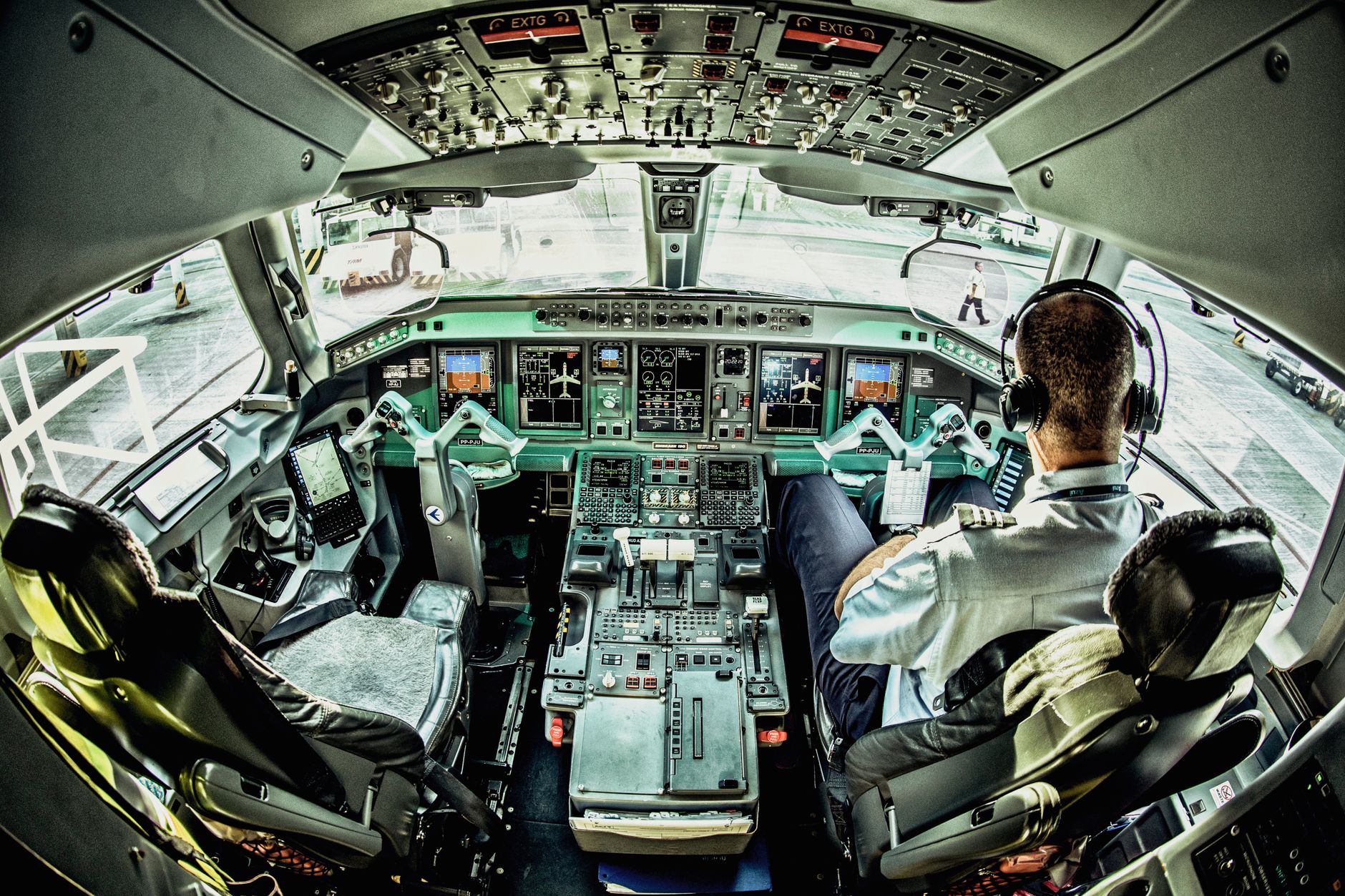
General aviation employers may expect broader individual responsibility. You could be asked about scheduled maintenance, defect rectification, inspections, customer communication, parts coordination, ageing aircraft, corrosion and modification status. Do not present general aviation as less regulated or less demanding. Explain how you control documentation, tooling, parts and follow-up actions when fewer layers of supervision are available.
Preparing for Avionics and Electrical Roles
Avionics interviews may cover electrical generation and distribution, communications, navigation, instruments, integrated modular avionics, wiring practices, data buses and fault isolation. Explain how you would:
- Interpret wiring diagrams and system schematics.
- Confirm the reported fault.
- Check power supplies, grounds, circuit protection and connectors.
- Use approved test equipment.
- Apply wiring inspection and repair standards.
- Protect sensitive electronic equipment.
- Record intermittent faults.
- Distinguish between a component failure and an installation fault.
Where appropriate, support your preparation with our guides to reading aircraft wiring diagrams and troubleshooting intermittent electrical faults.
Prepare for Questions About Training and Type Ratings
A typical UK or EASA pathway may involve:
- Completing relevant basic knowledge examinations or approved training.
- Gaining practical experience on operating aircraft.
- Maintaining an accurate and appropriately signed experience record.
- Applying for the applicable basic or blank Aircraft Maintenance Licence.
- Completing aircraft type training and practical elements where required.
- Applying for or adding the relevant type rating.
- Obtaining company certification authorisation after meeting organisational requirements.
Type ratings are particularly important for roles involving certification on specific aircraft. If you do not yet hold the required rating, explain whether you have completed training, are enrolled on a course or are seeking an employer-supported route. Review the current CAA Part-66 requirements or applicable EASA continuing airworthiness rules for your exact category and training history.
If you are still building your qualifications, explore Part 147 training schools and our guide to Part-66 examinations.
Demonstrate Human Factors and Professional Behaviour
Technical employers assess communication, influencing and negotiation because engineers must challenge unsafe decisions, coordinate several trades and explain delays to operations. Prepare examples of:
- Influencing a colleague to follow the correct procedure.
- Negotiating a realistic maintenance deadline.
- Challenging a more senior person respectfully.
- Resolving a disagreement over troubleshooting.
- Communicating a safety concern to management.
- Supporting a less experienced engineer.
- Managing fatigue or workload before it affects performance.
Avoid answers that portray the ideal engineer as someone who works alone and never questions instructions. Effective communication, escalation and teamwork are central to safe maintenance. The SKYbrary human factors resources can help you refresh the principles behind these questions. You may also find our guide to challenging compliance decisions safely useful.
Questions to Ask the Interviewer
- Which regulatory authority governs the organisation's approvals?
- What aircraft types and licence categories are most relevant to the role?
- How are practical experience and task records reviewed?
- What is the process for obtaining company certification authorisation?
- Are type training and continuation training provided?
- How are independent inspections and supervision managed?
- What is the organisation's process for reporting safety concerns?
- How are shift handovers and deferred defects controlled?
- How does the company support engineers progressing towards additional privileges?
These questions demonstrate that you are evaluating the maintenance system, not only the salary or job title.

Final Interview Checklist
Before the interview, confirm that you can explain:
- Your UK CAA, EASA or other applicable licence position.
- Your categories, subcategories and type ratings.
- The aircraft and systems on which you have practical experience.
- How your experience is recorded and signed.
- The difference between licence privileges and company authorisation.
- Your approach to approved maintenance data.
- Your response to time pressure and unsafe requests.
- Your experience with handovers, technical records and defect escalation.
- The sector-specific demands of the employer.
- Any gap between your current qualifications and the role's requirements.
- The next training or licensing step you intend to complete.
Planning your next aviation career move? Use the Aircraft Engineer Salary Calculator to assess your potential salary by experience and location.
Conclusion
An aircraft maintenance engineer interview is a technical, regulatory and behavioural assessment. Preparation for a commercial airline is not identical to preparation for a business jet operator, MRO, military organisation, helicopter company or general aviation business.
Present your licence status accurately, explain how your practical experience was gathered and recorded, and demonstrate how you control risk under pressure. The most convincing candidate is not necessarily the person with the longest list of qualifications. It is the engineer who can explain precisely what they have done, which authority and procedure applied, what they were authorised to certify and how their experience matches the employer's operational demands.
For more aviation career guidance, visit the AeroTech Careers Blog, or explore current aircraft mechanic jobs.




Login or register to join the conversation.
Join the discussion
0 comments