

.jpg)
If you’re a licensed aircraft engineer, mechanic, or avionics technician, create your free AeroTechCareers profile to showcase your competencies and be found by recruiters actively searching for engineers like you.
Aircraft Maintenance Manuals Explained: AMM, IPC, SRM and Wiring Diagrams
Aircraft mechanics rely on technical publications to inspect, troubleshoot, repair, remove and replace aircraft components safely and consistently. Each document has a specific purpose, and knowing when to use the Aircraft Maintenance Manual (AMM), Illustrated Parts Catalogue (IPC), Structural Repair Manual (SRM) or wiring diagrams is fundamental to effective aircraft maintenance.
Why Aircraft Maintenance Manuals Matter
Aircraft are maintained according to approved data, manufacturer instructions and applicable aviation regulations. A mechanic does not rely solely on experience or visual inspection when completing a critical task. The correct manual provides the approved method, required tools, safety precautions, inspection standards, torque values and reassembly instructions. EASA's continuing airworthiness rules provide an important regulatory reference for maintenance organisations and professionals.
This documentation supports:
- Safe and consistent maintenance practices
- Accurate troubleshooting
- Correct component identification
- Compliance with airworthiness requirements
- Proper recording of completed work
- Protection against maintenance errors
- Clear communication between maintenance teams
Manuals are frequently updated. Mechanics must confirm that they are using the current revision and the correct document for the aircraft model, configuration and serial number.
Aircraft Maintenance Manual (AMM)
The Aircraft Maintenance Manual, commonly called the AMM, is the primary source for performing maintenance tasks on an aircraft or its installed systems.
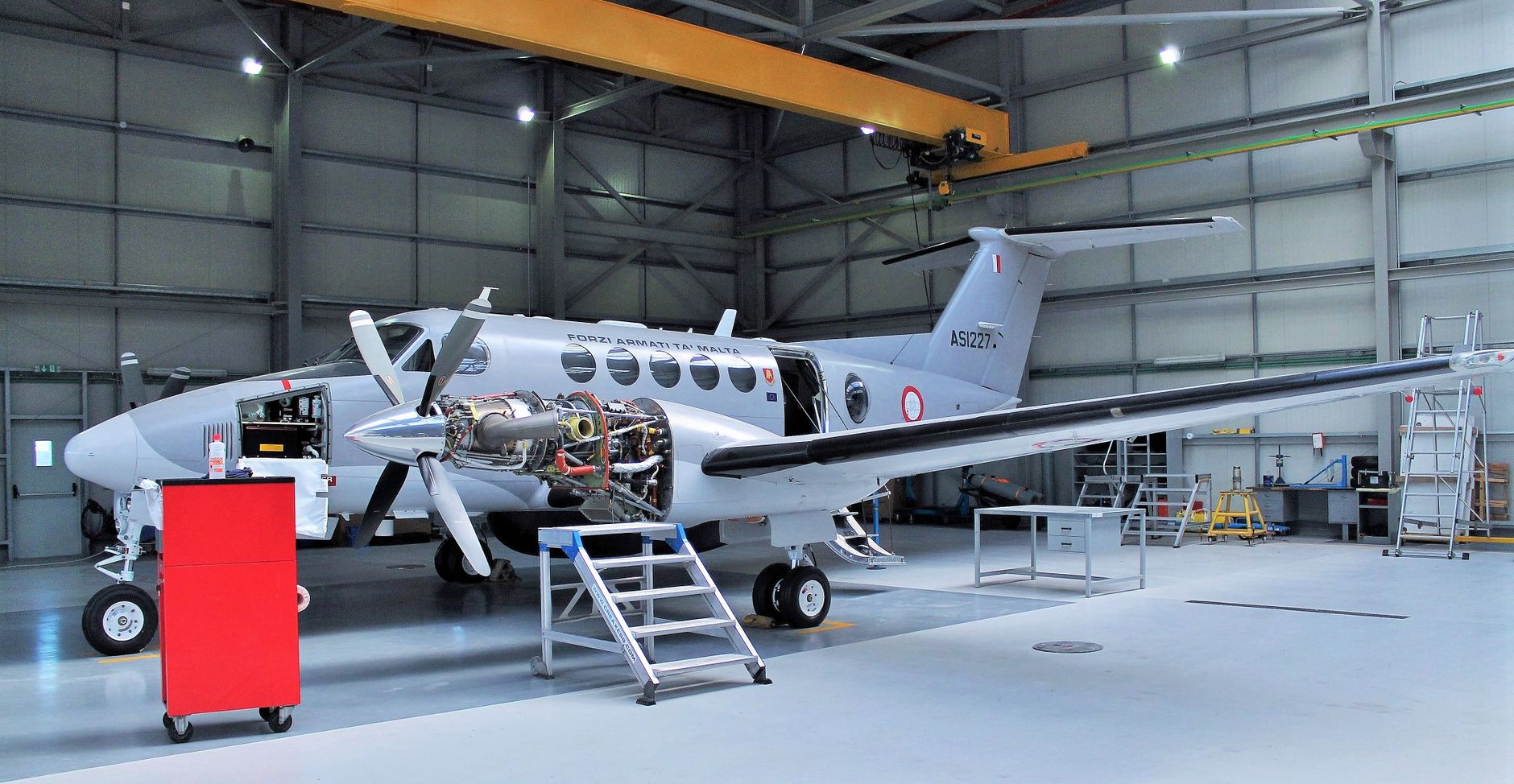
An AMM usually contains procedures for:
- Removing and installing components
- Inspecting aircraft systems
- Servicing fluids and lubricants
- Adjusting flight controls
- Testing equipment
- Performing operational checks
- Carrying out preventive maintenance
- Troubleshooting common defects
- Deactivating or restoring systems
For example, when replacing a hydraulic pump, the AMM may specify how to depressurise the system, gain access to the pump, disconnect the lines, remove the mounting hardware, install the replacement, refill the system and perform a leak or operational check.
What Mechanics Look for in an AMM
Before beginning a task, a mechanic may review:
- Task identification: the chapter, section, subject and task number
- Warnings and cautions: hazards involving fuel, electricity, pressure, heat or moving parts
- Required tools and equipment: including special tools and test equipment
- Consumables: such as sealants, oils, greases and cleaning agents
- Access requirements: panels, fairings, inspection doors or interior fittings that must be removed
- Detailed procedure: the approved sequence of work
- Inspection criteria: acceptable wear, damage, clearance or leakage limits
- Testing requirements: operational or functional checks after maintenance
- Close-up instructions: how to restore the aircraft to its normal configuration
An AMM is not a general guide. The mechanic must follow the specific procedure for the aircraft and task being performed. If the manual refers to another document, such as a wiring diagram manual or component maintenance manual, that reference should also be followed.
Preventive Maintenance and the AMM
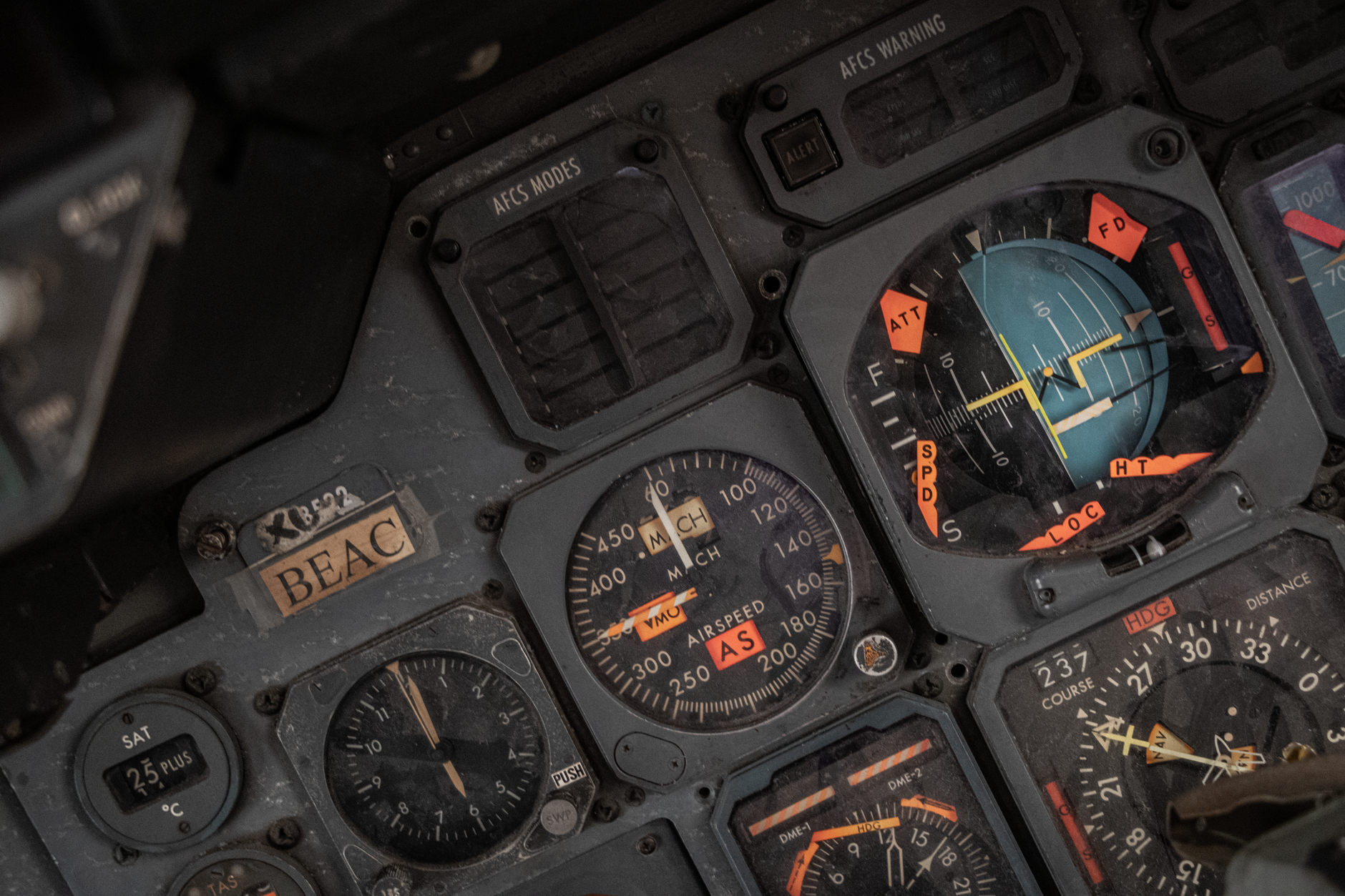
Not all maintenance is a response to a defect. Preventive maintenance reduces the likelihood of failure and helps keep aircraft systems reliable.
Examples include:
- Lubricating hinges, bearings and flight control components
- Cleaning filters and strainers
- Inspecting wiring for chafing
- Checking fluid levels
- Replacing scheduled-life components
- Inspecting corrosion-prone areas
- Testing emergency equipment
- Checking fasteners, clamps and attachment points
The AMM provides the correct interval, method and acceptance criteria for many of these activities. Preventive maintenance is especially important because small problems, such as loose hardware, damaged insulation or contamination, can develop into serious defects if ignored.
Illustrated Parts Catalogue (IPC)
The Illustrated Parts Catalogue, or IPC, identifies aircraft parts and shows how they are installed in relation to one another.
Unlike the AMM, the IPC generally does not provide a complete, step-by-step maintenance procedure. Instead, it helps the mechanic answer questions such as:
- What is the correct part number?
- Which components belong in this assembly?
- What hardware is required?
- Is a washer, seal, clamp or spacer missing?
- Are different part numbers used for different aircraft configurations?
- Is the component interchangeable or subject to a modification?
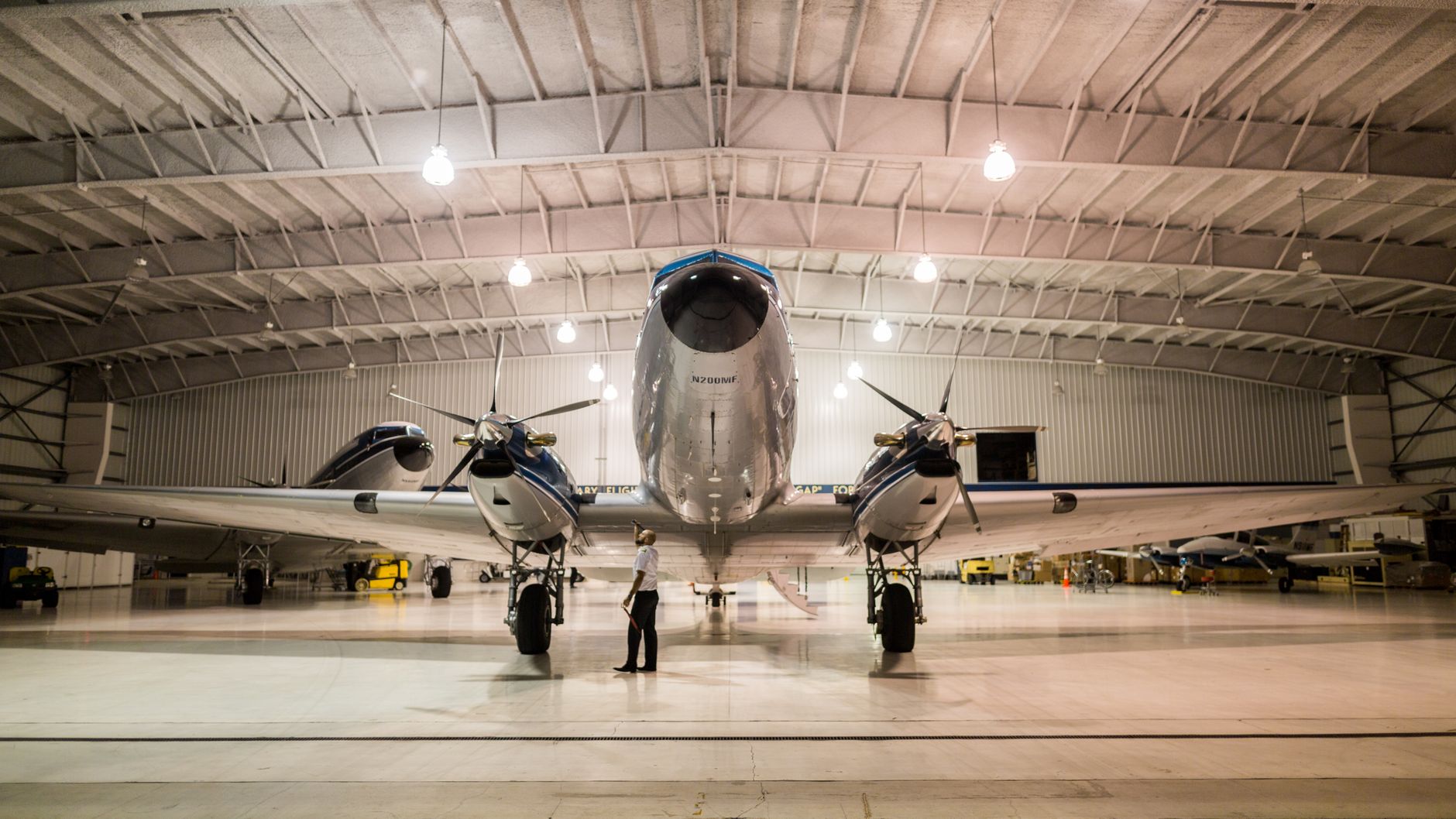
An IPC typically includes exploded illustrations with item numbers linked to a parts list. A mechanic may use it when ordering a replacement part or checking whether an assembly has been correctly configured.
Why IPC Accuracy Is Important
Aircraft often have multiple configurations because of production changes, operator modifications, service bulletins or customer options. Two aircraft of the same general model may not use exactly the same part.
For this reason, mechanics must check:
- Aircraft serial number
- Effectivity information
- Modification status
- Part number
- Serial number requirements
- Applicability notes
- Superseded or alternate parts
- Required installation hardware
The IPC and AMM are often used together. The IPC identifies the required component, while the AMM explains how to remove, install, inspect or test it.
Structural Repair Manual (SRM)
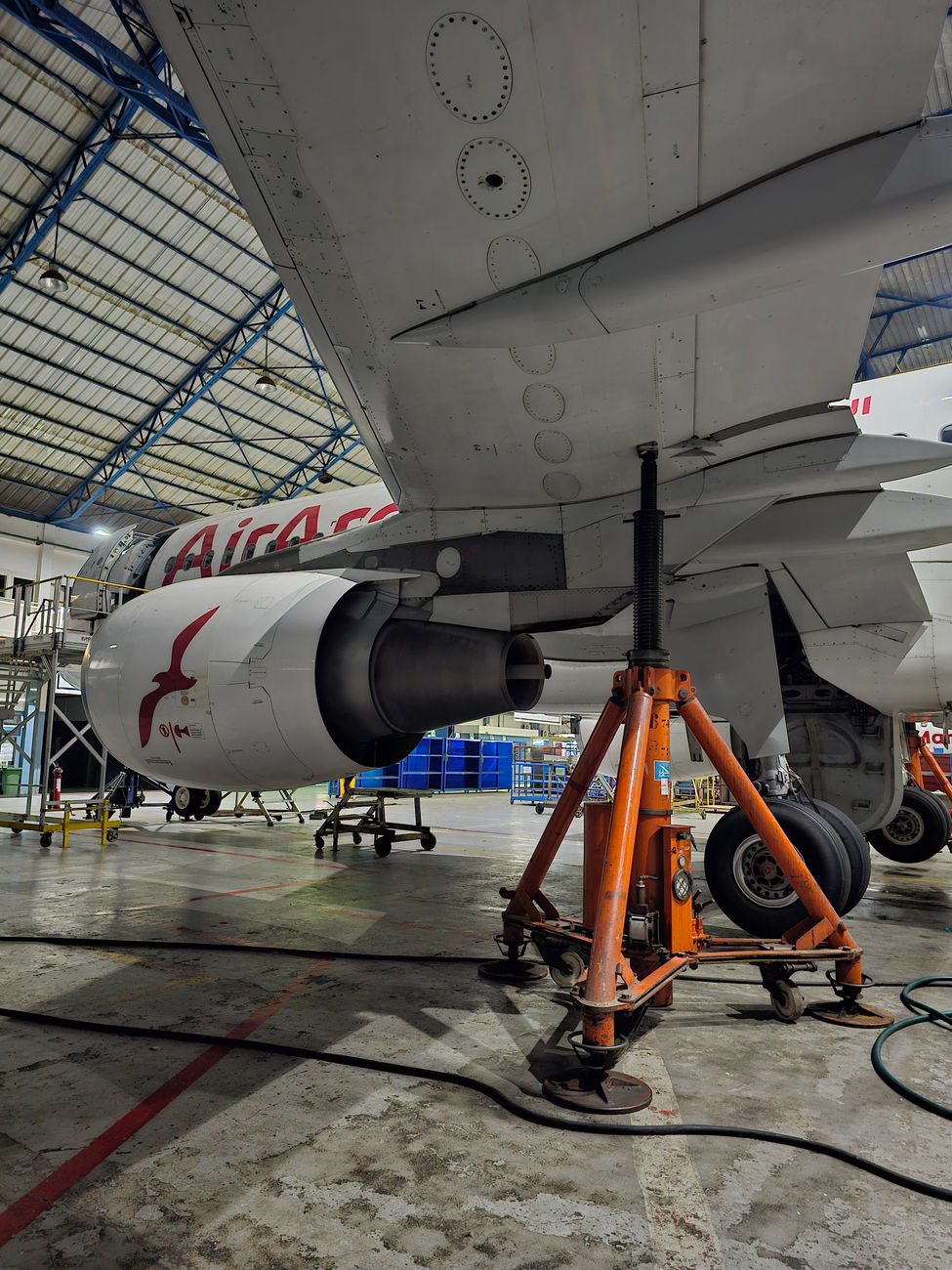
The Structural Repair Manual, or SRM, provides approved data for inspecting and repairing aircraft structure.
Aircraft structure includes:
- Fuselage skin and frames
- Wings and spars
- Ribs and stringers
- Doors and hatches
- Empennage structure
- Fairings and panels
- Landing gear attachments
- Pressure bulkheads
The SRM helps mechanics determine whether damage is within allowable limits and, if so, how it may be repaired. It can specify:
- Maximum allowable dent or scratch dimensions
- Crack limitations
- Corrosion removal requirements
- Repair material specifications
- Fastener type and spacing
- Edge distance requirements
- Doubler dimensions
- Hole preparation
- Acceptable blending limits
- Inspection methods
A dent in an aircraft skin may appear minor but could affect an underlying frame or create stress concentrations. The SRM allows the mechanic or engineer to determine whether the damage can be blended, repaired with a doubler, monitored or referred to the manufacturer. For a practical example of documenting and managing unscheduled damage, see this guide to the AOG protocol for engine cowling damage.

When SRM Data Is Not Enough
Not every type of damage is covered by standard SRM limits. Damage may exceed the published limits, affect a critical structural area or involve a configuration not addressed in the manual. In such cases, the repair may require approved engineering data, manufacturer instructions or a specific repair scheme.
A mechanic should never assume that a repair is acceptable simply because it looks strong or resembles a previous repair. Structural repairs must meet the aircraft's approved requirements.
Wiring Diagrams and Electrical Documentation
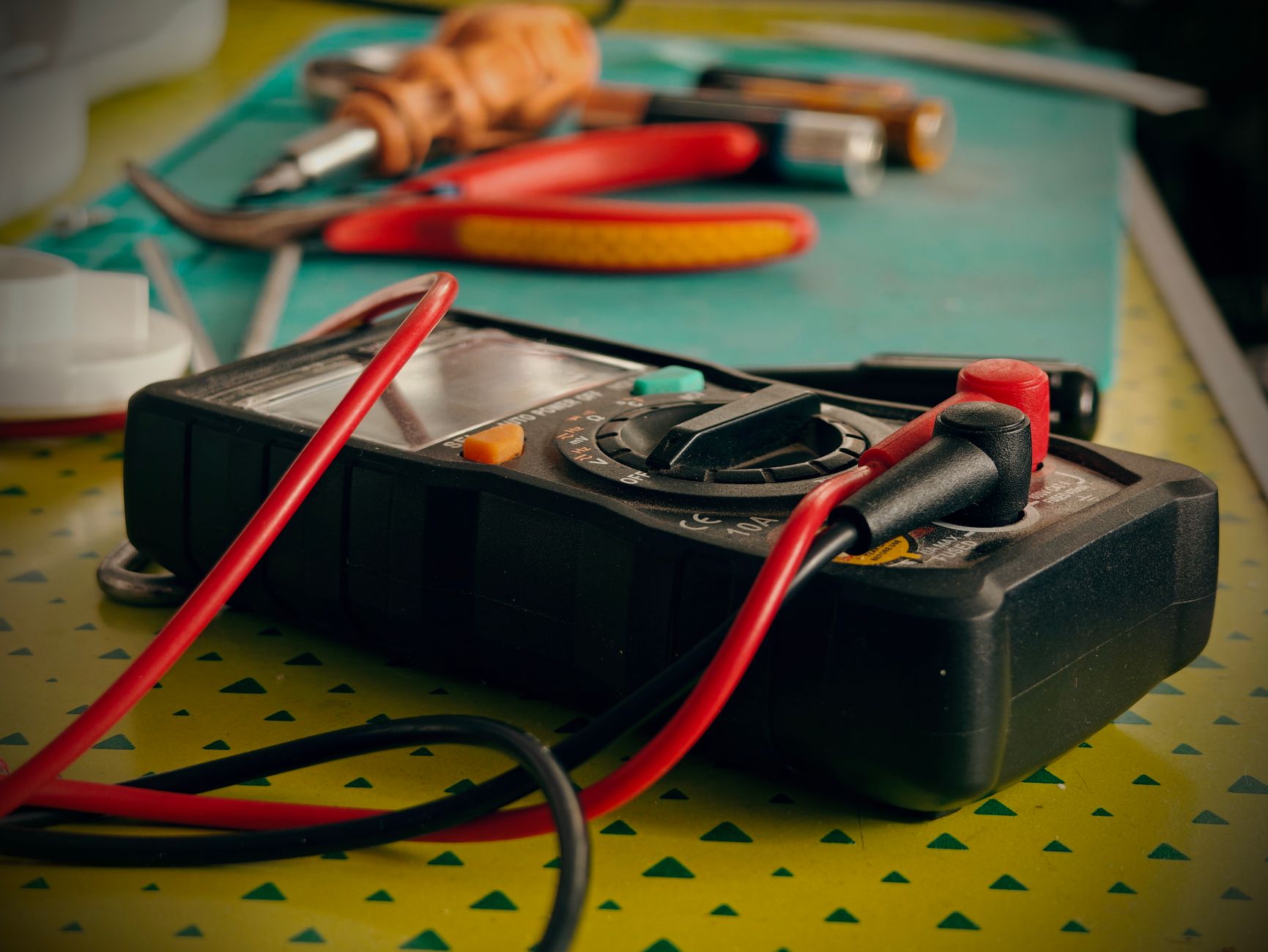
Aircraft wiring diagrams show how electrical power, signals, grounds, connectors, circuit protection and components are connected. Depending on the manufacturer, this information may appear in a Wiring Diagram Manual (WDM), Standard Wiring Practices Manual (SWPM), system schematic or another electrical reference.
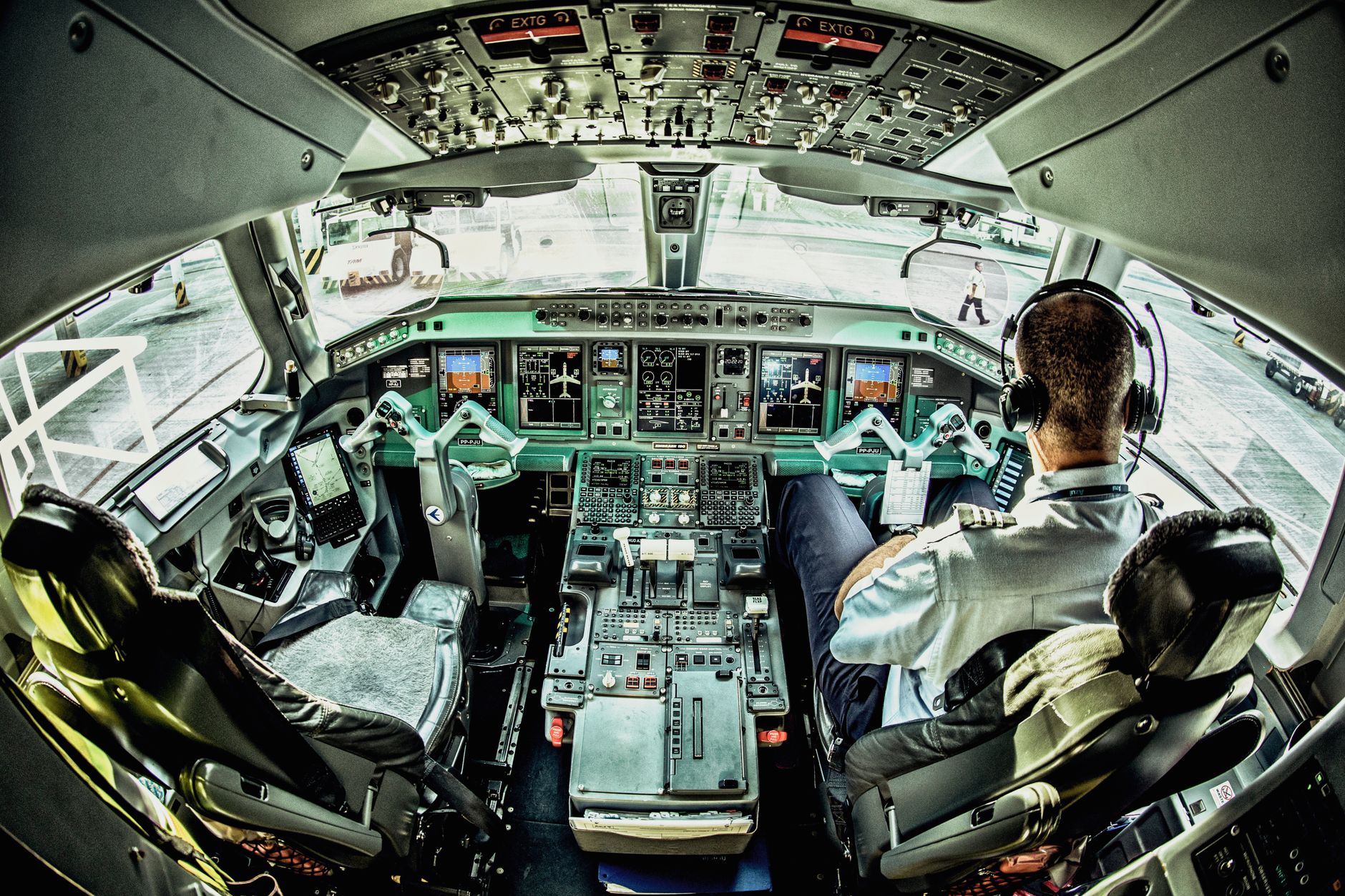
Wiring documentation is used to:
- Trace power from a source to a component
- Identify connector pins and wire numbers
- Locate circuit breakers and relays
- Check grounding points
- Diagnose open circuits and short circuits
- Verify shielding and bonding
- Confirm wire routing
- Identify splice locations
- Support continuity and insulation-resistance checks
Electrical troubleshooting requires careful interpretation. A diagram may show the logical connection between components, while a separate wiring installation document may show the physical routing and location of the wires. Mechanics often need both sources. For more detail, read this step-by-step guide to aircraft wiring checks.
Common Wiring Faults
Typical aircraft electrical defects include:
- Chafed insulation
- Loose or backed-out pins
- Corroded terminals
- Poor bonding
- Damaged shielding
- Incorrectly installed splices
- Open circuits
- Short circuits
- Fluid contamination
- Heat damage
Before testing, mechanics must follow the applicable safety precautions. Aircraft power may need to be isolated, circuit breakers protected and sensitive equipment disconnected. The wiring documentation and AMM together provide the correct test method and expected results.

SRM Has Two Different Meanings in Aviation
The abbreviation SRM can refer to two different aviation concepts.
In aircraft maintenance, SRM means Structural Repair Manual. In flight operations and pilot training, SRM means single-pilot resource management.
Single-pilot resource management is the use of all available resources by one pilot, including onboard equipment, checklists, air traffic control, passengers, weather information and outside assistance. It includes:
- Situational awareness
- Communication
- Decision-making
- Task management
- Risk management
- Use of standard operating procedures
In multi-crew operations, the comparable term is crew resource management (CRM). CRM focuses on communication, teamwork, task allocation and decision-making among the flight crew and other relevant personnel. SKYbrary's overview of crew resource management provides additional safety context.
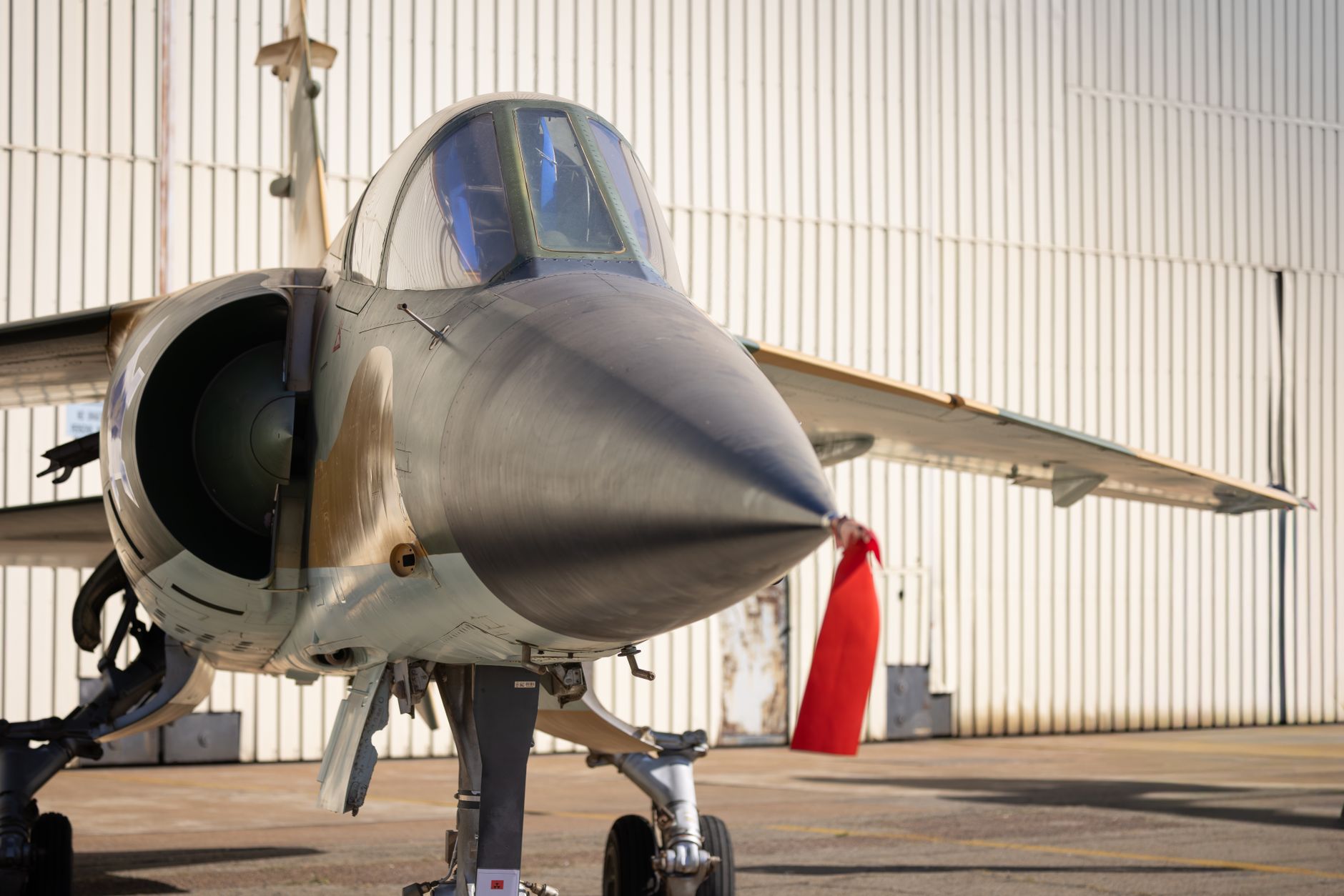
This distinction matters because a maintenance professional may encounter SRM in either a structural repair document or a flight-training standard. The surrounding context determines which meaning applies.
How Maintenance Documentation Supports Flight Operations
Aircraft maintenance manuals are used by mechanics, but their work directly supports the pilot's ability to operate the aircraft safely. Flight-training standards also emphasise disciplined procedures, checklist use, aircraft control and resource management.
For example, the FAA Airman Certification Standards include performance expectations such as:
- Maintaining appropriate airspeed within +0/-10 knots
- Levelling off at a specified altitude within ±100 feet
- Completing the appropriate checklist
- Using SRM or CRM as appropriate
The standards also expect pilots to maintain positive aircraft control during landing, use drag and braking devices appropriately and apply runway incursion avoidance procedures where applicable.
These are pilot-performance requirements rather than maintenance procedures, but they illustrate a shared aviation principle: safety depends on accurate information, procedural discipline and effective use of available resources. A properly maintained aircraft, a correctly completed checklist and sound decision-making all contribute to the same safety objective.
A Typical Workflow for Using the Manuals
A mechanic may use several documents during one maintenance task:
- Review the reported defect and confirm the aircraft configuration.
- Check the AMM for troubleshooting and removal or installation instructions.
- Use the IPC to identify the correct replacement component and hardware.
- Consult wiring diagrams if the fault involves electrical power, signals, connectors or wiring.
- Check the SRM if the defect involves aircraft structure.
- Review referenced documents, such as service bulletins, component manuals or standard practices.
- Complete the required inspections and tests.
- Record the work in the appropriate maintenance documentation.
The correct manual is useful only when it is current, applicable and read in full. Skipping warnings, effectivity notes or close-up instructions can introduce new hazards.

Skills Required to Read Aircraft Manuals
Aircraft mechanics develop several skills to work effectively with technical documentation:
- Technical reading and interpretation
- Familiarity with aircraft systems
- Ability to understand diagrams and symbols
- Accurate measurement
- Part-number research
- Digital document navigation
- Attention to revision status
- Clear maintenance recording
- Methodical troubleshooting
- Effective communication with other teams
Modern manuals are often electronic and may include hyperlinks, searchable task numbers, interactive illustrations and revision tracking. Even so, the basic principles remain unchanged: identify the correct data, follow the approved procedure and verify the result.
The Foundation of Safe Aircraft Maintenance
The AMM, IPC, SRM and wiring diagrams each provide a different type of information:
- AMM: how to maintain, inspect, remove, install and test aircraft systems
- IPC: which parts and hardware belong to an assembly
- SRM: how to assess and repair structural damage
- Wiring diagrams: how electrical systems are connected and how faults can be traced
Together, these documents provide the information aircraft mechanics need to perform accurate, compliant and safe maintenance. Aircraft maintenance is more than replacing parts. It requires technical knowledge, careful judgement, teamwork and consistent adherence to approved procedures. Accurate maintenance records are equally important, so professionals should also review how to complete a CAP 741 logbook.




Login or register to join the conversation.
Join the discussion
0 comments