

If you’re a licensed aircraft engineer, mechanic, or avionics technician, create your free AeroTechCareers profile to showcase your competencies and be found by recruiters actively searching for engineers like you.
Just Culture in Aircraft Maintenance: How to Challenge Compliance Decisions Safely
In aircraft maintenance, challenging a compliance decision is not an act of resistance. It can be a necessary safety intervention, provided it is handled through controlled, documented and respectful channels.
Maintenance personnel often work within overlapping systems, including approved maintenance data, Part-145 procedures, continuing airworthiness arrangements, regulatory requirements and local management decisions. A disagreement may concern the interpretation of Acceptable Means of Compliance (AMC), Guidance Material (GM), an approved maintenance programme, a technical instruction or the limits of an individual's authorisation.
Just Culture does not remove those controls. It provides a fair way to question them without creating fear of blame.
What Just Culture means in maintenance
James Reason described Just Culture as an atmosphere of trust in which people are encouraged to provide essential safety information, while remaining clear about the boundary between acceptable and unacceptable behaviour.
That distinction is fundamental. An engineer who identifies a possible procedural weakness should not be treated in the same way as someone who knowingly signs an aircraft release without the required evidence.

A fair response should distinguish between:
- An honest mistake or misunderstanding
- A one-off lapse in an otherwise safe working pattern
- A conscious violation of a procedure to save time or avoid inconvenience
- Reckless conduct or deliberate concealment
- A good-faith report about a safety or compliance concern
The circumstances of a report may indicate that further training is needed, or that an individual's authorisation or licence requires review. However, any action should be corrective and proportionate, not punitive simply because a person raised a concern. This approach is consistent with the UK CAA's Mandatory Occurrence Reporting guidance.
What may legitimately be challenged?
Not every disagreement is a Just Culture issue. A challenge should normally concern a specific decision, interpretation or condition that may affect safety, airworthiness or compliance. Examples include:
- An instruction to use maintenance data that does not appear applicable to the aircraft configuration
- A proposed deviation from an approved procedure without evidence of an approved alternative
- Pressure to certify work before required inspections, tests or records are complete
- A disagreement over whether a task requires an independent or duplicate inspection
- An interpretation of AMC or GM that appears to conflict with the applicable regulation or approved organisational procedure
- A decision to defer a defect without meeting the conditions of the Minimum Equipment List or approved procedure
- A request to sign for work not personally performed, supervised or verified within the person's authorisation
- An instruction to close or alter a safety report before the technical facts have been established
In a UK or EASA environment, the first question should be: What is the controlling requirement?
That may be:
- The applicable regulation or Airworthiness Directive
- Approved design or maintenance data
- The organisation's approved exposition, such as a Part-145 Maintenance Organisation Exposition
- The operator's approved continuing airworthiness procedures
- A competent authority instruction or formal approval
- Non-binding material such as AMC or GM, where relevant to the interpretation
AMC and GM are important, but they should not automatically be treated as interchangeable with the regulation itself. Equally, calling something guidance does not justify ignoring it where the organisation has incorporated it into an approved procedure or where it provides the accepted method of demonstrating compliance. The EASA explanation of AMC and GM is a useful reference when resolving that distinction.
Where a concern relates to an independent inspection, the organisation's approved procedures, authorisation limits and competence requirements must be checked. For further context, see who can perform an independent inspection in aircraft maintenance.

A safe method for challenging a decision
1. Stop the immediate unsafe action
If the proposed action could affect airworthiness, do not sign, certify, remove a required inspection or authorise release merely to avoid delay.
Use clear, factual language:
“I am not able to certify this task until the applicable data and inspection requirements have been confirmed.”

This identifies the specific barrier and leaves the decision open to technical resolution. Where appropriate, place the aircraft, component or task in a controlled hold status. The aim is to prevent an irreversible action while avoiding unnecessary disruption to other work.
2. Identify the exact point of disagreement
Avoid general statements such as “This is not legal” or “That is unsafe”. Instead, record:
- Aircraft or component identification
- Task or defect reference
- Applicable maintenance data and revision status
- The decision being challenged
- The specific requirement that appears unclear or unmet
- Any immediate safety consequence
- The action needed to resolve the issue
A precise challenge is easier for certifying staff, technical services, quality personnel or the continuing airworthiness management organisation (CAMO) to assess.

3. Ask for the decision owner
The person giving an instruction may not hold the authority to interpret the requirement or approve an alternative method. Escalate through the organisation's defined technical chain, which may include:
- The certifying staff supervisor
- Maintenance control
- Engineering or technical services
- The Part-145 compliance monitoring or quality function
- The CAMO
- The accountable manager or nominated postholder, where necessary
The challenge should remain professional and private where possible. Public confrontation can discourage others from raising concerns and may turn a technical issue into a personal dispute.
4. Request a documented technical decision
A verbal instruction should not be the end of the process where the issue affects airworthiness or certification. Ask for the decision, rationale and supporting data to be recorded in the appropriate system.
This might be:
- A technical query
- A non-routine task card
- A work order clarification
- A quality or compliance finding
- A safety report
- A formal engineering instruction
- A CAMO or Part-145 decision recorded under the organisation's procedures
A written decision creates traceability. It also protects the individual who raised the concern and the manager who resolved it. Accurate records are particularly important when defects are deferred under an MEL, as explained in how aircraft engineers defer defects using the MEL.
5. Do not create an unauthorised alternative
Just Culture does not permit an engineer to invent a workaround. If approved data is inadequate, unavailable or apparently unsuitable, the matter should be referred to the approved design organisation, operator, CAMO, Part-21 organisation or other competent authority, as applicable.
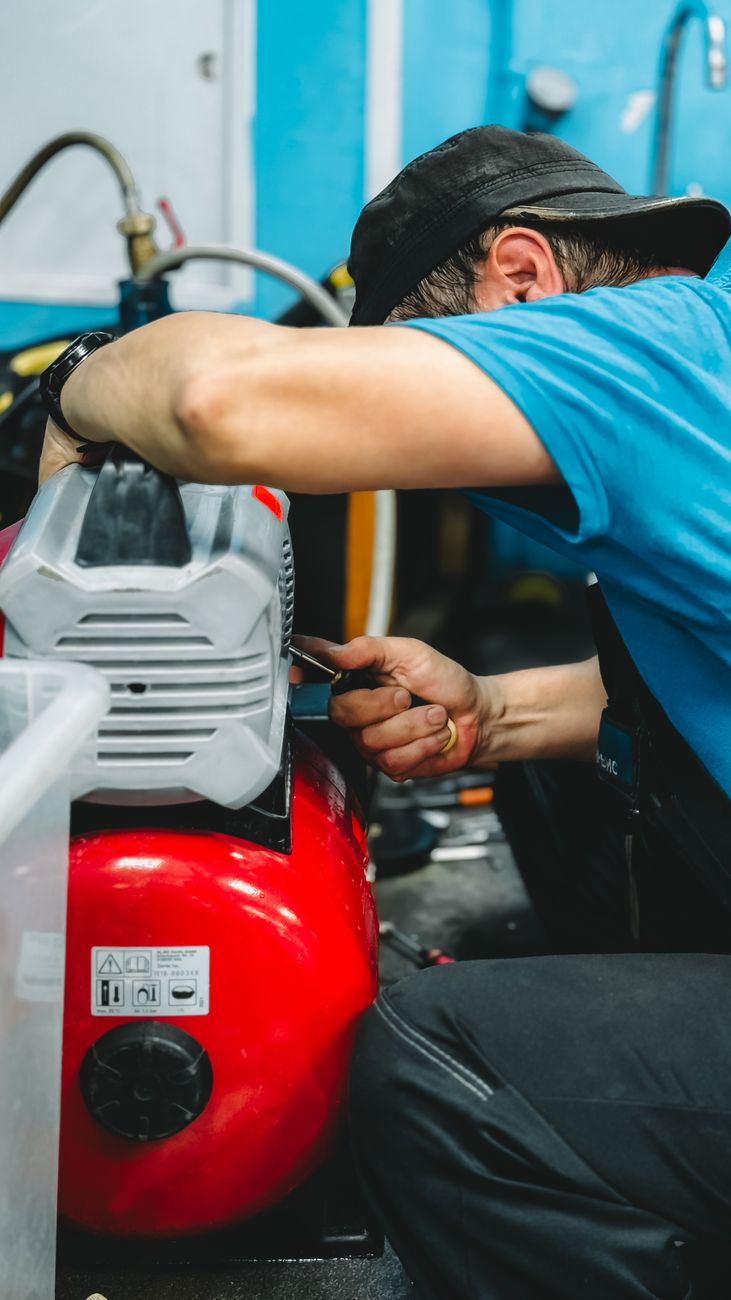
Personnel should not:
- Modify a task without approval
- Substitute materials or parts without the required evidence
- Use an obsolete revision because it is more convenient
- Remove a required inspection
- Sign for work not completed
- Release an aircraft on the assumption that someone else will correct the records later
The safest challenge pauses the decision while preserving the aircraft's technical status. Maintenance teams should also understand which document controls the work, including the AMM, IPC, SRM and wiring diagrams. See aircraft maintenance manuals explained for an overview.
Using reporting systems without fear
A safety reporting system should not be treated as a disciplinary trap. Good Just Culture arrangements normally provide:
- Confidentiality or de-identification where appropriate
- Separation between those collecting and analysing reports and those imposing disciplinary sanctions
- A clear management commitment to safety
- Feedback to the person who reported the concern
- A defined process for deciding whether conduct was an error, at-risk behaviour or reckless behaviour
This separation is particularly important. If engineers believe that every report will be used against them, they may remain silent until a defect, procedural weakness or organisational pressure produces an incident.
In the UK, a report may need to be considered under the organisation's Mandatory Occurrence Reporting arrangements and CAP 382 principles. In an EASA Member State, the applicable occurrence-reporting system must also be considered. EASA provides an overview of the European occurrence-reporting framework. An internal maintenance organisation report does not automatically replace a mandatory regulatory report.
The person making the report should state what was observed, not speculate about motive. For example:
“The task was signed as complete before the required independent inspection was recorded.”

This is stronger and fairer than:
“The supervisor deliberately bypassed the inspection.”
Human factors such as pressure, poor handovers and authority gradients can influence how concerns are raised and received. Read more about human factors in independent inspection failures.

When management challenges the challenge
A difficult situation arises when a manager insists that work proceed despite a documented technical concern. The response should be structured:
- Restate the technical issue calmly.
- Identify the applicable procedure or approved data.
- Confirm that certification or release cannot be provided until the issue is resolved.
- Ask for the instruction to proceed to be recorded.
- Escalate through quality, compliance monitoring, the CAMO or accountable management system.
- Submit a safety report or occurrence report if the threshold is met.
A refusal to sign outside one's competence, authorisation or available evidence is not automatically insubordination. It may be the correct professional response.
However, personnel should accept a properly reasoned technical decision that resolves the concern. Just Culture protects good-faith reporting; it does not guarantee that every challenge will be upheld.
Training and organisational competence
Organisations cannot expect personnel to challenge compliance decisions effectively if they have not been trained to understand the relevant regulatory structure. The EASA maintenance organisation guidance provides useful regulatory context for approved maintenance activities.
Training may cover aircraft maintenance management, Part-21 and Part-26 requirements, Part-147 and Part-66 regulations, stores and incoming inspection, or aircraft structure repair and maintenance. Such courses can support understanding of who may make a decision, what evidence is required and when an issue must be escalated.
Training does not replace organisation-specific procedures, authorisations or approved data. For UK licence holders, the governing licensing framework is UK CAA Part-66. EASA Part-66 applies within the EASA system. Neither licence framework, by itself, authorises a person to disregard the maintenance organisation's approved procedures or certify work outside their approval and authorisation. Refer to the UK CAA Part-66 guidance and EASA Part-66 information for the applicable licensing context.

Accurate experience records also support competence and licensing applications. Engineers can review their records with Part 66 Logbook Analysis or try the Part 66 Logbook Analysis demo.
Ready to check your maintenance experience records?
Analyze Your Logbook Today!
The standard to aim for
A healthy maintenance organisation should make it easier to raise a concern than to conceal one.
That means a person should be able to say:

“I have identified a compliance concern. I will not certify the task until the requirement is clarified, and I will record the issue through the approved reporting route.”
Management should then be able to respond without defensiveness:
“The concern has been recorded, the technical basis has been reviewed, and the decision and rationale are traceable.”
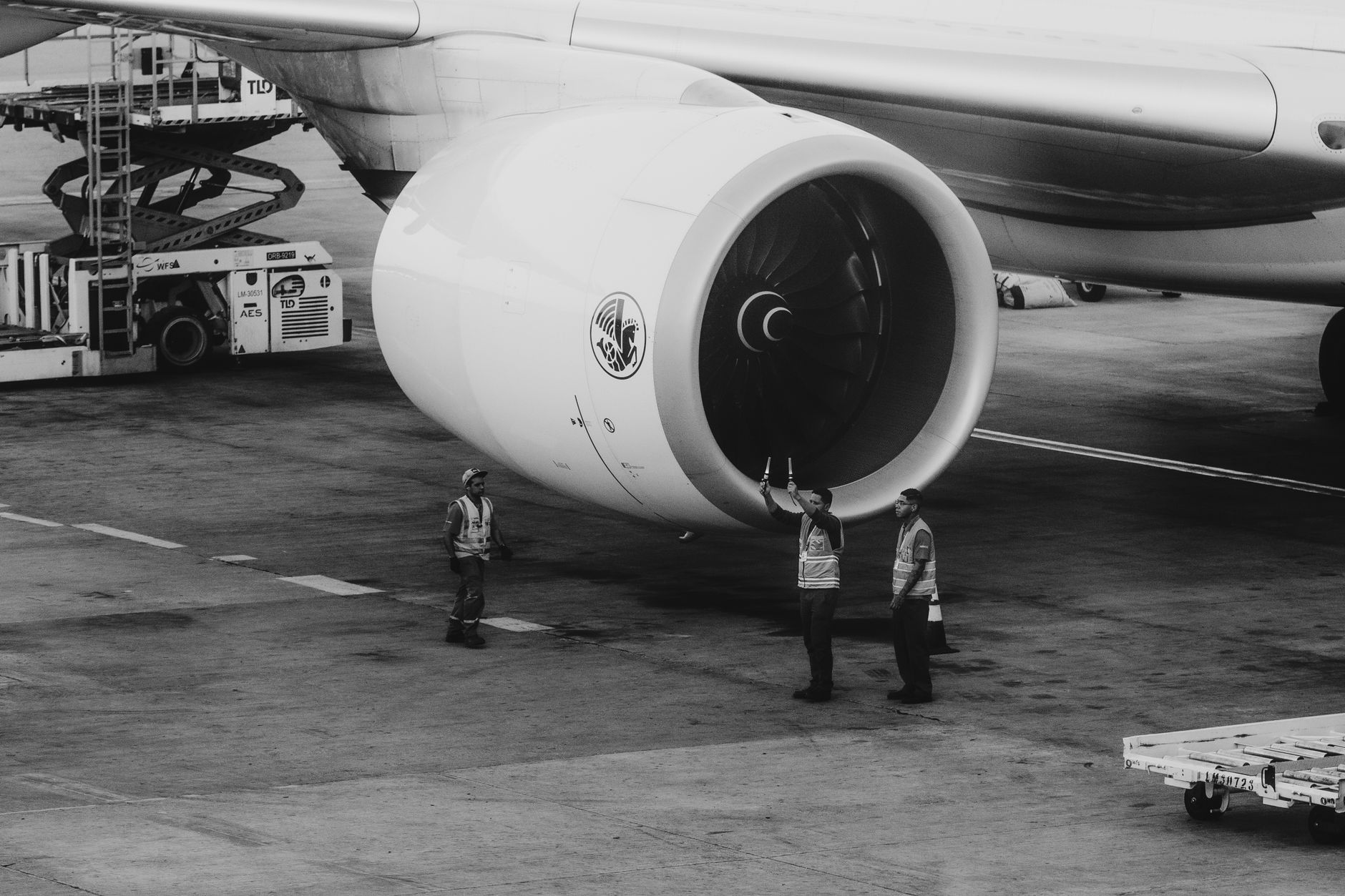
That is Just Culture in practice. It protects airworthiness by allowing legitimate challenge, while preserving accountability for deliberate violations, reckless behaviour and concealment. The objective is not to prevent every disagreement. It is to ensure that disagreements are resolved with evidence, authority and fairness before they become an aircraft safety problem.
For more practical guidance on safety-critical maintenance work, explore why aircraft maintenance is safety-critical and visit the AeroTech Careers Blog.



Login or register to join the conversation.
Join the discussion
0 comments