

.jpg)
If you’re a licensed aircraft engineer, mechanic, or avionics technician, create your free AeroTechCareers profile to showcase your competencies and be found by recruiters actively searching for engineers like you.
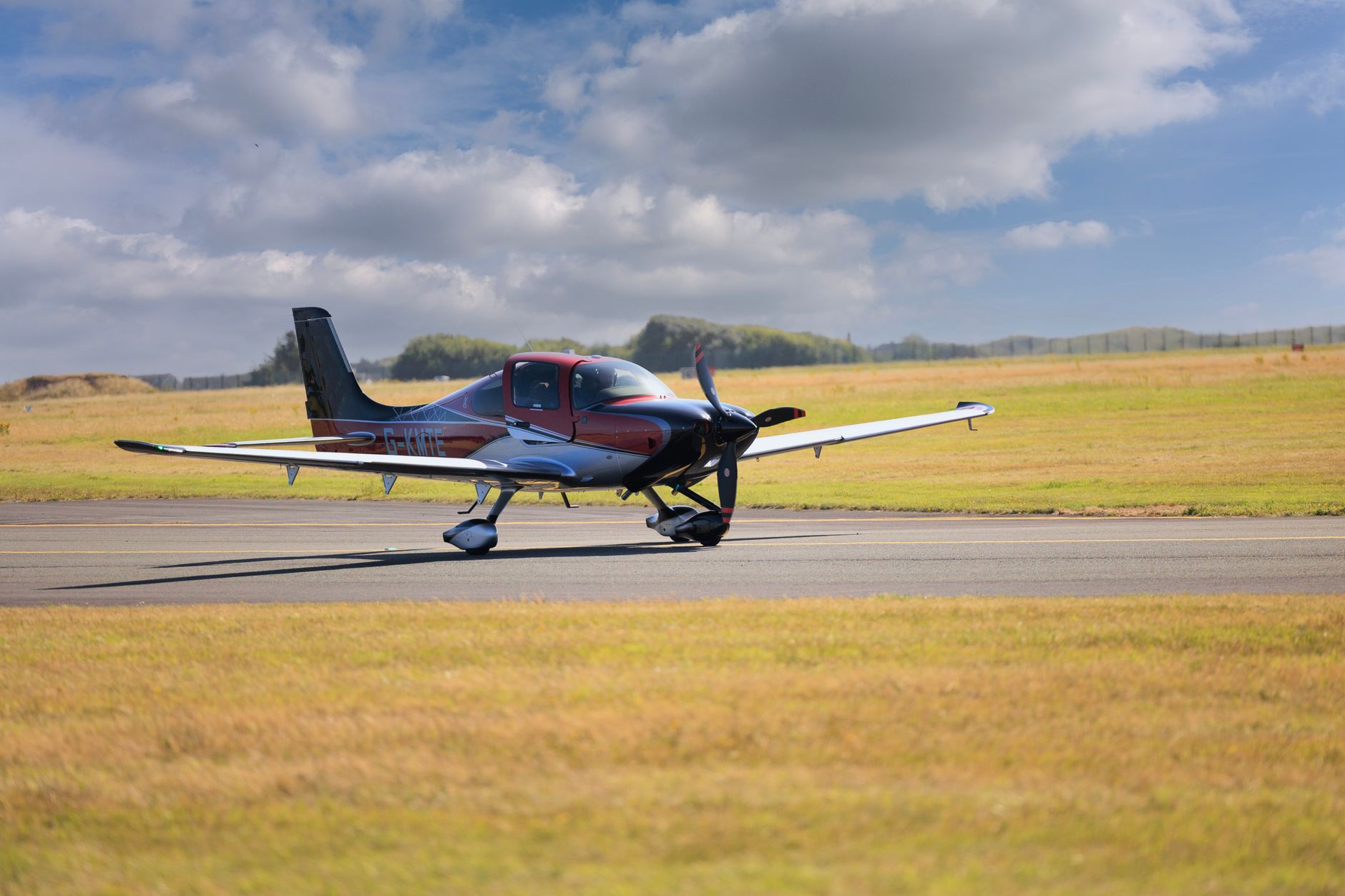
UK Part-66 A licence categories explained: A1, A2, A3 and A4
If you want to return aircraft to service without waiting years to qualify as a senior B1 or B2 engineer, a UK Part-66 A licence may be a suitable starting point.
An A licence allows you to certify certain minor scheduled line maintenance tasks and simple defect rectification on aircraft covered by your authorisation. In practical terms, it may allow you to certify work you have personally performed, provided that the task, aircraft and maintenance organisation fall within the approved scope.
There are four main A licence categories:
- A1: Turbine-engined aeroplanes
- A2: Piston-engined aeroplanes
- A3: Turbine-engined helicopters
- A4: Piston-engined helicopters
Here is what each category means and how the categories fit into the wider Part-66 licensing system. For the current UK regulatory framework, consult the UK CAA Part-66 aircraft maintenance licence guidance.
What is a UK Part-66 A licence?
A Part-66 A licence is an aircraft maintenance licence for certifying minor scheduled line maintenance and simple defect rectification.

It has a narrower scope than the B1 and B2 categories. A licence holders do not have the same broad privileges as B1 mechanical or B2 avionic engineers. Their certification privileges are focused on specified tasks covered by the licence and the maintenance organisation's authorisation. For more detail, see our guide to UK Part-66 A licence privileges and limitations.
Typical work may include:
- Wheel and tyre changes
- Brake pack replacement
- Replacement of life vests and other emergency equipment
- Oxygen system servicing
- Simple defect rectification
- Replacement of line-replaceable units where the task is approved
- Specified inspection, servicing and component replacement tasks
The work you can certify depends on three factors:
- Your Part-66 licence category
- Your aircraft type or group rating
- Your employer's maintenance authorisation and task list
An A licence does not give you unrestricted permission to work on every aircraft within its broad category. You must establish that the aircraft, system and task are within your licence privileges, ratings and maintenance authorisation, in accordance with the applicable Part-66 requirements, including 66.A.20 and 66.A.45.
Category A1: turbine-engined aeroplanes
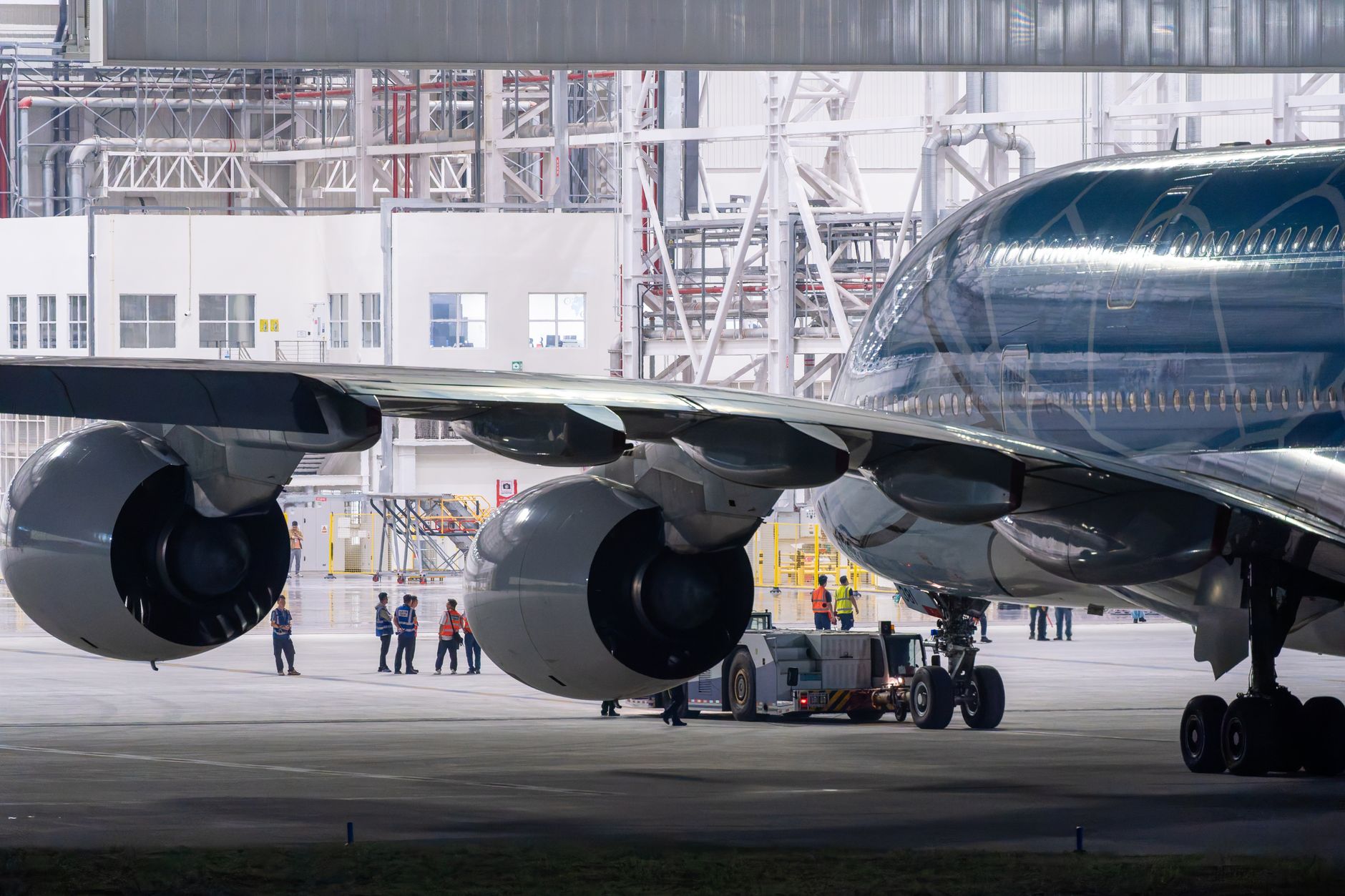
Category A1 is for turbine-engined aeroplanes.
This is the category most commonly associated with commercial airline line maintenance. It can cover aircraft powered by turbofan or turbojet engines, including those used by major passenger and cargo airlines.
An A1 licence may be relevant to engineers working on:
- Airbus A320 family aircraft
- Boeing 737 family aircraft
- Regional turbine aircraft
- Other turbine-powered aeroplanes, subject to the relevant rating or group approval
Airline aircraft often have short turnarounds between flights. Maintenance teams therefore need engineers who can complete and certify approved minor tasks efficiently and accurately.
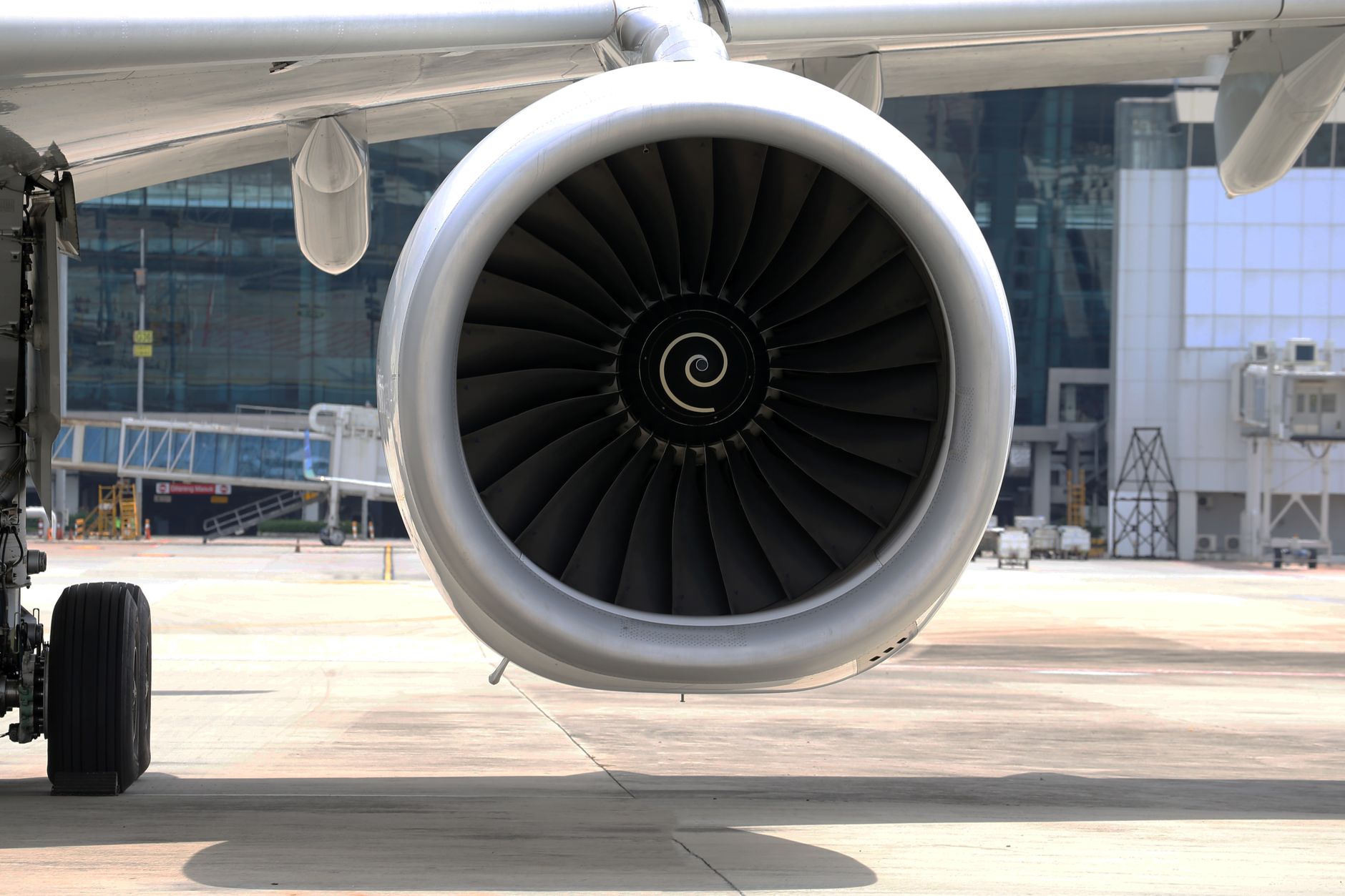
Depending on the authorisation, examples may include:
- Replacing wheels, tyres or brake assemblies
- Replacing emergency equipment
- Rectifying straightforward defects
- Carrying out specified servicing tasks
- Replacing approved components during line maintenance
The task must be one that the organisation has authorised you to certify. Holding an A1 licence alone does not allow you to certify every task on every turbine aeroplane.
A1 and avionics work
An A licence holder may encounter substantial avionic equipment during line maintenance. That does not confer broad B2-style avionic privileges.
Engineers working towards higher categories may need experience with systems that transfer, process, display or store analogue or digital data. This may include:
- Line-replaceable units
- Interfaces and connectors
- Data lines and data buses
- Coaxial cables
- Wireless transmission systems
- Aircraft wiring and wiring protection
- System components and associated interfaces
Such experience may be relevant to B2 and related licensing routes. An A1 licence remains limited to the tasks covered by the licence and maintenance authorisation.
Category A2: piston-engined aeroplanes
Category A2 applies to piston-engined aeroplanes.
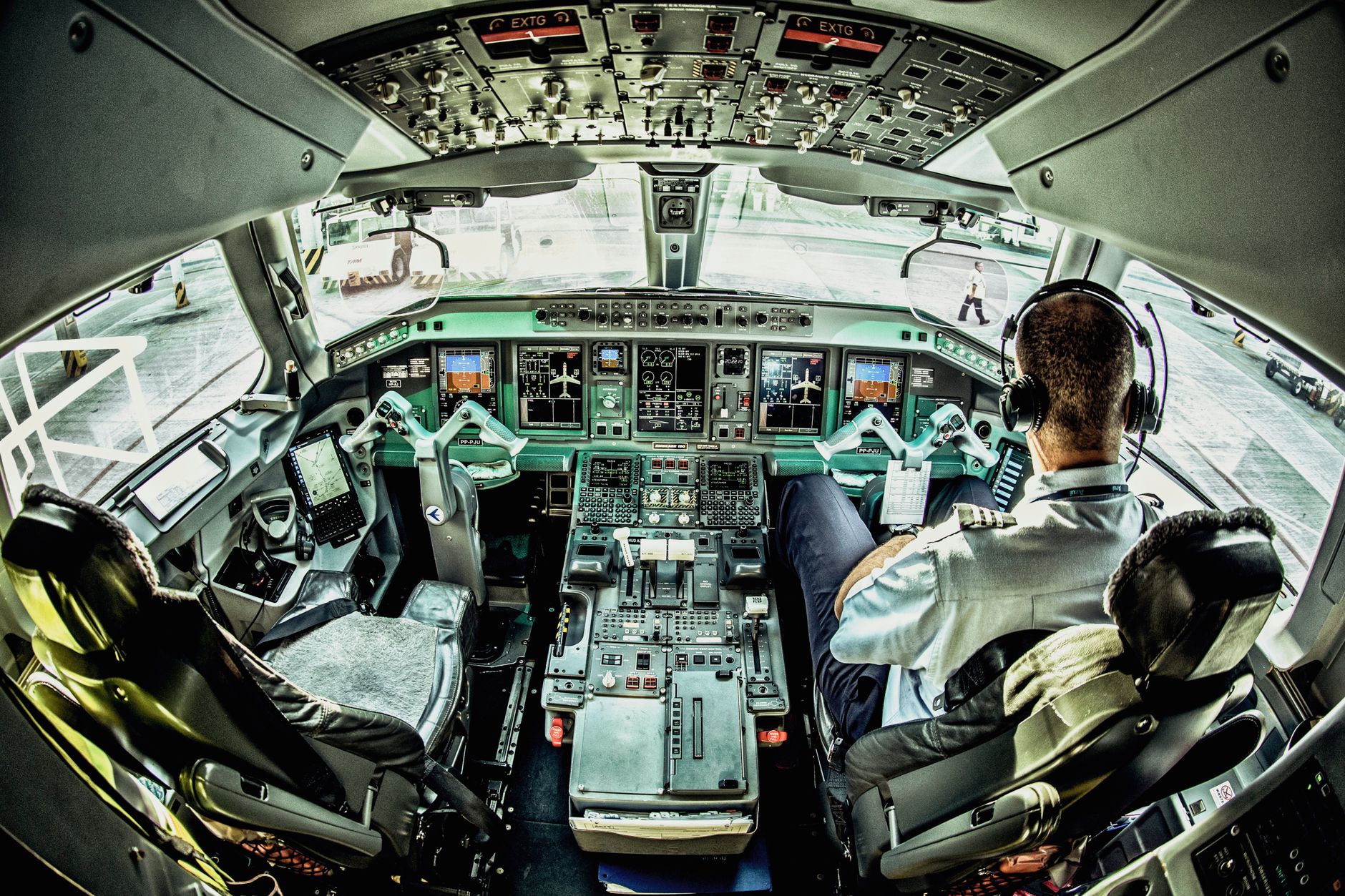
These aircraft are commonly used in general aviation, flying schools, private operations and smaller maintenance organisations. They may be single-engine or multi-engine aircraft, depending on the aircraft rating, group rating and organisation approval.
An A2 engineer may work on tasks such as:
- Wheel and brake replacement
- Servicing and replenishment
- Replacement of approved components
- Minor scheduled line maintenance
- Simple defect rectification
- Replacement of selected cabin or safety equipment
Category A2 can be a useful starting point for engineers entering general aviation. The work may be varied, but the fundamental rule remains the same: the licence does not replace the need for an appropriate aircraft rating and company authorisation.

A person holding a B1.3 licence with the appropriate group ratings may be able to extend their privileges to other rotorcraft within the same category, subject to the Part-66 requirements and any applicable limitations. That is a B-category route rather than an A2 privilege, but it illustrates why aircraft and group ratings matter as much as the headline licence category.
Category A3: turbine-engined helicopters
Category A3 is for turbine-engined helicopters.
This category may be relevant to engineers supporting:
- Utility helicopters
- Offshore and energy-sector operations
- Emergency medical services
- Police and military-support contractors
- Commercial passenger helicopters
- Corporate and VIP rotorcraft
A3 certification work remains limited to minor line maintenance and simple defect rectification within the approved scope. Depending on the aircraft and authorisation, this may involve replacing approved components, carrying out servicing tasks or rectifying straightforward defects.
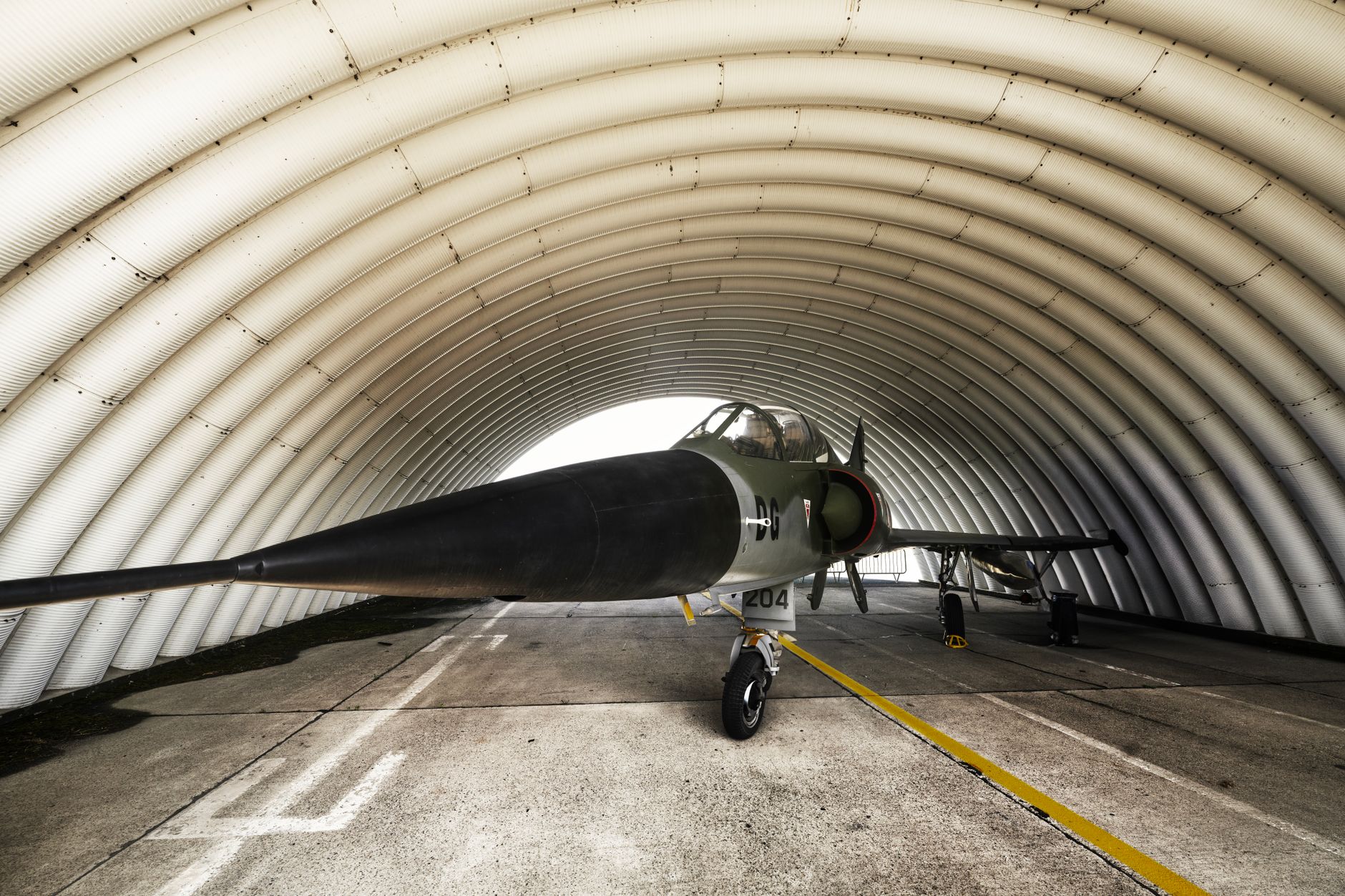
Helicopter maintenance can involve restricted access, vibration, rotating components and complex systems. Engineers must therefore follow the applicable aircraft maintenance data precisely. An A3 licence does not permit the holder to certify major structural, dynamic-system or complex system maintenance merely because they have previously worked on the aircraft.
For broader mechanical privileges on turbine helicopters, engineers normally progress towards the appropriate B1 rotorcraft category and aircraft rating.
Category A4: piston-engined helicopters
Category A4 applies to piston-engined helicopters.
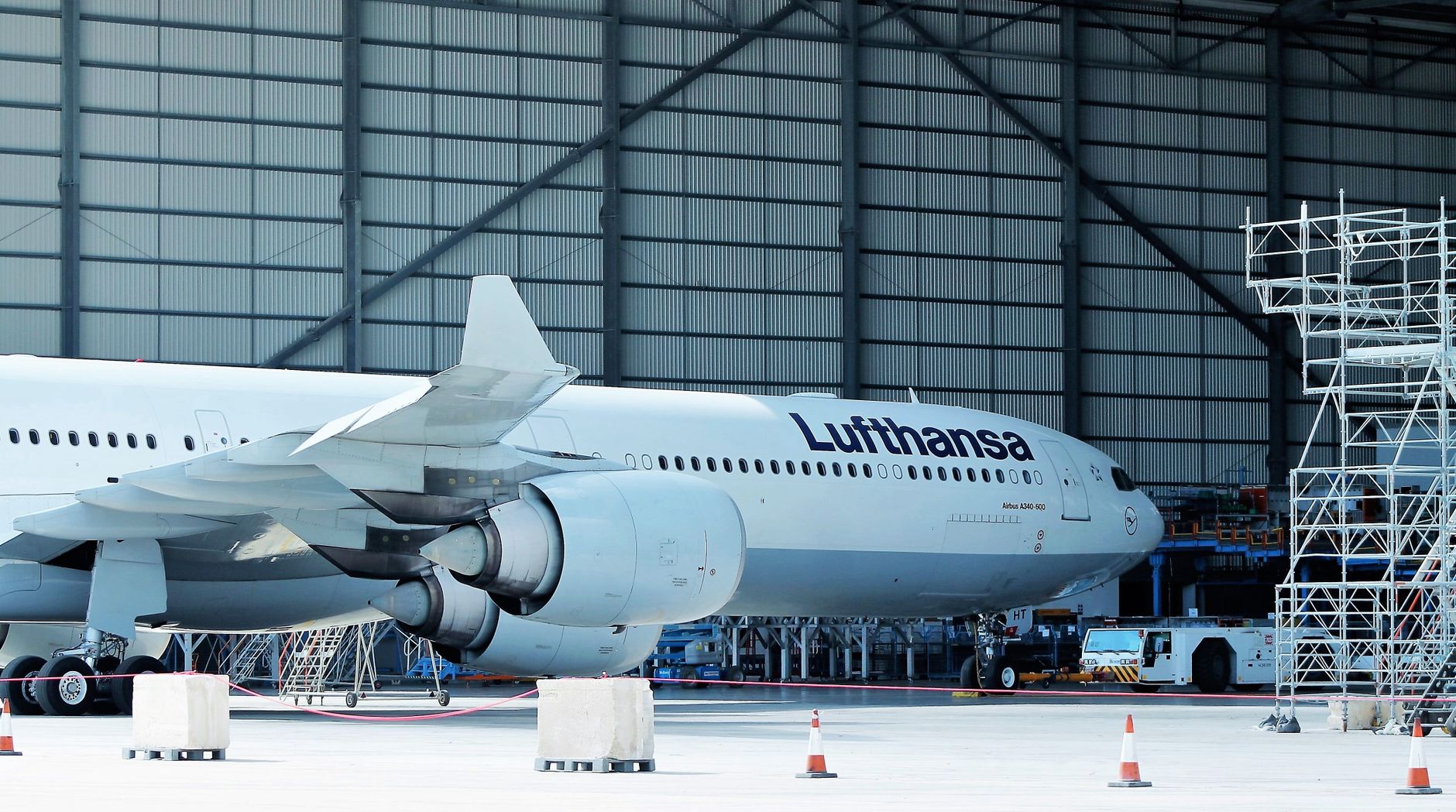
These aircraft are often used for:
- Flight training
- Private operations
- Aerial photography
- Survey work
- Light commercial operations
- General aviation
An A4 licence holder may certify approved minor maintenance tasks on piston helicopters, subject to the relevant aircraft or group rating and maintenance organisation authorisation.
Possible tasks include:
- Component replacement
- Wheel and brake work
- Servicing
- Minor scheduled maintenance
- Straightforward defect rectification
- Replacement of approved safety or cabin equipment
Category A4 is generally most relevant to smaller helicopter maintenance organisations. It can provide a practical route into rotorcraft maintenance before progression to a B1.4 licence.
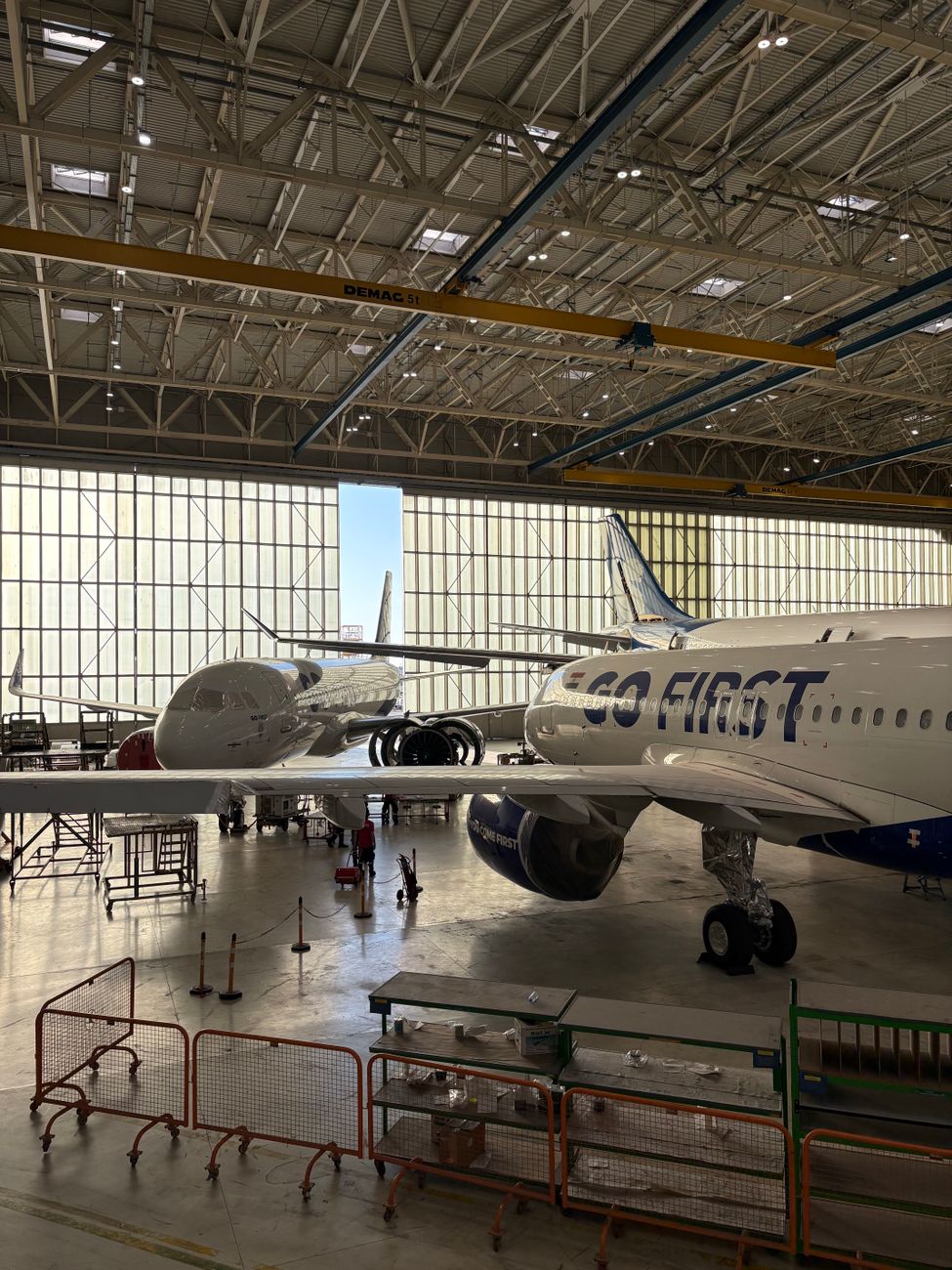
What is the difference between A1, A2, A3 and A4?
The categories can be remembered by answering two questions.
What type of aircraft?
- A1: Aeroplanes
- A2: Aeroplanes
- A3: Helicopters
- A4: Helicopters
What type of engine?
- A1 and A3: Turbine engines
- A2 and A4: Piston engines
The category identifies the broad area of the licence. It does not, by itself, identify every aircraft or task that the holder may certify.
A licence privileges: what can you certify?
A Part-66 A licence permits the holder to issue a certificate of release to service after minor scheduled line maintenance and simple defect rectification.
Important conditions apply:
- You must have personally performed the work.
- The task must be within your licence privileges.
- The aircraft must be covered by your aircraft type or group rating.
- The task must be included in the organisation's maintenance authorisation.
- You must use current approved maintenance data.
- You must be competent and satisfied that the work has been completed correctly.
In a Part-145 organisation, the authorisation may list the specific tasks an A licence holder may certify. Consequently, two engineers with the same A1 licence may have different certification privileges at different employers.
An A licence is not general permission to certify anything described as minor. The task must fall within the approved limits of both the licence and the organisation's authorisation.
How an A licence compares with B1, B2 and C licences
The A categories are designed around limited line-maintenance certification. The B categories provide broader privileges.
- A categories: Specific minor scheduled line maintenance and simple defect rectification
- B1: Mechanical systems, structures, powerplant and related electrical systems
- B2: Avionic and electrical systems
- B3: Certain non-pressurised piston-engined aeroplanes
- L: Sailplanes, powered sailplanes, balloons and airships, depending on the subcategory
- C: Certification following scheduled base maintenance
If you are considering an avionics route, our comparison of Part-66 B2 and B2L licences explains the differences in privileges, ratings and career flexibility.
Category C differs from the A and B categories. Its privileges apply to the aircraft as a whole rather than to one mechanical or avionic speciality. A Category C certifying staff member may issue the certificate of release to service after scheduled base maintenance, provided the relevant maintenance tasks have been completed and signed by the appropriate B1, B2, B2L, B3 or L staff and support staff, where applicable.
Category C is therefore the role responsible for certifying the overall aircraft release after base maintenance. The Category C holder is not necessarily the person who performed every maintenance task.
Moving from an A licence to a B licence
Many engineers use an A licence as a stepping stone towards a B1 or B2 licence.
Typical corresponding routes include:
- A1 to B1.1: Turbine-engined aeroplanes
- A2 to B1.2: Piston-engined aeroplanes
- A3 to B1.3: Turbine-engined helicopters
- A4 to B1.4: Piston-engined helicopters
A B1.3 licence covers turbine-engined helicopters, while a B1.4 licence covers piston-engined helicopters. Category B1.4 is particularly common in organisations supporting light piston helicopters and general aviation.
Progression normally involves meeting additional requirements for:
- Theoretical knowledge
- Module examinations
- Practical maintenance experience
- Aircraft type training
- Experience on relevant systems and tasks
- Licence application and supporting evidence
The required Part-66 modules depend on the category sought and the licences already held. Some applicants may receive credit for existing knowledge or qualifications, but the CAA assesses each application against the applicable requirements. The Part 147 training school directory can help you identify approved training routes.
Module 7, module 9 and module 10 may be relevant to some B1 or B2 routes. The exact requirements depend on the licence category and existing approvals, so applicants should check 66.A.10, 66.A.25, 66.A.30 and the associated AMC and GM. The EASA Part-66 guidance provides useful regulatory context, although UK applicants should confirm the current requirements with the UK CAA.
Do A licence holders need aircraft type ratings?
Yes. Holding an A1, A2, A3 or A4 licence does not automatically authorise you to certify every aircraft within that broad category.
You may need:
- A specific aircraft type rating
- An approved group rating
- Practical experience on the aircraft
- Company task training
- Maintenance authorisation from the approved organisation
For example, an A1 licence does not allow you to certify any turbine aeroplane that arrives at a maintenance facility. The aircraft must be covered by the relevant rating or group approval, and the employer must authorise you for the applicable tasks.
Keeping your licence valid
Part-66 licence holders must comply with the applicable renewal, validity and continuing-competence requirements.
If you submit a renewal application to the CAA before the licence expires, you may generally continue exercising the licence privileges after submitting the application and until the stated expiry date, provided you have confirmation that the application was submitted. The precise position depends on the current CAA process and the terms applicable to your licence. Always check the CAA's current aircraft maintenance engineer licence application guidance.
Once the licence has expired, you must not exercise its certification privileges unless the applicable renewal requirements have been met and the renewed licence has been received and signed by the holder. Certifying after expiry can create serious compliance and employment problems, so apply well in advance.
Maintaining accurate evidence of practical experience is essential. You can use Part 66 Logbook Analysis to review your records against common licensing evidence requirements.
The CAA licensing team can be contacted at:
Civil Aviation Authority
Engineer Licensing, SSC
Aviation House
Beehive Ring Road
Crawley
West Sussex
RH6 0YR

Which A category is right for you?
- Choose A1 for turbine aeroplanes, particularly airline and commercial line maintenance.
- Choose A2 for piston aeroplanes, including flying schools and general aviation.
- Choose A3 for turbine helicopters used in commercial, utility or specialist operations.
- Choose A4 for piston helicopters, often in light helicopter and general aviation environments.
Whichever route you choose, the licence is only one part of the picture. Your certification authority comes from the combination of your Part-66 category, aircraft ratings, practical experience, competence and maintenance organisation authorisation.
Once you are ready to apply your skills in the workplace, explore current aircraft mechanic jobs across the aviation industry.



Login or register to join the conversation.
Join the discussion
0 comments