


.jpg)
If you’re a licensed aircraft engineer, mechanic, or avionics technician, create your free AeroTechCareers profile to showcase your competencies and be found by recruiters actively searching for engineers like you.
Part-66 B2 versus B2L: Which avionics licence category is right for you?
If you want to build a career in aircraft avionics, the Part-66 B2 and B2L categories are the two principal options. They cover similar technical areas, but the B2L licence is restricted to the specific system ratings endorsed on it, while B2 provides a broader avionics and electrical scope. The applicable regulatory framework is set out in the official EASA Part-66 guidance.
Your choice should reflect the aircraft you want to maintain, the type of organisation in which you expect to work, and the flexibility you want later in your career.
What does a B2 licence cover?
The B2 licence is the full Part-66 category for avionics maintenance. Depending on the aircraft ratings and organisational authorisation held, a B2 engineer may work on:
- Communication systems
- Navigation systems
- Auto-flight systems
- Instrument systems
- Surveillance systems
- Aircraft electrical systems
- Avionics wiring and interconnections
- Cockpit indications and warning systems
- Electrical and avionics tasks associated with powerplant and mechanical systems
The B2 category also covers relevant simple tests, minor scheduled line maintenance, and simple defect rectification.
In practical terms, B2 engineers diagnose and maintain the electronic systems that communicate, calculate, display information, and control aircraft functions. Navigation display faults, autopilot disconnects, unreliable radios, and unexplained system warnings commonly require B2 knowledge. Engineers preparing for the qualification may also benefit from this Part-66 Module 13 B2 exam study guide.
What does a B2L licence cover?
The B2L licence is also an avionics category, but its privileges are limited to the system ratings endorsed on the licence. The available system ratings are:
- Communication and navigation (com/nav)
- Instruments
- Auto-flight
- Surveillance
- Airframe systems
A B2L licence does not automatically cover every avionics system. For example, a licence endorsed only with com/nav does not provide the same scope as one endorsed with com/nav, instruments, auto-flight, surveillance, and airframe systems.
B2L can therefore suit engineers who want to specialise in particular avionics systems rather than qualify across the complete B2 scope.
B2 versus B2L at a glance
- Main focus: B2 covers a broad range of avionics and electrical systems. B2L covers the same general field, but only within the endorsed system ratings.
- System scope: B2 provides broad avionics privileges, subject to the applicable aircraft ratings and limitations. B2L may include com/nav, instruments, auto-flight, surveillance, airframe systems, or a combination of these.
- Line maintenance: Both categories may cover relevant avionics and electrical tasks, simple tests, minor scheduled maintenance, and simple defect rectification, but B2L privileges remain limited to the endorsed systems.
- Base maintenance: B2 may support relevant avionics and electrical maintenance in base maintenance, subject to aircraft ratings, organisational approval, and company authorisation. B2L remains limited to its endorsed systems and the privileges permitted by the applicable requirements.
- Flexibility: B2 provides the greater scope. B2L flexibility depends on the system ratings held.
- Best suited to: B2 suits engineers seeking broad avionics responsibility. B2L suits engineers seeking a focused role or a targeted route into certification.
A licence alone does not authorise an engineer to certify every task on every aircraft. Appropriate aircraft ratings, practical experience, and certification authorisation from an approved maintenance organisation are also required.
The main difference is the system limitation
The key distinction is that B2L privileges are restricted to the systems specifically endorsed on the licence. An engineer may hold one system rating or several.
- A B2L licence with a com/nav rating focuses on communication and navigation systems.
- A B2L licence with instruments focuses on aircraft instrument systems.
- A B2L licence with auto-flight covers relevant automatic flight-control systems.
- A B2L licence with surveillance covers systems such as transponders and related surveillance equipment.
- A B2L licence with airframe systems covers applicable avionics and electrical systems associated with the airframe.
This structure can work well in an organisation that allocates engineers to specific systems or work packages. It may become restrictive if you later want responsibility for the complete avionics installation.
Does a B2 licence include B2L privileges?
Yes. A B2 licence with the relevant aircraft ratings includes the B2L privileges associated with those ratings and system areas. The full B2 category is therefore the broader qualification.
The reverse is not true. A B2L licence does not provide the complete privileges of a B2 licence unless the holder meets the applicable requirements to obtain or extend the B2 category.
Line maintenance and base maintenance
B2 line maintenance
Subject to the aircraft ratings and the organisation's approval, B2 privileges may cover:
- Avionics systems
- Electrical systems
- Electrical and avionics tasks associated with powerplant and mechanical systems
- Simple tests
- Minor scheduled line maintenance
- Simple defect rectification
The same general description applies to B2L, but only within the systems endorsed on the licence.

B2 base maintenance
B2 privileges may be used for relevant avionics and electrical maintenance in a base-maintenance environment when the engineer holds the appropriate aircraft ratings and the organisation's approval and procedures permit the work.
B2L remains limited to its endorsed systems. The precise privileges available in base maintenance depend on the applicable Part-66 requirements, aircraft ratings, maintenance organisation approval, and certification authorisation. If your goal is broad base-maintenance responsibility, full B2 is normally the more suitable target.
Aircraft ratings still matter
Neither licence category automatically covers every aircraft. To exercise certification privileges on a particular aircraft, you generally need:
- The appropriate aircraft type rating
- An aircraft group or subgroup rating, where applicable
- Type training or examination
- Practical experience or on-the-job training, where required
- An organisation-issued certification authorisation
For B2 and B2L, ratings may be obtained through an individual aircraft type route or, where permitted, through group or subgroup ratings. The exact route depends on the aircraft and the applicable Part-66 requirements.
A B2L licence may be issued without an aircraft type or group rating, but it must include at least one system rating. The initial system rating is based on the experience demonstrated when the licence is issued.
What experience do you need?
Experience requirements depend on your previous training, technical background, and the category for which you are applying. For both B2 and B2L applicants, at least part of the basic maintenance experience should be gained in an approved maintenance organisation, such as:
- A Part-145 organisation
- A Part-CAO organisation
- A suitable environment under the supervision of appropriately authorised independent certifying staff
The associated guidance specifies a minimum of 12 months in an approved Part-145 or Part-CAO maintenance organisation for applicants in categories including B1, B2, B2L, B3, and C. Applicants should verify current requirements with the UK CAA maintenance engineer licensing guidance or the relevant competent authority.
This is only one part of the experience requirement. You must also consider the total experience required, any credit available for approved training, and whether your experience covers the systems and aircraft relevant to the licence or ratings sought.
Keep detailed records from the beginning. Your experience log should show:
- Aircraft type and registration
- Dates and locations
- Maintenance organisation
- Tasks completed
- Systems worked on
- Your level of involvement
- Supervisory arrangements
- Signatures or other required verification
Clear records make the application process easier and reduce requests for clarification. Read this guide to filling out a CAP 741 logbook, and consult the CAA CAP 741 publication for the relevant record-keeping framework.
Which licence is easier to obtain?
That depends on your background and career objectives. B2L may appear more accessible because it allows you to focus on selected avionics systems rather than demonstrate competence across the complete B2 scope.
However, a narrower scope does not make the licence automatically easy to obtain. You must still meet the relevant knowledge, experience, and practical requirements, and demonstrate experience appropriate to the system ratings you want endorsed.
B2 generally requires broader knowledge and experience, but provides greater long-term flexibility.
When should you choose B2L?
B2L may be suitable if:
- You want to specialise in one or more avionics system areas.
- Your employer divides work between dedicated system specialists.
- You mainly intend to work in line maintenance.
- You want a licence aligned with your current duties.
- You are entering avionics through a specific technical pathway.
- You do not currently need the full B2 scope.
For example, an engineer who mainly works on communication and navigation equipment may find a B2L com/nav rating closely aligned with daily responsibilities.
Choose system ratings that reflect both your current role and the opportunities you expect to pursue.

When should you choose B2?
Full B2 is likely to be the better option if:
- You want broad avionics certification privileges.
- You plan to work across several avionics disciplines.
- You want to move between line and base maintenance.
- You want maximum flexibility when changing employers.
- You may progress into senior engineering, troubleshooting, or technical services roles.
- You want to avoid adding system ratings later.
- You are aiming for a long-term career as a comprehensive avionics certifying engineer.
B2 may require more study and broader experience at the outset, but it can reduce the limitations you encounter later. Compare likely earning potential with the Aircraft Engineer Salary Calculator.
Can you move from B2L to B2?
A B2L licence is not necessarily a dead end. You may be able to progress towards a full B2 licence by meeting the applicable Part-66 knowledge, experience, and practical requirements.
The process depends on:
- The B2L system ratings you hold
- Your aircraft ratings
- The experience you can demonstrate
- Previous approved training
- The applicable authority's requirements
- Any additional examinations or practical evidence required
If you may eventually want full B2 privileges, plan for that from the beginning. Keep records of broad experience rather than documenting only the systems covered by your initial B2L rating. Consult your approved training organisation or the relevant aviation authority before relying on a particular progression route.
Licence privileges and company authorisation
A Part-66 licence is not the same as a company certification authorisation. The licence establishes the categories, limitations, and ratings you may hold. The approved maintenance organisation decides whether to issue an authorisation for specific aircraft, tasks, and maintenance environments. The EASA continuing airworthiness information provides further regulatory context.
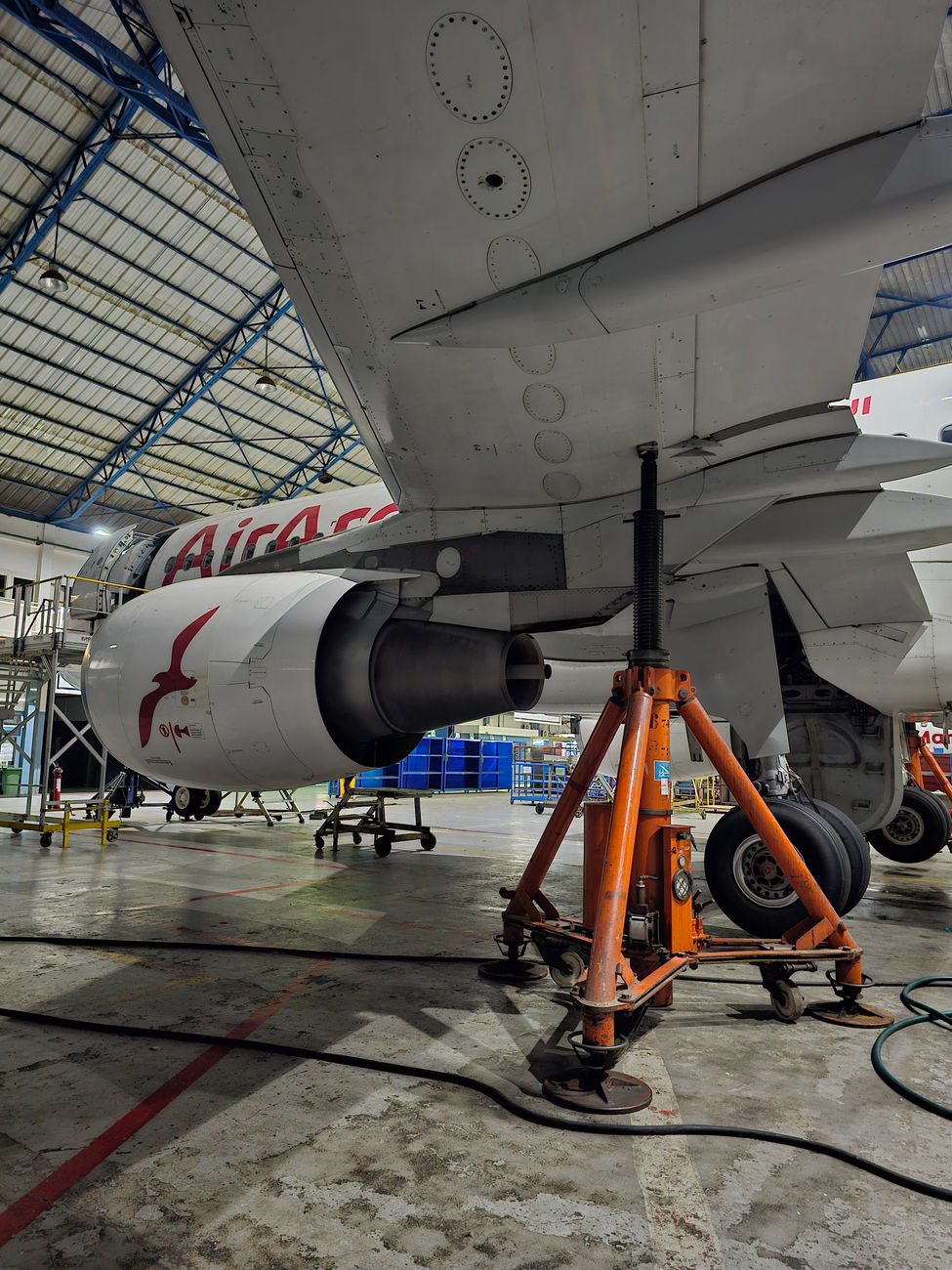
You may therefore hold a B2 licence and still need:
- Company authorisation
- Aircraft type approval within the organisation
- Familiarisation training
- Continuation training
- Company procedures training
- Human factors and aviation legislation training
- Specific task competency
A B2L holder must work within both the endorsed system ratings and the organisation's authorisation.
The simple answer
Choose B2L if you want a focused avionics licence built around particular systems and a defined line-maintenance role.

Choose B2 if you want the broadest avionics scope, greater movement between roles, and stronger long-term flexibility across line and base maintenance environments.
Neither route is automatically better. The right licence is the one that matches the work you intend to do. If you are undecided and can pursue the broader qualification, full B2 usually offers more options in the future. When you are ready to explore opportunities, browse all aviation jobs.



Login or register to join the conversation.
Join the discussion
0 comments