


If you’re a licensed aircraft engineer, mechanic, or avionics technician, create your free AeroTechCareers profile to showcase your competencies and be found by recruiters actively searching for engineers like you.
Aircraft maintenance careers in general aviation: what employers look for
General aviation maintenance employers rarely recruit on licence title alone. They want evidence that an engineer can maintain aircraft safely, work within the organisation’s approval and procedures, and manage the practical demands of a smaller operation. In a flying club, business aviation maintenance organisation or specialist GA workshop, an engineer may move between scheduled maintenance, defect rectification, troubleshooting, records, customer communication and basic logistical tasks in a single day.
From a UK and European perspective, employers assess three connected areas:
- Regulatory eligibility and licence relevance
- Documented, practical experience on operating aircraft
- Professional behaviour suited to a small, highly accountable maintenance environment
A relevant UK CAA or EASA Part-66 licence
The licence required depends on the aircraft, the maintenance organisation and the privileges attached to the role. A UK employer may look for a UK CAA Part-66 licence, while an EASA-based organisation will normally require an EASA Part-66 licence or another recognised authorisation. The UK CAA aircraft maintenance guidance and EASA Part-66 information are useful starting points when checking the applicable licensing framework. Since the UK left the European Union, UK and EASA licences have been separate regulatory products. Applicants should not assume that one automatically provides privileges in the other jurisdiction.
For general aviation, employers may value:
- A licence category or sub-category appropriate to the aircraft being maintained
- Type or aircraft-specific training where relevant
- Practical experience on piston aircraft, turboprops, business aircraft or specialist systems
- Current knowledge of the applicable Part-145, Part-CAO or national maintenance arrangements
- Familiarity with the organisation’s approved procedures and technical records requirements
A licence is particularly important where the role involves certification, but many GA employers also recruit technicians and engineers who are still building the experience required for a licence. In those cases, the quality of the candidate’s evidence, supervision history and practical exposure becomes especially important.
Practical experience matters more than a list of courses
General aviation employers usually want to see what an applicant has actually done on operating aircraft. A training certificate may demonstrate theoretical knowledge, but it does not show whether the candidate can inspect an aircraft methodically, interpret technical data, identify an abnormal condition or complete a task without compromising configuration control.
Useful experience may include:
- Scheduled inspections and routine servicing
- Defect investigation and rectification
- Component replacement and functional testing
- Flight control, landing gear and braking system work
- Engine and propeller maintenance
- Electrical, instrument and avionics troubleshooting
- Wiring repairs, connector work and bonding
- Corrosion inspection and rectification
- Aircraft ground runs and post-maintenance checks
- Completion of technical records and maintenance documentation
The strongest applications explain the aircraft types, systems and tasks involved rather than simply stating ‘general maintenance experience’. Employers need to understand the depth and relevance of that experience to their fleet.
Experience should also demonstrate a representative range of work. Repeating a narrow task on one aircraft type may be useful, but it is less persuasive than showing controlled exposure to inspections, fault-finding, component changes and return-to-service processes.
Experience records and sign-off discipline
For applicants working towards a UK Part-66 licence, evidence of experience must satisfy the requirements of 66.A.30 Basic experience requirements in a form and manner acceptable to the UK CAA. The experience must be gained on operating aircraft and signed by an appropriate signatory. Applicants should verify the current requirements directly with the UK CAA aircraft maintenance engineer licensing guidance.
A CAP 741 logbook, completed accurately and consistently, can provide a valuable record of the work performed. Employers will also look for the habits that make such a logbook credible:
- Clear aircraft registration and type details
- Accurate dates and task descriptions
- Identification of the applicable maintenance data
- Appropriate supervisor confirmation
- Names, signatures and licence numbers where required
- A realistic spread of maintenance activity
- No unexplained gaps or retrospective bulk entries
The task supervisor must confirm the relevant entries by adding their name, signature and licence number in the appropriate column. The signatory is not a formality. Their authority and relationship to the work must be appropriate to the maintenance environment.

The UK CAA may accept confirmation from a person authorised for this purpose, including someone authorised to supervise and certify the maintenance task within an organisation maintaining aircraft on behalf of the military. This is particularly relevant to applicants transferring from military engineering into civil general aviation.
A well-maintained experience record can influence both licensing progress and recruitment. It gives an employer confidence that the applicant understands controlled maintenance, supervision and personal accountability.
Organise your licensing evidence with Part 66 Logbook Analysis. Start Your Demo Now!
For more guidance, read how to fill out a CAP 741 logbook and review the requirements for building qualifying Part-66 B1 experience.
What employers look for in avionics and electrical experience
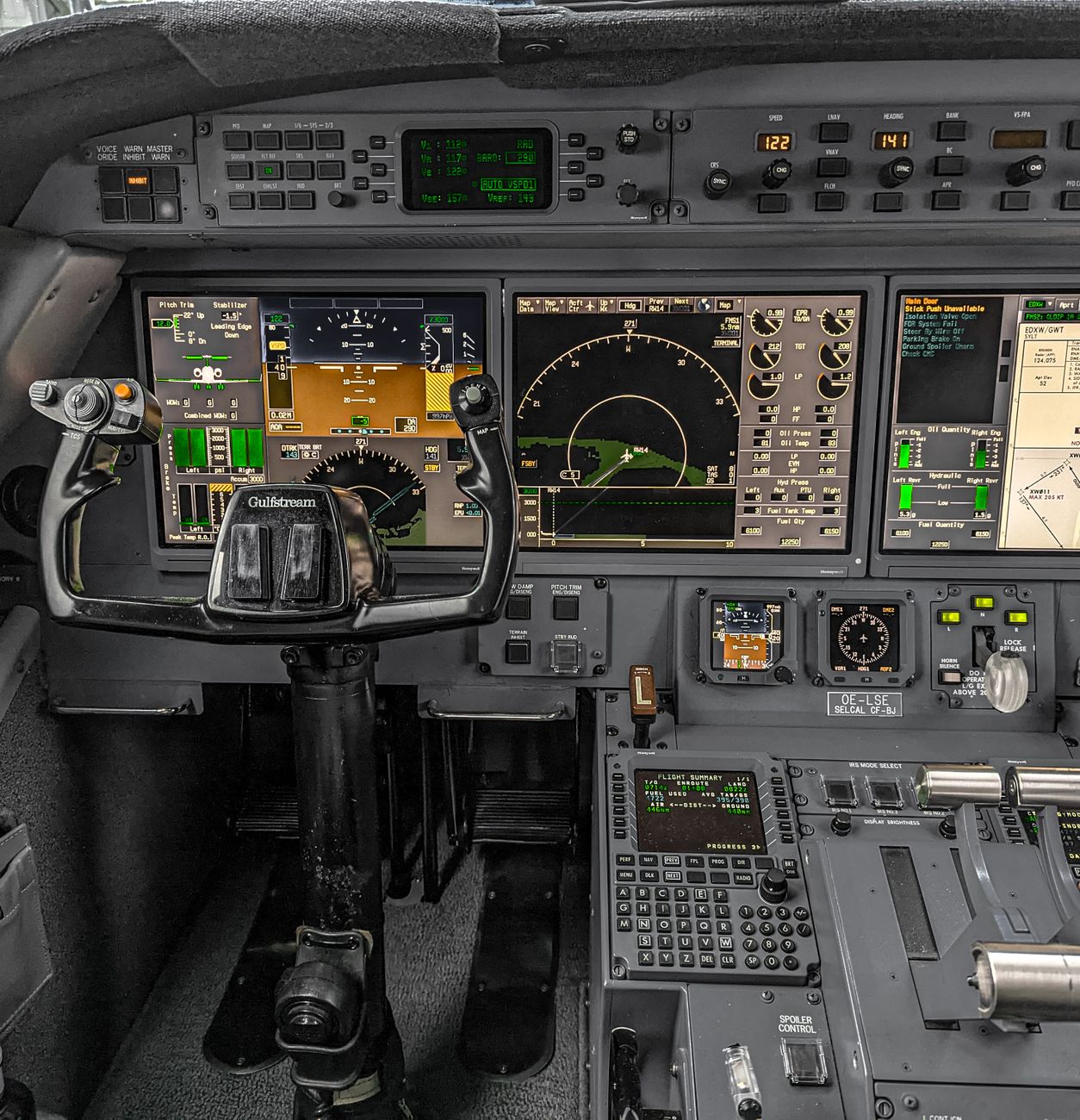
Avionics capability is increasingly valuable in general aviation, including in older aircraft undergoing upgrades. For roles involving an avionics or B2L pathway, employers will look beyond the ability to remove and replace a line-replaceable unit.
Relevant experience may involve systems that transfer, process, display or store analogue or digital data. Applicants should be able to describe work involving, where applicable:
- Line-replaceable units and equipment racks
- Interfaces between avionics systems
- Connectors, coaxial cables and wiring looms
- Data buses and other data transmission methods
- Circuit protection and bonding
- Wiring inspection, continuity testing and fault isolation
- Configuration control and software or database updates
- Functional testing after installation
The UK CAA’s experience expectations for B2L applicants include practical maintenance experience covering the relevant system rating or ratings. Where an applicant has no previous relevant technical training, this may include three years of practical maintenance experience on operating aircraft. The precise requirement depends on the application route and the evidence submitted.
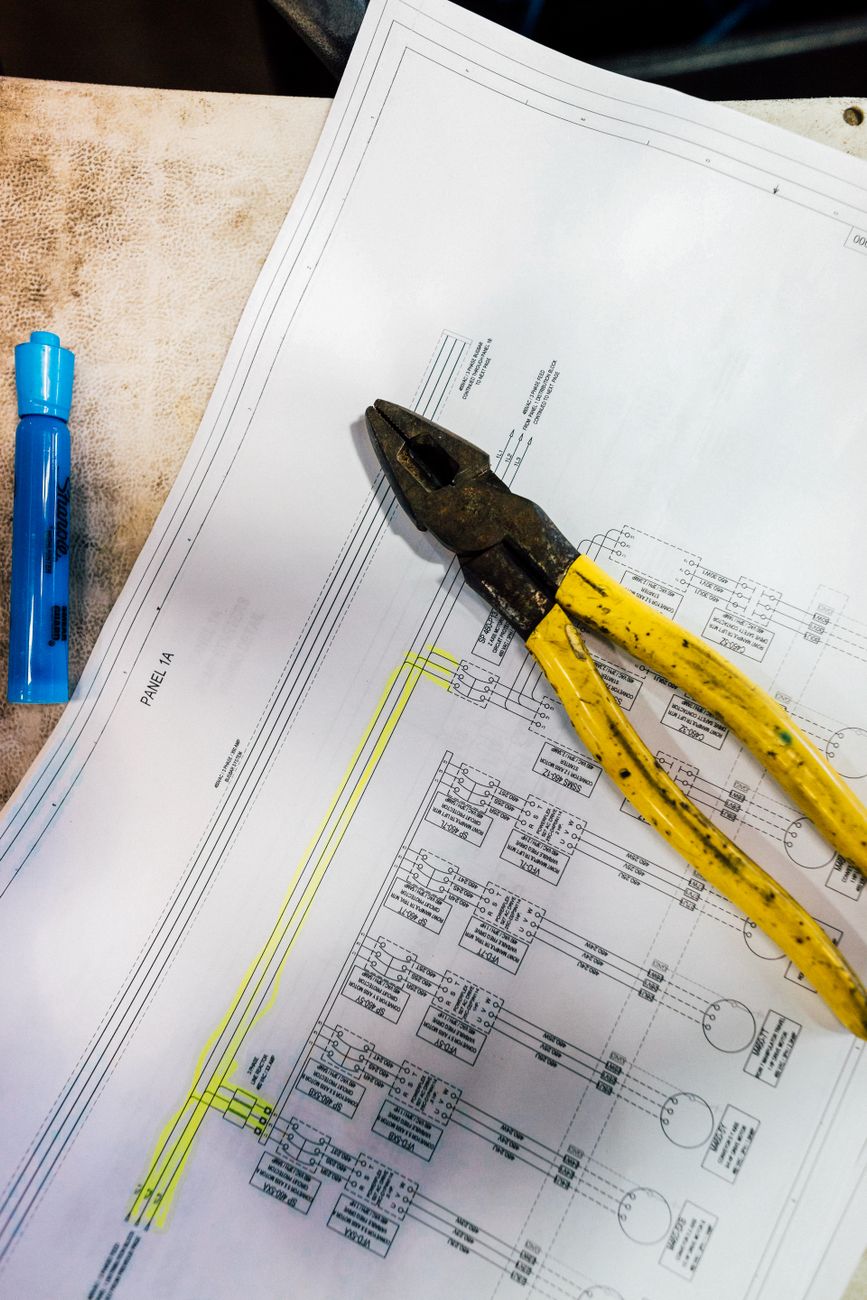
For an employer, the key question is not simply whether the applicant has worked on ‘avionics’. It is whether they understand how the system operates, how to use approved data to isolate a fault and how to protect the aircraft from wiring, configuration or installation errors. Candidates can also strengthen their preparation by reviewing this step-by-step guide to aircraft wiring checks.
Military experience: translate it into civil maintenance evidence
Military engineers can be strong candidates for general aviation roles. They often bring disciplined technical work, structured fault diagnosis, safety awareness and experience of operating aircraft in demanding conditions. However, employers may not understand military terminology, and military job titles do not automatically demonstrate civil licensing experience.
For a UK Part-66 application, the UK CAA may require correspondence from the Ministry of Defence employer, such as an Engineering Officer, Officer Commanding or the Military Aviation Authority. Equivalent evidence may be required from non-UK military organisations.

This correspondence should preferably provide a chronology of aircraft engineering experience. It should not read like a CV or focus on managerial appointments, military activities or combat-related duties. The useful content is practical and technical:
- Aircraft types and systems maintained
- Dates and locations of employment
- Maintenance tasks and inspection activity
- Supervision and certification arrangements
- The applicant’s level of responsibility
- How the experience relates to the category or sub-category being sought
Military applicants should present their experience in language that a civil maintenance organisation can assess. ‘Aircraft commander support’ or a service-specific trade title may be less useful than a clear description of the inspection, troubleshooting, component replacement or certification work performed. Those comparing career routes may also find our guide to civilian and military aviation apprenticeships useful.
Adaptability is a major general aviation requirement
Unlike a large airline department, a GA maintenance organisation may not divide work into highly specialised teams. Employers often need engineers who can work across several aircraft types and respond to changing priorities without losing procedural control.
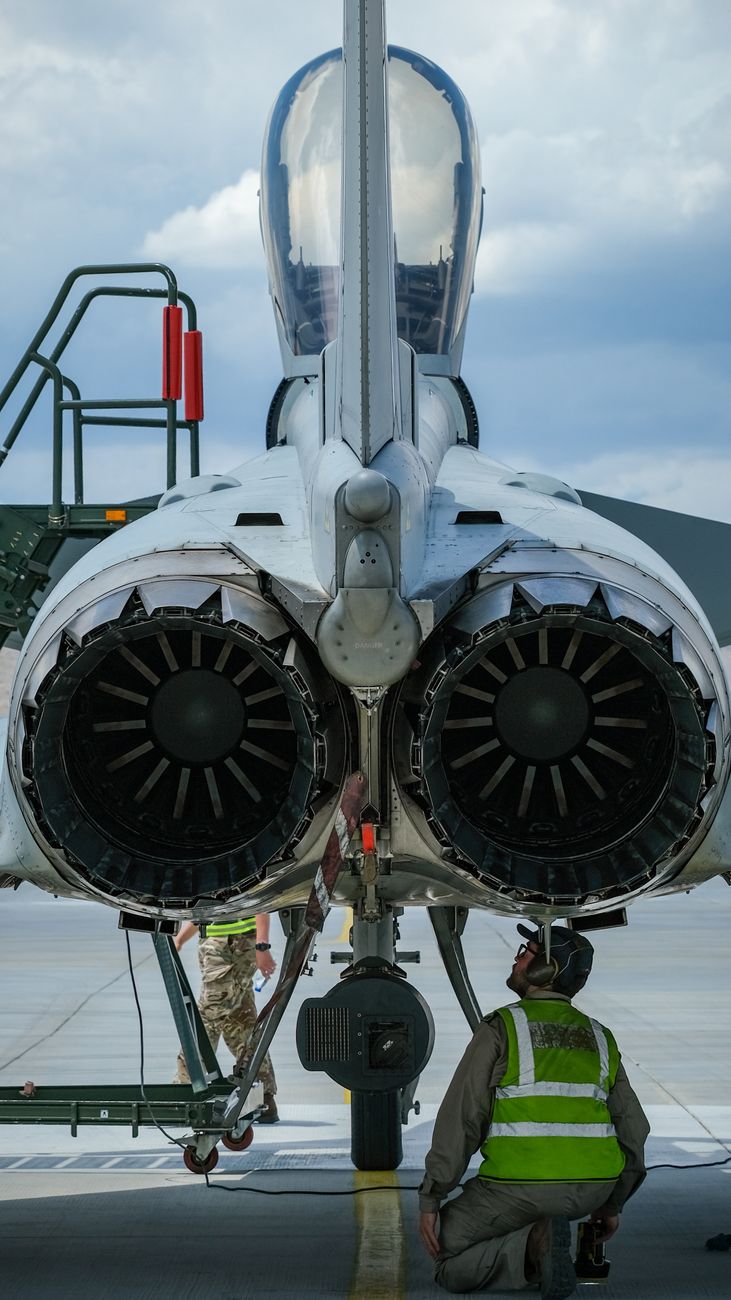
They may assess whether an applicant can:
- Move between different aircraft and maintenance programmes
- Work productively with limited supervision
- Identify when a task is outside their competence or authorisation
- Ask for technical support early enough
- Manage interruptions without losing track of an open task
- Work outdoors, in confined areas or at remote locations when required
- Maintain standards during short-notice defect rectification
- Communicate clearly with pilots, owners, operators and colleagues
Adaptability does not mean improvising outside approved data. The desirable candidate is flexible in workload and problem-solving, but conservative in safety decisions and disciplined in following the maintenance organisation’s procedures.
Technical records and regulatory behaviour
In general aviation, poor documentation can be as damaging as poor workmanship. Employers look for engineers who understand that the aircraft record is part of the maintenance product. Organisations working under approved maintenance systems should also understand the relevant EASA continuing-airworthiness organisation requirements and their own approved procedures.
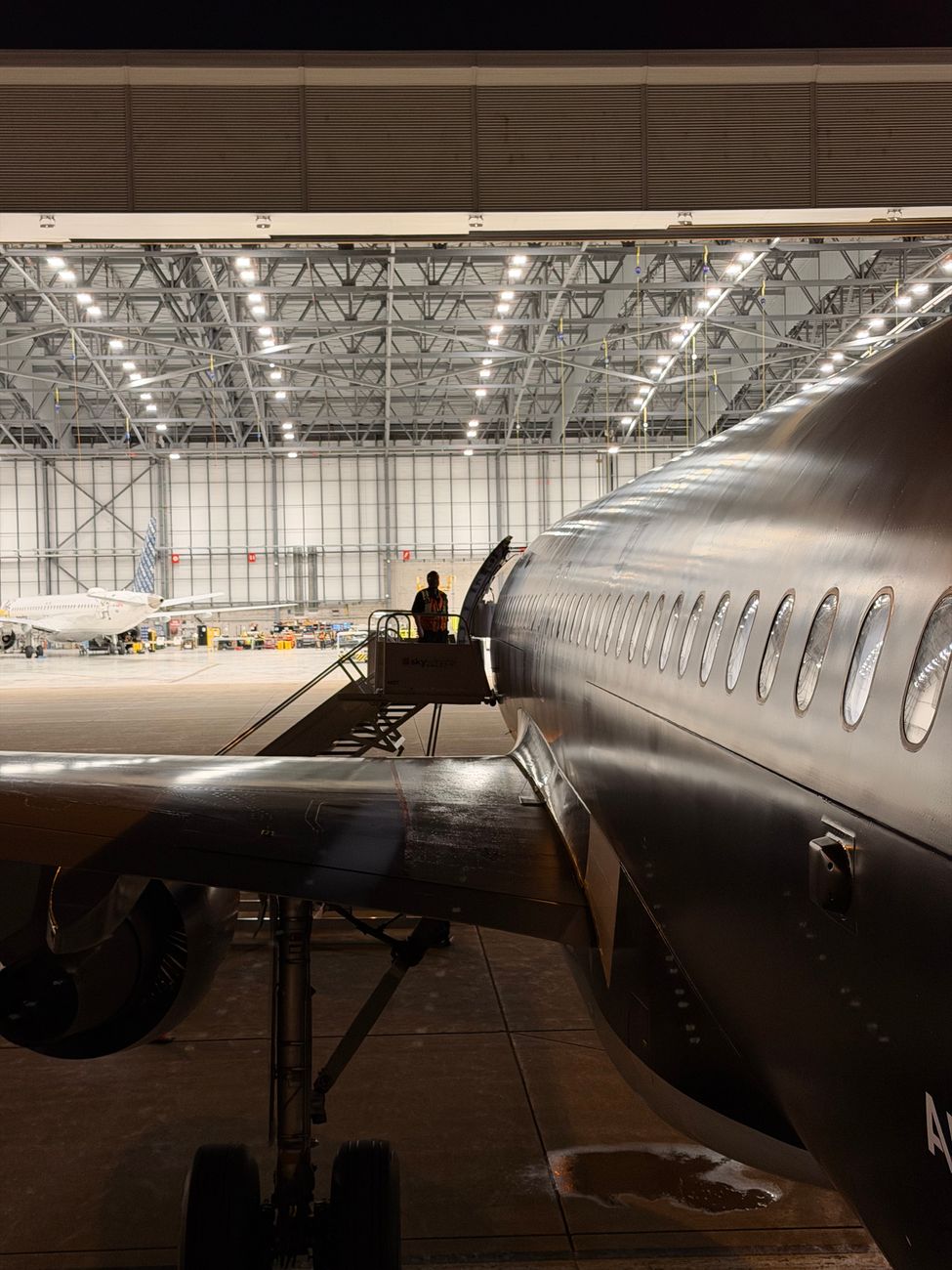
Applications and interviews should demonstrate familiarity with:
- Approved maintenance data and revision status
- Work packs and task cards
- Defect reporting and rectification entries
- Inspection and independent inspection requirements
- Component and life-limit control
- Tool control and calibration
- Airworthiness directives and service information
- Proper completion of certificates and technical records
- Escalation of uncertain or incomplete work
A candidate who can explain how they would deal with an undocumented defect, an ambiguous maintenance instruction or an incomplete handover will often make a stronger impression than one who simply lists technical qualifications. See our guide to aircraft maintenance shift handovers for examples of the information that should be communicated.
Training and licence progression
Employers do not necessarily expect every applicant to hold a fully developed licence, particularly for junior technician and workshop roles. They do, however, expect a credible development plan.

This may include:
- Part-66 examinations or approved Part-147 training
- A properly maintained experience record
- A clear target category or sub-category
- Practical work aligned with that target
- Continued training in human factors, fuel tank safety, EWIS or other applicable subjects
- Evidence of learning from supervision and technical reviews
Where an applicant has completed an approved Part-147 course relevant to a category extension, the practical experience requirement may be reduced by 50 per cent under the applicable Part-66 provisions. The training must be relevant to the extension being sought. For example, a B1.1 basic training route includes Modules 1, 2, 3, 4, 5, 6, 8, 11A, 15 and 17A in full. Candidates should check the current EASA Part-147 framework and the relevant national authority guidance before relying on a specific route.
These licensing provisions are not substitutes for practical competence. Employers still want to see that training has been converted into safe work on operating aircraft. Our guide to Part-147 training schools can help candidates compare training options.
Preparing for a GA maintenance interview
A strong candidate should prepare specific examples rather than broad claims. Useful examples include:
- A difficult intermittent defect and the method used to isolate it
- A maintenance task stopped because the available data was unclear
- A time an error or discrepancy was found during inspection
- A component change followed by successful functional testing
- A handover involving an open defect or incomplete task
- A situation where the candidate had to refuse or defer work safely
Answers should explain the technical reasoning, the data consulted, the supervision obtained and the records completed. Employers are looking for sound judgement as much as manual skill. Candidates can also use our aircraft maintenance engineer interview guide to structure their examples.
The general aviation employer’s ideal candidate
The strongest general aviation applicants combine relevant licensing progress with demonstrable aircraft experience, accurate records and a practical approach to teamwork. They can work independently without becoming isolated, communicate with non-engineers without sacrificing technical accuracy and adapt to a varied workload while remaining within their authorisation.
For UK and EASA-focused careers, the most convincing application is not simply a list of licences and courses. It is a clear account of what the applicant has maintained, how that experience has been verified, which aircraft and systems are familiar, and how the applicant works safely within an approved maintenance system.
Ready to take the next step? Browse current aircraft mechanic jobs or explore the latest insights on the AeroTech Careers Blog.



Login or register to join the conversation.
Join the discussion
0 comments