


If you’re a licensed aircraft engineer, mechanic, or avionics technician, create your free AeroTechCareers profile to showcase your competencies and be found by recruiters actively searching for engineers like you.
Civilian or Military Aviation Apprenticeship: Which Route Should You Choose?
Choosing between a civilian and military aviation apprenticeship is one of the earliest and most consequential decisions for anyone considering aircraft maintenance. Both routes can lead to skilled engineering work on fixed-wing aircraft, helicopters and complex propulsion systems. However, they offer very different working environments, training structures and routes towards civilian licensing.
The right choice depends mainly on where you want to work, how much flexibility you need and whether military service genuinely appeals to you. It should not be based solely on which route appears to offer the fastest qualification.
Civilian and military apprenticeships: the fundamental difference
A civilian aviation apprenticeship trains you within an airline, maintenance organisation, airport engineering department or aerospace company. Your experience is usually built around civil aircraft, regulated maintenance procedures and the operational demands of commercial aviation.
A military aviation apprenticeship combines engineering training with service in the Armed Forces. You may maintain fast jets, helicopters, transport aircraft or other military platforms, often in demanding operational environments. The training can be highly structured and technically advanced, but it also comes with military discipline, postings and service obligations.
Neither route is automatically superior. They develop different types of experience.
- Primary environment: Civilian apprentices work in airlines, maintenance, repair and overhaul organisations, airports and aerospace companies. Military apprentices work in military aviation units.
- Typical aircraft: Civilian programmes commonly involve commercial airliners, business aircraft, helicopters and light aircraft. Military programmes involve fixed-wing aircraft, helicopters and support aircraft used by the Armed Forces.
- Training emphasis: Civilian schemes focus on civil regulations, airline procedures and commercial maintenance. Military schemes focus on military engineering standards, operational readiness and service procedures.
- Licensing route: Civilian training may align directly with UK CAA or EASA Part-66 requirements, depending on the employer and location. Military experience may be recognised, but it must be demonstrated as suitable for the civil environment.
- Lifestyle: Civilian work is usually based at a fixed maintenance location, although shifts are common. Military service may involve postings, exercises, deployments and other commitments.
Choose a civilian apprenticeship if your target is commercial aviation
A civilian apprenticeship is generally the more direct option if you already know that you want to work for an airline, maintenance organisation or civil aerospace company.
You will usually work with aircraft and procedures governed by the civil regulatory system. In the UK, this means gaining experience relevant to a UK CAA Part-66 aircraft maintenance licence. In an EASA member state, the equivalent framework is EASA Part-66. Since Brexit, UK Part-66 and EASA Part-66 are separate licensing systems, so the country and organisation in which you train matter. Check the current requirements through the UK CAA Part-66 guidance and the EASA Part-66 information.
Civilian programmes may provide:
- Structured practical training in an approved maintenance environment
- Experience on operational civil aircraft
- Exposure to aircraft technical records and continuing-airworthiness procedures
- Support with documenting maintenance experience
- A clearer connection between the apprenticeship and the employer's licensing pathway
- Opportunities to remain with the airline or maintenance organisation after completion
Some programmes also include recognised technical qualifications, such as:
- Level 2 Diploma in Aerospace and Aviation Engineering (Foundation Competence)
- Level 3 Diploma in Aviation Maintenance (Development Competence)
- Level 3 Diploma in On-Aircraft Maintenance Category A
- A UK Part-66 qualification, where this forms part of the programme and licensing arrangements
These qualifications are valuable, but they should not be confused with an automatically issued aircraft maintenance licence. Ask the provider precisely which examinations, practical elements and maintenance experience will count towards the licence you ultimately want. You can also compare approved training options through our Part 147 training schools resource.
Civilian schemes vary significantly. Examples advertised in the UK include two-year aircraft mechanic apprenticeships at Heathrow and three-year aircraft maintenance programmes in South Wales. Entry requirements may include GCSEs in mathematics, English and science, or a Level 2 engineering qualification. Pay also varies by employer and location.
The important point is not the advertised starting salary. It is whether the apprenticeship gives you documented, relevant experience on aircraft that supports your intended Part-66 category.
Choose a military apprenticeship if you want military engineering
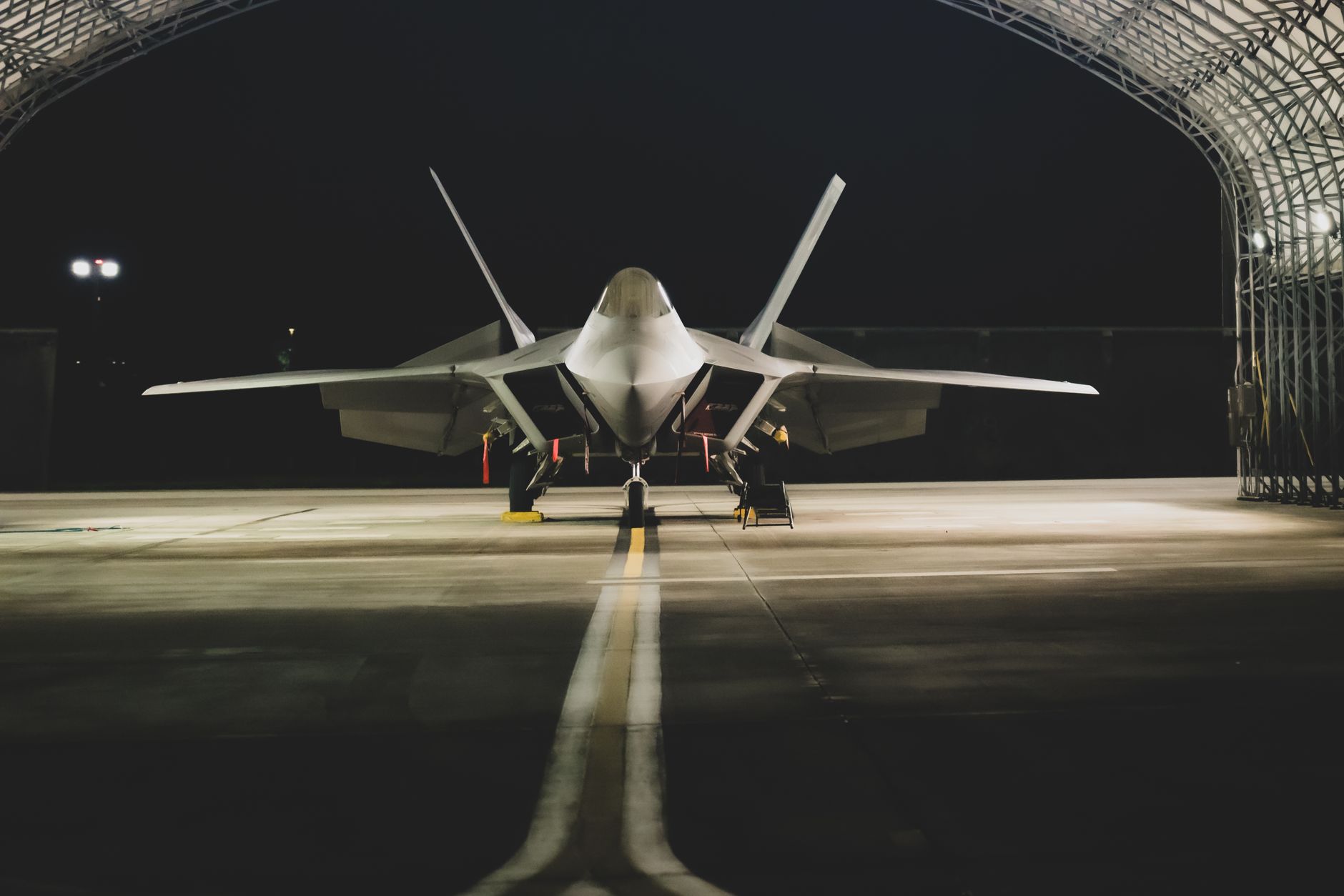
A military aviation apprenticeship can provide excellent technical training and substantial responsibility at an early stage. Military aircraft technicians work on sophisticated fixed-wing and rotary-wing platforms, often in conditions where aircraft availability and engineering standards are operationally critical.
The route may suit you if you are attracted to:
- Military aircraft and defence technology
- A structured training and promotion system
- Team-based work under operational pressure
- The discipline and responsibilities of Armed Forces service
- Aircraft types that are not found in civilian fleets
- A long-term military engineering career
However, a military apprenticeship is not simply a civilian apprenticeship in a different uniform. You may be required to accept postings, exercises, deployment conditions and a period of service after training. Your work will also be shaped by military priorities rather than airline schedules or commercial customer requirements.
Before applying, make sure you understand:
- The length of the service commitment
- Where you could be posted
- The consequences of leaving before the commitment ends
- How your training and experience will be recorded
- Which civilian qualifications you will receive
- Whether your intended civilian employer recognises the military platform and experience
- How the organisation supports transition into UK civil licensing
If your real ambition is to become an airline maintenance engineer as quickly as possible, a civilian apprenticeship may provide a more straightforward route. If you genuinely want to serve in the Armed Forces and would value military aviation experience, the military route may be highly rewarding.
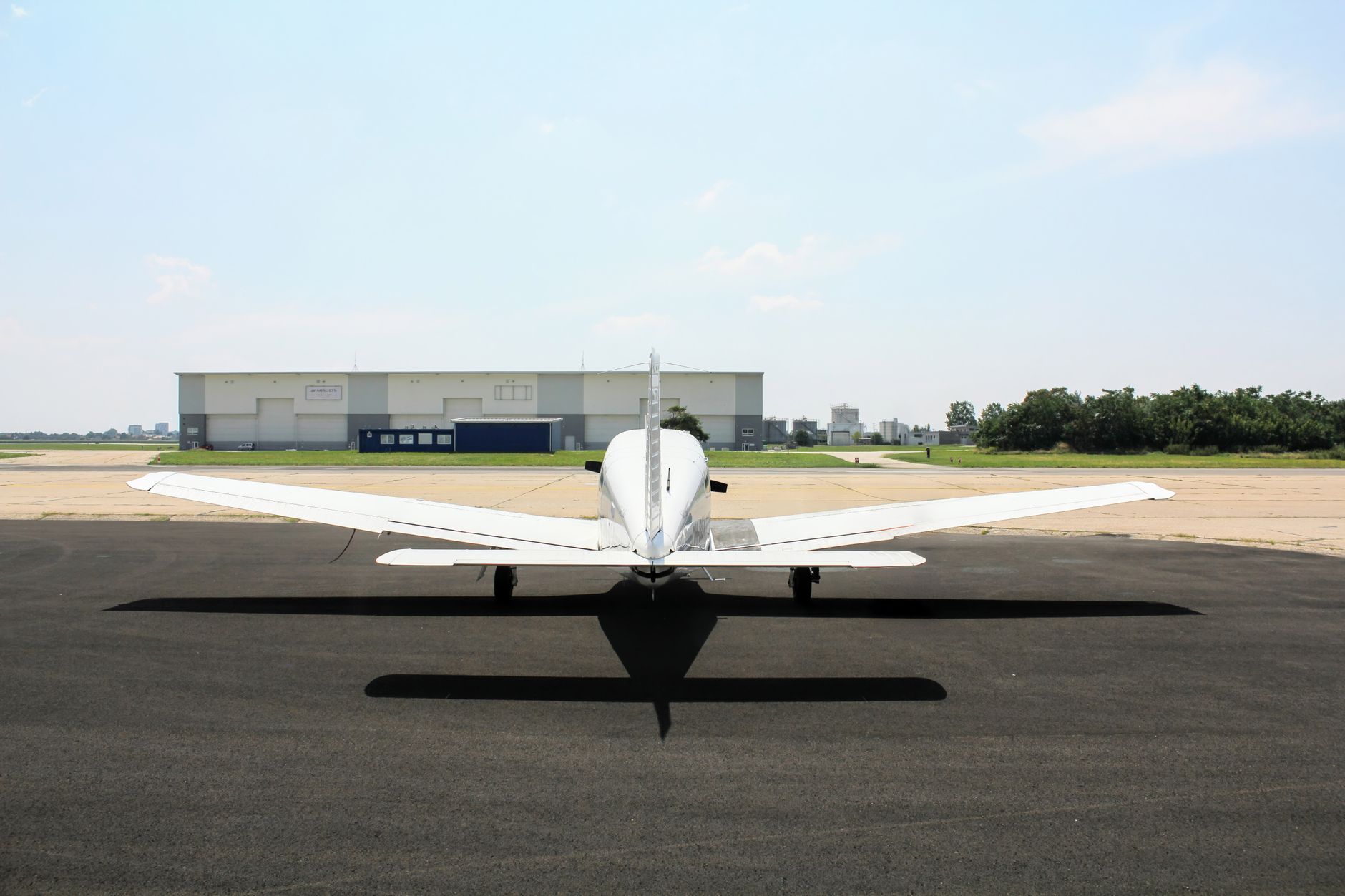
How military experience can support a UK Part-66 licence
Military maintenance experience can be relevant to a civilian licence application, but it does not automatically convert into a UK Part-66 licence.
Under Part-66 66.A.30(e), military experience may be recognised where it demonstrates an adequate understanding of the civil aircraft maintenance environment. The CAA's Part-66 requirements should be checked carefully because the evidence needed depends on the licence category, aircraft rating, tasks and organisation involved.
In practical terms, the UK CAA needs evidence that your military experience is:
- Relevant to the licence category or aircraft rating being sought
- Properly recorded and verifiable
- Broad enough to demonstrate suitable maintenance competence
- Supported by an understanding of civil maintenance practices
Applicants moving from military to civilian maintenance should document their experience carefully using the appropriate records and supporting evidence. A CAP 741-based logbook approach is commonly associated with recording aircraft maintenance experience for UK licensing purposes. Applicants should nevertheless check the current CAA requirements and the exact evidence accepted for their application.
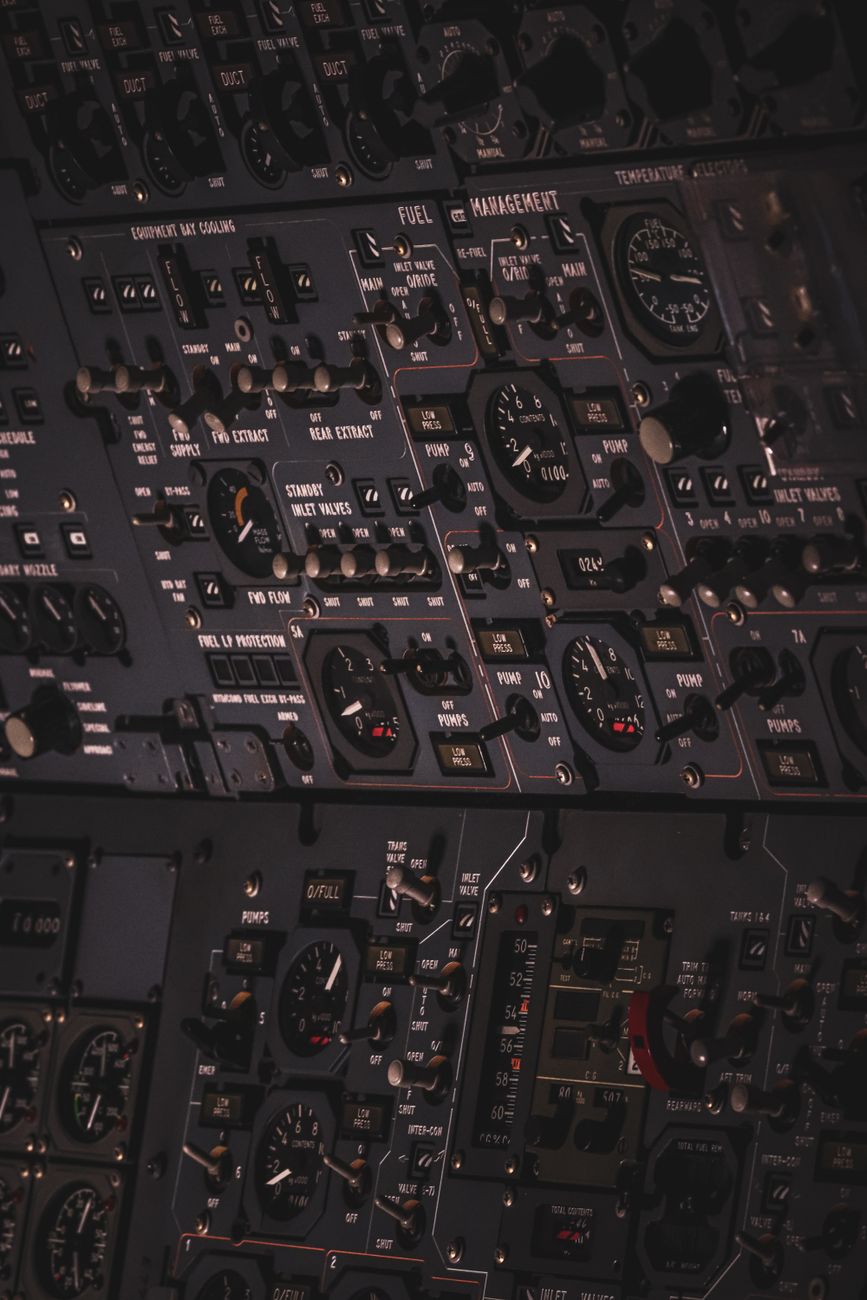
Entries should identify the aircraft, task, date, location and nature of the work. The task supervisor must confirm the relevant entries by adding their name, signature and licence number in the appropriate column. Depending on the maintenance organisation and the work performed, confirmation may come from a person authorised for that purpose by the UK CAA.
For military maintenance work, this may include a person authorised to supervise and certify the task within an organisation carrying out maintenance on behalf of the military. The evidence remains subject to 66.A.30(e), so it must demonstrate an appropriate understanding of the civil aircraft maintenance environment.
Military applicants should not wait until they leave service before checking their records. If tasks are not recorded accurately at the time, proving the scope and quality of the experience later can be difficult. For practical guidance, read our article on how to fill out a CAP 741 logbook and review the common CAP 741 logbook mistakes that can delay an application.
Plan your licensing evidence early: Analyse Your Part-66 Logbook Today and identify gaps before you leave your apprenticeship or military role.
The UK MoD-to-civilian transition
The UK Ministry of Defence and military employers can provide pathways for recognising service training and experience, but the exact process depends on the trade, aircraft, qualifications and intended civilian licence.
A strong transition plan should establish:
- Which military qualifications have civilian equivalence
- Which maintenance tasks can be counted as practical experience
- Whether additional civil aircraft experience is required
- Whether civil regulatory examinations remain necessary
- Which organisation will verify your records
- Whether you are applying for a UK Part-66 licence or an EASA Part-66 licence
Military experience on metal aircraft, for example, may be considered in the context of limitations associated with Part-66 applications for categories such as B1.1, B1.2, B3 or L, subject to the rating and evidence submitted. The specific result depends on the aircraft, work performed, qualification held and CAA assessment.
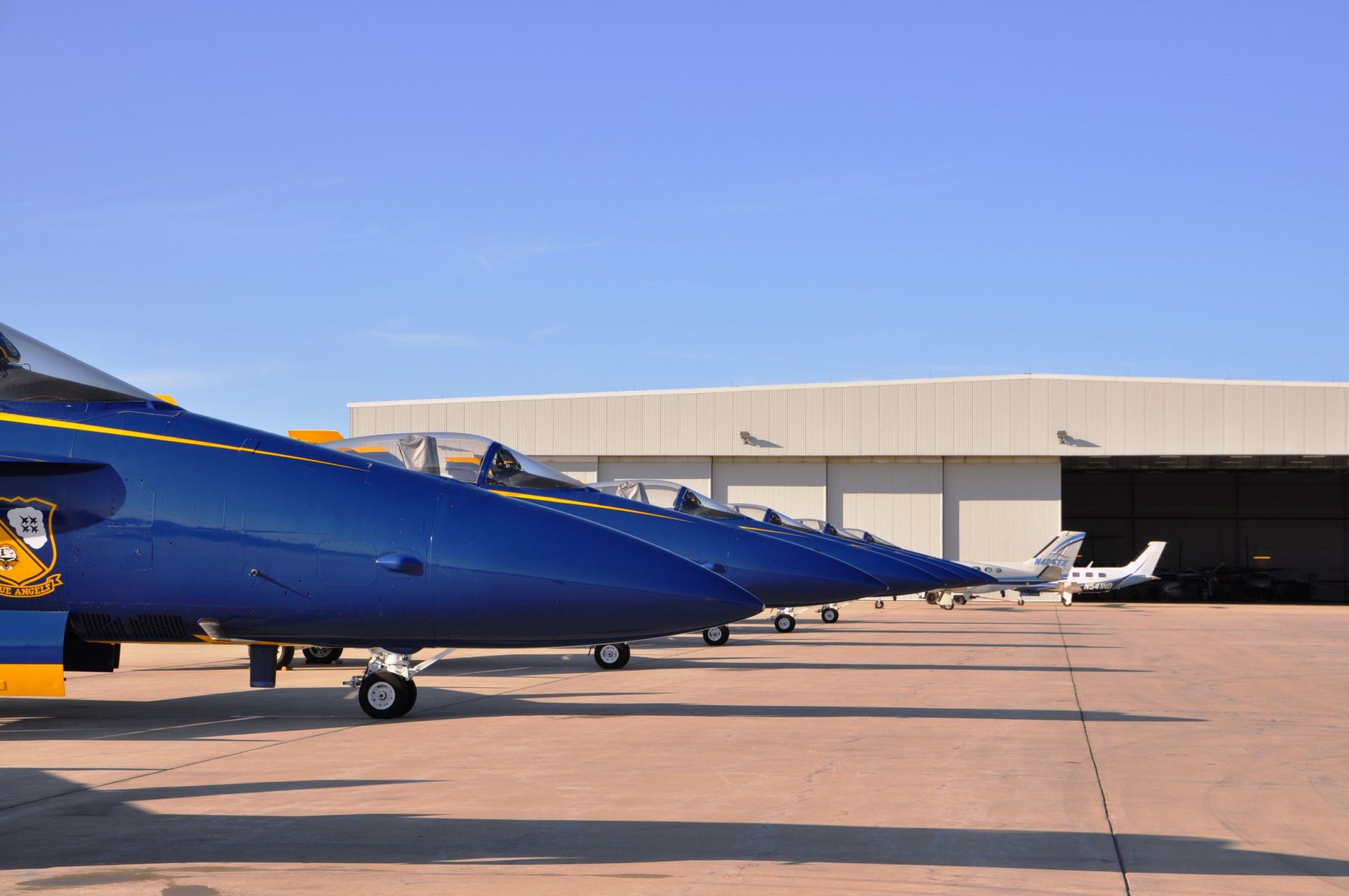
Do not assume that experience on a military aircraft will automatically qualify you to certify a comparable civil aircraft. The aircraft may use different systems, maintenance data and approval procedures. The regulator may also require evidence that you understand civil continuing-airworthiness controls.
For a wider explanation of how licensing systems differ, see our guide to EASA certification privileges versus FAA A&P sign-off privileges.
Which route gives better aircraft experience?
That depends on what you mean by better.
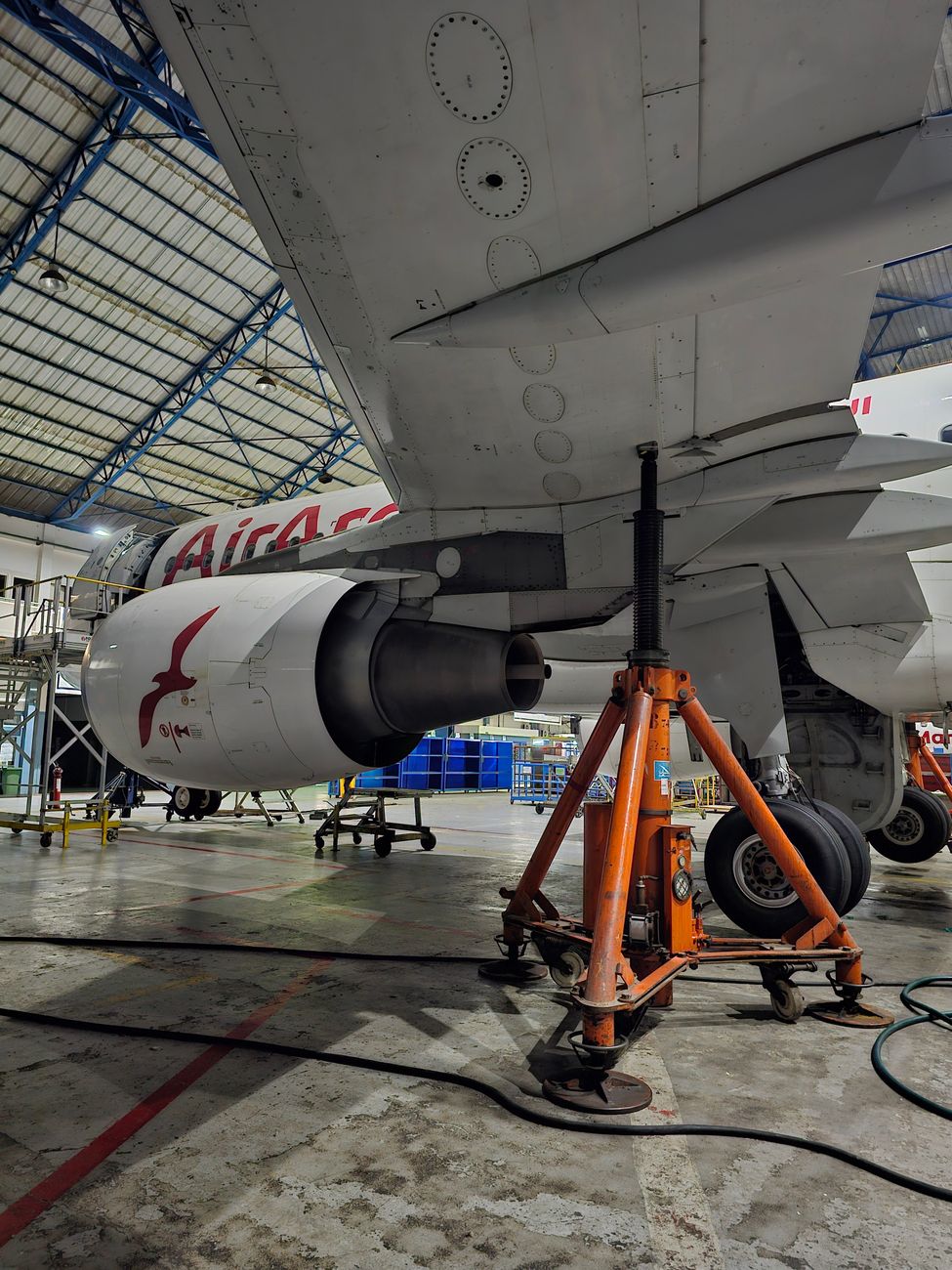
A military apprentice may gain intensive experience on complex aircraft and work in technically demanding conditions. The exposure can be broad, and the standard of engineering discipline is high.
A civilian apprentice may gain more directly relevant experience for airline or maintenance organisation employment, particularly if the programme includes routine access to operational aircraft, approved maintenance data and civil technical records.
When comparing schemes, look beyond the aircraft name. Ask:
- How much hands-on maintenance will apprentices actually perform?
- Will the work be recorded for licensing purposes?
- Who signs off the experience?
- Is the organisation approved to perform the relevant maintenance?
- How much time is spent in classrooms, workshops and on aircraft?
- Will you work across multiple aircraft systems?
- Does the employer support future UK CAA or EASA licensing?
The aircraft type is important, but the quality, relevance and traceability of the maintenance experience are equally important. Our guide to why aircraft maintenance is safety-critical explains why competence, accountability and accurate records matter in both environments.
What happens if you want to change route later?
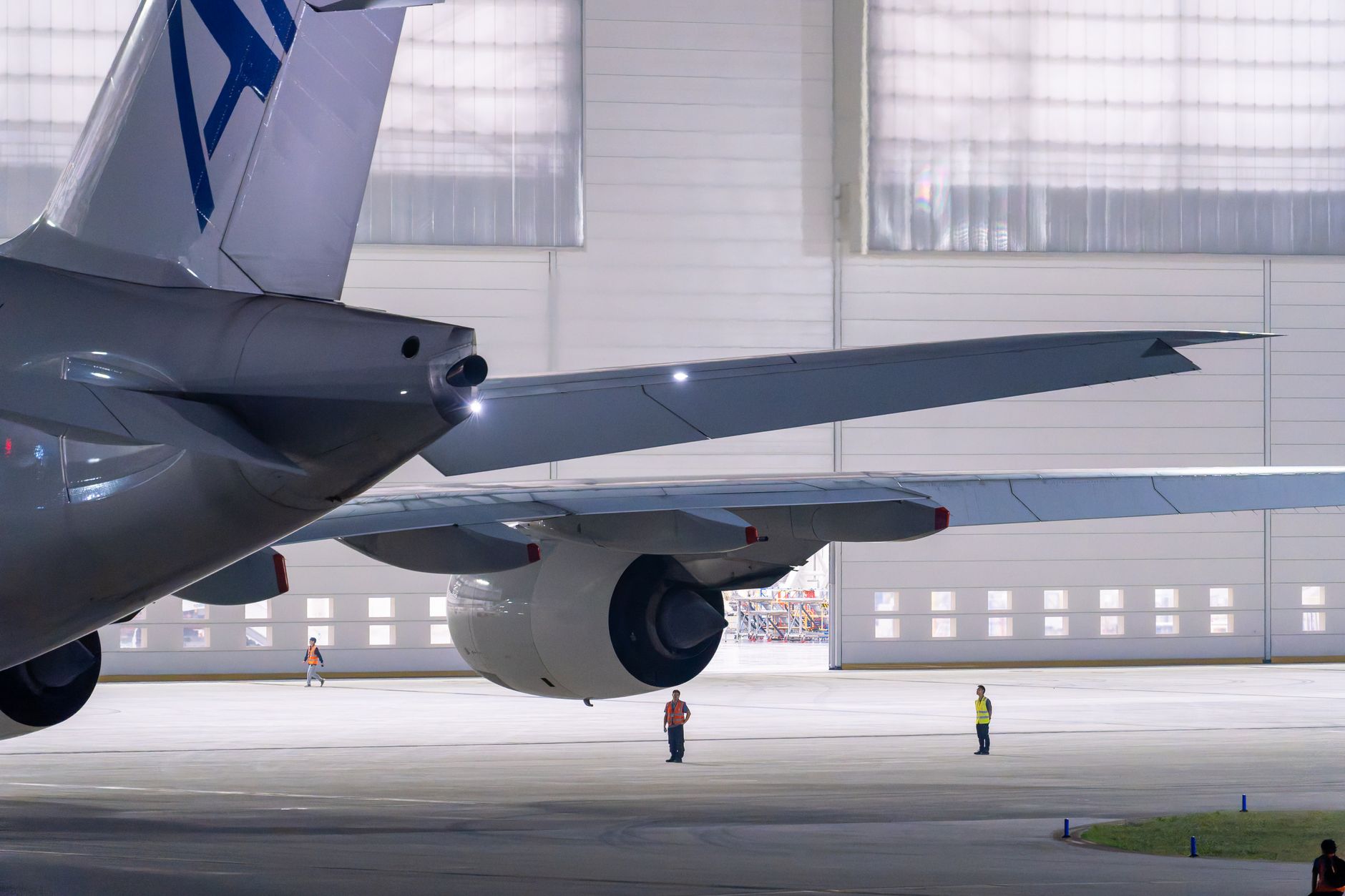
Changing from military to civilian aviation is possible, but it requires planning. You may need to supplement your military experience with civil aircraft exposure, complete additional examinations or address limitations on a licence application.
Changing from civilian to military aviation is also possible in some circumstances, although military recruitment has its own eligibility, medical, security and service requirements. A civilian apprenticeship does not guarantee entry into a military engineering trade.
If you are undecided, choose the route that matches the working environment you would be willing to accept for several years, not merely the route that appears to offer the most attractive qualification.

A practical decision test
A civilian apprenticeship is probably the better choice if:
- You want to work for an airline, maintenance organisation or civil aerospace company
- You prefer to remain in a specific UK region
- You want your training closely aligned with civil Part-66 requirements
- You do not want a military service commitment
- You are interested in commercial aircraft operations and airline maintenance
A military apprenticeship is probably the better choice if:
- You actively want a career in the Armed Forces
- Military aircraft and defence engineering are your primary interests
- You are comfortable with postings, exercises and service obligations
- You value structured military training and progression
- You are prepared to plan carefully for any later move into civil maintenance
If your only reason for considering the military route is that it appears to offer technical training at low personal cost, examine the commitment carefully. Military training is an employment and service pathway, not simply an alternative college course.

Questions to ask before accepting an apprenticeship
Before signing an offer, ask the provider or employer:
- Which UK or European qualifications are included?
- Is the programme linked to UK Part-66, EASA Part-66 or neither?
- Which maintenance experience can be counted towards a licence?
- How will practical tasks be recorded and verified?
- Who is authorised to sign the experience records?
- Which aircraft categories and systems will I work on?
- Is there a guaranteed job or progression route after completion?
- If the scheme is military, what is the service commitment?
- If I later transfer to civil aviation, what support will be available?
- Which regulator will assess my eventual licence application?
These answers are more useful than relying on the job title aircraft engineer apprentice. If you are still exploring the profession, read our guide to starting a career in aircraft maintenance.
What about the FAA A&P route?
The US FAA Airframe and Powerplant (A&P) certificate is a separate American licensing system. It should not be treated as the default route for UK or European apprentices. The FAA's guidance on becoming a mechanic explains the US eligibility and certification route.
If you intend to work in the United States, an FAA pathway may be relevant. For a UK or EASA career, focus instead on the requirements of the UK CAA Part-66 or EASA Part-66 system that applies to your intended employer and aircraft.
The bottom line
Choose a civilian aviation apprenticeship when your priority is a direct, traceable route into airline, maintenance organisation or civil aerospace maintenance.
Choose a military aviation apprenticeship when you genuinely want military service and are prepared to manage the additional step of translating military experience into the civil regulatory environment later.
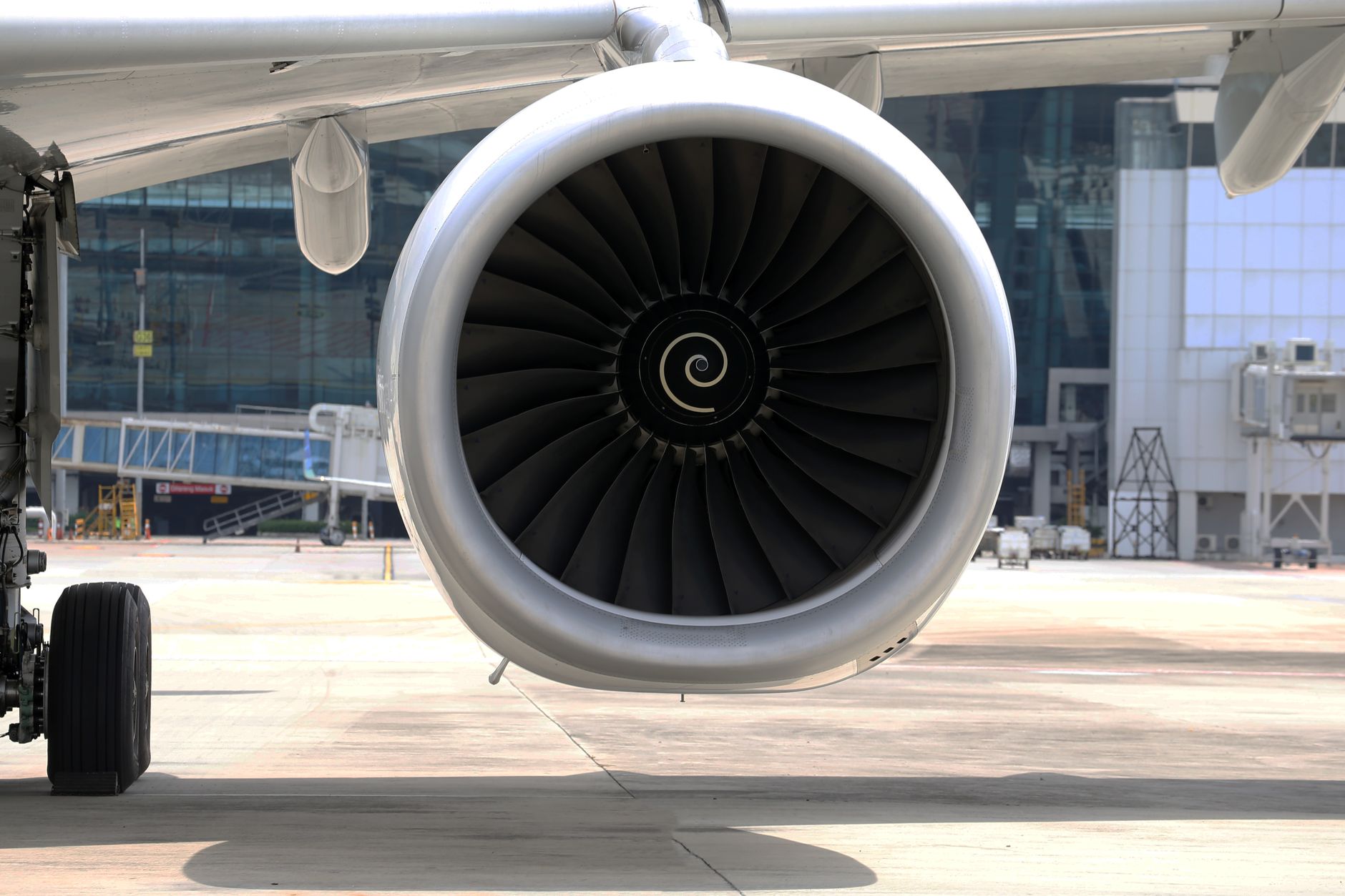
Both routes can produce highly capable aircraft technicians. The strongest choice is the one that matches your intended workplace, lifestyle and licensing destination, and gives you properly supervised, accurately documented maintenance experience from the beginning.
For more guidance on aviation careers, qualifications and licensing, visit the AeroTech Careers Blog or explore current aircraft mechanic jobs.




Login or register to join the conversation.
Join the discussion
0 comments