



If you’re a licensed aircraft engineer, mechanic, or avionics technician, create your free AeroTechCareers profile to showcase your competencies and be found by recruiters actively searching for engineers like you.
Preventing Repeated Maintenance Errors Across Multiple Aircraft Systems
Aircraft maintenance errors rarely remain confined to one component. A missed inspection, incorrect configuration or incomplete record can be repeated across several aircraft systems when the underlying cause is a common procedure, software workflow, training gap or communication failure.
This makes repeated errors more serious than isolated mistakes. An incorrect torque value entered into a maintenance system, for example, may be copied into work packages for flight controls, landing gear and engine installations. Similarly, an ineffective handover can allow the same unresolved defect to move between shifts, aircraft and maintenance locations.
Preventing recurrence requires more than correcting the individual aircraft. Organisations must identify the systemic cause, control the work across all affected systems and verify that the corrective action has been effective.
Why errors are repeated across multiple systems
Repeated maintenance errors commonly arise from shared weaknesses rather than one technician's action. Typical causes include:
- ambiguous or outdated maintenance instructions;
- incorrect task cards or work-package templates;
- duplicated records in disconnected maintenance systems;
- poor configuration control;
- incomplete shift handovers;
- unclear responsibility for defect rectification;
- insufficient task-specific training;
- production pressure and interrupted work;
- inadequate control of tools, parts or software data; and
- failure to communicate a known error to other teams or aircraft.
The risk increases when maintenance data is held in separate systems. Engineering, planning, stores, quality and continuing-airworthiness teams may each hold part of the relevant information. Manual re-entry increases workload and the likelihood of transcription errors. It also creates data silos, making it difficult to identify that the same mistake has occurred on more than one aircraft or system.

A repeated error can therefore remain invisible if each event is reviewed separately. Organisations should also consider recognised maintenance human-factors risks, including fatigue, interruption, poor communication and authority gradients. The SKYbrary human factors guidance provides useful aviation safety context for these risks.
Detect the pattern before correcting the aircraft
The first priority is to determine whether an error is isolated or systemic. Maintenance organisations should compare:
- aircraft registration and type;
- affected system and component;
- task card or maintenance data reference;
- technician and shift;
- location and maintenance input;
- tooling and software version;
- part number and batch;
- inspection status;
- defect and rectification codes; and
- dates, operating hours and cycles.
This information should be searchable across the fleet. A defect-recording system that only shows an individual aircraft's history may not identify a recurring problem affecting the same task on several aircraft.
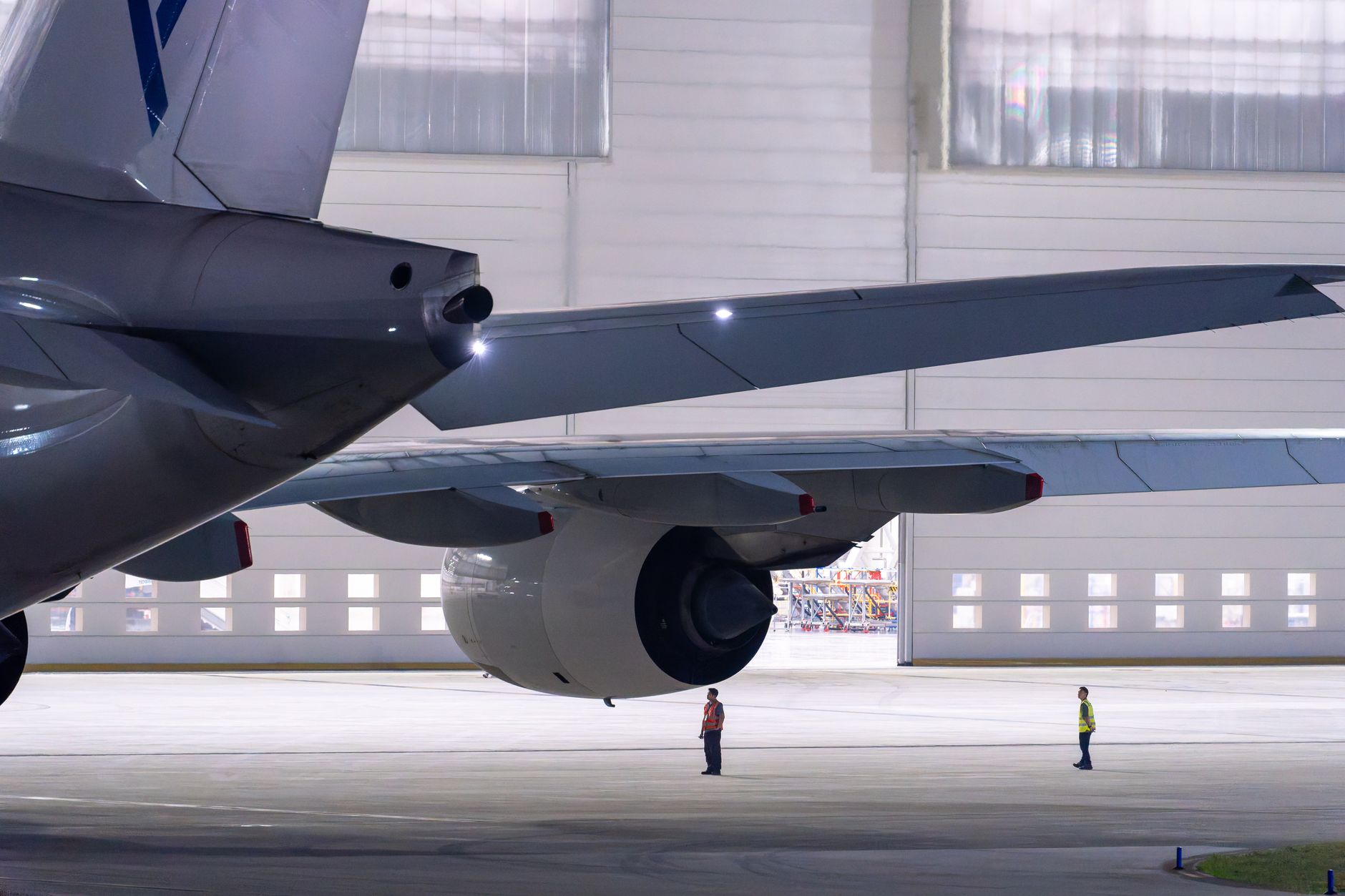
Trend monitoring should include confirmed errors and near misses. A near miss may show that a procedure, interface or inspection method is allowing the same failure mechanism to develop repeatedly. Waiting for a component failure or operational event is an ineffective safety strategy.
The FAA's official maintenance handbooks and guidance illustrate the importance of disciplined inspection and maintenance practices. This US guidance is not a UK or EASA regulatory requirement, but it reinforces the value of proactive maintenance against correct technical data.
Contain the risk across the fleet
When a repeated error is suspected, the organisation should define the scope of containment immediately. Depending on the risk, this may include:
- stopping the affected task or work package;
- identifying every aircraft on which the task has been completed;
- checking open and recently closed records;
- reviewing aircraft that received the same part, software or procedure;
- quarantining suspect parts or tooling;
- issuing a controlled technical instruction;
- requiring a second inspection or reinspection; and
- notifying the relevant continuing-airworthiness and quality functions.
Containment must be controlled through the organisation's approved procedures. A general email or informal briefing is not a substitute for a traceable instruction linked to the affected aircraft and maintenance records.
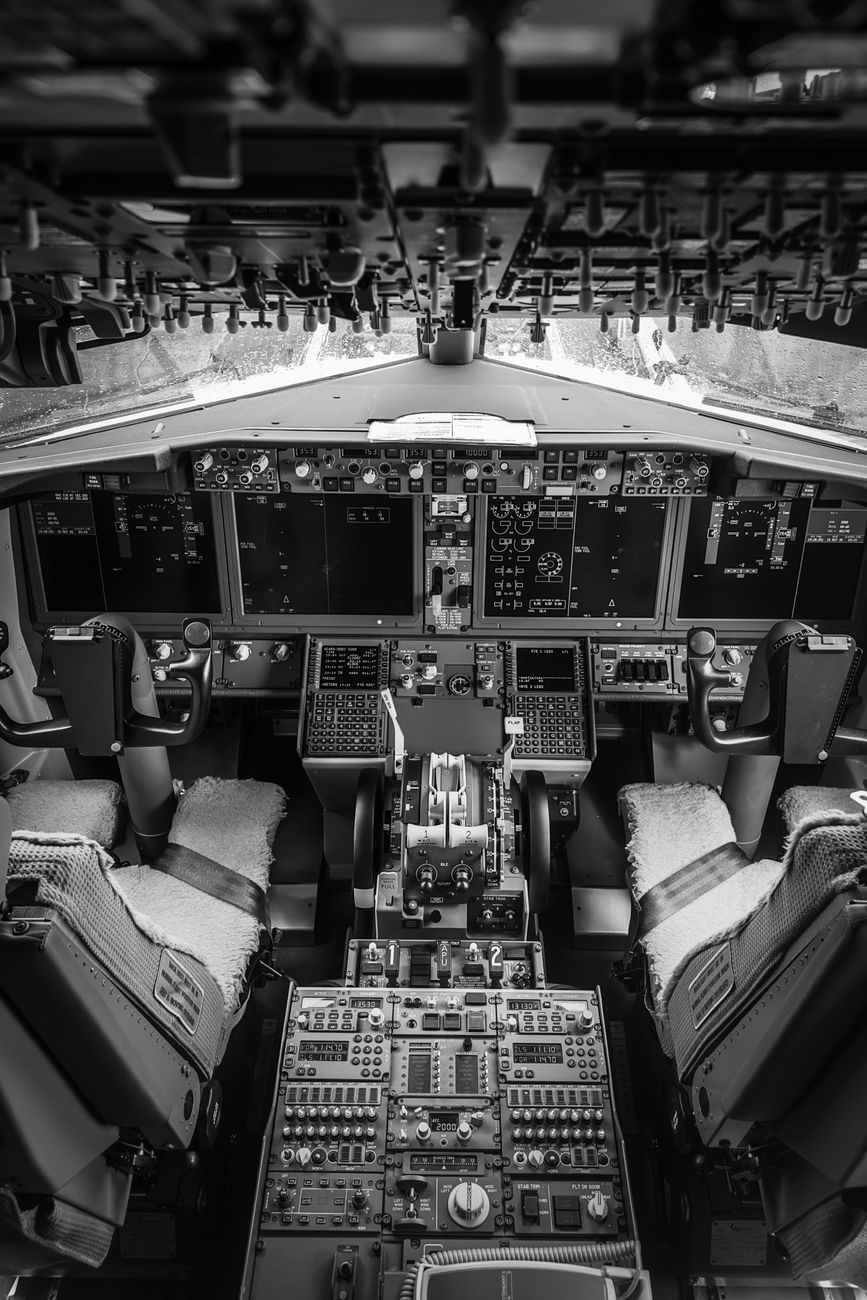
The response should distinguish between an error that affects airworthiness and an administrative discrepancy. If an incorrect task status, configuration or release-to-service entry could conceal an unsafe condition, appropriately authorised personnel must assess the aircraft's status before further operation.
Use critical-task controls consistently
Tasks affecting flight controls, powerplant installation, landing gear, pressurisation, fuel systems, avionics interfaces or other safety-significant functions require particularly strong controls. The exact classification and inspection requirements depend on the applicable approved maintenance organisation procedures and regulatory framework. Organisations should consult the applicable EASA continuing-airworthiness rules or UK CAA maintenance organisation requirements.
Useful controls include:
- clear identification of critical maintenance tasks;
- controlled access to current maintenance data;
- task sequencing that reduces configuration errors;
- tool and material verification before installation;
- independent inspection where required;
- confirmation of the correct system configuration;
- positive identification of removed and installed components;
- completion of all close-up and restoration actions; and
- an unambiguous record of who performed and who inspected the work.
An independent inspection is not simply a second signature. The inspector must be sufficiently independent from the original task and must perform the inspection using an appropriate method. Repeating the same assumption or copying the first person's result does not provide meaningful error detection. For a detailed explanation of qualifications, authorisation and independence, read Who Can Perform an Independent Inspection?
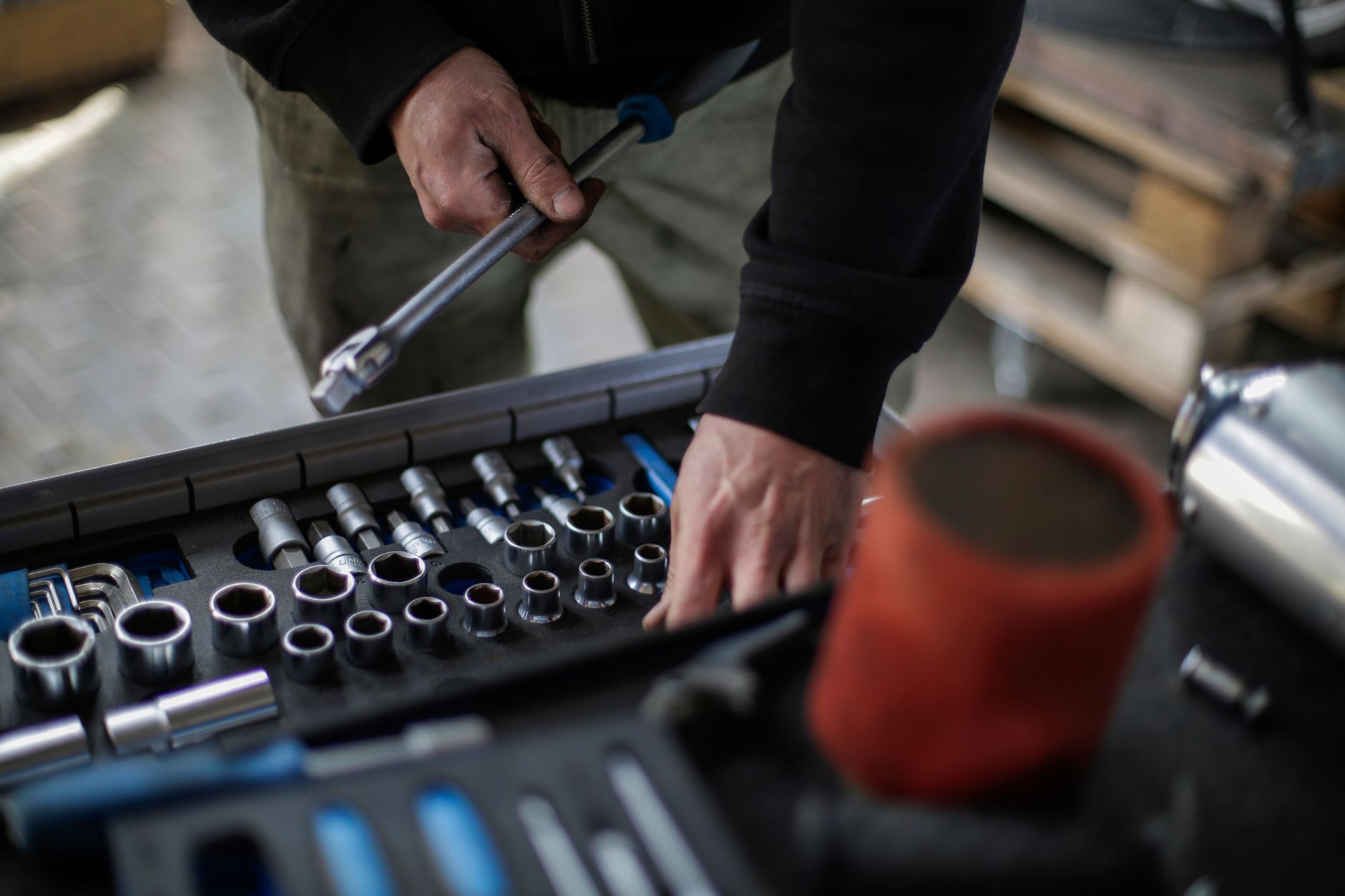
Human factors can also undermine an otherwise sound inspection process. Learn how complacency, pressure and poor handovers contribute to failures in Human Factors in Independent Inspection Failures.
Where the same task is performed on multiple systems or aircraft, inspection sampling should not be assumed to prove fleet-wide compliance. The organisation should establish why the error occurred and determine whether every affected item requires inspection.
Strengthen maintenance data and configuration control
Maintenance instructions are a common source of repeated errors. A document may contain an incorrect value, unclear illustration, obsolete part reference or step that does not match the aircraft configuration.

Organisations should control:
- aircraft and component effectivity;
- revision status;
- engineering orders and temporary instructions;
- software and database versions;
- task-card templates;
- electronic sign-off logic;
- deferred-defect references; and
- links between scheduled maintenance and defect rectification.
A correction should be implemented at the source. If a task card is defective, correcting individual aircraft records without updating the controlled task allows the error to return at the next maintenance input.
Electronic maintenance systems can reduce duplication, but only when properly integrated. Integration should allow authorised users to see relevant aircraft status, open defects, completed tasks, parts history and applicable technical instructions without manually reproducing the same information in several applications.

Data integration must also include validation and access controls. An automated system can distribute an incorrect value as efficiently as a correct one. Changes to templates, rules and interfaces should therefore be subject to configuration management, testing and approval.
Improve handovers between teams
Errors often cross organisational boundaries. Planning may issue a task without the latest engineering instruction. Stores may provide a visually similar but incorrect part. A technician may leave a task incomplete without clearly recording the aircraft configuration. The next shift may then close the work using an assumption rather than verified information.
Effective handovers should identify:
- what has been completed;
- what remains open;
- the aircraft and system configuration;
- parts or tools still outstanding;
- temporary measures in use;
- independent inspections still required;
- technical queries awaiting resolution; and
- any restriction on aircraft release.
The handover record should be specific enough for another authorised person to understand the aircraft's status without relying on informal conversation. For a practical checklist, see Aircraft Maintenance Shift Handover Checklist.
Align occurrence reporting with safety action
Occurrence reporting is essential when a maintenance error or near miss may reveal a hazard beyond one aircraft. For EASA-regulated organisations, occurrence reporting aligns with EASA occurrence-reporting requirements and Regulation (EU) No 376/2014. UK organisations should follow the applicable UK CAA occurrence-reporting guidance.
The regulatory systems are distinct, but the safety objective is the same: report significant events, protect relevant information, identify hazards and prevent recurrence.
A report should not end with a statement that a technician used the incorrect procedure. The investigation should ask:
- Why was the incorrect procedure available?
- Was the approved data difficult to access?
- Did the task card or software encourage the error?
- Was the person trained and authorised for the task?
- Were workload, fatigue or interruption factors present?
- Did the inspection process detect the error?
- Could the same condition exist on other aircraft?
- Were previous reports available but not connected?
- Has the corrective action removed the cause rather than the symptom?
The resulting action should be assigned to an accountable owner with a due date and an effectiveness check. Closing a corrective-action record because a briefing was delivered does not demonstrate that the error has been prevented. A fair reporting culture is important, as explained in Just Culture in Aircraft Maintenance.
Apply the UK and EASA regulatory framework correctly
For UK organisations, maintenance personnel operate within the UK CAA regulatory system, including UK Part-66 licensing and the relevant approval requirements for maintenance organisations and continuing-airworthiness functions. EASA-regulated organisations apply the corresponding EASA framework, including EASA Part-66 and Part-145 requirements where applicable.
A Part-66 licence demonstrates the required licensing standard for the relevant category and privileges. It does not, by itself, remove the need for aircraft-type training, company authorisation, current competence or compliance with approved maintenance data. Preventing repeated errors depends on the whole maintenance system, not solely on individual licence status.
Experience and task evidence must also be accurately recorded through the organisation's approved processes. For UK engineers, CAP 741 logbooks may support structured recording of maintenance experience, but a logbook is not a replacement for controlled work records, inspection records or occurrence reports. See How to Fill Out a CAP 741 Logbook and Common CAP 741 Logbook Mistakes for practical guidance.

Account for new aircraft and propulsion technologies
The regulatory environment is changing as aircraft systems and propulsion technologies develop. Organisations working with electric or non-conventional aircraft should ensure that procedures cover high-voltage isolation, stored energy, software control, thermal management and the interaction between conventional and electric propulsion systems.
The principle remains the same: the maintenance system must identify the actual risk and ensure that the person performing or inspecting the task is competent and authorised. Regulatory changes should always be checked against the current requirements of the relevant authority rather than assumed to apply across jurisdictions.
Verify that corrective action works
A recurring error is not prevented merely because a revised procedure has been published. Effectiveness must be measured after implementation.

Suitable checks may include:
- targeted audits of the revised task;
- sampling of completed work across multiple aircraft;
- review of inspection findings;
- comparison of repeat-defect rates;
- observation of the task in practice;
- verification that old documents have been withdrawn;
- confirmation that electronic systems display the correct revision;
- assessment of relevant training; and
- review of new occurrence and near-miss data.
The review should take place after sufficient maintenance activity has occurred to provide meaningful evidence. If the error reappears, the organisation should reopen the investigation rather than repeatedly issue reminders.
A practical prevention cycle
A robust response to repeated maintenance errors can be structured as follows:
- Detect: identify the error through inspection, reporting, audit or trend monitoring.
- Contain: control the risk on the affected aircraft and across the potentially affected fleet.
- Identify: establish the common procedure, data, component, system or organisational weakness.
- Correct: amend the maintenance instruction, configuration, training or workflow.
- Communicate: issue the controlled change to every affected function and location.
- Verify: check the aircraft and records that may already have been exposed.
- Report: submit the occurrence through the applicable UK or EASA process.
- Measure: determine whether the corrective action has prevented recurrence.
Repeated maintenance errors are usually evidence of a system that permits the same mistake to pass through several barriers. Effective prevention combines accurate technical data, integrated records, disciplined handovers, critical-task controls, independent inspection and evidence-based safety reporting. The objective is not simply to correct one aircraft, but to prevent the same error from being reproduced anywhere else in the fleet.

Keep your Part-66 experience records organised and ready for review: Analyze Your Logbook Today!




Login or register to join the conversation.
Join the discussion
0 comments