


If you’re a licensed aircraft engineer, mechanic, or avionics technician, create your free AeroTechCareers profile to showcase your competencies and be found by recruiters actively searching for engineers like you.
Why Aircraft Maintenance Is a Safety-Critical Career: Responsibility, Accountability and Human Factors
Aircraft maintenance is often described as a practical engineering career. That is true, but it does not go far enough.
The work is safety-critical because every inspection, adjustment, replacement and certification decision can affect whether an aircraft operates safely. The consequences may not be visible when the task is completed. A missed fastener, incomplete inspection or misunderstood handover can remain hidden until the aircraft is in service.
Aircraft maintenance therefore demands more than technical ability. It requires disciplined decision-making, personal accountability and a working understanding of human factors.
Responsibility begins before the spanner comes out
In a UK or European maintenance environment, safety is built into the approved system in which the engineer works. Organisations operating under UK CAA or EASA Part-145 approval must use the correct technical data, suitable facilities, appropriate tools and controlled procedures. The UK CAA Part-145 guidance and EASA information on continuing airworthiness organisations explain the regulatory framework behind these controls.
This creates an important professional obligation: if the conditions are not right, the work should not continue.
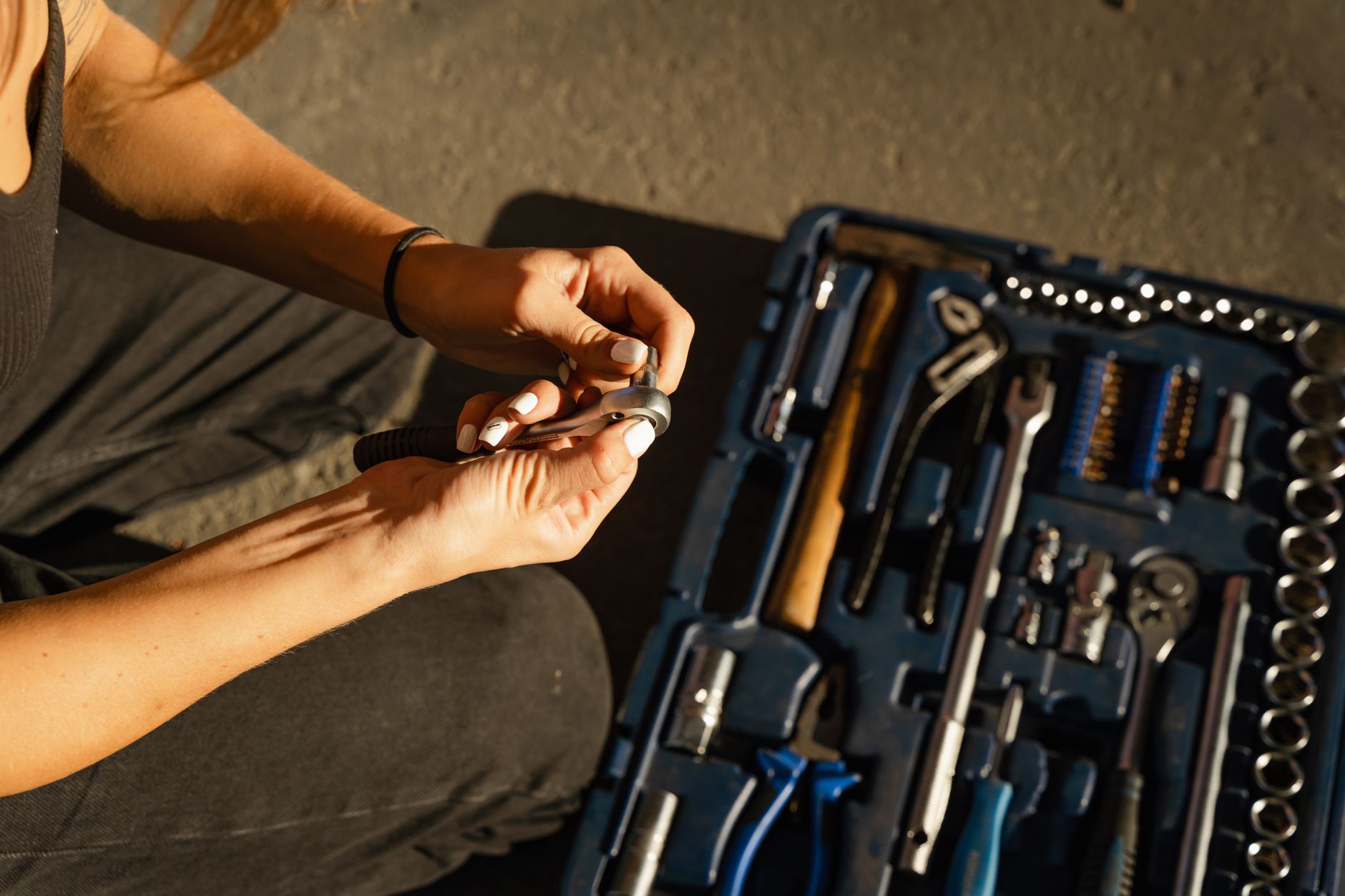
A missing tool, unclear maintenance instruction, unsuitable component or unresolved discrepancy is not an inconvenience to work around. It is a reason to stop, clarify the situation and escalate the issue. The professional response is not, “We have always done it this way.” It is, “What evidence confirms that this is safe and compliant?”
That stop-work mindset is one of the clearest differences between aircraft maintenance and many other engineering environments. Production pressure may be real, but it cannot override airworthiness requirements.
Accountability is both personal and organisational
Aircraft engineers are accountable for the work they perform and for the accuracy of the records they complete. Certifying staff must sign only for maintenance that has been carried out, inspected where required and completed in accordance with approved data and procedures.
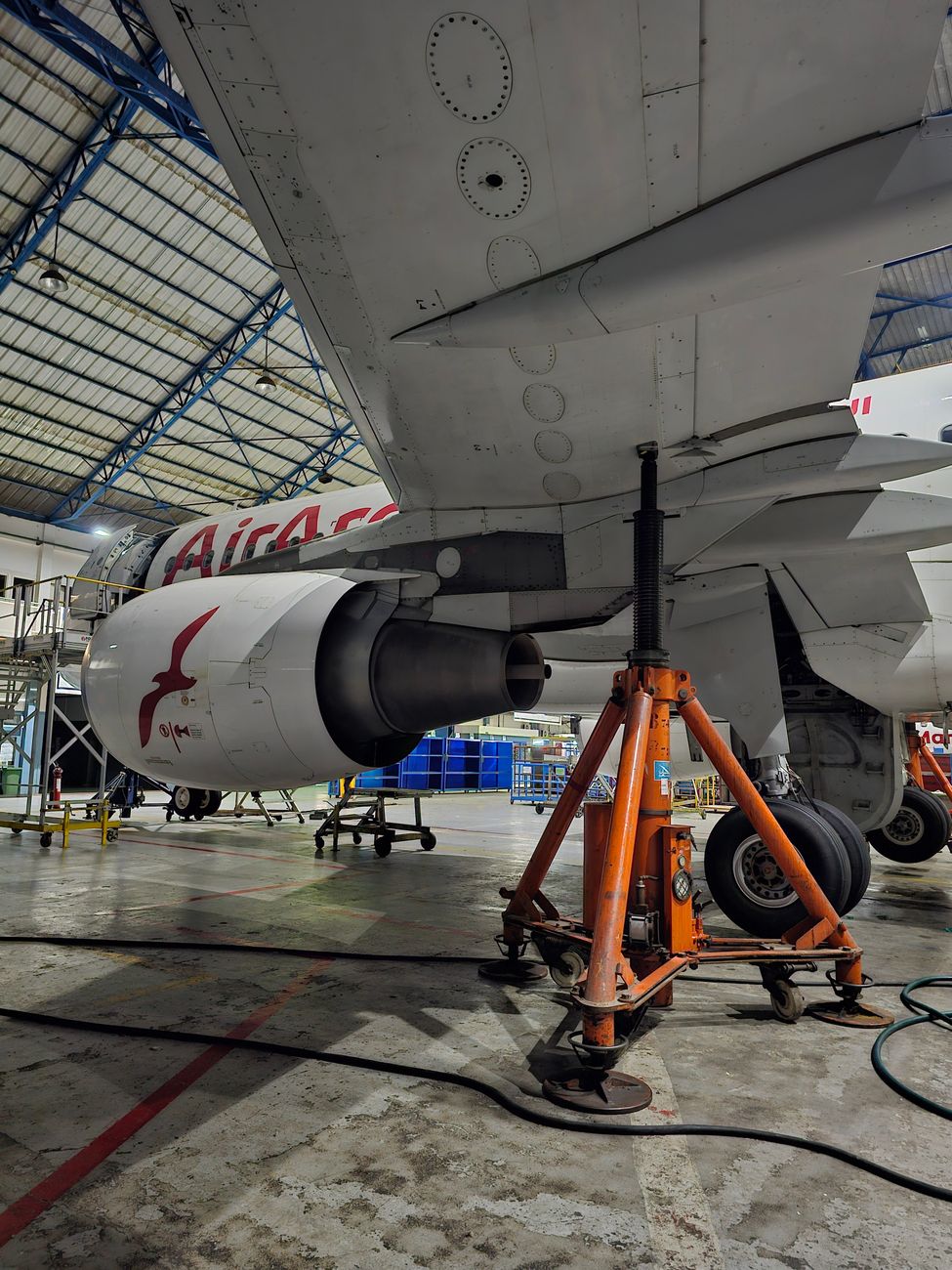
A signature in a technical log or maintenance record is not an administrative formality. It is a professional statement that the signer has sufficient knowledge, authority and evidence to make that certification.
Accountability does not, however, sit solely with the individual technician. Under the Part-145 system, the organisation is responsible for establishing and controlling the processes, competence standards and quality arrangements that support safe maintenance. The accountable manager and nominated postholders must ensure that the organisation complies with applicable requirements, while supervisors and certifying staff operate within their authorisations and responsibilities.
This distinction matters. A safety culture should never rely on an individual quietly compensating for weak procedures, inadequate staffing or poor planning. The organisation must provide a system in which safe decisions are possible and expected.
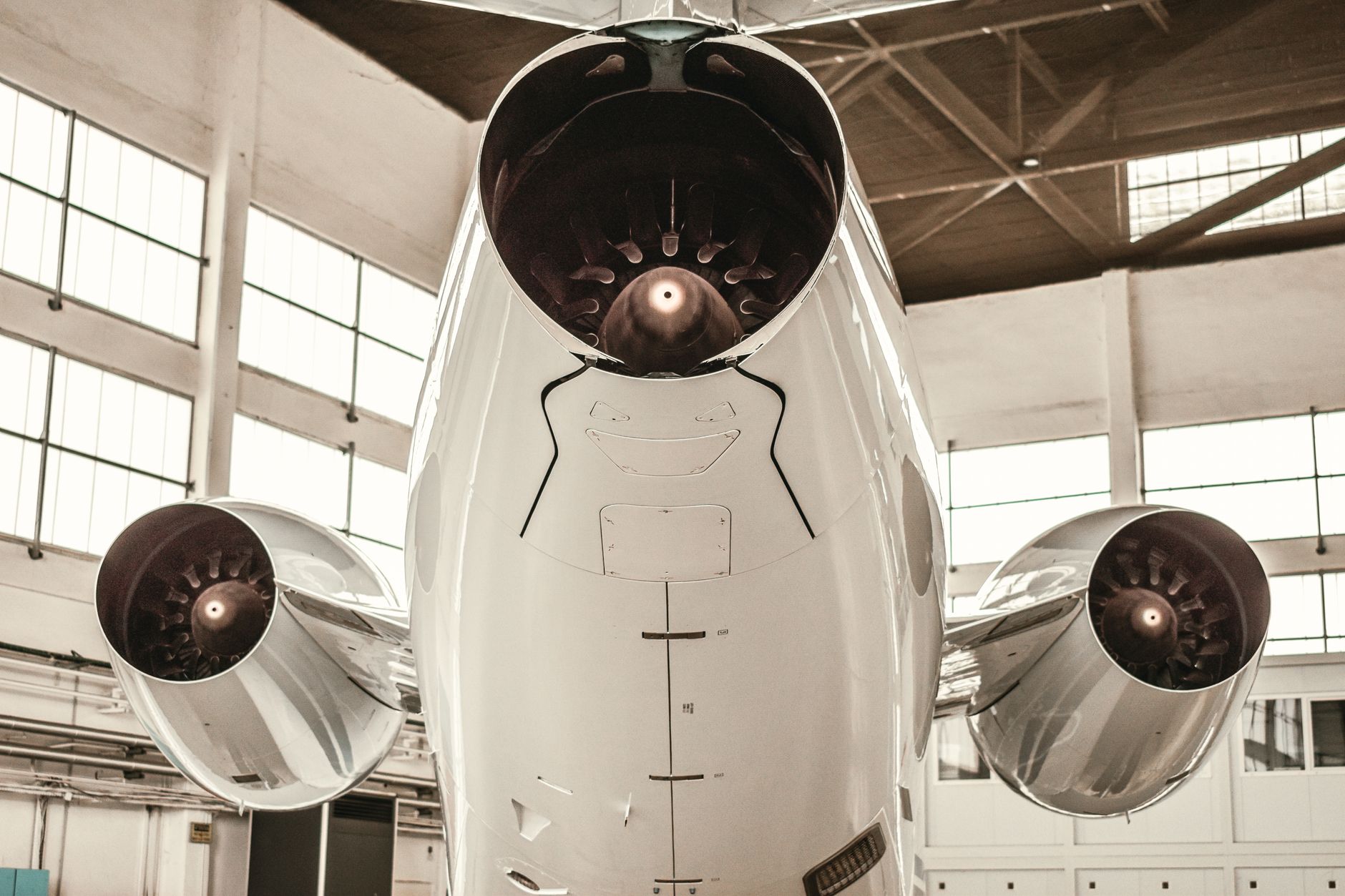
For a closer look at who may carry out a controlled independent inspection, read our guide to who can perform an independent inspection in aircraft maintenance.
Part-145 and the anatomy of a safe maintenance task
UK CAA and EASA Part-145 requirements place strong emphasis on how maintenance is performed, not simply on whether a task eventually appears to be complete.
A robust maintenance process should ensure that:
- The task is performed using current and applicable maintenance data.
- The necessary tools, equipment and materials are available and serviceable.
- Each maintenance task is completed before it is signed off.
- Work performed under supervision is checked and certified by an appropriately authorised person.
- Critical steps are clearly identified, particularly where an error could affect the aircraft’s operating safety.
- Independent inspections or equivalent error-capturing methods are applied where required.
- Repeated errors on redundant or interconnected systems are actively prevented.
The purpose is not to create paperwork for its own sake. These controls are layers of defence. They recognise that competent people can still make mistakes, particularly when working at night, under time pressure or with incomplete information.
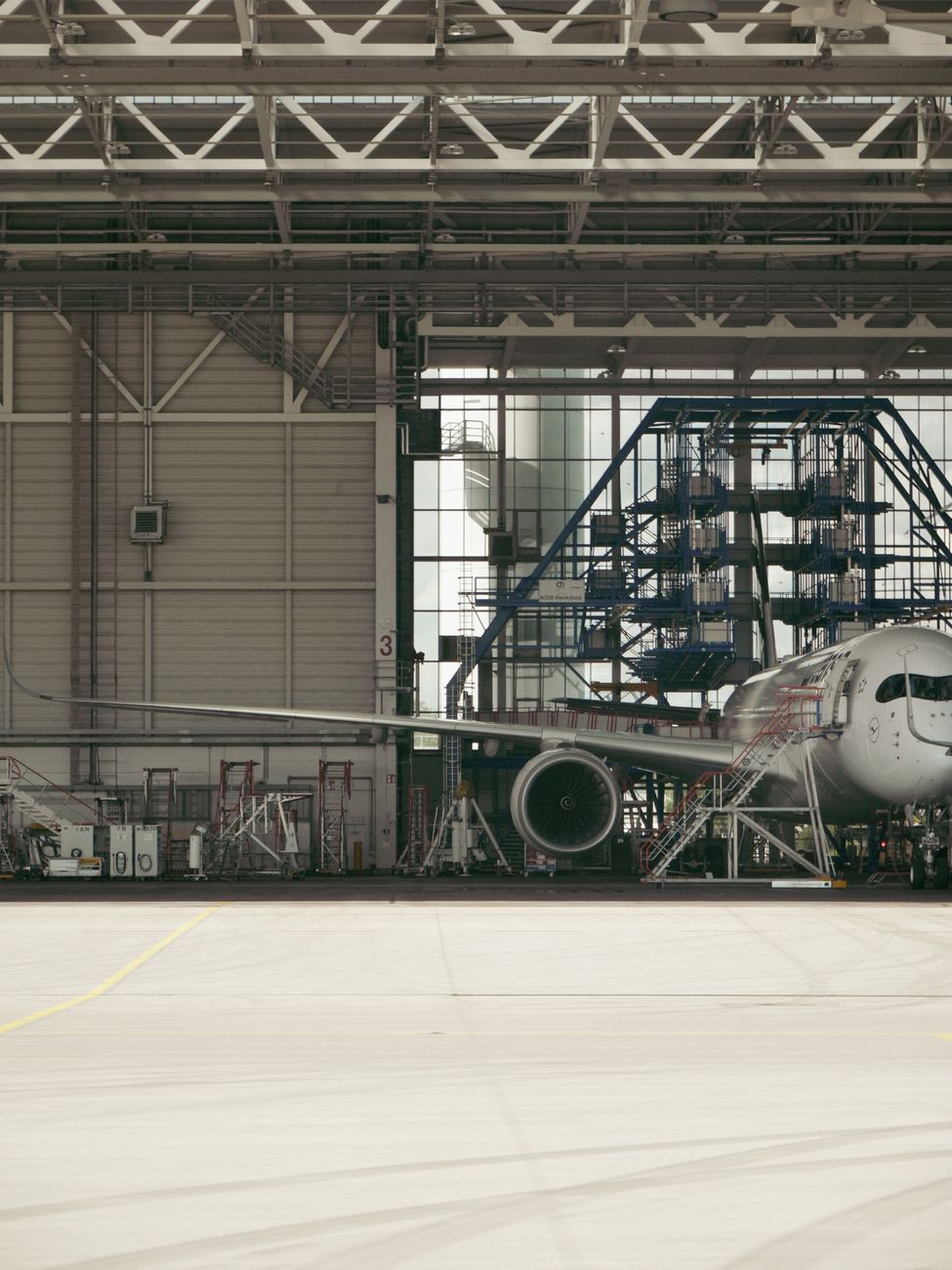
The system is designed so that one error does not automatically become an aircraft-level failure. Maintenance teams should also understand how their organisation defines critical tasks and records inspection evidence within its approved procedures.
The engineer’s licence represents controlled responsibility
For UK-based engineers, aircraft maintenance licensing is primarily governed by UK CAA Part-66. In EASA member states, the equivalent framework is EASA Part-66. The UK CAA Part-66 requirements and EASA Part-66 information cover the knowledge, experience and examination standards associated with licensed aircraft maintenance roles.
A licence does not mean that an engineer can certify any aircraft or any task. Certification privileges depend on the licence category, aircraft type training, organisational authorisation, recent experience and the specific scope of work involved.

That limitation is a safety feature, not a restriction to be bypassed. Engineers considering this career can also explore our guide to becoming a licensed aircraft maintenance engineer and our overview of Part-147 training schools.
Experience must also be properly evidenced. In the UK, engineers commonly use CAP 741 logbooks to record practical maintenance experience and the tasks that support their licence progression. Accurate records matter because they demonstrate what was actually done, under what conditions and with what level of responsibility. An incomplete or retrospective record can weaken both a licence application and the evidence supporting professional competence. See our guidance on how to fill out a CAP 741 logbook and the common CAP 741 logbook mistakes that delay applications.
Former military personnel may also be able to use relevant service experience towards civilian licensing or recognition routes through UK CAA and UK Ministry of Defence-related processes. Recognition is not automatic. Military experience must be supported by appropriate documentation and assessed against the applicable civil requirements. The principle remains the same: responsibility must be demonstrated through evidence, not simply claimed through a job title.
For comparison, the FAA’s Airframe and Powerplant, or A&P, certification is a US-specific system. The FAA mechanic certification guidance should not be treated as the default equivalent of a UK CAA or EASA Part-66 licence, even though the underlying professional expectation, competence supported by accountable certification, is shared internationally.
Ready to organise your maintenance experience more effectively? Analyse Your Logbook Today! Our Part 66 Logbook Analysis product helps aviation professionals review their records and support better licence planning.
Human factors are part of technical competence
Aircraft maintenance is performed by people, and people are affected by fatigue, workload, interruptions, assumptions and communication failures. Human factors are therefore not an optional addition to technical training. They are part of maintaining airworthiness. SKYbrary’s human factors guidance provides further aviation safety context on how people, procedures and working conditions interact.
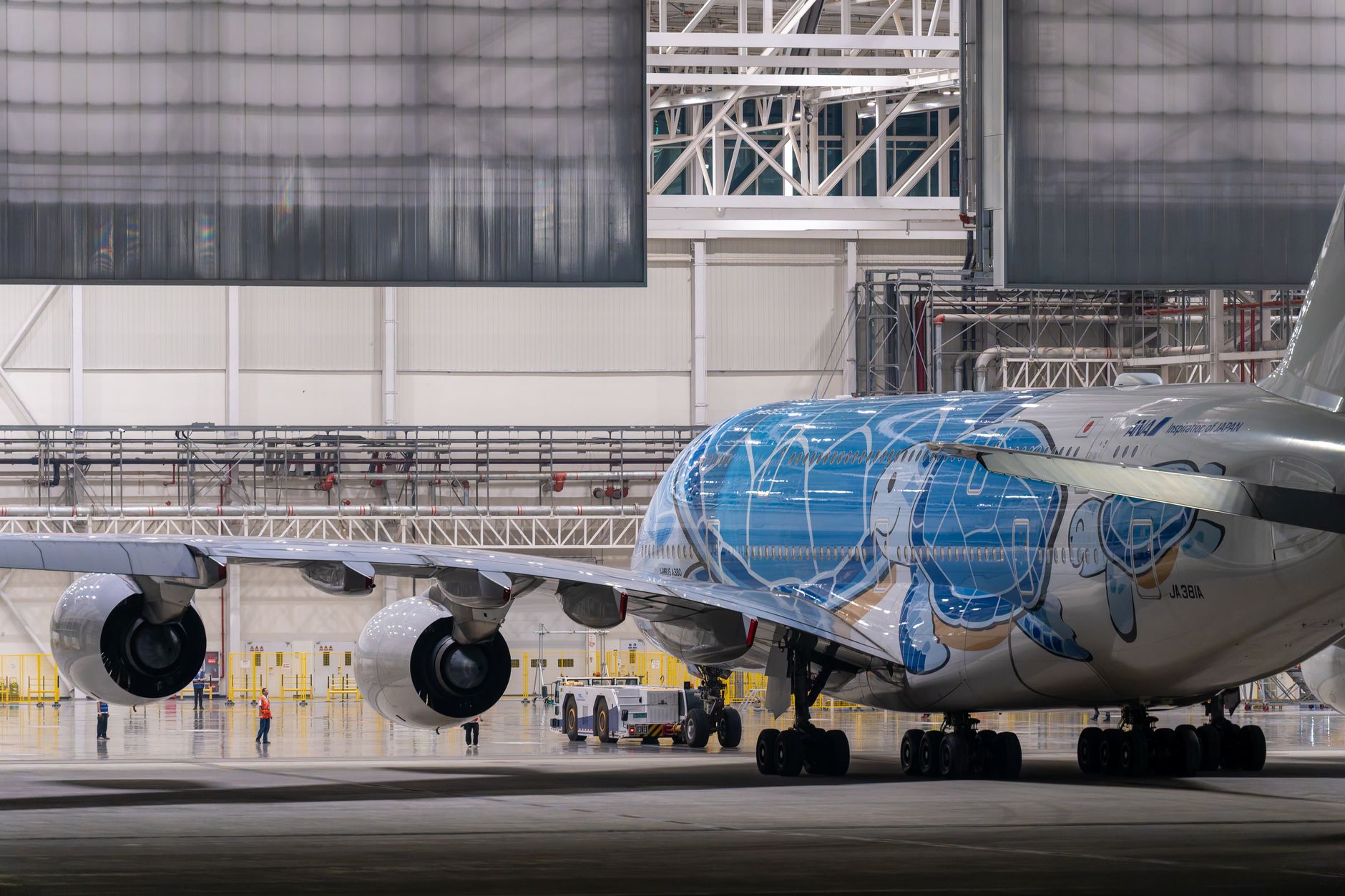
UK CAA and EASA Part-145 organisations must establish and control the competence of personnel involved in maintenance, quality activities and related functions. That competence includes an understanding of human factors and human performance issues appropriate to each person’s role.
In practical terms, this includes recognising risks such as:
- Fatigue caused by night work, shift patterns or insufficient rest.
- Poor communication during shift handovers.
- Pressure created by aircraft-on-ground events or departure deadlines.
- Distraction and interruption during critical tasks.
- Inadequate lighting, noise or restricted access in the hangar or on the ramp.
- Complacency when carrying out familiar work.
- Over-reliance on memory rather than approved data.
- Ambiguous task ownership between teams or shifts.
These risks are often grouped under the familiar “Dirty Dozen” human-factor preconditions, but the label is less important than the behaviour it encourages. Engineers must be able to identify when the working environment is increasing the likelihood of error and take action before the error reaches the aircraft.
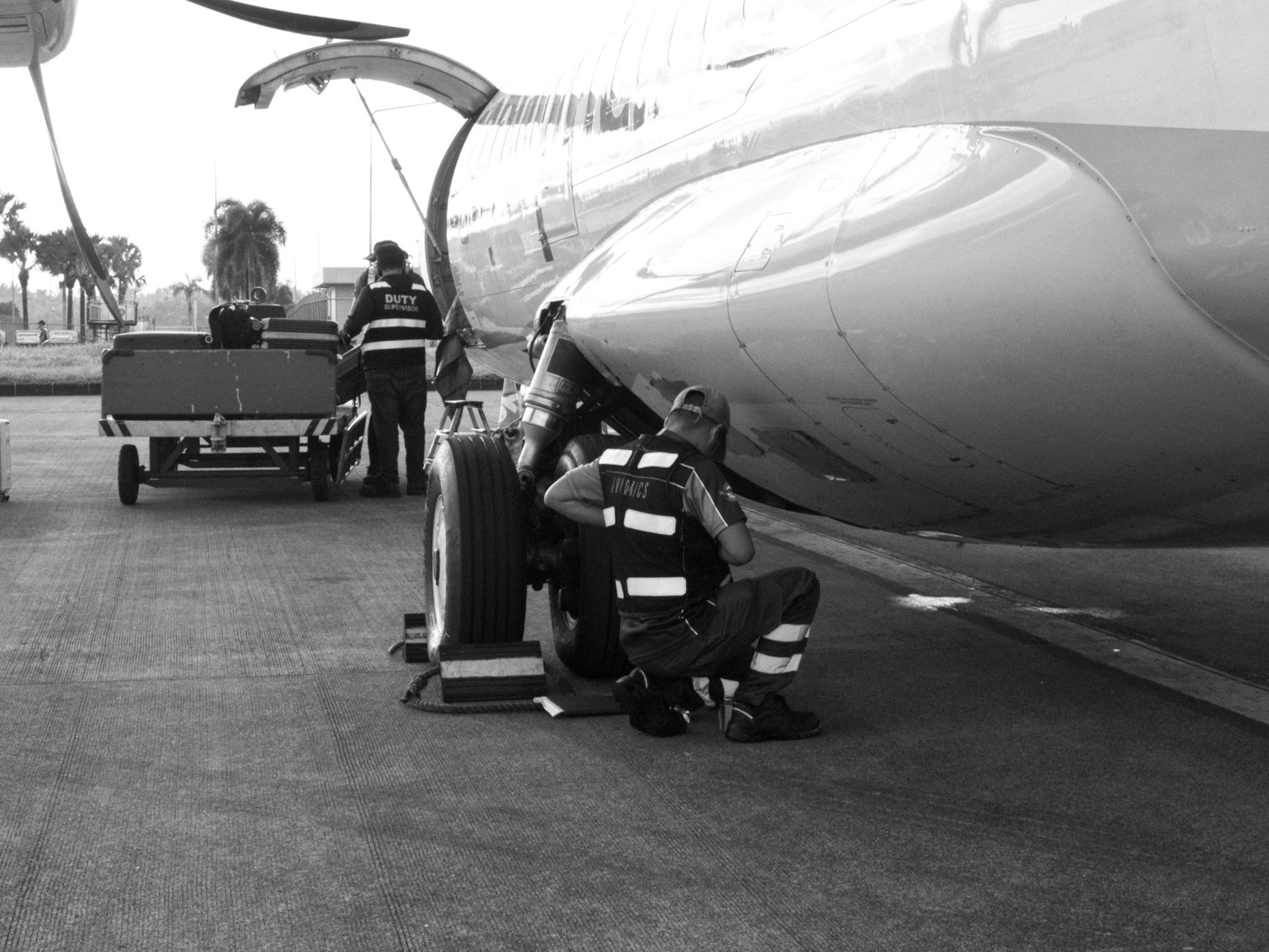
That action may involve stopping the task, asking a second person to review the work, repeating an inspection or reporting a hazard. Speaking up is not a sign of weakness. In a safety-critical profession, it is a core technical behaviour.
Clear communication is particularly important during shift changes. Use our aircraft maintenance shift handover checklist to review defects, safety controls, records, certification and open tasks.
Independent inspections and error capture
Some maintenance tasks require additional protection because an error could have particularly serious consequences. Examples may include work affecting flight controls, engine controls or other systems where incorrect installation, adjustment or connection could compromise aircraft operation.
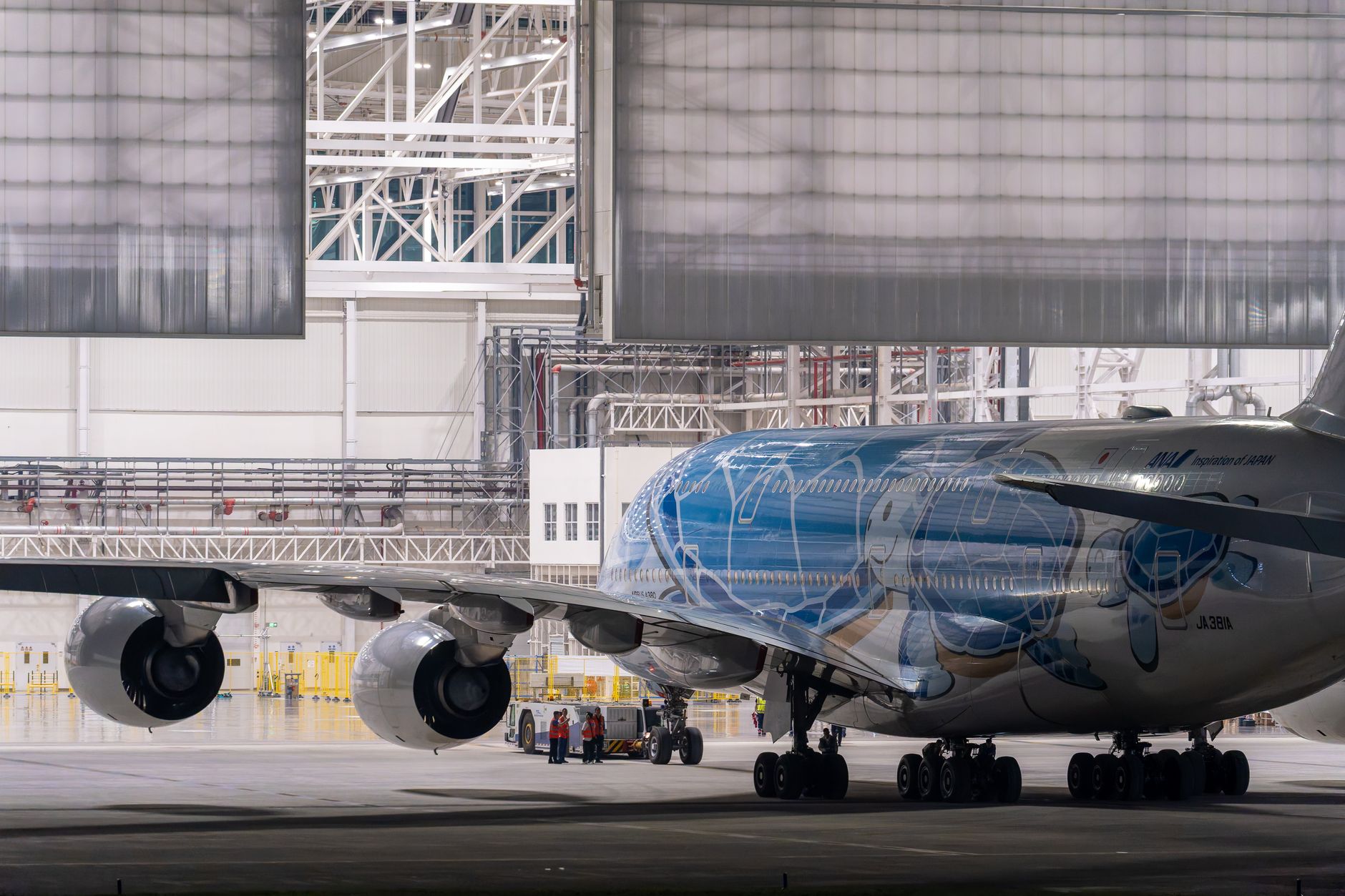
The precise inspection method depends on the approved organisation’s procedures and the applicable requirements. It may involve an independent inspection, a duplicate inspection or another controlled error-capturing method. The essential principle is that the person who performed the task should not always be the only person relied upon to detect an error.
This is especially important when similar work is carried out on redundant systems. Repeating the same mistake on both sides of a system can remove the redundancy intended to protect the aircraft. Procedures must therefore identify critical tasks and prevent a single misunderstanding from being duplicated.
Good maintenance is not simply about doing a task correctly. It is also about designing the work so that an error is more likely to be detected before release to service.
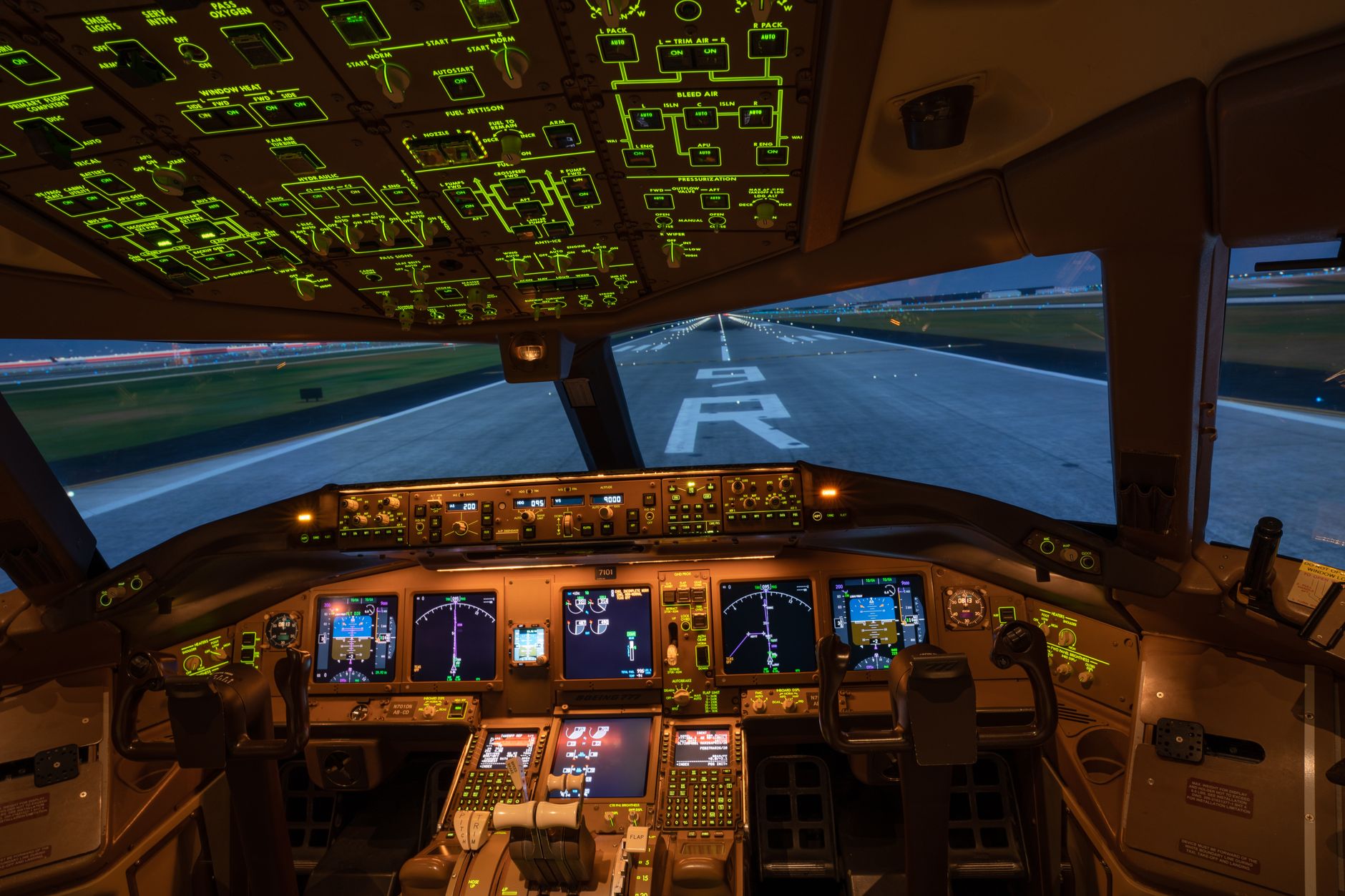
The professional challenge: resisting normalisation
One of the most serious risks in maintenance is the gradual acceptance of unsafe shortcuts. A missing tool becomes a reason to improvise. A rushed handover becomes normal. A recurring defect is deferred without proper investigation. A colleague’s signature is treated as a favour rather than a certification decision.
This is how abnormal practices become routine.
Safety-critical engineers must be willing to challenge those patterns, even when the immediate consequence is delay or disagreement. The aircraft does not know that the schedule is tight, and airworthiness does not improve because a problem has been made less visible.

The strongest engineers are not necessarily the fastest people in the hangar. They are the people who know when to proceed, when to pause and when to ask for evidence.
Why this career carries real responsibility
Aircraft maintenance offers technical variety, complex systems and the satisfaction of keeping aircraft safely in service. Its deeper significance, however, lies in responsibility.
Passengers may never know who inspected a component, corrected a defect or identified an unsafe condition during a night shift. They do not need to know. They rely on the maintenance system working properly, every time.
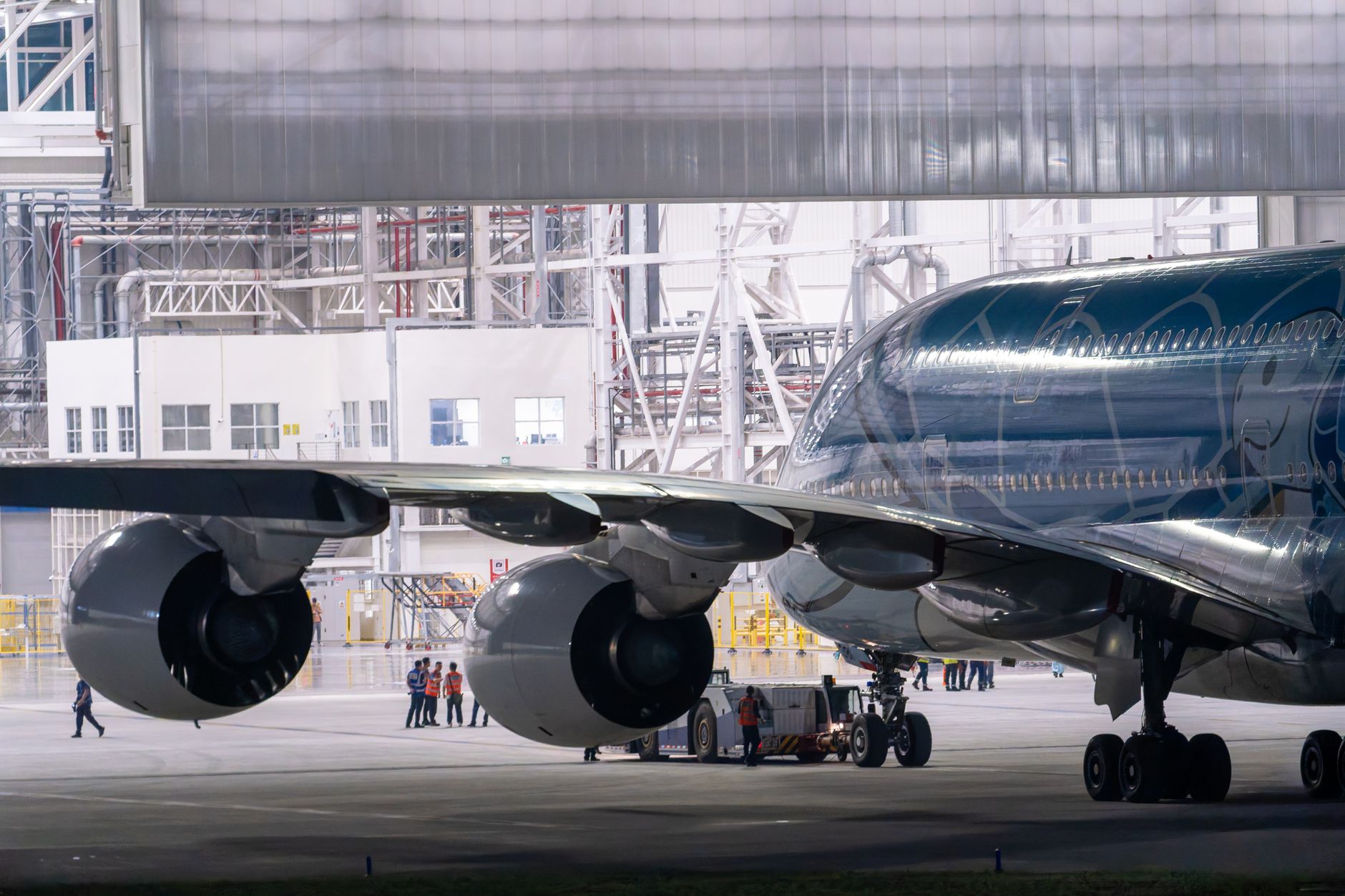
That trust is supported by licensing, approved procedures, competence control, independent checks, accurate records and a culture that treats human error as a risk to manage rather than a personal failing to hide.
Aircraft maintenance is safety-critical because an engineer’s decisions become part of the aircraft’s operational integrity. Responsibility is the duty to do the work correctly. Accountability is the duty to prove what was done. Human factors are the discipline of recognising how people can fail and building safeguards before that failure reaches the sky.
If you are developing your aviation career, browse our aircraft mechanic jobs or explore the latest guidance on the AeroTech Careers Blog.




Login or register to join the conversation.
Join the discussion
0 comments