

.jpg)
If you’re a licensed aircraft engineer, mechanic, or avionics technician, create your free AeroTechCareers profile to showcase your competencies and be found by recruiters actively searching for engineers like you.
How to Get Aircraft Maintenance Work Experience in the UK
Aircraft maintenance is a rewarding technical career in aviation. Aircraft engineers are responsible for keeping aircraft safe, serviceable and ready for flight. The profession combines mechanical skill, technical knowledge and meticulous attention to detail.
Formal apprenticeships and aviation degrees remain established routes into the profession, but they are not the only options. The aviation industry has faced a shortage of aircraft engineers, influenced by the effects of COVID-19, changes to the workforce after Brexit and the retirement of experienced engineers. This has created opportunities for new entrants.
Aircraft maintenance is a regulated industry, however, so useful experience requires more than finding a job near an airport. It must be relevant, properly supervised and, where possible, recorded in a way that supports future licensing applications.
This guide explains how to gain aircraft maintenance work experience in the UK and how to choose a route that supports a long-term engineering career. If you are still researching the profession, read our guide to becoming a licensed aircraft maintenance engineer.
Why aircraft maintenance experience matters
Aircraft maintenance employers look for more than academic qualifications. They also want evidence that applicants understand:
- Safe working practices
- Engineering discipline and attention to detail
- The importance of following approved maintenance data
- Tool control and foreign object damage prevention
- Aircraft documentation and technical records
- Human factors and effective teamwork
- The responsibilities involved in releasing work to service
Practical experience helps you understand how maintenance is performed in a working environment. It can also help you decide whether you want to work in line maintenance, base maintenance, component maintenance, aircraft structures, avionics or continuing airworthiness management.

Experience is particularly valuable for people who have completed a college course or degree but have not yet worked on live aircraft. Qualifications demonstrate technical knowledge, while workplace experience shows that you can apply that knowledge safely and consistently. Human performance is also a central safety consideration in maintenance, as explained by SKYbrary’s human factors guidance.
The main routes into aircraft maintenance experience
There are several ways to gain relevant experience in the UK. The most suitable route will depend on your age, existing qualifications, financial circumstances and long-term licensing plans.
1. Apply for an aircraft maintenance apprenticeship
An apprenticeship is one of the strongest routes into the profession because it combines employment, structured training and practical experience.

A current UK apprenticeship route covers aircraft maintenance and aircraft airworthiness. It integrates UK CAA Part-66 training modules into the apprenticeship programme and is designed to develop the knowledge and practical competence required in aircraft engineering. Before choosing a route, review the UK CAA Part-66 information and confirm the current requirements with the regulator.
To complete this type of apprenticeship, an apprentice will generally need to:
- Be employed by a currently approved UK Part-145 organisation
- Complete the required training with a currently approved UK Part-147 organisation
- Gain practical experience in an appropriate maintenance environment
- Complete the required assessment and end-point assessment process
UK Part-145 organisations are approved maintenance organisations that carry out maintenance under the relevant regulatory requirements. UK Part-147 organisations are approved training organisations that provide aircraft maintenance training and examinations.
Both organisations must hold current approval from the appropriate regulator and comply with applicable requirements. This may include the provisions of CAP1814 Version 3, issued on 23 August 2024, where relevant to the apprenticeship and associated training arrangements. Approval status can change, so candidates should check it directly with the UK Civil Aviation Authority or the relevant approved authority.
An apprenticeship can be highly competitive, but it offers an important advantage: you gain experience while working towards a recognised qualification instead of arranging all your training independently.
What an aircraft maintenance apprentice may do
Depending on the employer and aircraft type, an apprentice may gain exposure to:
- Aircraft servicing and inspections
- Component removal and installation
- Cabin and interior maintenance
- Basic mechanical and electrical tasks
- Structures and sheet-metal work
- Avionics activities
- Defect rectification
- Maintenance documentation
- Tool control and stores procedures
- Aircraft turnaround and hangar operations
Apprentices are not normally permitted to carry out unsupervised certifying work. Their tasks must be appropriate to their training and competence, and they must work under the supervision of authorised staff.
Some major maintenance employers recruit apprentices across several UK sites. Training partnerships may include specialist aviation providers, with apprentices working towards the Level 3 Engineering Technician standard.
2. Look for trainee aircraft mechanic and technician roles
Not every entry-level role is advertised as an apprenticeship. Employers may also use titles such as:
- Trainee aircraft mechanic
- Aircraft maintenance trainee
- Junior aircraft technician
- Aircraft engineering assistant
- Mechanical technician
- Avionics trainee
- Aircraft servicing technician
- Hangar support technician
These positions may be available with airlines, maintenance, repair and overhaul organisations, regional operators, business aviation companies, helicopter operators, defence contractors, component workshops and airport service providers.

Read the job description carefully. A role is more likely to support an aircraft maintenance career if it includes access to:
- Aircraft or aircraft components
- Approved maintenance data
- Qualified and experienced supervisors
- A formal training plan
- Task records or an experience log
- Part-145 maintenance activity
- Further Part-66 or Part-147 training
Some jobs involve cleaning aircraft, moving equipment, loading stores or supporting ground operations. These can be useful first steps, particularly when they lead to internal vacancies, but they may not count as aircraft maintenance experience for licensing purposes.
Before accepting a position, ask the employer what practical tasks you will be allowed to perform and how your experience will be documented.
3. Complete a college or university aviation course
A college course or aviation degree can provide a strong foundation in subjects such as:
- Engineering mathematics
- Electrical and electronic principles
- Materials and hardware
- Aircraft structures
- Turbine and piston engines
- Aerodynamics
- Maintenance practices
- Aviation legislation
- Human factors
Classroom training alone does not replace practical aircraft maintenance experience.
If you are choosing a course, investigate whether it:
- Includes practical workshop training
- Provides access to aircraft or representative components
- Covers UK CAA Part-66 modules
- Has links with Part-145 maintenance organisations
- Offers work placements or internships
- Has a strong record of graduate employment
- Can support a later licence application
Use the Part 147 Training Schools directory to identify training providers, then confirm each organisation’s current approval status before enrolling.
4. Apply for internships and work placements
Internships are often available with airlines, maintenance organisations, manufacturers, airports and engineering companies. They may be advertised during the summer or as part of a university placement year.
A good aviation maintenance internship should give you exposure to the working environment rather than only office-based administration. Useful activities may include:
- Observing maintenance inspections
- Assisting with approved tasks under supervision
- Supporting tool and equipment control
- Reviewing maintenance documentation
- Learning how aircraft defects are reported and managed
- Visiting hangars, workshops and line stations
- Understanding health and safety procedures
Even a short placement can strengthen your CV if you can explain what you learned and how it relates to aircraft maintenance. Apply early, as large aviation employers may open applications many months before the start date. Some also require security checks or evidence of your right to work in the UK.
5. Start in an aircraft maintenance support role
A support role can provide a practical introduction to the industry. Examples include aircraft stores assistant, tool store assistant, maintenance planner assistant, technical records assistant, ground support equipment technician, component workshop assistant, aircraft interior technician and maintenance logistics coordinator.
These roles may not provide the same experience as working directly on aircraft, but they can help you develop important habits and industry knowledge. An aircraft stores role can teach you about part numbers, component traceability, serviceable and unserviceable parts, quarantine procedures, controlled storage, tool calibration and stock control.
A technical records position can introduce you to maintenance programmes, aircraft technical logs, defect records and the importance of accurate documentation. When applying, look for employers that support internal progression into trainee mechanic or technician positions.

What counts as useful aircraft maintenance experience?
Not all aviation experience is treated equally. For a future aircraft maintenance licence, relevant experience generally needs to involve appropriate maintenance tasks performed in a suitable environment and under suitable supervision.
Examples of potentially relevant experience include scheduled and unscheduled maintenance, inspections and servicing, component replacement, aircraft systems maintenance, engine maintenance, avionics work, structural repairs, fault diagnosis, maintenance documentation and continuing airworthiness-related activities.
The value of the experience depends on factors such as:
- The type of organisation
- The aircraft or component involved
- The tasks performed
- The level of supervision
- The quality of the records
- Whether the experience is recent
- Whether the work is relevant to the licence category being pursued
Experience in manufacturing, general engineering, automotive work or industrial maintenance can help you obtain an entry-level job. However, it should not be assumed that it will satisfy UK aircraft maintenance licensing requirements.

If your goal is a UK CAA Part-66 licence, speak to an approved organisation or the CAA before relying on a particular job as your principal source of licensing experience.
Keep accurate records from the beginning
One of the most important steps is to maintain a detailed record of your practical experience. Your records should include, where appropriate, the date of the task, aircraft type or registration, maintenance organisation, description of the work, relevant maintenance data, your role, the name and authorisation of the supervising engineer, confirmation that the task was completed and any job card or work order reference.
Employers may use their own logbooks, electronic systems or task-recording procedures. Follow the organisation’s process and keep copies of documents that you are permitted to retain.
Avoid vague entries such as worked on aircraft or helped with maintenance. Record the specific activity instead, such as an inspection, component change, system test, servicing task or defect rectification. Our guide to filling out a CAP 741 logbook explains how to create clearer evidence, while our CAP 741 logbook mistakes checklist highlights errors that can delay an application.
Good records can make a significant difference when you apply for licence credits, demonstrate competence or attend an interview. For a more structured review of your records, consider Part 66 Logbook Analysis.
Understand the difference between Part-145 and Part-147
The terms Part-145 and Part-147 are important when planning an aircraft maintenance career.
Part-145 maintenance organisations
A UK Part-145 organisation is approved to perform aircraft maintenance within its approved scope. It must have suitable facilities, competent personnel, tooling, equipment and maintenance data. You can review the regulator’s Part-145 guidance when assessing potential employers.
Organisations must have the tooling required for maintenance tasks within their scope permanently available at their facilities. An exception may apply to tasks performed only infrequently, where tooling can be obtained through a loan or pooling arrangement when required.
They must also have generic maintenance data for each aircraft type within their approved or requested scope of work. This information helps define tooling requirements, manpower planning and task capability, and must be available during relevant CAA audits.
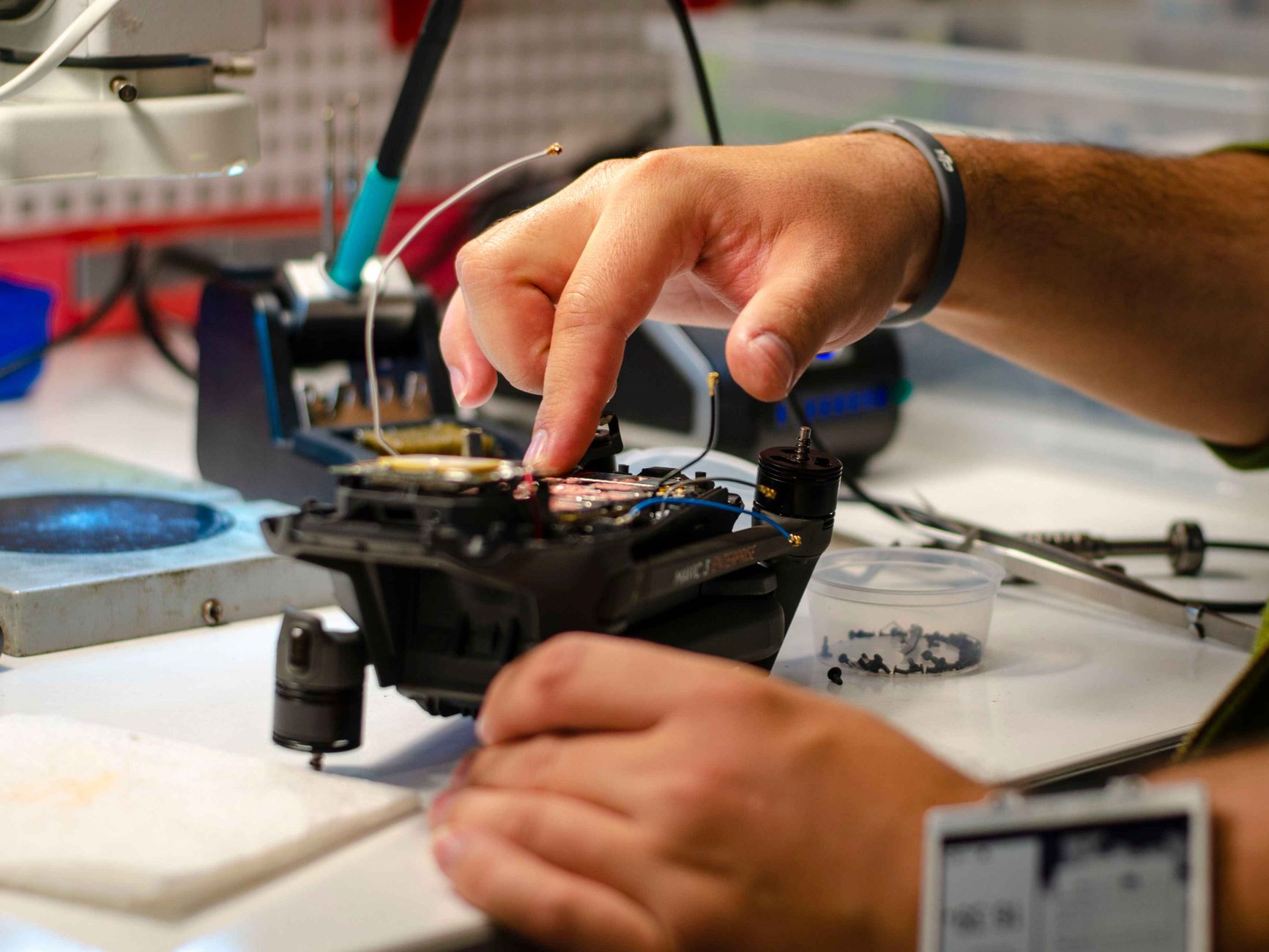
Working in a Part-145 environment is valuable because you learn how regulated maintenance is planned, performed, inspected, recorded and controlled.
Part-147 training organisations
A UK Part-147 organisation provides approved aircraft maintenance training and examinations. Apprentices may complete their theoretical training and Part-66 modules through a Part-147 provider. The CAA’s Part-147 information is a useful starting point when checking approval arrangements.
When comparing training providers, check their current approval status, the Part-66 modules they offer, whether examinations are included, practical training available, access to aircraft and equipment, links with maintenance employers and support after training. Do not assume that a training provider remains approved indefinitely.
Can other engineering experience count?
In some circumstances, experience in related areas may contribute to the experience requirements for aircraft maintenance licensing. Relevant work could include aircraft maintenance, continuing airworthiness management, maintenance planning, technical records, maintenance surveillance, quality or compliance monitoring.
Some requirements may allow a period of additional experience to replace a recommended form of training or experience. The exact requirements depend on the licence category, application route, training completed and applicable UK CAA rules. Related engineering experience should therefore be treated as potentially useful, but not automatically accepted.
Before starting a non-aircraft engineering job, ask the CAA or an approved maintenance organisation whether the proposed duties are likely to support your intended licensing route.
How to find aircraft maintenance vacancies
Aircraft maintenance vacancies may be advertised through airline careers websites, Part-145 organisation websites, airport recruitment pages, aviation job boards, apprenticeship vacancy services, college and university careers departments, recruitment agencies, professional networking platforms, industry events and careers fairs.
Search using several job titles. An employer may advertise a role as engineering trainee rather than aircraft maintenance apprentice. You can also browse current aircraft mechanic jobs for relevant opportunities.
Your application should highlight engineering qualifications, mathematics and science results, mechanical or electrical projects, workshop experience, aircraft exposure, safety training, practical hobbies, a driving licence where relevant, willingness to work shifts, eligibility to work in the UK and your interest in a Part-66 licensing pathway.

Always check the closing date, location, shift pattern, salary, training commitment and security requirements.
Build practical skills before you are hired
You do not need to work on an aircraft to begin developing useful engineering habits. You can improve your employability through engineering college projects, electronics and electrical projects, mechanical repair work, CAD or technical drawing, model aircraft building, motorsport or automotive maintenance, volunteer work with aviation organisations, STEM clubs, engineering competitions and workshop or tool-handling experience.
The key is to demonstrate safe, methodical working. Employers value candidates who can explain how they approached a problem, selected the correct tools, followed instructions and checked their work.

Never work on aircraft or safety-critical equipment without proper authorisation, training, tooling and supervision.
Prepare for the realities of the job
Aircraft maintenance is a highly regulated and safety-critical profession. Entry-level employees may need to work nights, weekends and public holidays; spend long periods standing or working outdoors; work in confined or noisy areas; follow strict security procedures; pass background checks; wear personal protective equipment; work accurately under time pressure; communicate clearly with colleagues; and report mistakes immediately.
A willingness to work shifts and relocate can significantly increase the number of opportunities available. Major aviation employers are based across the UK, including at large airports, regional airports, manufacturing sites and maintenance bases.

A practical step-by-step plan
- Research the licence route you want to follow. Decide whether your long-term goal is a mechanical, avionics or another aircraft maintenance pathway.
- Check the relevant UK CAA requirements. Confirm what training, examinations and practical experience may be required.
- Create a list of approved employers and training providers. Check current Part-145 and Part-147 approval status rather than relying only on advertising material.
- Apply for apprenticeships and trainee roles. Use a range of job titles and apply to airlines, MROs, component organisations and specialist operators.
- Build evidence of practical ability. Include engineering projects, workshop work, placements and relevant technical hobbies on your CV.
- Ask how experience will be recorded. Find out whether the employer provides a logbook, task record or structured competence system.
- Keep your own organised records. Retain permitted evidence and update your experience log regularly.
- Continue studying. Work towards the relevant Part-66 modules through an approved training route where appropriate.
- Seek feedback from experienced engineers. Learn from supervisors and ask which skills you should develop next.
- Review your progress regularly. Make sure your employment and training continue to support your intended licensing application.
Final thoughts
The best way to gain aircraft maintenance work experience in the UK is to enter a structured environment where you can learn safely, work under qualified supervision and record the tasks you complete.
An aircraft maintenance apprenticeship with a UK Part-145 employer and UK Part-147 training organisation can provide a strong foundation. College courses, internships, support roles and trainee mechanic positions can also lead to a successful career, provided you understand how the experience relates to your future goals.
The industry needs well-trained engineers, but aviation rewards patience and accuracy. Build your experience carefully, verify the approval status of organisations, keep thorough records and develop the professional habits expected in a safety-critical environment.




Login or register to join the conversation.
Join the discussion
0 comments