


.jpg)
If you’re a licensed aircraft engineer, mechanic, or avionics technician, create your free AeroTechCareers profile to showcase your competencies and be found by recruiters actively searching for engineers like you.
Aircraft maintenance is one of the most rewarding technical careers in aviation. Aircraft engineers are responsible for keeping aircraft safe, serviceable, and ready for flight. It is a profession that combines mechanical skill, technical knowledge, and attention to detail.
For many years the only way to enter the profession was through a formal apprenticeship or an aviation degree. While those routes still exist today, they are no longer the only path available.
In recent years the aviation industry has faced a growing shortage of aircraft engineers, a trend highlighted in recent Boeing Pilot and Technician Outlook reports.
Several factors have contributed to this shortage including the impact of COVID on the aviation workforce, Brexit-related labour changes in Europe, and an ageing population of experienced engineers approaching retirement.
As a result, it is now possible to start a career in aircraft maintenance even if you have no previous experience working on aircraft.
This guide explains the realistic route into the industry and the steps that can help you get your first opportunity.
Can You Become an Aircraft Engineer with No Experience?
The short answer is yes, but it requires initiative and persistence.
Many people assume they can apply directly to major airline maintenance organisations such as British Airways Engineering or other large operators. While these companies do hire engineers and mechanics, they typically recruit individuals who already have experience or formal training.
Large organisations operate at a fast pace and maintain complex aircraft. Because of this, they rarely hire individuals who have no previous mechanical exposure.
This does not mean the door into aviation is closed. It simply means you must take a more practical route into the industry.
A good way to understand this is to compare aviation to Formula One motorsport. Very few people begin their career directly in a Formula One team. Most mechanics start in smaller racing environments where they gain hands on experience before progressing into higher levels of motorsport.
Aircraft maintenance follows a very similar pattern.
Start in General Aviation
If you want to get into aircraft maintenance with no experience, the most realistic starting point is general aviation (GA).
General aviation refers to smaller aircraft operations outside of major airlines. These include:
• Flight schools
• Private aircraft maintenance organisations
• Aircraft restoration projects
• Flying clubs
• Small independent maintenance hangars
Aircraft in these environments are often smaller piston powered aircraft rather than large commercial jets.
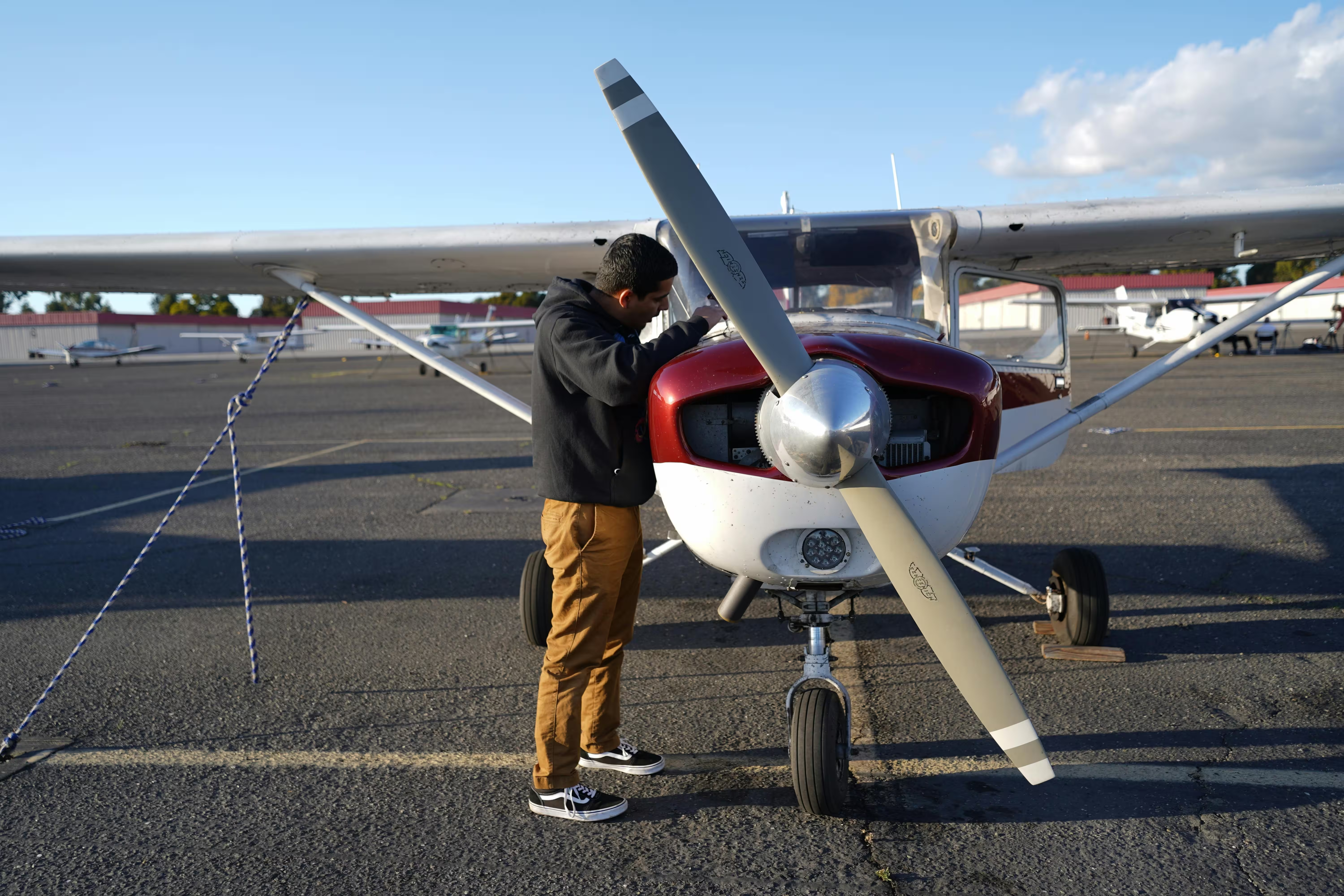
Examples include training aircraft such as the Cessna 172 or Piper PA-28.
The maintenance organisations that support these aircraft usually operate with small teams and limited budgets. They cannot always afford to hire highly experienced engineers at large salaries. Instead, many rely on experienced engineers who are later in their careers and enjoy staying active within aviation.
These environments are far more likely to give newcomers a chance, particularly if they show enthusiasm and willingness to learn.

Develop Basic Mechanical Skills First
Before approaching any aircraft maintenance organisation, it is important to develop some basic mechanical ability.
Turning up with no mechanical exposure at all will make it difficult to demonstrate that you are suited to hands on engineering work. The good news is that you can begin developing these skills at home with simple mechanical projects.
For example, many aspiring engineers begin by working on their own car. When your car requires maintenance such as replacing brake pads or changing oil and filters, consider carrying out the work yourself. Learning how to safely remove wheels, use torque settings, and follow technical instructions builds valuable mechanical awareness.
Once you are comfortable with basic vehicle maintenance, you can try working on smaller mechanical equipment. Rebuilding a petrol lawn mower is a good example. These engines are relatively simple, but they still demonstrate the fundamentals of mechanical systems such as fuel delivery, ignition, and rotating components.
Disassembling and rebuilding a mower can teach you how to organise parts during removal and understand how mechanical assemblies fit together.
If you want to challenge yourself further, a more advanced project could be restoring or rebuilding a motorcycle. Motorcycles introduce more complex systems such as carburettors or fuel injection, braking systems, suspension components, and electrical wiring. Completing a motorcycle rebuild requires patience, mechanical reasoning, and attention to detail, all of which are valuable skills for anyone hoping to work on aircraft.
These types of projects help you develop practical engineering ability while also confirming whether you genuinely enjoy mechanical work. If you find satisfaction in diagnosing faults and rebuilding machinery, aircraft maintenance may be a career worth pursuing.

Approach Small Aircraft Maintenance Hangars
Once you have gained some basic mechanical confidence, the next step is to approach small aircraft maintenance organisations.
Across the United Kingdom and Europe there are many small airfields that support general aviation. These airfields usually have maintenance hangars responsible for servicing training aircraft and privately owned aircraft.
Research the airfields closest to you and identify the maintenance organisations based there. Many of these businesses are small operations that may not advertise job opportunities online.
The best approach is often the simplest one. Contact them directly and explain that you are interested in aircraft maintenance and would like the opportunity to complete a short period of work experience.
Even one week of work experience can be extremely valuable. It allows you to observe real aircraft maintenance tasks, understand the working environment, and build relationships with engineers already working in the industry.
If you demonstrate a good attitude and willingness to help, there is always the possibility that the organisation may need an extra pair of hands in the future.
Turning Work Experience into a Job
Work experience can sometimes develop into longer term opportunities.
Small aviation organisations frequently require assistance with basic tasks such as:
• Cleaning and organising hangars
• Assisting with simple maintenance activities
• Preparing tools and equipment
• Supporting engineers during inspections
These tasks may not seem glamorous, but they are an essential part of learning the trade.
More importantly, this environment allows you to begin developing real aviation maintenance experience. Even basic exposure to aircraft systems, documentation, and maintenance procedures provides valuable knowledge that will strengthen your CV.
The difference between someone who simply wants to work on aircraft and someone who has already spent time in a hangar environment can be significant when employers are making hiring decisions.
Building Experience in General Aviation
Spending a few years working within general aviation can provide a strong foundation for your career.
During this time you will begin to understand:
• Aircraft systems and structures
• Maintenance documentation
• Inspection procedures
• Tool control and safety practices
• Hangar workflow and engineering teamwork
This experience is extremely valuable and can open several possible career paths.
Some individuals choose to remain within general aviation throughout their careers. Working on piston aircraft can be highly rewarding and often provides a closer connection to aircraft owners and pilots.
Others decide to progress into larger aircraft environments.
Progressing Towards an Aircraft Engineer Licence
Once you have gained some practical experience, you may wish to begin working towards a formal aircraft maintenance licence.
In Europe and the United Kingdom this typically involves completing the Part-66 licence examinations through approved academies, which you can easily locate using our Part-147 training schools map.
These exams cover subjects such as aerodynamics, electrical systems, turbine engines, and aircraft structures. For a step-by-step breakdown on passing these modules, check out our Part-66 training and exam guidance.
By combining exam success with documented maintenance experience, you can gradually work towards becoming a licensed aircraft engineer.
Holding recognized aviation qualifications under frameworks like the European Union Aviation Safety Agency (EASA) significantly increases your career opportunities and allows you to move between countries and aircraft types.

Aircraft Engineer Salaries in the UK
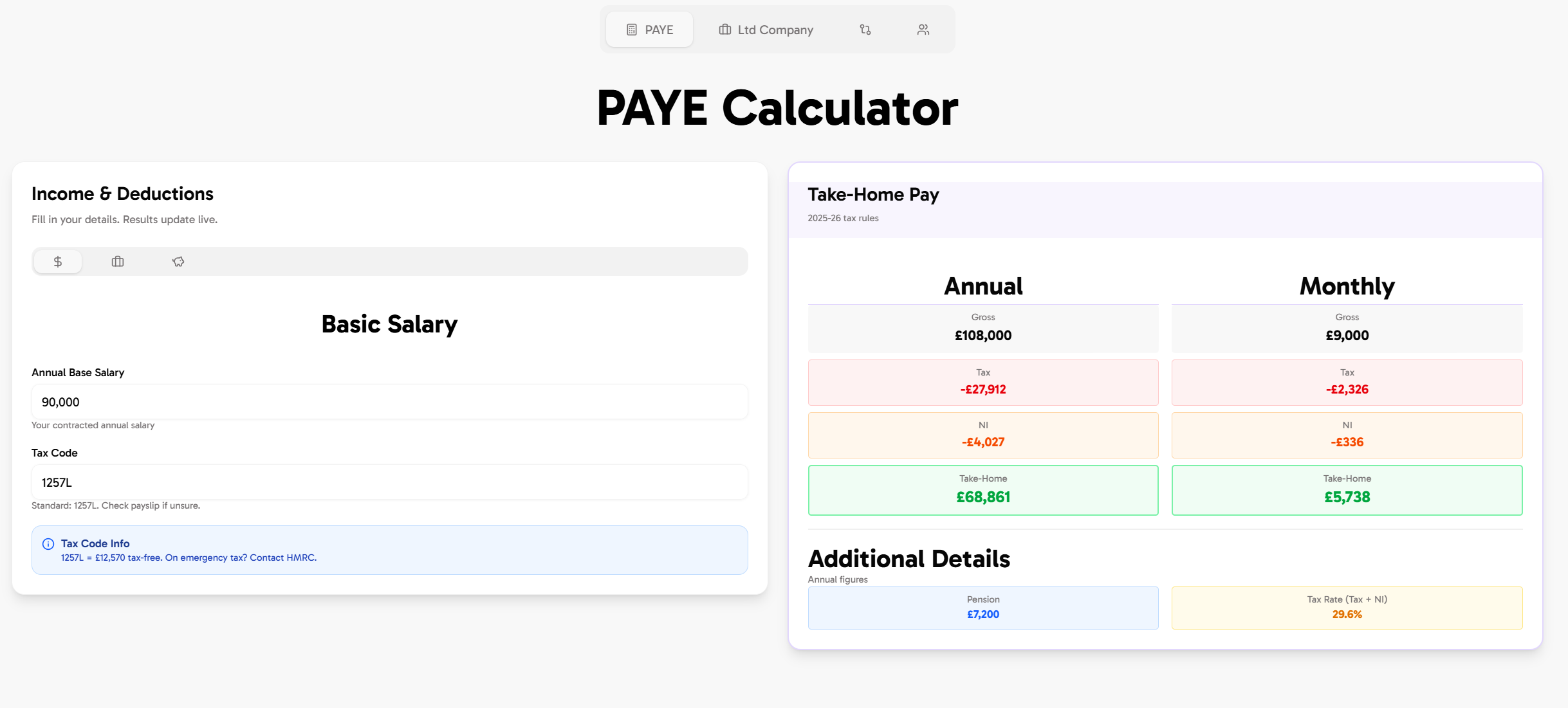
Aircraft maintenance can become a very well paid career once experience and licensing are achieved. Entry level mechanics who are starting out in general aviation or junior maintenance roles often begin on modest salaries while they build experience. However, once engineers gain several years of practical experience and begin working towards licensing, earning potential increases significantly.
Licensed aircraft engineers who hold certification privileges can command much higher salaries, particularly within airline and business aviation environments.
If you would like to see a detailed breakdown of salaries at each stage of the career path, including contractor and licensed engineer pay, read our full guide to aircraft engineer salaries in the UK, or use our interactive aircraft engineer salary calculator to estimate your potential earnings based on your experience level."
Moving into Commercial or Business Aviation
After gaining experience within general aviation, you may decide to pursue opportunities with larger aircraft. You can browse current vacancies on our aviation jobs board to find open entry-level or mechanic roles.
These could include:
• Commercial airline maintenance organisations
• Business jet maintenance companies
• Aircraft manufacturers
• Major maintenance, repair and overhaul organisations (MROs)
Examples of companies operating in these sectors include major airlines, business jet manufacturers, and large aviation maintenance providers.
By this stage you will already have the most important requirement that many employers look for: practical hands on experience.
Competent aircraft mechanics are highly valued within the aviation industry. Companies are constantly searching for individuals who are reliable, technically capable, and committed to maintaining aircraft safely.
Aircraft Maintenance Apprenticeships
Another common route into the aviation industry is through a structured aircraft maintenance apprenticeship. Apprenticeships combine hands on experience with classroom based learning and allow trainees to work towards recognised aviation engineering qualifications while earning a salary.
These programmes are extremely competitive, with many applicants applying for a limited number of places each year. For this reason, gaining experience within general aviation can still be a valuable alternative starting point if an apprenticeship is not immediately available.
If you are interested in this route, our separate guide explains exactly how to successfully secure an aircraft maintenance apprenticeship in the UK
Final Thoughts
Breaking into aircraft maintenance without previous experience is challenging, but it is entirely possible.
The key is understanding that aviation careers rarely begin at the largest organisations. Instead, many successful engineers begin their journey in small general aviation hangars where they gain practical experience and develop essential mechanical skills.
By taking initiative, learning mechanical basics, and approaching smaller maintenance organisations, you can begin building the foundation for a long and rewarding aviation engineering career.
If you remain motivated and continue developing your skills, the opportunities within aircraft maintenance can be extensive.



Login or register to join the conversation.
Join the discussion
0 comments