


.jpg)
If you’re a licensed aircraft engineer, mechanic, or avionics technician, create your free AeroTechCareers profile to showcase your competencies and be found by recruiters actively searching for engineers like you.
Part-66 Module 11A study guide: how to prepare for the B1 systems module
Module 11A is the B1 systems module for turbine aeroplanes. It brings together the knowledge developed in earlier Part-66 modules and requires you to apply it to complete aircraft systems, normal operation, system interactions and failure conditions.
The module is demanding, but it is manageable with a structured approach. Focus on system logic, diagrams, failure analysis and Level 3 application rather than memorising isolated definitions. Before beginning your revision, check the current EASA Part-66 requirements and the examination arrangements that apply to your licence route.
What is Part-66 Module 11A?
Module 11A covers the airframe and aircraft systems knowledge required for a B1 licence on turbine-powered aeroplanes.
It draws on knowledge from almost every preceding module, including:
- Mathematics and physics
- Electrical fundamentals
- Electronic fundamentals
- Digital techniques
- Materials and hardware
- Maintenance practices
- Basic aerodynamics
- Human factors
- Aviation legislation
- Gas turbine engine principles
Module 11A is not simply a list of components to memorise. You are expected to understand how systems are constructed, how they operate, how they interact and what happens when a component or power source fails.
For example, understanding a hydraulic pump involves more than knowing that it produces pressure. You may also need to understand:
- Where the pressure comes from
- How it is regulated
- Which services receive it
- What happens if the pump fails
- How another system or source takes over
- How the failure is indicated
- What maintenance actions are required
Definitions are important, but they are only the starting point.
Why Module 11A is considered one of the hardest modules
Module 11A contains a large proportion of Level 3 objectives. The examination may therefore require you to:
- Explain principles of operation
- Combine separate areas of knowledge logically
- Analyse system behaviour
- Interpret diagrams and indications
- Apply theory to realistic maintenance situations
- Identify likely causes of faults
- Understand system interactions and redundancy
- Use technical information to reach a conclusion
Level 1 knowledge asks, “What is this?” Level 2 asks, “How does it work?” Level 3 asks you to analyse a condition, identify the systems affected, interpret the indications and explain the protection or alternate operation available.
What does Module 11A cover?
The exact syllabus and examination arrangements should always be checked against the current Part-66 requirements and the relevant competent authority or approved training organisation. The principal Module 11A areas generally include the following. If you are selecting a training provider, use accredited Part 147 training schools and confirm that the course content matches the current syllabus.
Airframe structures
You need to understand the construction and purpose of aircraft structures, including:
- Fuselage structures
- Wings
- Empennage
- Flight control surfaces
- Doors and emergency exits
- Windows and windshields
- Primary and secondary structures
- Structural loads and stresses
- Corrosion and damage
- Repairs and structural limitations
Primary structures deserve particular attention because damage to them can affect the aircraft’s ability to carry flight loads. You should be comfortable with:
- Tension
- Compression
- Shear
- Bending
- Torsion
- Hoop stress in pressurised fuselages
- Load paths
- Fail-safe and damage-tolerant design
- Composite construction and typical failure modes
Do not study structures as a collection of isolated definitions. Consider what loads each component carries and how those loads travel through the aircraft.
Flight controls, ATA 27
Flight controls are a major area of Module 11A and demonstrate the importance of system integration.
You may need to understand:
- Primary and secondary flight controls
- Mechanical control systems
- Cable and pulley systems
- Push-pull rods
- Hydraulic actuators
- Power control units
- Fly-by-wire principles
- Control surface movement
- Feel systems
- Artificial feel
- Trim systems
- High-lift devices
- Spoilers and speed brakes
- Control locks
- Rigging and adjustment
- Stall protection and warning systems
A question may ask how elevator movement is transmitted, how control feel is generated, what happens after a hydraulic failure or how a fly-by-wire system prevents an unsafe command.
Understand the distinction between:
- Pilot input
- Signal processing
- Actuator command
- Surface movement
- Feedback
- Protection logic
For traditional systems, learn how rigging affects control response. For fly-by-wire systems, understand the roles of sensors, flight control computers, data buses, servo controls and control laws.
Stall protection is particularly important. The aircraft may use angle-of-attack sensing, stick shaker, stick pusher, control-law changes and aerodynamic protections. You need to know what detects the condition and what action follows.
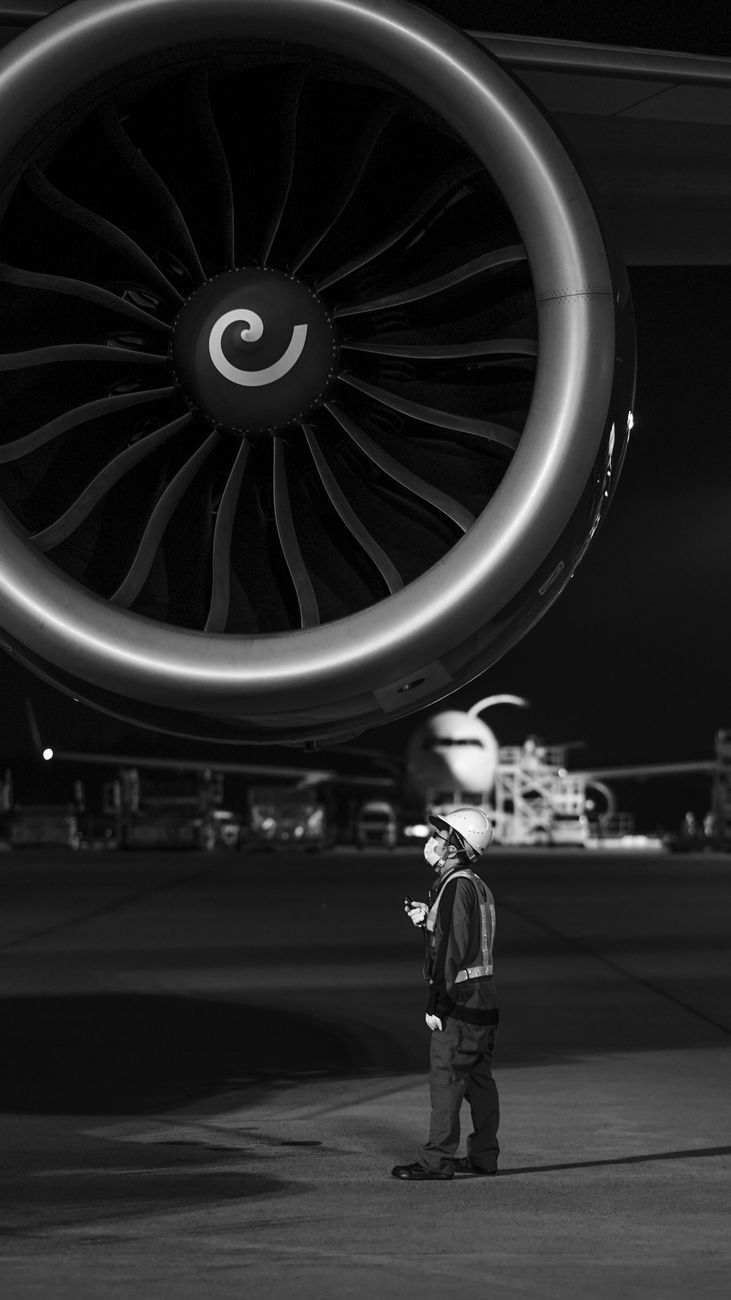
Landing gear, ATA 32
Landing gear questions often combine hydraulics, structures, electrics, indications and emergency procedures.
Study:
- Main and nose landing gear assemblies
- Retraction and extension
- Gear doors
- Uplocks and downlocks
- Shock absorbers
- Wheels and tyres
- Brakes
- Anti-skid systems
- Nose-wheel steering
- Gear position indication
- Emergency and alternate extension
- Retraction safety systems
- Shimmy damping
A typical oleo-pneumatic shock absorber uses hydraulic fluid to control the rate of movement while compressed nitrogen acts as the spring. The fluid dissipates landing energy as heat, while the gas supports the aircraft’s static weight and helps re-extend the strut.
Nose-wheel steering is commonly hydraulically powered. Shimmy dampers help prevent uncontrolled side-to-side oscillation during taxi, take-off and landing.
Large aircraft hydraulic systems commonly operate at approximately 3,000 psi, with some newer systems operating at approximately 5,000 psi. These pressures enable relatively small actuators to produce substantial forces, so hydraulic leaks and component damage require careful attention.
Make sure you understand:
- How brake pressure is generated
- How anti-skid detects an impending wheel lock
- How alternate braking operates
- How gear position is confirmed
- What happens when normal hydraulic or electrical power is lost
Fuel systems, ATA 28
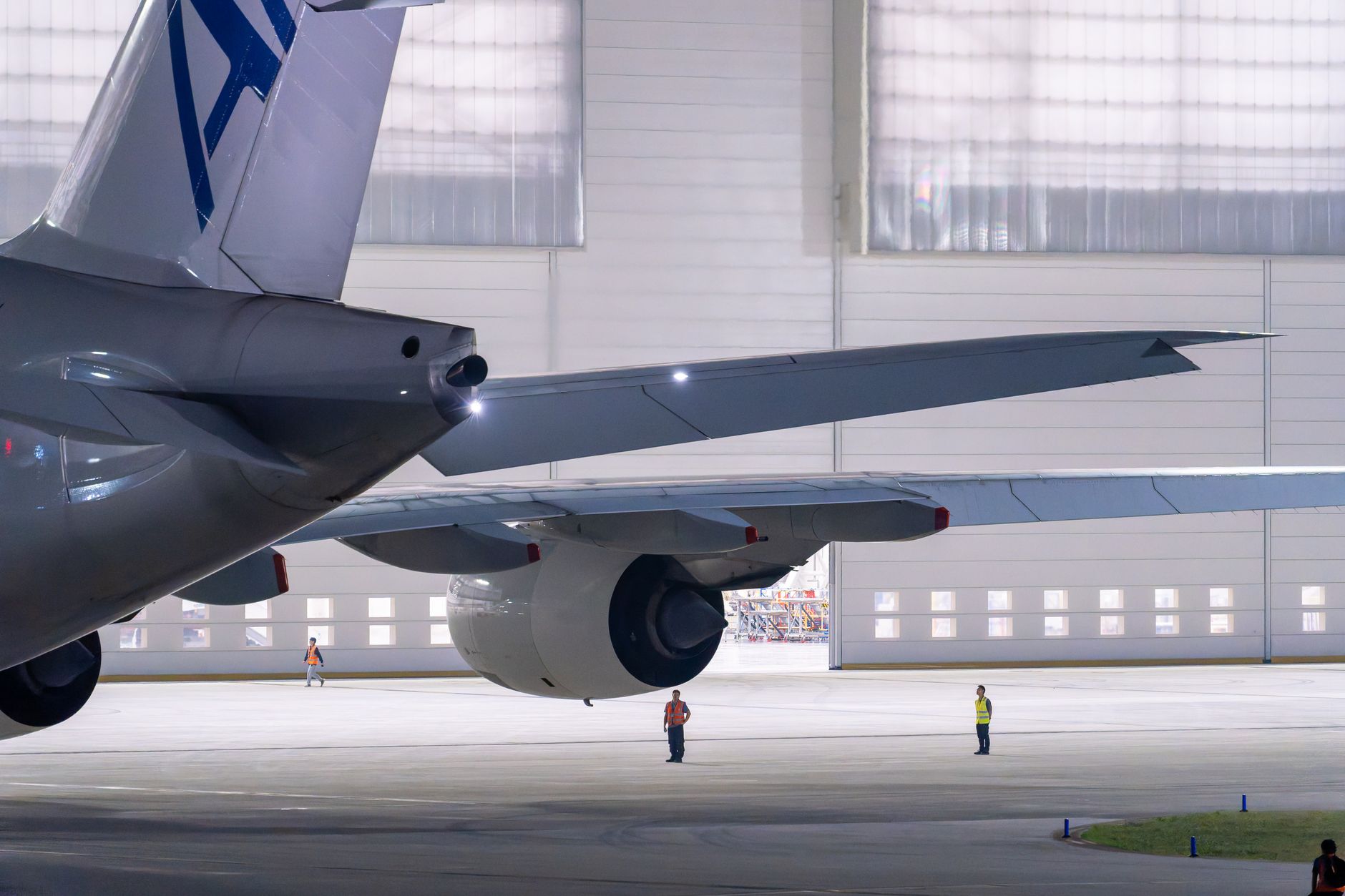
Fuel systems cover fuel storage, distribution, transfer, indication, venting and contamination control.
Study:
- Fuel tank layout
- Integral and bladder tanks
- Centre tanks
- Collector and surge tanks
- Fuel pumps
- Gravity feed
- Cross-feed
- Fuel transfer
- Fuel dumping
- Tank venting
- Fuel quantity indication
- Low-pressure warnings
- Fuel temperature
- Water and contamination control
- Refuelling and defuelling
- Fire protection considerations
Understand the difference between supplying fuel to the engine and managing fuel within the aircraft.
Questions may involve:
- Why a boost pump is used
- How fuel is moved between tanks
- Why tanks must be vented
- How negative pressure is prevented
- How cross-feed provides flexibility after a pump or engine problem
- How fuel dumping affects aircraft weight and balance
- How contamination is detected or controlled
Filters, including micronic filters, help protect pumps, valves and engine fuel systems from particles. Water contamination can create serious operational and maintenance problems, particularly when temperature changes occur.

Draw the fuel path from tank to engine. Then remove one pump, close one valve or introduce a blocked filter and trace the resulting changes. This develops a more reliable understanding than memorising a paragraph.
Hydraulic power, ATA 29
Hydraulics is central to Module 11A because it powers or assists many aircraft functions, including:
- Flight controls
- Landing gear
- Brakes
- Nose-wheel steering
- High-lift devices
- Thrust reversers
- Doors and ramps
- Spoilers
Study:
- Hydraulic reservoirs
- Pumps
- Pressure generation
- Engine-driven pumps
- Electric pumps
- Air-driven pumps
- Power transfer units
- Accumulators
- Filters
- Pressure regulators
- Check valves
- Priority valves
- Shut-off valves
- Actuators
- Return systems
- Leakage and contamination control
- System redundancy
You need to understand the complete system layout, not just the names of its parts. For each hydraulic system, ask:
- What provides the power?
- Where is the fluid stored?
- How is pressure generated?
- How is pressure controlled?
- Which services are supplied?
- What happens if the main pump fails?
- How is the failure indicated?
- What alternate source is available?
Modern transport aircraft often use multiple independent hydraulic systems. This redundancy helps ensure that one failure does not result in the immediate loss of all powered services. However, redundancy does not provide unlimited capacity. A backup system may power only selected services, operate at a different pressure or depend on an emergency source such as a ram-air turbine. For a practical example of how hydraulic faults can affect aircraft availability, read the AOG case study about a hydraulic system leak.
Pneumatic, air conditioning and pressurisation systems
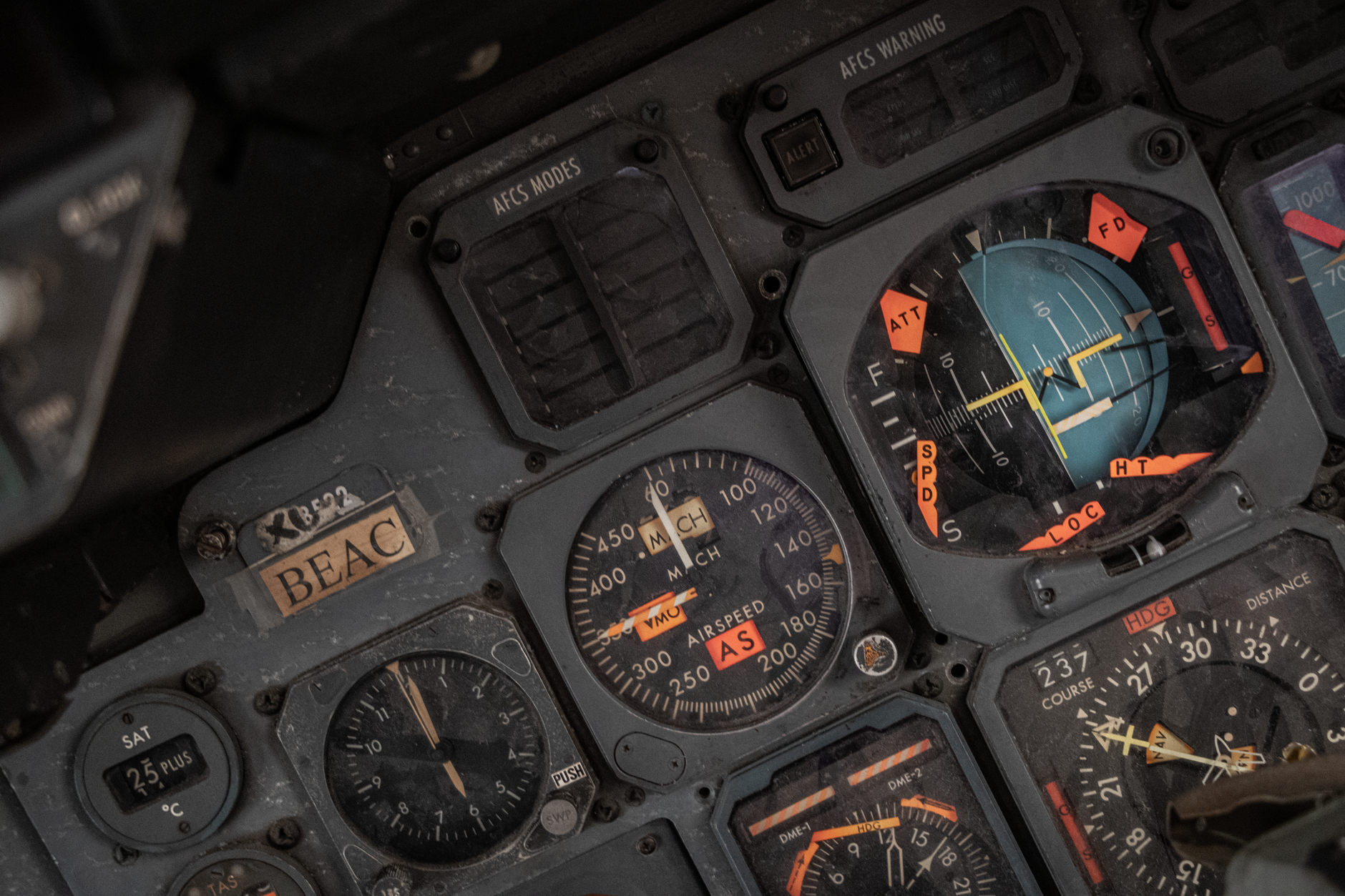
These topics require you to follow air through the aircraft and understand how pressure and temperature are managed.
Study:
- Engine bleed air
- Auxiliary power unit supply
- External pneumatic air
- Bleed air regulation
- Pre-coolers
- Air-conditioning packs
- Air-cycle machines
- Pack valves
- Mixing manifolds
- Cabin temperature control
- Pressurisation outflow valves
- Safety valves
- Cabin altitude warnings
- Negative pressure relief
- Recirculation systems
- Smoke and fumes considerations
Understand what happens to pressure and temperature as air passes through the system, and what protection is provided if regulation fails.

For pressurisation, understand the relationship between:
- Cabin altitude
- Differential pressure
- Outflow valve position
- Aircraft altitude
- Rate of climb or descent
- Safety and relief valves
Do not confuse cabin altitude with aircraft altitude. The aircraft may be cruising at a high flight level while the cabin is maintained at a substantially lower altitude.
Ice and rain protection
Ice protection systems may be pneumatic, electrical, chemical or mechanical.
Study:
- Wing and engine anti-ice
- Windshield heating
- Propeller or rotor anti-ice where applicable
- Pitot and static heating
- Ice detection
- Rain removal
- Windscreen wipers
- Thermal protection
- Pneumatic boot systems
Know the difference between anti-ice and de-ice:
- Anti-ice prevents or reduces ice formation.
- De-ice removes ice that has already formed.
Also understand the operational penalties. Anti-ice may affect engine performance, bleed-air availability, fuel consumption and aircraft handling.
Fire protection
Fire protection involves detection, warning and extinguishing.
Study:
- Fire and overheat detection
- Detection loops
- Fire warning circuits
- Engine fire shut-off
- Fire bottles
- Squibs and discharge circuits
- Cargo compartment smoke detection
- Auxiliary power unit fire protection
- Lavatory smoke detection
- Fire zones
- Test systems
- False warning considerations
Understand the sequence:
- A fire or overheat condition occurs.
- The detection system senses it.
- A warning is generated.
- The crew takes action.
- Fuel, air or hydraulic sources may be isolated.
- The extinguishing agent is discharged where required.
Be able to distinguish between detection and extinguishing. Detection identifies the condition, while extinguishing attempts to control it.
Oxygen systems
Study:
- Crew oxygen
- Passenger oxygen
- Chemical oxygen generators
- Gaseous oxygen systems
- Masks and regulators
- Pressure regulation
- Oxygen quantity indication
- Automatic deployment
- Safety precautions
- Servicing and contamination risks
Maintenance safety is as important as system operation. Oxygen supports combustion, so contamination by oil, grease or unsuitable materials can create a serious hazard.
Other aircraft systems
Module 11A also includes systems such as:
- Water and waste
- Doors and emergency equipment
- Lighting
- Information systems
- Electrical power distribution
- Emergency power
- Warning and recording systems
These subjects may be examined alongside hydraulics, electrical power, environmental control, crew procedures, maintenance practices and human factors. Study the relationships between systems rather than treating each syllabus heading as an isolated subject. You can reinforce the electrical and avionics side of this work with our guide to aircraft wiring checks.
How to study Module 11A effectively
1. Start with the syllabus, not random notes
Obtain the current approved syllabus and divide it into manageable sections.
Create a checklist covering:
- Structures
- Flight controls
- Landing gear
- Fuel
- Hydraulics
- Pneumatics
- Air conditioning and pressurisation
- Ice and rain protection
- Fire protection
- Oxygen
- Water and waste
- Doors and emergency equipment
- Lighting
- Information systems and related aircraft systems
Mark each topic as not started, understood, requiring revision or exam ready. Reading a chapter once is not sufficient evidence that you have learned it.
2. Learn systems by drawing them
Aircraft systems are spatial and functional, so your notes should reflect both aspects.
For each system, draw:
- Sources
- Pumps or generators
- Valves
- Filters
- Reservoirs or tanks
- Control units
- Actuators
- Consumers
- Indications
- Alternate sources
- Failure paths
Use arrows to show:
- Fluid flow
- Airflow
- Electrical signals
- Mechanical movement
- Pressure changes
- Control commands
If you cannot draw the basic flow of a system, you probably do not yet understand it well enough for a Level 3 question.
3. Link Module 11A to earlier modules
Module 11A becomes easier when you deliberately connect it to previous subjects. Candidates preparing for another systems module may also benefit from this Part-66 Module 13 B2 study guide.
- Hydraulic pressure links to physics and fluid mechanics.
- Electrical pumps link to electrical fundamentals.
- Composite damage links to materials and hardware.
- Engine bleed air links to turbine engine knowledge.
- Control laws link to digital techniques and electronics.
- Maintenance errors link to human factors.
- System certification and maintenance privileges link to aviation legislation.
When revising a system, identify which earlier module explains the principle behind it. This prevents Module 11A from becoming a collection of disconnected facts.
4. Study cause and effect
For every component, learn four things:
- What it does
- What controls it
- What happens when it fails
- How the failure is detected
For example, a hydraulic accumulator stores hydraulic energy. It is charged with gas and connected to the hydraulic system, where it may provide emergency pressure or damp pressure fluctuations. Its condition may be inferred through system pressure, servicing data or maintenance indications.
5. Practise troubleshooting scenarios
Level 3 preparation requires more than repeating questions from a question bank. Create scenarios such as:
- One hydraulic system has low pressure.
- A landing gear indication disagrees with the physical position.
- A fuel pump has failed.
- A pack has shut down.
- Cabin altitude is increasing.
- A flight-control actuator has lost hydraulic pressure.
- A fire warning has activated without a visible fire.
- The anti-skid system is inoperative.
- The aircraft has lost normal electrical power.
For each scenario, work through:
- What failed?
- What indications appear?
- Which systems are affected?
- What remains available?
- What protection or redundancy operates?
- What would the crew or maintenance engineer check next?
Understanding the examination format
Part-66 examination questions are commonly presented as multiple-choice questions with four answers and one correct answer. Depending on the module and examination arrangement, written or essay questions may also form part of the assessment. Always confirm the applicable rules with the relevant authority or approved organisation. The UK CAA engineering licence guidance is a useful official reference for candidates following the UK route.
Where an essay is required, the question may be supported by an annex such as:
- A system diagram
- A table
- A schematic
- A maintenance extract
- A technical illustration
- A set of operational data
Read the question carefully before interpreting the annex. Identify whether it concerns normal operation, a failure condition, troubleshooting or a maintenance action.
For multiple-choice questions:
- Read the entire question before looking at the answers.
- Identify exactly what is being asked.
- Eliminate technically impossible answers.
- Pay attention to absolute words such as “always” and “never”.
- Check whether the question concerns normal operation, a failure condition or maintenance action.
- Do not change an answer without a clear technical reason.
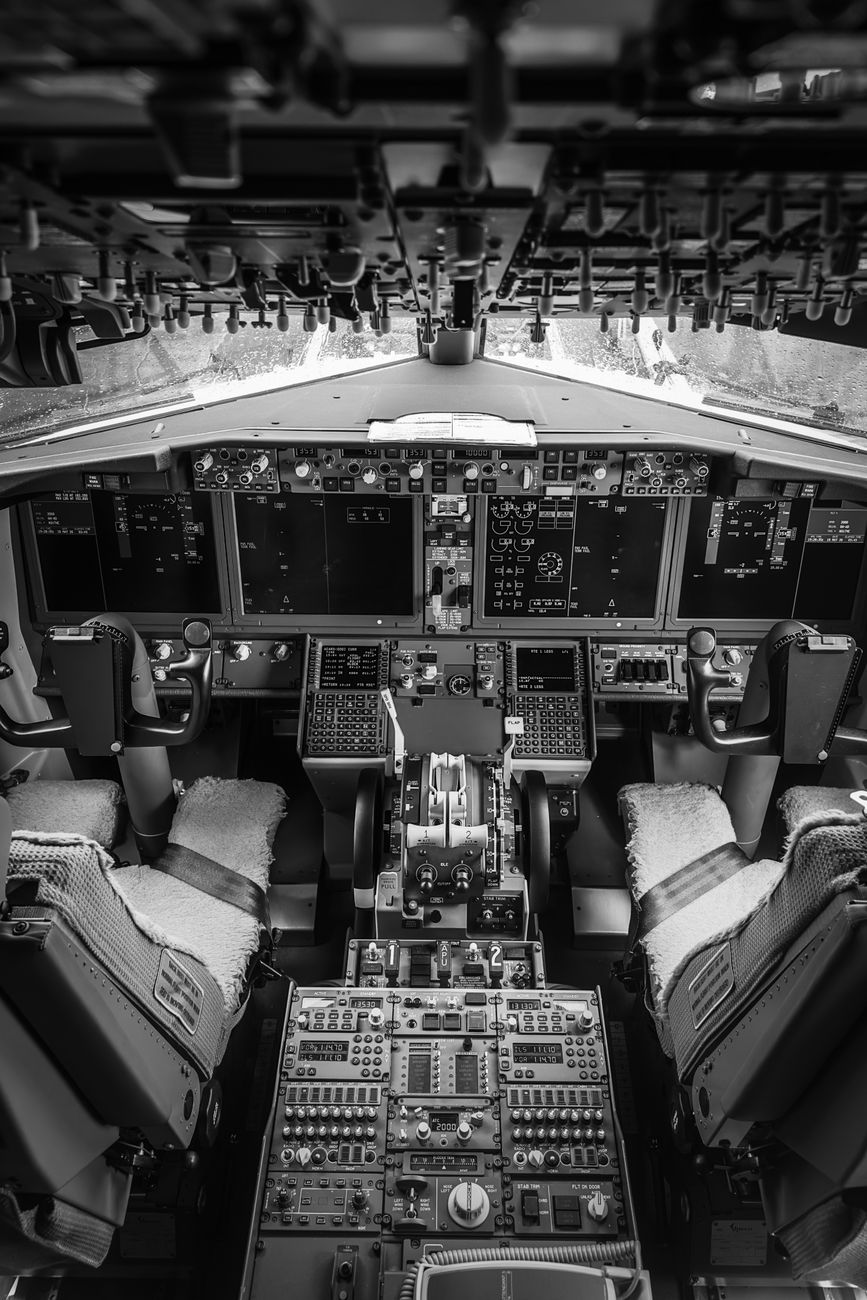
A question bank is useful for identifying weak areas and becoming familiar with question styles, but it cannot replace understanding. A reworded question can expose gaps in system knowledge.
How to approach essay questions
Use a clear technical structure.
A reliable answer format
- Identify the system or component.
- State its purpose.
- Describe the main components.
- Explain the normal sequence of operation.
- Explain control and indications.
- Describe failure protection or alternate operation.
- Mention relevant maintenance or safety considerations.
If asked to describe a landing gear system, cover:
- Gear structure
- Retraction and extension
- Hydraulic or electrical control
- Uplocks and downlocks
- Position indication
- Doors
- Brakes
- Anti-skid
- Steering
- Alternate or emergency extension
Use headings, short paragraphs and labelled diagrams where permitted. A technically correct answer is easier to assess when its structure is clear.

Common Module 11A mistakes
Memorising components without understanding the system
Knowing the names of valves is not the same as knowing why they are installed or how they affect system operation.
Ignoring system interactions
A flight-control problem may involve hydraulics, electrical power, computers, sensors and flight-deck indications. Study the links between them.
Treating diagrams as decoration
A diagram may contain the answer. Learn to follow lines, identify sources and trace alternate routes.
Neglecting failure modes
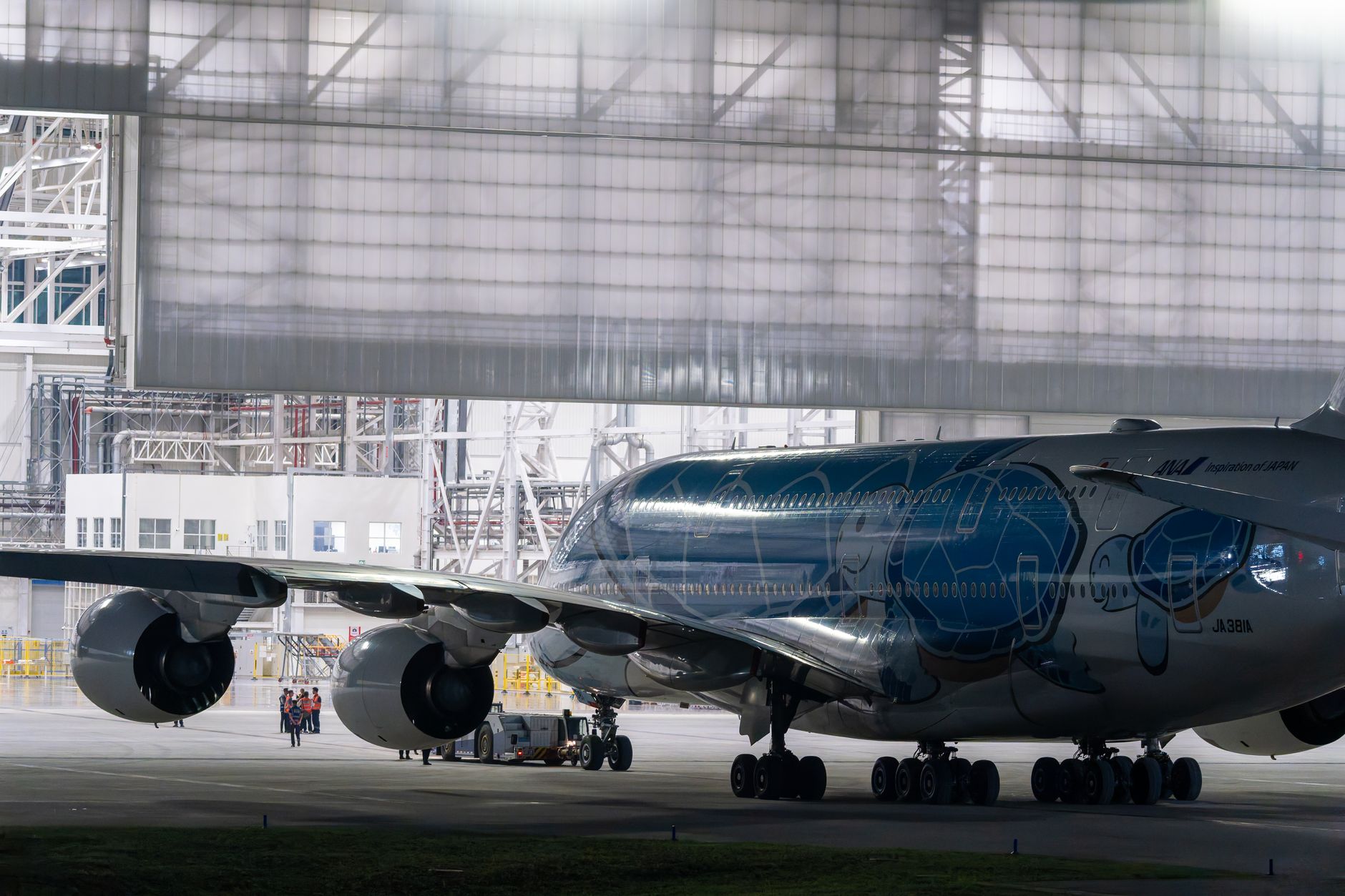
Normal operation is only part of the subject. For every system, ask what happens when a pump, valve, sensor, computer or power source fails.
Learning one aircraft type too early
Type training is important, but Module 11A is a generic systems examination. Do not confuse one manufacturer’s architecture with a universal rule.
Using outdated material
Aircraft systems and examination requirements change. Check that your notes, question bank and training material reflect the current syllabus.
Over-relying on memorised question banks
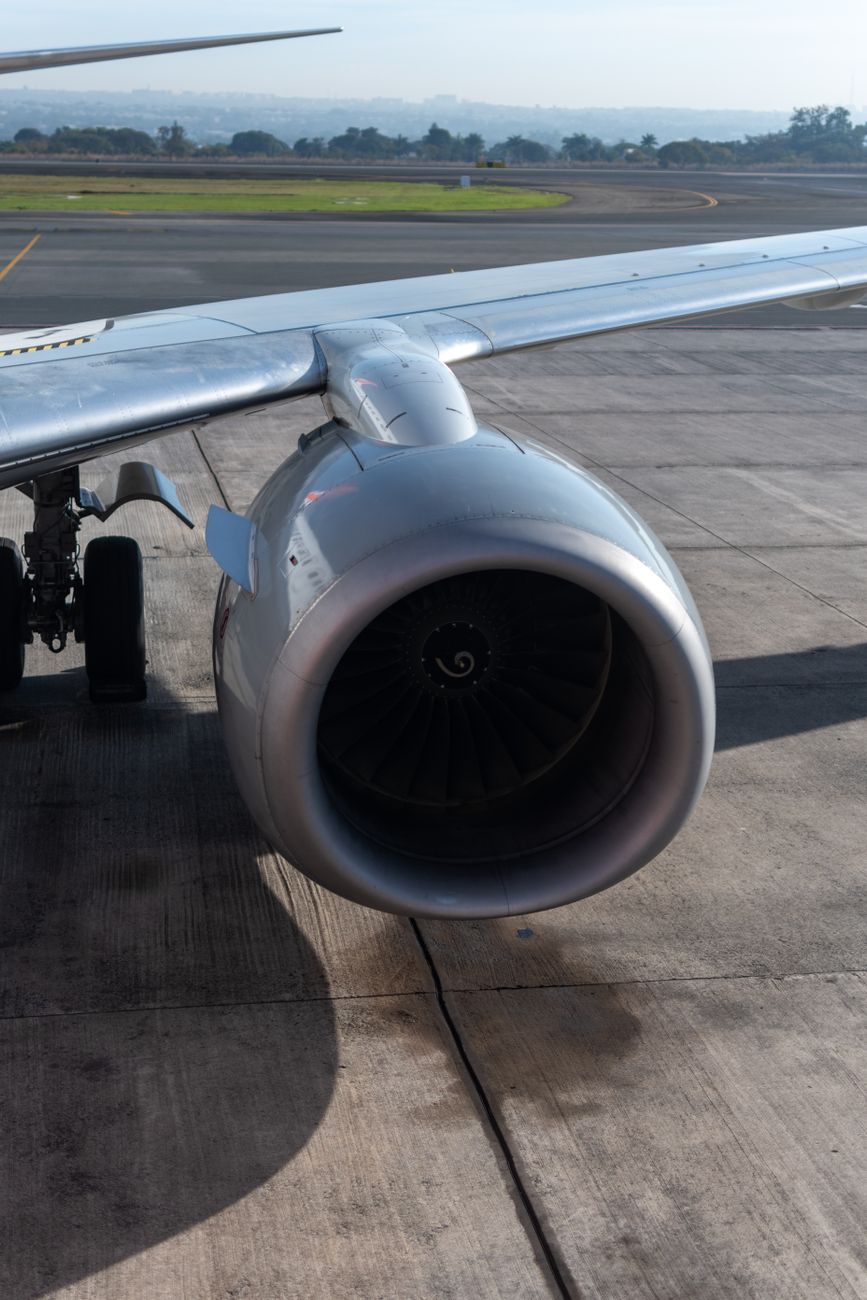
Question banks can reveal patterns and expose weak areas, but they cannot guarantee that the same wording will appear in the examination.
A practical revision plan
Phase one: build the map
Begin by becoming familiar with the syllabus.
- List every subject area.
- Read the basic theory.
- Identify unfamiliar terms.
- Create system diagrams.
- Connect each topic to earlier modules.
Phase two: study one system at a time
For each major system, produce a one-page summary containing:
- Purpose
- Sources
- Main components
- Normal operation
- Control and regulation
- Indications
- Alternate operation
- Typical failures
- Maintenance hazards
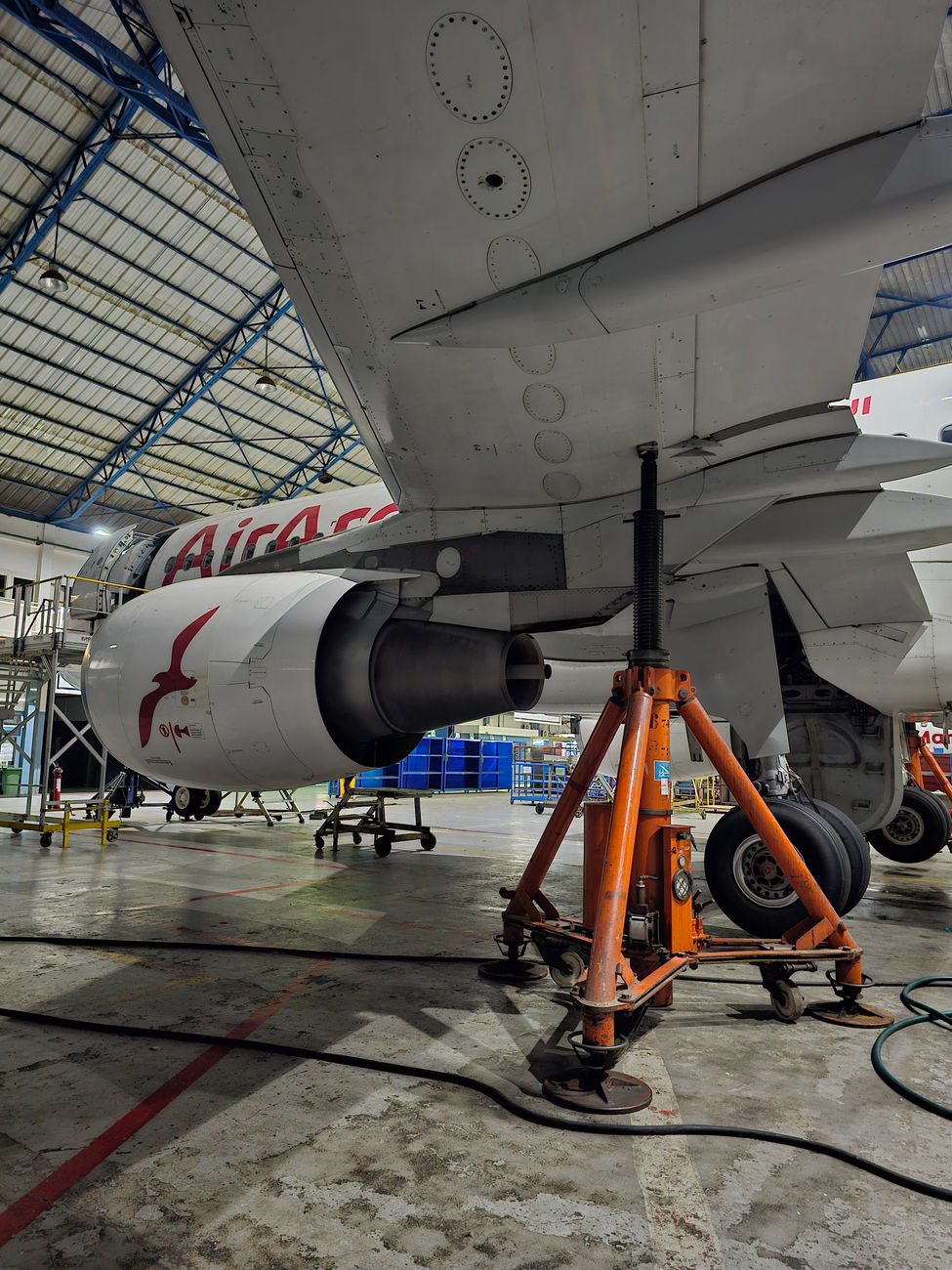
If a summary becomes several pages long, separate it into logical sections and retain a concise overview.
Phase three: practise integration
Work through mixed questions rather than studying only one ATA chapter at a time. Combine subjects such as:
- Hydraulics and landing gear
- Flight controls and electrical power
- Fuel and engine operation
- Pressurisation and pneumatic supply
- Fire protection and warning systems
Difficult questions often cross the boundaries between revision topics, so your preparation should do the same.
Phase four: simulate the examination
Complete timed practice papers without checking your notes. Afterwards, classify each mistake:
- Lack of knowledge
- Misunderstanding of the question
- Incorrect interpretation of a diagram
- Confusion between similar components
- Poor time management
- Changing a correct answer without justification
This classification identifies the cause of the problem and allows you to correct it systematically.
Final Module 11A advice
Module 11A requires a high level of technical integration in the B1 pathway. It expects you to combine aerodynamics, structures, materials, power generation, hydraulics, pneumatics, electronics, flight controls and maintenance practices into one working understanding of the aircraft.
The aircraft is not a random collection of systems. Each system exists for a reason, follows a logical flow and includes protection against predictable failures. Learn that logic and the syllabus becomes more manageable.
Focus on:
- Understanding rather than copying
- Diagrams rather than isolated lists
- Failure analysis rather than normal operation alone
- System relationships rather than individual ATA chapters
- Level 3 application rather than Level 1 recognition
- Clear written answers rather than unnecessary detail
When several answers appear correct, look for the specific condition, limitation or system detail that distinguishes the correct answer from the alternatives.
For broader revision and career guidance, read the latest aviation articles from AeroTech Careers. After passing your examinations, maintain clear evidence of your practical experience by reviewing our guidance on common CAP 741 logbook mistakes.
For an additional official technical reference, consult the FAA Aviation Maintenance Technician Handbook and the SKYbrary human factors guidance when exploring system safety and maintenance performance.



Login or register to join the conversation.
Join the discussion
0 comments