


.jpg)
If you’re a licensed aircraft engineer, mechanic, or avionics technician, create your free AeroTechCareers profile to showcase your competencies and be found by recruiters actively searching for engineers like you.
Introduction
How much does a licenced aircraft engineer really earn in the UK? Depending on which website or survey is consulted, the answer often appears far lower than reality. Many online sources quote an average aircraft engineer salary of around £31,000 to £51,000. In practice, this figure rarely reflects what experienced engineers actually take home.
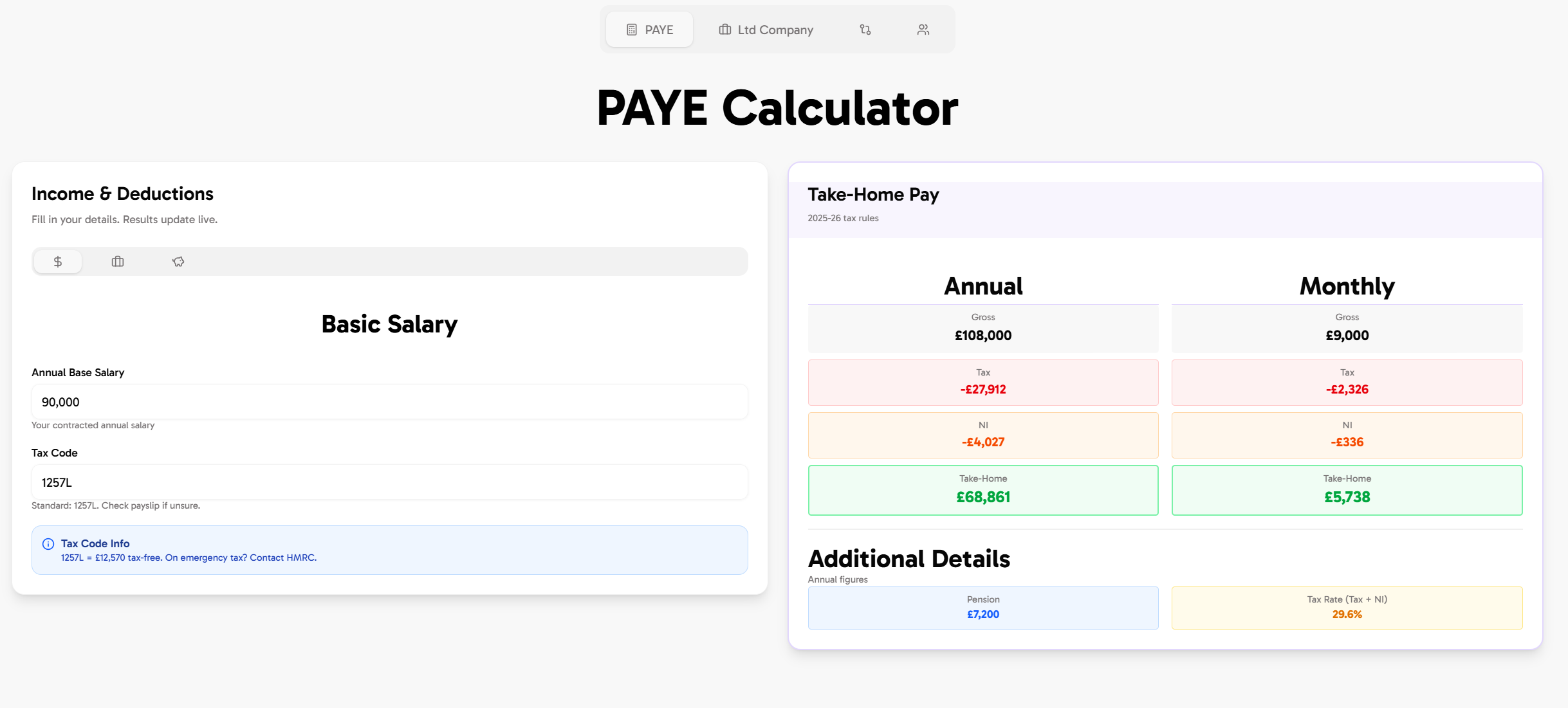
For a clearer picture of real-world earnings based on licence, shift pattern and aircraft type, readers can use the AeroTechCareers aircraft engineer salary calculator to see how total pay is actually built.
Across commercial and business aviation in the UK, total annual pay packages for licenced aircraft engineers commonly fall between £75,000 and £108,000. This range can appear surprisingly high to those outside the industry, yet it becomes entirely logical once shift premiums, licence categories, certifications and aircraft type ratings are properly understood.
This article exists because average salary figures are misleading. Aircraft engineer pay is rarely a single number. It is a layered structure made up of basic salary, shift premiums, type rating pay and additional allowances that vary significantly by role and employer.
By the end of this article, readers will understand how aircraft engineer pay is actually structured in the UK, the difference between licenced and unlicenced roles and why headline averages fail to capture the full picture.
Salary fundamentals
Before comparing roles, it is important to understand the building blocks of aircraft engineer pay.
Basic salary
The basic salary forms the foundation of any aircraft engineer pay package.
Role Typical UK basic salary
Unlicenced aircraft engineer £35,000 to £55,000
Licenced aircraft engineer £55,000 to £85,000
Basic salary is normally pensionable and paid regardless of shift pattern. For licenced engineers, the upper end of this range typically reflects experience, responsibility and sector rather than simply time served.
Shift pay and premiums
Most aircraft maintenance takes place outside standard office hours. As a result, shift premiums contribute heavily to total earnings.
Shift pattern Typical annual premium
Day shift £3,000 to £5,000
Night shift £10,000 to £15,000
Shift premiums are usually non pensionable and vary by employer. Airlines and larger maintenance organisations often apply fixed allowances, while independent MROs may calculate premiums as a percentage or hourly enhancement.
The difference between day and night shift alone can add more than £10,000 per year to total pay.
Licenced vs unlicenced engineers
This distinction is central to understanding aircraft engineer salary structures.
What licenced engineers are paid
A licenced aircraft engineer holds a UK Part 66 licence, such as B1 or B2, which grants the authority to certify aircraft as safe for return to service. This certification responsibility is what fundamentally changes earning potential.
Licenced engineers typically receive:
- A basic salary between £55,000 and £85,000
- Shift allowances depending on roster
- Performance or company bonuses in some organisations, sometimes reaching up to 20 percent
- Additional payments for holding multiple licence categories, such as B1 and B2
- C certification pay, commonly between £1,000 and £5,000
- Aircraft type rating premiums, normally paid per type
As experience grows, earnings usually increase through additional approvals rather than standard annual increments alone.
What unlicenced engineers are paid
Unlicenced aircraft engineers perform essential maintenance tasks but do not hold certification authority.
Typical UK pay includes:
- Basic salary of £35,000 to £55,000, heavily influenced by experience
- Shift premiums similar in structure to licenced roles
- Limited access to type rating pay or certification allowances
The key difference is the earnings ceiling. While experience improves pay, significant increases are typically unlocked only after licensing.
Why averages fail
Many online salary estimates place aircraft engineer pay at around £55,000. This usually reflects basic salary only and blends licenced and unlicenced roles together.
In commercial and business aviation in the UK, all-in pay packages for licenced engineers commonly sit between £75,000 and £108,000 once shift patterns and type ratings are included.
Two engineers with the same basic salary can have vastly different annual earnings depending on approvals and shift pattern.
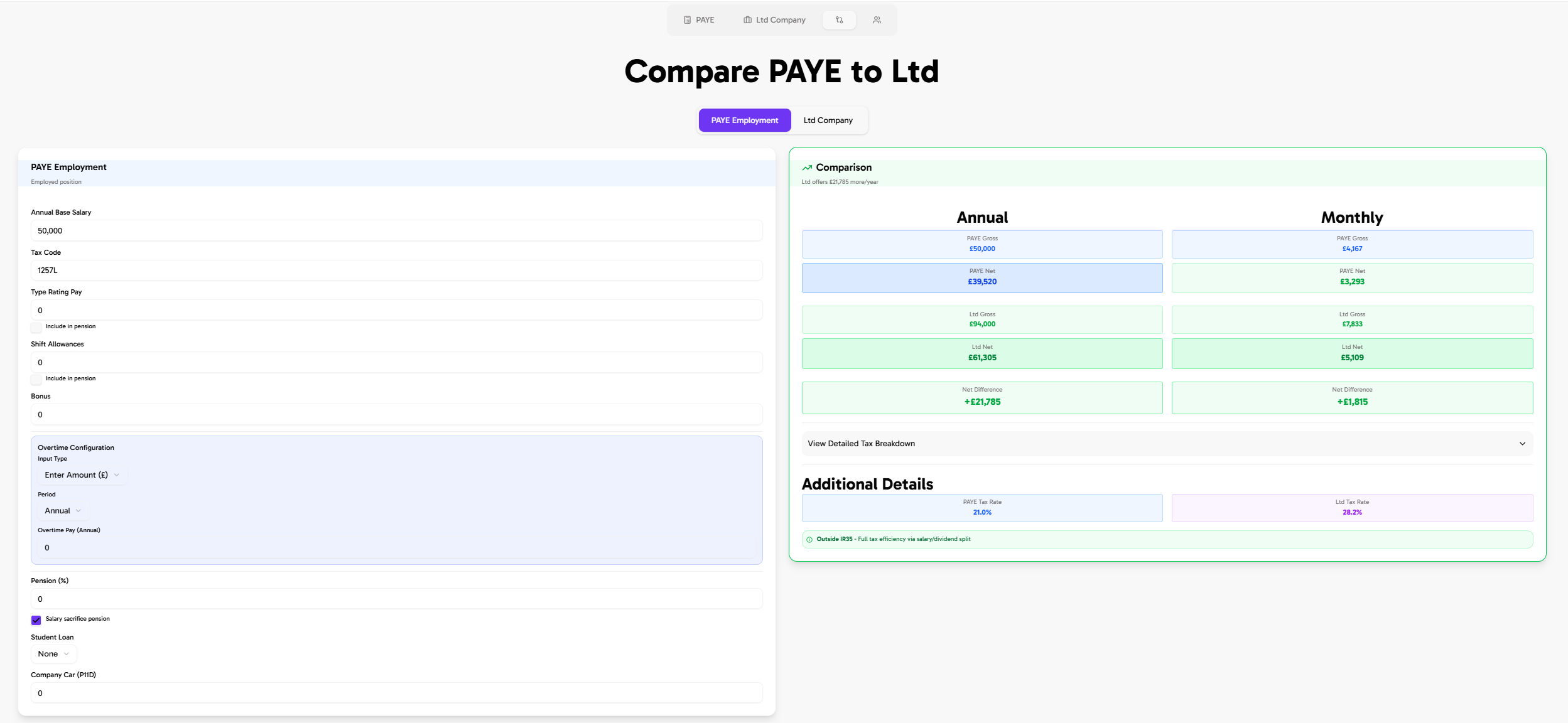
While average salary figures fail to reflect real earnings, they also ignore how engineers are paid. Total take-home can vary significantly depending on whether income is structured through PAYE employment or via a limited company.
Tax treatment, pension contributions and allowable expenses can materially change net pay even when gross figures appear similar. The AeroTechCareers aircraft engineer salary calculator allows engineers to compare PAYE and LTD scenarios side by side, helping to clarify how licensing, shift patterns and contract structure influence real take-home earnings.
The type rating premium
Type rating pay is one of the most misunderstood elements of aircraft engineer compensation.
What type premiums are
A type rating authorises an engineer to work on and certify a specific aircraft type, such as an A320, B787 or business jets like the Global Express or G650. Employers invest heavily in this training and pay premiums to retain engineers with in-demand approvals.
Typical UK premiums range from £1,500 to £5,000 per aircraft type.
How they accumulate
Unlike many industries, type premiums are often paid per aircraft type. Engineers holding multiple approvals may receive cumulative payments, significantly increasing total pay.
Case examples
Example role Profile estimated total pay
A - Experienced unlicenced engineer on night shift £45,000
B - Newly licenced engineer with no types on night shift £75,000
C - Licenced engineer with C cert, three types, additional licence category £105,000 to £108,000
Other components of pay
Aircraft engineer compensation extends beyond salary alone.
Additional elements often include:
- Company bonuses or profit share
- Employer pension contributions
- Health and welfare benefits
- Private healthcare in some organisations
- Training and development funding
- Relocation packages and retention incentives
Individually these may appear modest, but together they materially affect overall compensation.
Salary trends in 2025 and 2026
The UK aircraft maintenance market continues to experience long-term pressure.
During the pandemic, many experienced engineers left the industry permanently. Training pipelines slowed and licence progression stalled. As flying activity recovered, demand for licenced engineers returned faster than supply.
Key trends include:
- Rising premiums for in-demand licences and aircraft types
- Strong competition for engineers with business aviation approvals
- Continued upward pressure from inflation and cost of living
These factors support higher total pay packages even where basic salaries appear unchanged.
Real-world market evidence
Recent UK market movements have reinforced the upper end of the licenced aircraft engineer pay range. In response to ongoing recruitment and retention pressures, United Airlines at Heathrow increased licenced aircraft engineer pay to an all-in package of £108,000, once shift premiums and allowances were included.
This adjustment brought the total compensation firmly into the upper bracket outlined earlier in this article and reflects wider market forces rather than an isolated case. Operators at major UK hubs are increasingly recognising that base salary alone is no longer sufficient to attract and retain experienced certifying engineers.
The move also highlights an important point often missed by salary surveys. While advertised basic salaries may appear modest, total packages can be significantly higher once shift structures and operational premiums are applied. For licenced engineers working in high-demand environments, the £75,000 to £108,000 range is not theoretical. It is already being realised in the UK market.
Why “average salary” figures mislead
Average salary figures fail because they ignore variable pay.
They typically exclude:
- Shift premiums
- Type rating allowances
- Certification pay
- Bonuses and incentive payments
Two engineers with identical base salaries can earn tens of thousands of pounds apart annually. Many online figures rely on incomplete surveys or job listings that do not reflect real-world packages.
Engineers should focus on total compensation rather than headline averages when assessing market value.
Advice for engineers
Several practical points are worth considering:
- Evaluate total package value rather than basic salary alone
- Ask employers how shift premiums and type pay are calculated
- Additional types can increase earnings, but not all types deliver equal value
- In some cases, deeper experience on fewer types provides better long-term return
- Review contracts carefully to understand how allowances are reviewed and retained
Informed decisions depend on understanding how pay is structured.
Conclusion
Aircraft engineer salaries in the UK are multi-component by design. Pay is built from several layers rather than a single figure.
Licenced engineers with shift premiums, multiple type ratings and certification responsibility typically out-earn unlicenced peers by a significant margin. Average salary figures obscure this reality and often understate true earning potential.
Readers are encouraged to share their experiences and explore the AeroTechCareers aircraft engineer salary calculator to see how role, shift pattern and approvals influence total pay.



Login or register to join the conversation.
Join the discussion
0 comments