

If you’re a licensed aircraft engineer, mechanic, or avionics technician, create your free AeroTechCareers profile to showcase your competencies and be found by recruiters actively searching for engineers like you.
EASA Part-ML Explained for Aircraft Maintenance Engineers
EASA Part-ML is the continuing-airworthiness framework for many non-complex aircraft operated within the European system. It sets out how maintenance is planned, performed, recorded and certified, and defines the responsibilities of aircraft owners, operators, CAMOs, maintenance organisations and certifying staff.
For maintenance engineers, Part-ML is important because it changes how continuing airworthiness is managed compared with the more prescriptive requirements applied to complex aircraft and commercial air transport fleets. It does not replace Part-66 licensing or Part-145 approval. Instead, it provides the continuing-airworthiness requirements within which appropriately authorised engineers and organisations work.
This guide explains the scope of Part-ML, maintenance programmes, certificates of release to service, airworthiness reviews, owner responsibilities and the practical differences between UK and EASA requirements.
Which aircraft does Part-ML apply to?
Part-ML generally applies to aircraft that are not classified as complex motor-powered aircraft, subject to the scope of Regulation (EU) No 1321/2014 and applicable national arrangements. Engineers should confirm the current scope in the EASA continuing-airworthiness guidance before relying on a particular Part-ML provision.
Typical examples include:
- General aviation aeroplanes
- Light twin-engine aircraft
- Touring motor gliders
- Certain helicopters
- Aircraft used for private operations, aerial work or limited commercial purposes where the applicable regulatory conditions are met
Part-ML is not a simplified route for every aircraft. Complex motor-powered aircraft, aircraft operated by licensed air carriers and aircraft falling within other specific regulatory categories remain subject to different continuing-airworthiness requirements.
The first practical question for an engineer is not simply whether the aircraft is small. It is which continuing-airworthiness regime applies to the aircraft, its operation and its registration.
For a UK-registered aircraft, the equivalent requirements are generally found in UK Part-ML. EASA Part-ML applies to aircraft within the EASA regulatory system. The technical principles are closely related, but UK and EASA approvals, licences and organisational authorisations must not be treated as automatically interchangeable. The UK CAA publishes current information through its continuing-airworthiness guidance.
The purpose of Part-ML
Part-ML establishes a proportionate system for maintaining aircraft that do not require the full continuing-airworthiness infrastructure used by large commercial fleets. Its requirements should be read alongside the applicable maintenance, licensing and organisational rules, rather than treated as a replacement for them.

It covers:
- The aircraft maintenance programme
- Defect control and deferred defects
- Airworthiness directives and other mandatory requirements
- Maintenance records
- Component control
- Airworthiness reviews
- The responsibilities of the owner or operator
- The use of approved maintenance organisations and certifying staff
The central principle is that the owner remains responsible for ensuring that the aircraft remains airworthy, even when maintenance and continuing-airworthiness tasks are delegated.
This is particularly important in general aviation. A Part-ML aircraft may not have a large technical services department, but its maintenance must still be controlled through an appropriate maintenance programme, authorised personnel and complete technical records.
Maintenance programmes under Part-ML
A Part-ML aircraft must be maintained in accordance with an approved or declared maintenance programme, depending on the aircraft and its operating category. The programme should reflect the aircraft configuration, utilisation, operating environment and mandatory requirements that apply to it.
The maintenance programme normally takes account of:
- The aircraft manufacturer’s maintenance data
- Airworthiness limitations
- Airworthiness directives
- Service-life limits
- Inspection requirements
- Reliability and operational experience
- The aircraft’s actual utilisation and operating environment
Part-ML can provide greater flexibility than the maintenance systems commonly used for large commercial aircraft. Certain maintenance tasks and intervals may be managed using the flexibility permitted by the regulation, but this does not allow an engineer to disregard the manufacturer’s instructions or mandatory limitations. Airworthiness directives should be checked against the applicable authority’s current information, including the EASA airworthiness directives service where relevant.
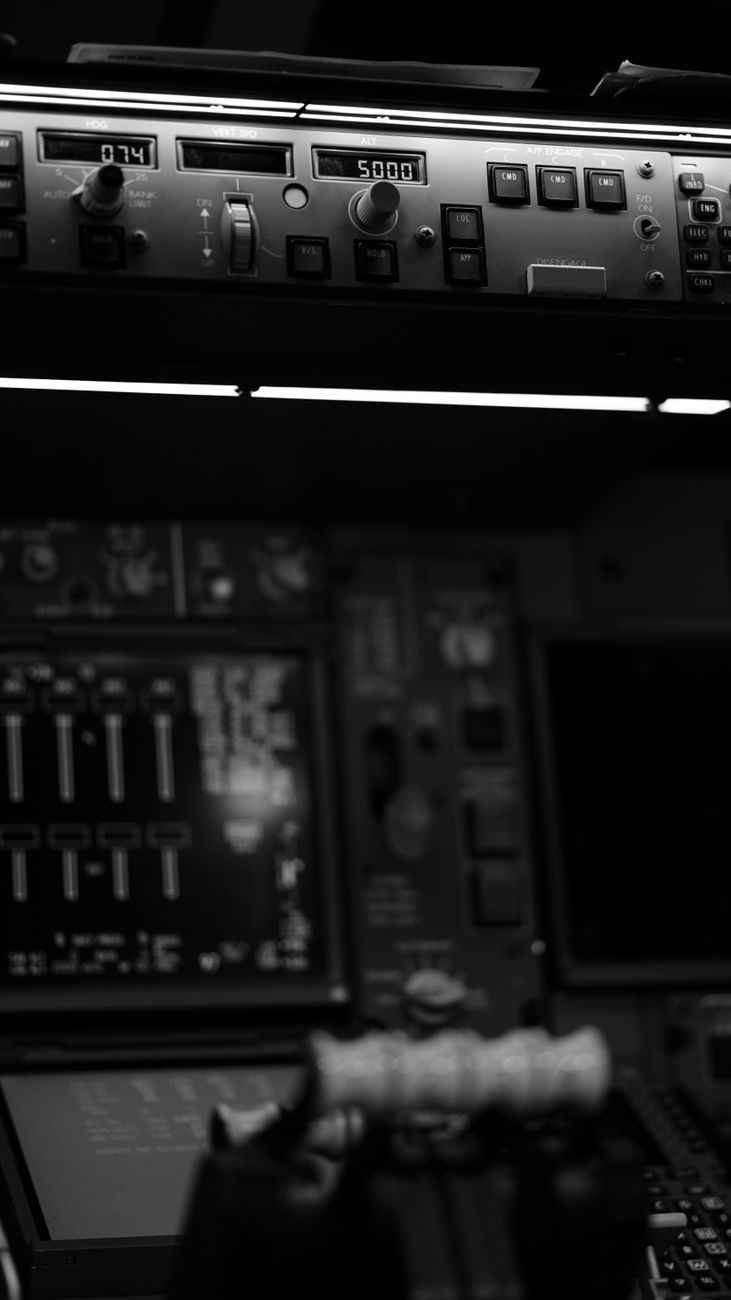
Engineers should also understand how maintenance intervals are established. Our guide to aircraft maintenance check intervals explains how maintenance programmes can be influenced by MSG-3 analysis, airworthiness directives, reliability data and aircraft utilisation.
Before starting a task, an engineer should establish:
- Which maintenance programme controls the aircraft
- Whether the task is mandatory or subject to an approved variation
- Whether an airworthiness directive or life limit applies
- Which maintenance data is current
- Who is authorised to approve the completed work
Technically correct work performed against obsolete or inappropriate data is not compliant maintenance.
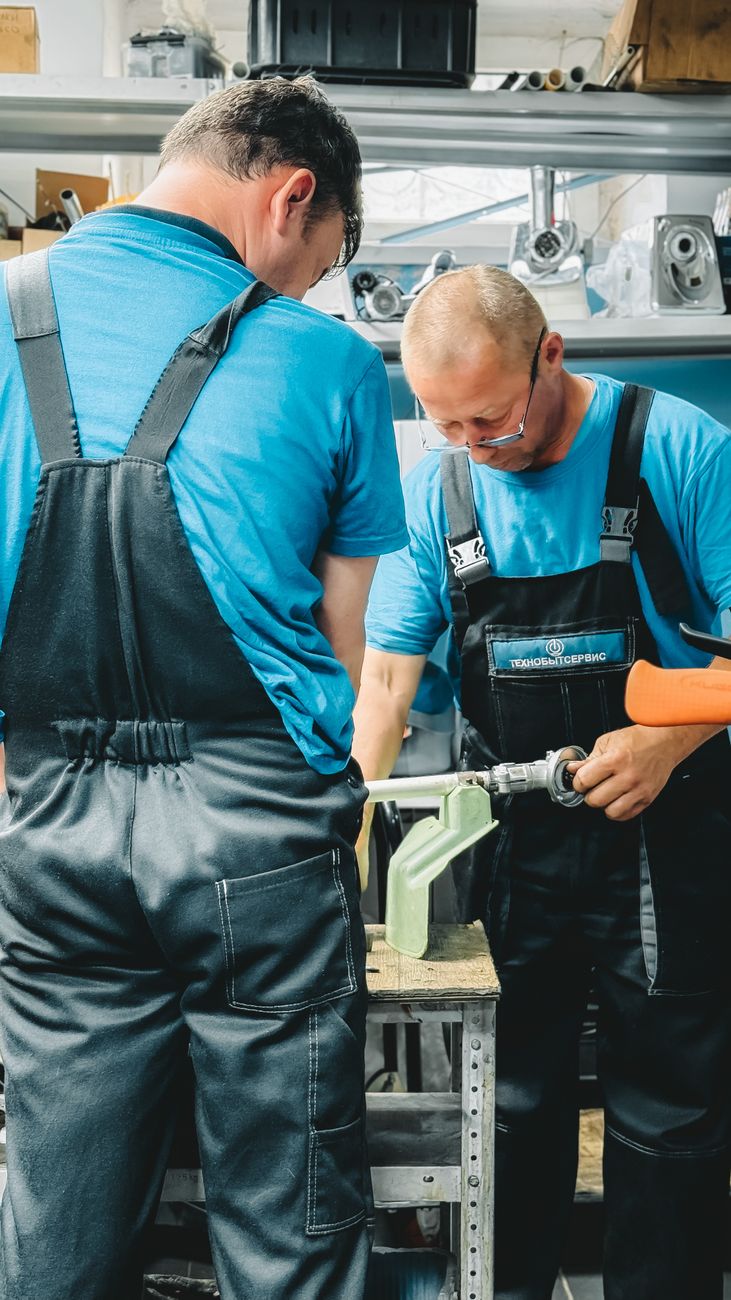
Who may perform and certify Part-ML maintenance?
Part-ML does not create a separate aircraft maintenance licence. Engineers still need the appropriate licence, competence and authorisation for the work they perform and certify.
Depending on the aircraft and task, maintenance may be performed or certified by:
- A Part-145 approved maintenance organisation
- A Part-CAO organisation
- Appropriately licensed and authorised Part-66 engineers
- Independent certifying staff, where the applicable rules permit
- The pilot-owner, for a strictly limited range of eligible maintenance tasks
The organisation or individual must use the correct maintenance data and issue the appropriate certificate of release to service. EASA’s Easy Access Rules for Continuing Airworthiness should be consulted for the applicable regulatory text and associated acceptable means of compliance.
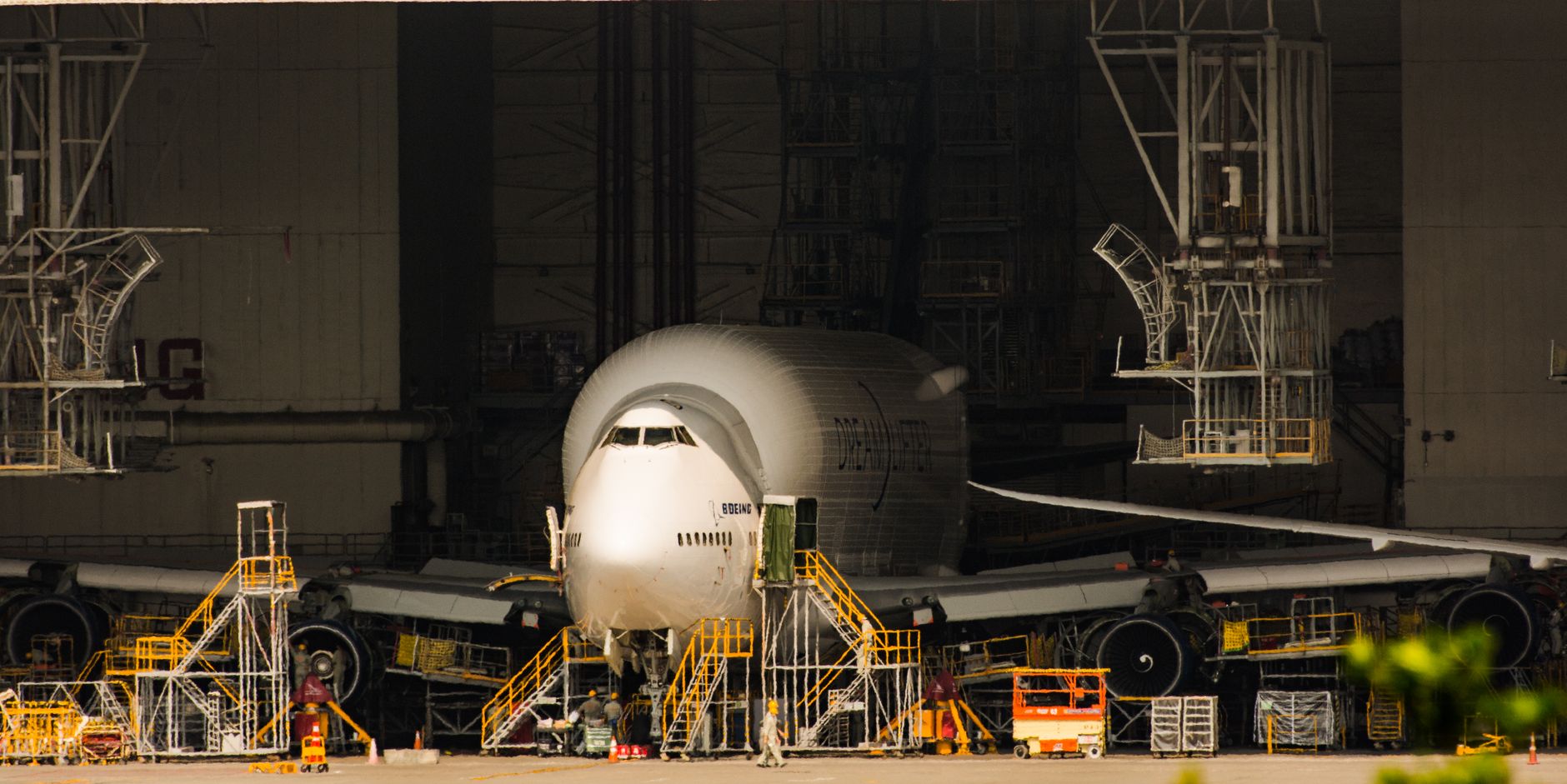
For engineers, the important distinction is between:
- Performing maintenance: carrying out the physical work in accordance with approved or acceptable data.
- Certifying maintenance: confirming that the work has been completed correctly and that the aircraft or component is released to service within the person’s authorisation.
A Part-66 licence alone does not automatically authorise every task on every aircraft. The engineer must also have the relevant category, type or task privileges and, where applicable, an organisational authorisation.
Where an independent inspection is required, the inspector must meet the applicable competence, authorisation and independence requirements. Read our guide to who can perform an independent inspection for more detail on UK and EASA Part-145 expectations.
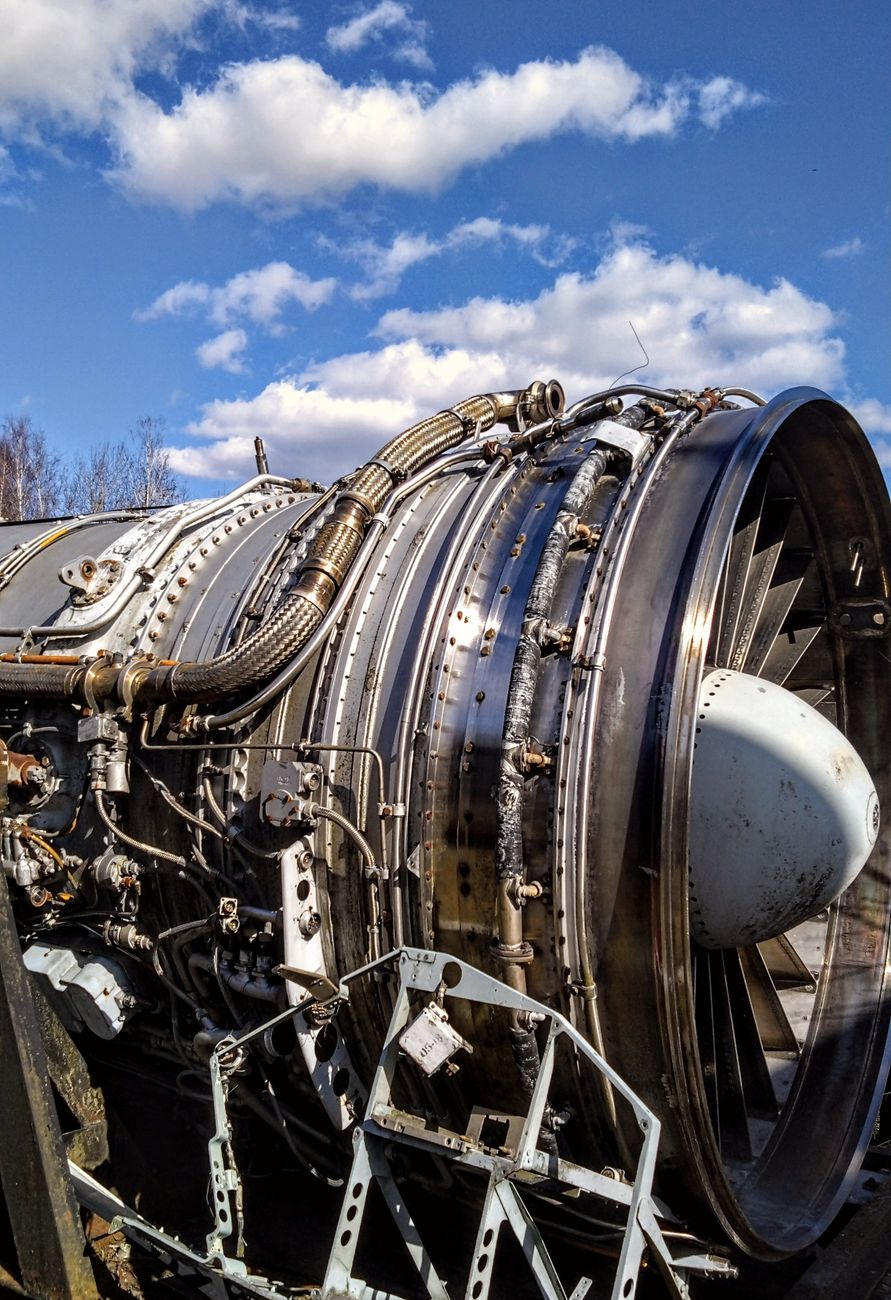
Part-ML and the Certificate of Release to Service
Following maintenance, the aircraft requires a Certificate of Release to Service, or CRS, issued by a person or organisation with the appropriate authority.
The CRS confirms that:
- The specified maintenance has been completed
- The work complies with the applicable maintenance data
- No known non-compliance prevents the aircraft from being released
- The person signing has the necessary competence and authorisation
The CRS is not an administrative formality. It is the formal statement that the maintenance has been properly completed and that the aircraft is eligible to return to service within the limitations recorded.
Where a defect remains open, the engineer must ensure that it is handled under the approved defect-control process. A defect cannot be ignored because the aircraft is operated under Part-ML. The same principle applies to maintenance records, deferred defects and technical-log entries.
For a practical comparison of inspection stages, see our guide to aircraft pre-flight and post-flight inspections.
The owner’s responsibilities
Under Part-ML, the owner has a significant continuing-airworthiness role. The owner must ensure that:
- The aircraft is maintained in an airworthy condition
- Required maintenance is scheduled and completed
- Defects are properly recorded and rectified or controlled
- Mandatory instructions are complied with
- Technical records are retained
- The aircraft is presented for maintenance and airworthiness review when required
The owner may contract a CAMO, CAO or maintenance organisation to perform particular activities. Contractual delegation does not remove the need for proper oversight.
This matters to engineers because instructions may come from an owner, operator, CAMO or maintenance organisation. Before starting work, the engineer should establish who controls the maintenance programme and whether the work package accurately reflects the aircraft’s current configuration.
Airworthiness reviews and the ARC
Part-ML also contains requirements concerning the continuing validity of the aircraft’s airworthiness review certificate, commonly referred to as the ARC.
An airworthiness review is not the same as a maintenance inspection. It is a broader review of the aircraft’s records, configuration, maintenance status and continuing-airworthiness history.
The review may involve:
- Examination of technical records
- Verification of compliance with the maintenance programme
- Confirmation that mandatory requirements have been addressed
- Review of defects and modifications
- Physical survey of the aircraft
- Confirmation that the aircraft remains in a condition for safe operation
Maintenance engineers should understand the limits of their role. Completing a scheduled inspection or signing a CRS does not, by itself, constitute an airworthiness review or authorise the issue of an ARC.
Part-ML compared with Part-145 and Part-66
Part-ML, Part-145 and Part-66 address different regulatory functions:
- Part-ML: continuing-airworthiness requirements for eligible aircraft.
- Part-145: approval requirements for maintenance organisations.
- Part-66: licensing requirements for aircraft maintenance engineers and certifying staff.
A Part-145 organisation may maintain aircraft subject to Part-ML, but it must still comply with its own approval terms, procedures, competence requirements and authorisation system. Part-ML determines how continuing airworthiness is managed, while Part-145 and Part-66 determine important aspects of organisational approval and individual licensing.

In practice, an engineer working in a Part-145 environment may encounter Part-ML aircraft in general aviation, special-mission, corporate or other non-complex operations. The organisation’s approval and the aircraft’s continuing-airworthiness regime must both be understood before work is certified.
UK and EASA licensing after Brexit
A UK engineer working on an EASA-registered aircraft must distinguish between:
- A UK CAA Part-66 licence
- An EASA Part-66 licence
- An organisational authorisation issued by a Part-145 or other approved organisation
- The aircraft’s registration and regulatory status
EU and EASA Certificates of Recognition, together with engineer licensing arrangements following 1 January 2023, should be checked against current UK CAA aircraft engineer licensing guidance and the relevant EASA maintenance requirements. A Certificate of Recognition does not automatically mean that a licence is valid for every aircraft or organisation.
Under the applicable acceptance and authorisation arrangements, a UK-based engineer may be able to carry out maintenance on a European-registered aircraft in the UK and certify it using a UK-issued Part-66 licence where the organisation holds EASA Part-145 approval. The aircraft may then depart for operations elsewhere in Europe. The precise licence, authorisation, organisation and aircraft conditions must be confirmed for the specific work package.
For UK-registered aircraft, engineers generally work within the UK CAA framework, including UK Part-ML, UK Part-66 and UK-approved organisations.
For a related explanation of post-Brexit certification, see who can certify EASA aircraft in the UK after Brexit.

Experience and evidence for engineers
Part-ML is not an aircraft maintenance licence or an experience pathway. Engineers must still satisfy the applicable Part-66 licensing requirements and demonstrate relevant practical experience in an acceptable form.
For UK CAA applications, experience may be recorded through structured evidence such as CAP 741 logbooks or equivalent records accepted by the CAA. Records should show a representative range of tasks, the aircraft type or category involved, the dates, the engineer’s role and the appropriate signatory.
Engineers preparing evidence should follow the relevant CAP 741 logbook guidance and avoid the common errors outlined in our article on CAP 741 logbook mistakes that delay applications.
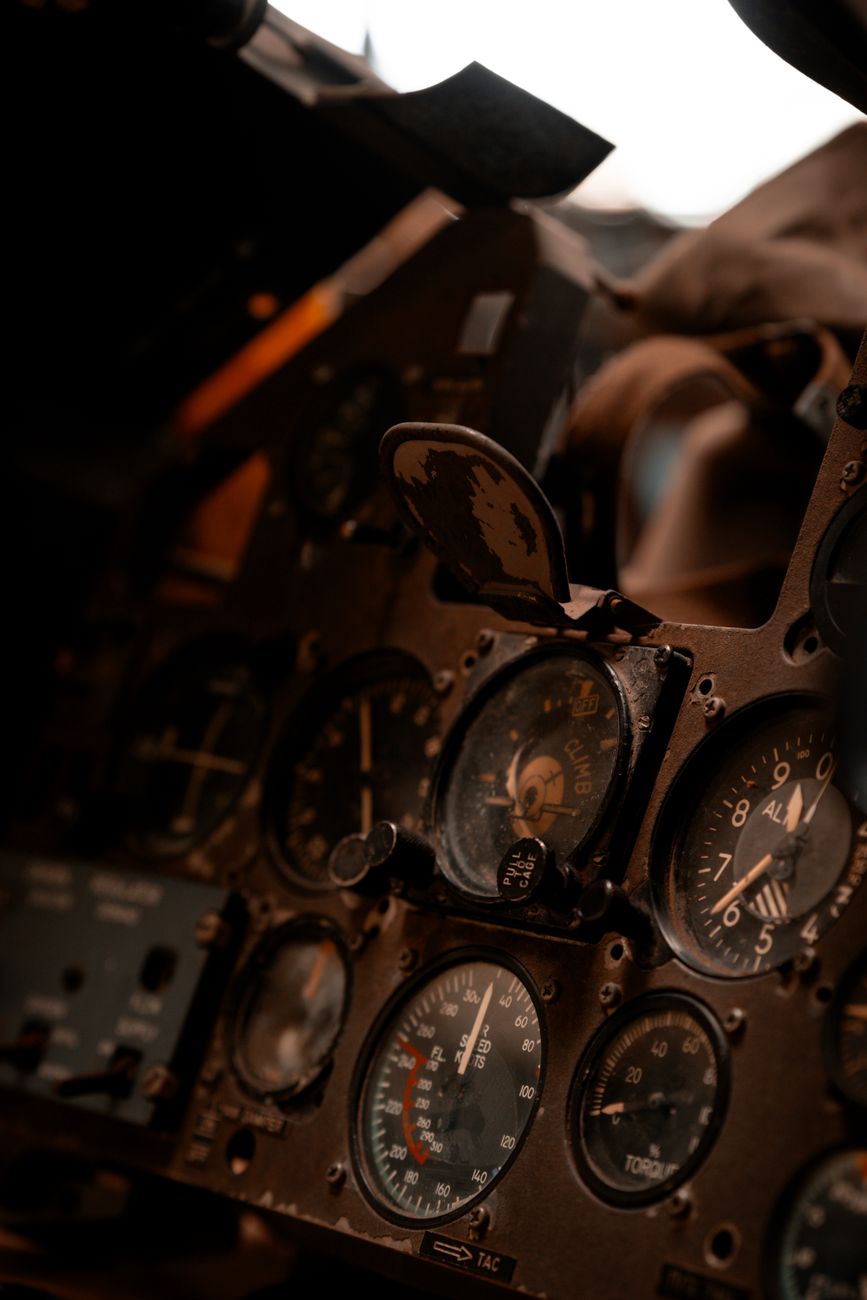
UK Acceptable Means of Compliance to 66.A.30(e) requires practical maintenance experience on operating aircraft in a form and manner acceptable to the UK CAA, signed by the appropriate signatory. For example, one route refers to three years’ experience exercising Category B1 or B2 privileges on aircraft other than complex motor-powered aircraft, working as support staff under 145.A.35, or a combination of both.
The experience must be practical and cover a representative cross-section of maintenance tasks relevant to the category sought. For Category B2L applicants, one specified route requires three years of practical maintenance experience on operating aircraft covering the relevant system rating or ratings where the applicant has no previous relevant technical training.
These requirements should not be confused with Part-ML privileges. They determine whether an engineer can meet a licensing or licence-extension requirement. Part-ML determines how the continuing airworthiness of an eligible aircraft is managed.
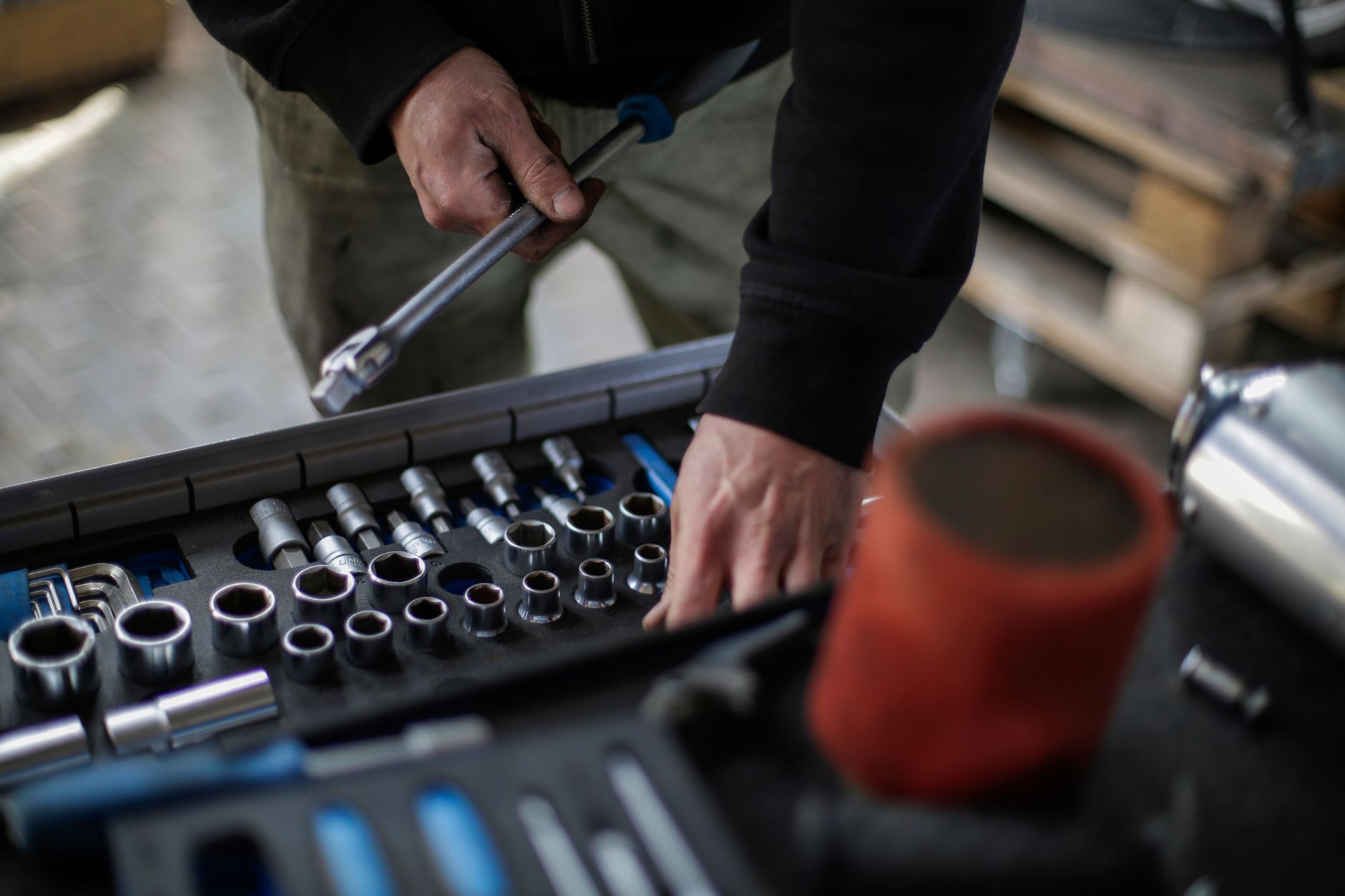
Military engineers seeking recognition of service experience should use the applicable UK Ministry of Defence and UK CAA pathways. Military maintenance experience can be valuable, but it must be documented and assessed against civil licensing requirements rather than assumed to transfer automatically.
Analyse your maintenance experience with the Part 66 Logbook Analysis tool, or start the free demonstration before submitting your evidence.
Practical Part-ML checklist for engineers
When approaching a Part-ML task, an engineer should confirm:
- The aircraft’s registration and applicable regulatory system
- Whether EASA Part-ML or UK Part-ML applies
- The aircraft’s approved or declared maintenance programme
- The current maintenance data and applicable airworthiness directives
- The engineer’s licence category and aircraft or task competence
- The organisation’s approval and the individual’s authorisation
- The correct CRS and technical-record entries
- Any open defects, life limits or configuration restrictions
- Whether the work affects the aircraft’s airworthiness review status
Part-ML offers a proportionate framework, but proportionate does not mean informal. The engineer remains responsible for working within the approved data, the maintenance organisation’s procedures and the limits of their authorisation.
Final thoughts
For UK and European maintenance professionals, a sound understanding of Part-ML is an important practical competence, particularly in general aviation, business aviation, light-aircraft maintenance and smaller approved maintenance organisations.
Part-ML enables engineers to distinguish between maintenance performance, maintenance certification and continuing-airworthiness management, while applying the correct UK CAA or EASA requirements to the aircraft concerned. Always verify the current regulation, authority guidance, approval terms and work-package requirements before performing or certifying maintenance.
For more aircraft maintenance guidance, visit the AeroTech Careers Blog.





Login or register to join the conversation.
Join the discussion
0 comments