


If you’re a licensed aircraft engineer, mechanic, or avionics technician, create your free AeroTechCareers profile to showcase your competencies and be found by recruiters actively searching for engineers like you.
Aircraft Pre-Flight and Post-Flight Maintenance Inspections Explained
Pre-flight and post-flight inspections are essential elements of aircraft line maintenance. A pre-flight inspection provides the final opportunity to identify an unsafe condition before departure, while a post-flight inspection provides the first opportunity to record defects after an aircraft returns to service.
Although both inspections are associated with the same flight, they have different purposes:
- A pre-flight inspection confirms that the aircraft is fit for the intended flight.
- A post-flight inspection identifies defects, damage or abnormal conditions that must be addressed before the next flight.
The exact tasks depend on the aircraft type, operator procedures, approved maintenance programme and applicable regulatory framework.
What is a pre-flight inspection?
A pre-flight inspection is a structured examination completed before an aircraft flies. It is not simply a visual walkaround. The person carrying it out must follow the operator's approved procedures and confirm that the aircraft is in a satisfactory condition for the planned operation.
Typical tasks may include:
- Inspecting the aircraft externally for damage, leaks, contamination and loose or missing items
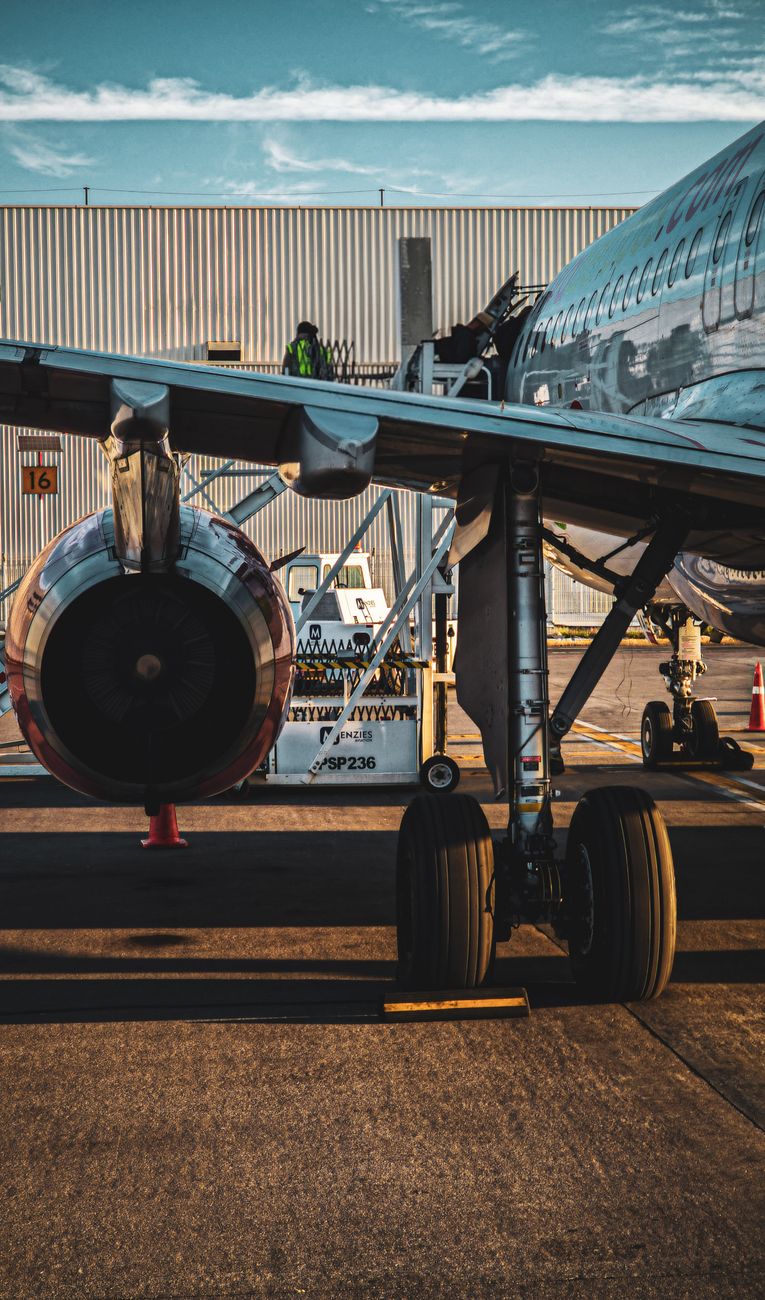
- Checking tyres, brakes, landing gear, access panels, doors and control surfaces
- Confirming that fuel, oil, hydraulic fluid and other required servicing levels are satisfactory
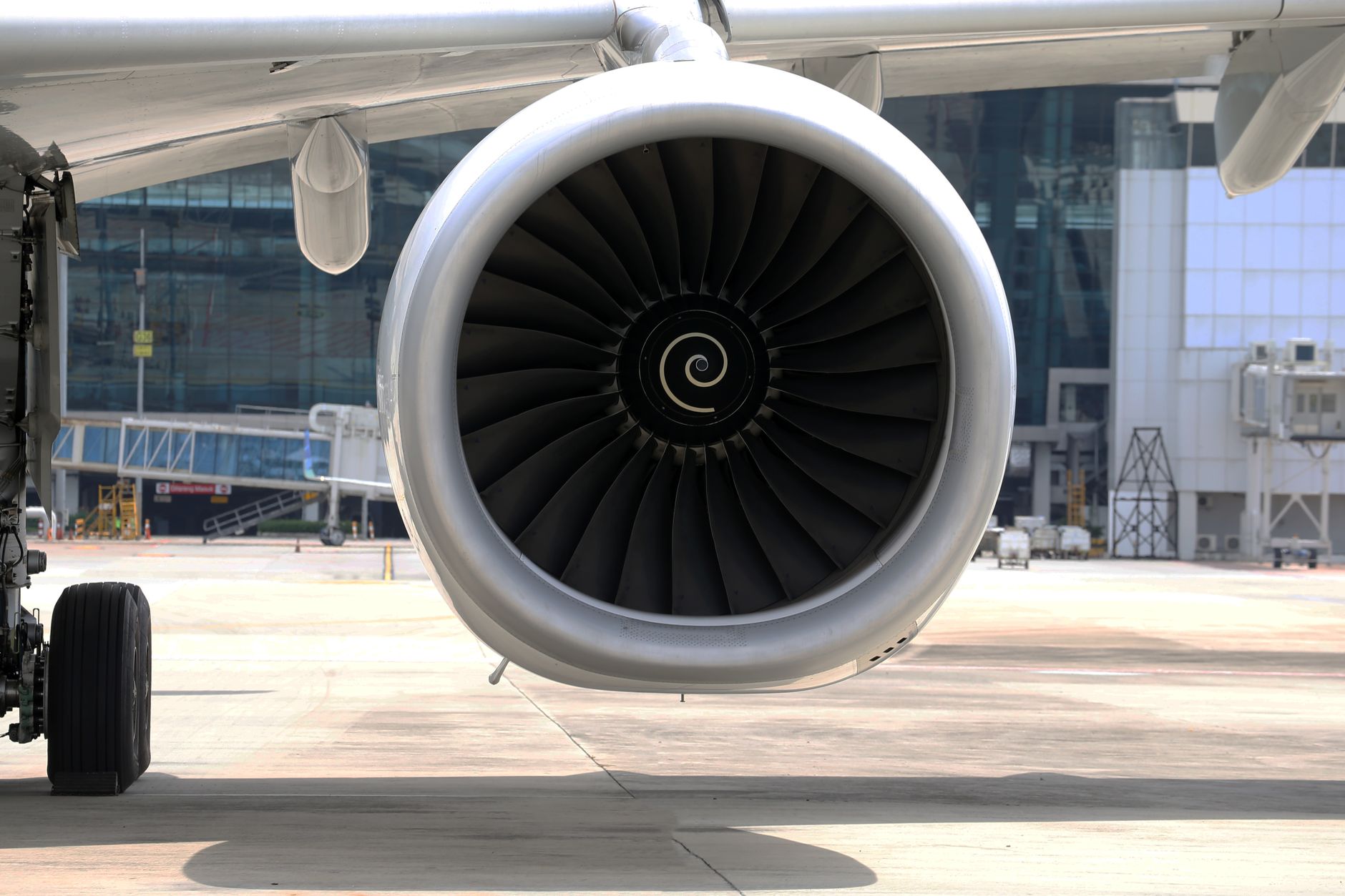
- Checking pitot probes, static ports, sensors and engine inlets for obstructions
- Reviewing the aircraft technical log and open defects
- Confirming that deferred defects are permitted under the applicable MEL or approved procedure
- Verifying that required equipment, documents and placards are present
- Checking for signs of bird strike, foreign object damage, fluid leakage or abnormal wear
- Carrying out specified operational or system checks
The inspection must be appropriate to the aircraft and the intended flight. A pre-flight check for a light aircraft operated under Part-ML will not necessarily have the same scope as a transit inspection on a commercial airliner operated under Part-M.
Who is responsible for the pre-flight inspection?
Under the UK and EASA continuing-airworthiness frameworks, responsibility is divided between carrying out the inspection and ensuring that it is carried out.
Part-M, M.A.201(d)
Under Part-M M.A.201(d), the pre-flight inspection must be carried out satisfactorily by:
- The pilot-in-command; or
- In the case of a licensed air carrier, suitably qualified staff under the responsibility of the operator, which may include maintenance personnel.
The operator remains responsible for ensuring that the inspection arrangements are effective and properly controlled. The applicable continuing-airworthiness provisions can be checked in the EASA Easy Access Rules for Continuing Airworthiness.
Part-ML, ML.A.201(d)
Under Part-ML ML.A.201(d), the pre-flight inspection is carried out by:
- The pilot-in-command; or
- A qualified person acting under the responsibility of the pilot-in-command.
This distinction is particularly relevant to smaller general aviation aircraft. A pilot may complete the required pre-flight inspection without holding an aircraft maintenance licence, provided the task falls within the applicable procedures and responsibilities.
A pre-flight inspection must not be confused with certifying maintenance. A pilot completing a walkaround is not automatically authorised to certify a repaired defect or issue a maintenance release.
Who must ensure that the inspection takes place?
Under M.A.301(a) and ML.A.301(a), the owner or the organisation responsible for continuing airworthiness must ensure that the pre-flight inspection is completed.
Depending on the aircraft and operating arrangement, this may involve:
- The owner
- The operator
- A CAMO
- A CAO
- Approved maintenance personnel working under an operator's procedures
For aircraft operated by a licensed air carrier, the operator's continuing-airworthiness and maintenance systems will normally define who performs the inspection, which tasks are included and how the result is recorded. UK operators should also verify the relevant requirements and guidance published by the UK Civil Aviation Authority.

The inspection must be traceable through the aircraft's technical records. If a defect is found, it must be recorded and assessed before the aircraft is dispatched.
Pre-flight inspection and aircraft release
A pre-flight inspection does not, by itself, replace a maintenance release or certificate of release to service (CRS).
If the inspection identifies a defect, the operator must determine whether:
- The defect can be rectified before departure
- It can be deferred under an approved MEL or other applicable procedure
- It requires an engineering assessment or additional maintenance action
- The aircraft must remain grounded
Where maintenance has been performed, the work must be certified by appropriately authorised personnel in accordance with the applicable approval and procedures. For larger commercial aircraft, this will commonly involve Part-66 licensed certifying staff working within a Part-145 organisation or the operator's approved maintenance system. The EASA continuing-airworthiness organisation guidance provides a useful reference for the European approval framework.
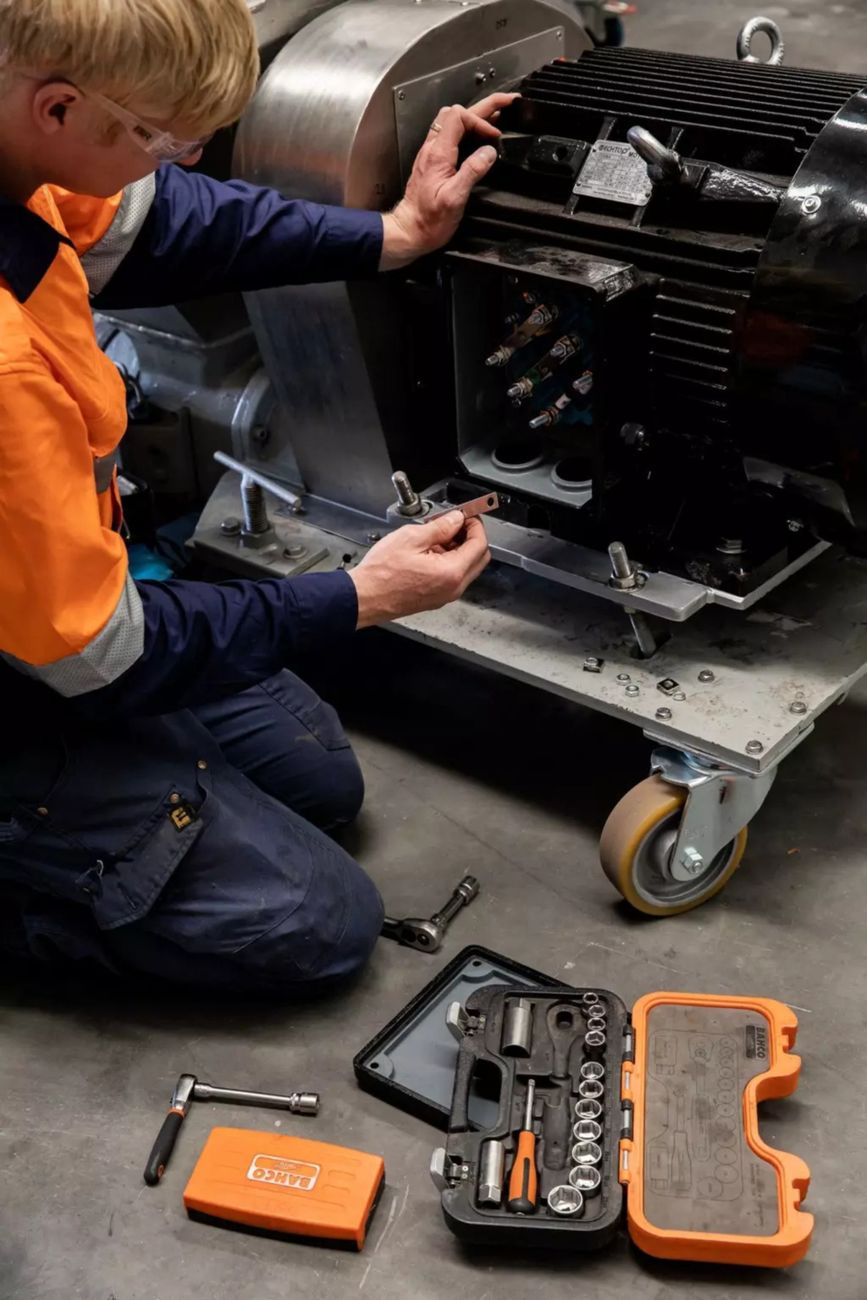
A Part-66 licence provides the underlying aircraft maintenance privileges, but the individual must also hold the relevant organisational authorisation and work within the scope of the organisation's approval. For more detail on the difference between a licence and an organisational authorisation, see who can perform an independent inspection in aircraft maintenance.
What is a post-flight inspection?
A post-flight inspection takes place after an aircraft lands. It may be called a post-flight check, arrival check or, depending on the operator, form part of a transit inspection.
Its primary purpose is to identify conditions that may have developed during the flight. These conditions may not have been visible or relevant during the previous pre-flight inspection.

Typical post-flight activities include:
- Examining the aircraft for new damage or fluid leaks
- Checking engines, propellers, nacelles and landing gear for abnormal conditions
- Inspecting tyres, brakes and wheel assemblies
- Looking for bird strikes, foreign object damage or evidence of overheating
- Recording pilot-reported defects and unusual system indications
- Reviewing technical log entries and flight crew reports
- Checking oil, hydraulic and other fluid levels where required
- Carrying out specified maintenance or servicing tasks
- Confirming whether defects affect the next planned flight
- Updating the aircraft technical records
The scope varies considerably. A short turnaround may involve a focused arrival inspection, while an aircraft returning from a long sector, severe weather or a reported technical event may require a more detailed examination.
Is a post-flight inspection always a separate regulatory inspection?
Not necessarily. UK and EASA rules do not treat every operator's post-flight inspection as one identical, universally defined inspection package.
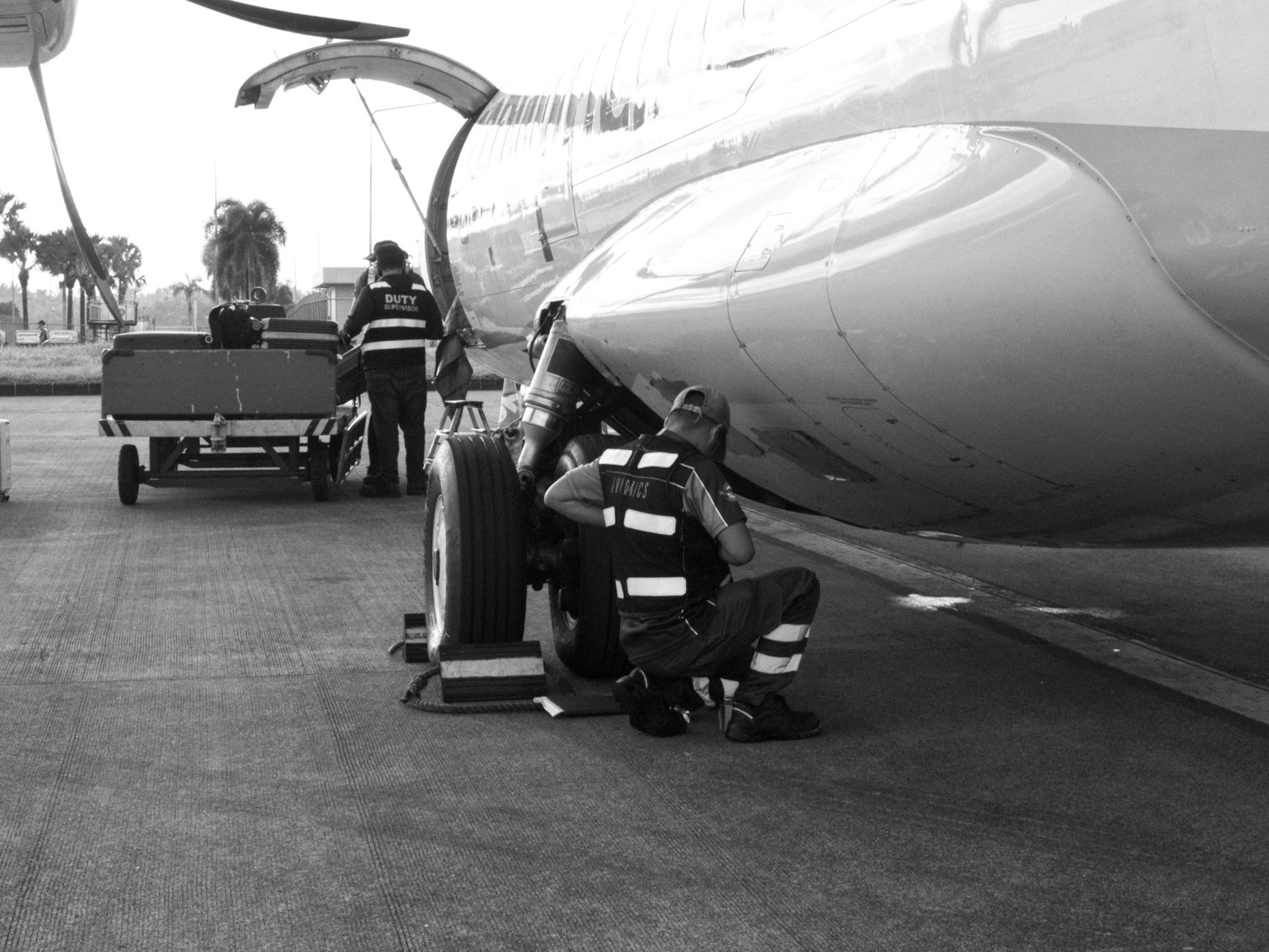
Instead, the required tasks are normally established through:
- The aircraft maintenance programme
- The operator's exposition and procedures
- The aircraft maintenance manual
- Aircraft type-specific task cards
- The reliability and defect-control programme
- Technical log procedures
- The MEL or other approved operational procedures
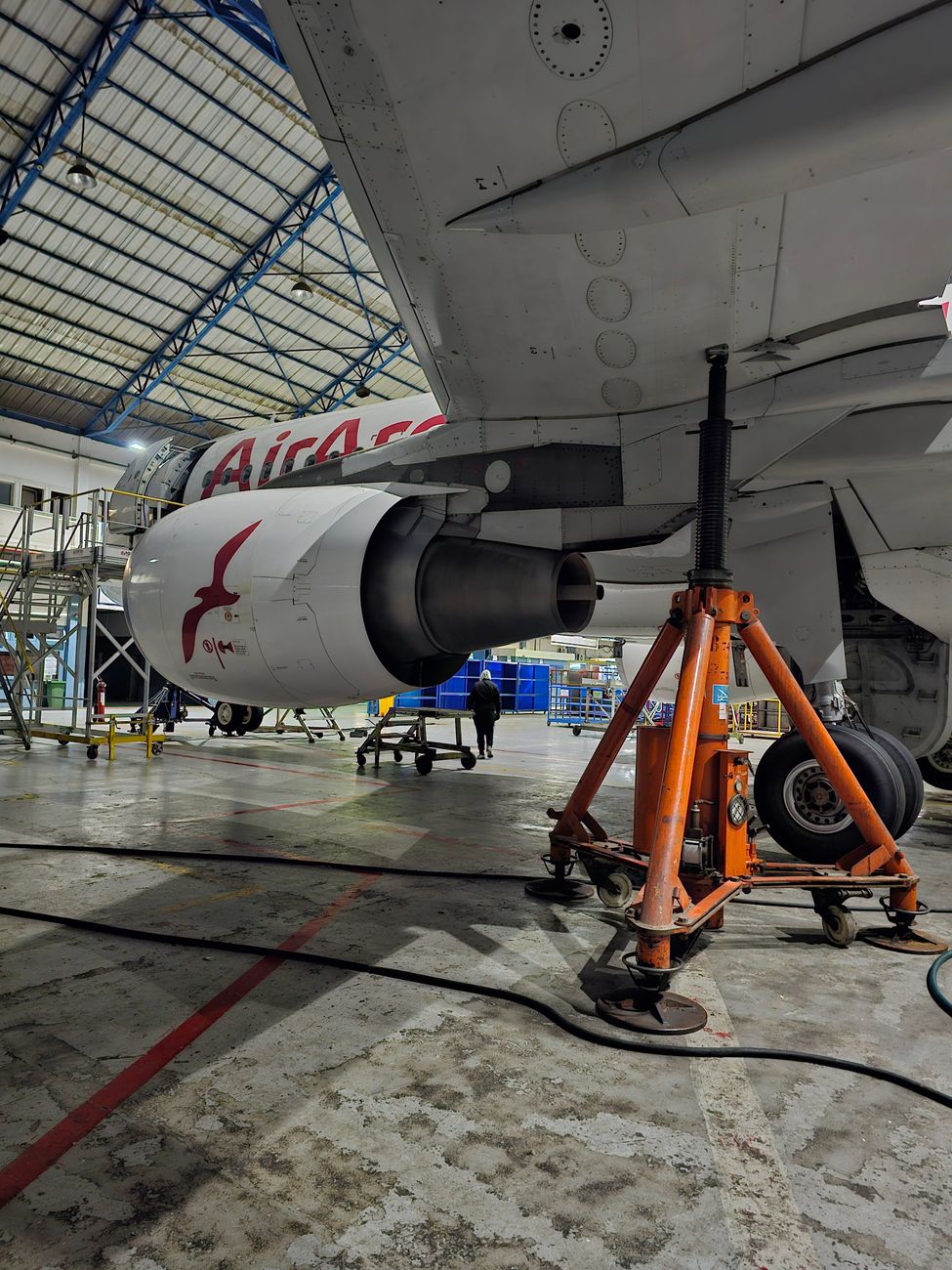
Some operators use a distinct post-flight check. Others incorporate the work into transit, daily or turnaround inspections. The important point is that the operator must follow its approved maintenance and continuing-airworthiness system, rather than relying on an informal walkaround. Maintenance personnel should always use the current approved data and procedures rather than relying on memory or unofficial summaries.
For further context, read our guide to how aircraft maintenance check intervals are determined.
Recording defects after flight
One of the most important functions of a post-flight inspection is accurate defect reporting.
A defect entry should contain enough information for maintenance personnel to understand:
- What happened
- When and on which flight it occurred
- Which system or component was affected
- Whether the defect was intermittent or recurring
- Any relevant cockpit indications, warnings or abnormal noises
- Whether the crew applied a non-normal or emergency procedure
- Whether the defect has occurred previously
Vague entries such as system not working may not provide enough information for safe troubleshooting. Clear reporting helps maintenance staff identify the correct maintenance data, assess repeat defects and decide whether rectification or deferral is permitted. Engineers dealing with recurring electrical symptoms may also benefit from our guide to troubleshooting intermittent aircraft electrical faults.
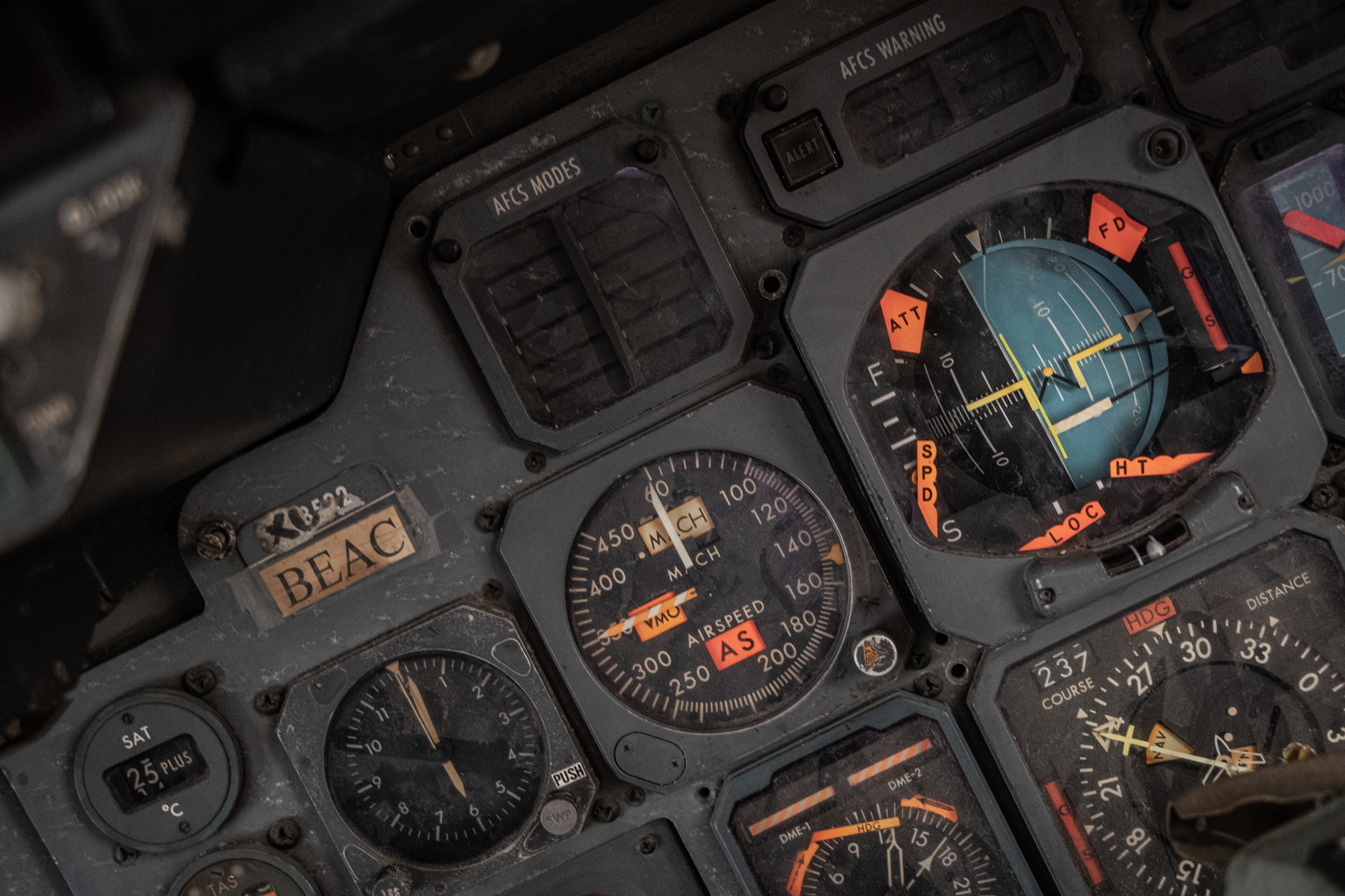
Once corrective action has been completed, the work must be recorded and released in accordance with the applicable approval. A defect that remains open must be controlled through the approved deferral process.
Training and competence for inspection personnel
Personnel carrying out pre-flight inspections must be competent for the tasks assigned to them. Competence may derive from:
- Aircraft type and task training
- Operator-specific procedures
- Familiarisation with the aircraft's technical log system
- Human factors and safety training
- Practical experience under supervision
- Organisational authorisation, where required
Where a Part-145 organisation has an agreement with an operator to perform pre-flight inspections, it should be able to demonstrate that the personnel involved have received appropriate training for the relevant tasks. That training should be based on the operator's continuing-airworthiness management exposition, commonly referred to as the CAME, and the applicable aircraft and maintenance procedures.

This is separate from holding a Part-66 licence. A licence alone does not prove that an individual has been trained or authorised for every pre-flight or post-flight task on every aircraft type.
Keep your experience evidence organised: Part 66 Logbook Analysis helps aviation professionals review their maintenance records and prepare stronger evidence for Part-66 requirements.
UK CAA and EASA considerations
The UK CAA and EASA systems share the same technical origins, but they are now separate regulatory frameworks following the UK's departure from the European Union.
For UK-registered aircraft, the relevant requirements are generally found in UK Part-M, UK Part-ML, UK Part-145 and the UK Part-66 system, as applicable. Organisations should consult the current UK CAA continuing-airworthiness information before making compliance decisions.
For aircraft operating under an EASA Member State registration or approval, the corresponding EASA Part-M, Part-ML, Part-145 and Part-66 requirements apply. The relevant EASA rules are available through its Easy Access Rules publications.
The wording and structure may appear similar, but organisations must use the correct authority's regulations, approvals and procedures. A UK Part-66 licence, EASA Part-66 licence, company authorisation and aircraft registration all need to be considered when determining who may perform or certify a task.
Career relevance for maintenance professionals
Aircraft pre-flight and post-flight inspections are common entry points into line maintenance. Engineers develop experience by carrying out structured inspections, assessing defects, using maintenance data and working under time pressure without compromising safety.
For UK candidates, maintenance experience should be recorded accurately in the relevant experience records, including a CAP 741-style logbook where applicable to the individual's licensing route. Engineers seeking UK CAA or EASA Part-66 privileges must meet the applicable knowledge, experience and category requirements. Inspection work counts only when it is properly documented and relevant to the licence application. See our guide to filling out a CAP 741 logbook and our overview of CAP 741 logbook mistakes that can delay applications.
Former military personnel may also be able to use documented aircraft maintenance experience through applicable UK Ministry of Defence recognition pathways. The experience still needs to be assessed against the civil licensing requirements and supported by suitable records.

The practical difference
Pre-flight inspection: confirms that the aircraft is safe and appropriately configured for the next flight. The outcome is either acceptance for service or the identification of defects requiring rectification or approved deferral.
Post-flight inspection: identifies damage, defects or abnormal conditions arising during the previous flight. The outcome is recorded defects, arranged maintenance and an updated aircraft status.
Both inspections support the same objective, maintaining the aircraft's continuing airworthiness. The pre-flight inspection protects the next departure, while the post-flight inspection ensures that problems are captured before they become hazards on a later flight.
Ready to review your maintenance experience? Analyse Your Logbook Today!



Login or register to join the conversation.
Join the discussion
0 comments