

.jpg)
If you’re a licensed aircraft engineer, mechanic, or avionics technician, create your free AeroTechCareers profile to showcase your competencies and be found by recruiters actively searching for engineers like you.
Can a B1 Aircraft Engineer Certify Avionics Work? Understanding B1 and B2 Licence Privileges
Introduction
Aircraft maintenance depends on appropriately qualified engineers to preserve safety, reliability and airworthiness. As aircraft systems have become more integrated, understanding the boundary between mechanical and avionics maintenance has become increasingly important.
Mechanical engineers generally work on aircraft structure, engines, flight controls, landing gear and other mechanical systems. Avionics engineers specialise in electrical, communication, navigation, instrument and electronic systems.
These boundaries are not absolute. Whether a B1 engineer can certify avionics work depends on the task, the aircraft category, the applicable Part-66 privileges, the engineer’s competence and the authorisation issued by the maintenance organisation or competent authority. The EASA Part-66 framework provides the regulatory basis for these licence categories and privileges.
Understanding B1 and B2 licences
Under the European Union aviation maintenance system, Part-66 defines aircraft maintenance licence categories and privileges. The categories most relevant to this subject include:
- B1: Mechanical aircraft maintenance, including structure, powerplant, mechanical systems and associated electrical systems.
- B2: Avionics aircraft maintenance, including electrical, radio, instrument and electronic systems.
- B2L: Limited avionics certification privileges for specified system groups.
- B3: Maintenance of certain piston-engine, non-pressurised aeroplanes up to the applicable 2,000 kg MTOM limit.
- Category C: Base maintenance certification for the aircraft as a whole, subject to the applicable requirements.
The precise privileges depend on the licence subcategory, aircraft type or group ratings, applicable limitations and the scope of the engineer’s certification authorisation. For a detailed comparison, see our guide to Part-66 B2 and B2L avionics licences.

What can a B1 engineer certify?
A B1 licence is primarily a mechanical maintenance licence. Depending on the subcategory, it may allow an engineer to certify work involving:
- Aircraft structure
- Engines and powerplants
- Landing gear
- Flight controls
- Hydraulic and pneumatic systems
- Mechanical systems
- Associated electrical systems
- Related inspections, testing and maintenance activities
B1.2, for example, covers piston-engine aeroplanes. It is commonly used in general aviation for mechanical maintenance on eligible aircraft.
B1 privileges and electrical work
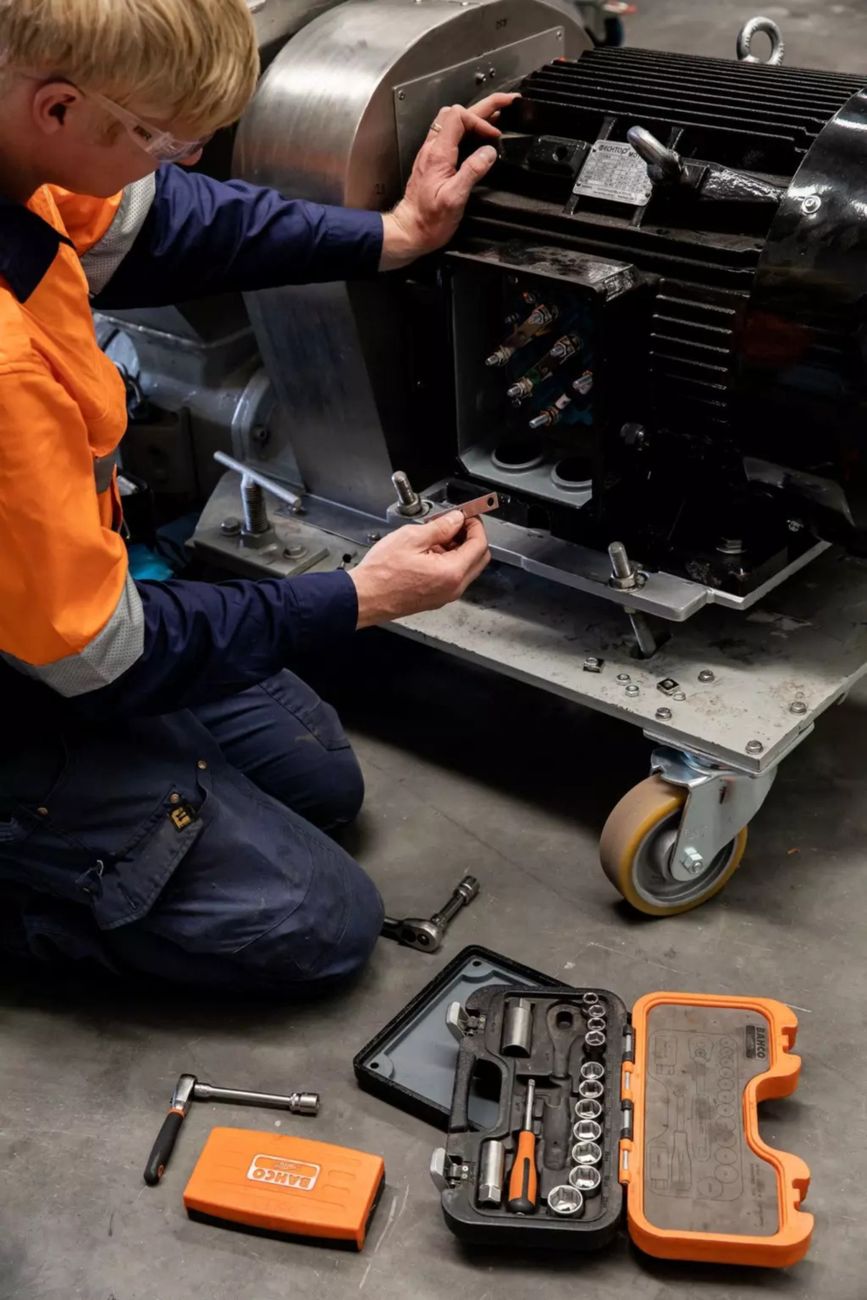
B1 engineers are not restricted to mechanical components. Their privileges include certain electrical work associated with aircraft systems and maintenance activities. They may also carry out some avionics-related work where the task requires only a straightforward test to establish serviceability.

Examples may include:
- Replacing a unit with an identical serviceable unit
- Carrying out a simple operational test
- Replacing wiring or connectors where the maintenance data clearly defines the task
- Performing basic electrical checks
- Replacing a light, switch, relay or similar component where detailed avionics diagnosis is not required
The important distinction is whether the work is a simple replacement or test, or whether it involves detailed troubleshooting, modification, calibration or diagnosis of an avionics system.
A B1 engineer generally cannot use B1 privileges to certify complex avionics maintenance merely because the component is installed on an aircraft covered by the B1 licence.
What is outside normal B1 avionics privilege?
Avionics work that will normally require B2 or B2L involvement may include:
- Troubleshooting communication, navigation or instrument systems
- Diagnosing intermittent electronic faults
- Testing or repairing complex integrated avionics
- Calibrating instruments
- Programming or configuring avionics equipment
- Modifying wiring or electronic systems
- Certifying work on autopilot, flight management or advanced navigation systems
- Repairing or testing radio and transponder equipment
- Performing detailed system-level fault isolation
The deciding factor is not simply whether the work concerns an electrical or electronic component. The key issue is the level of knowledge, testing, diagnosis and system understanding required to establish that the aircraft is airworthy.
Where a task requires specialist avionics competence, it will normally fall within B2 or B2L privileges rather than the standard B1 scope.
Can a B1 engineer sign a Certificate of Release to Service for avionics work?
A B1 engineer may be able to certify limited avionics-related work, but only when all relevant conditions are satisfied. The task must:
- Fall within the privileges of the engineer’s Part-66 licence.
- Be covered by the applicable aircraft category, type rating or group rating.
- Be within the scope of the engineer’s organisational authorisation, where applicable.
- Be performed using approved or acceptable maintenance data.
- Be within the engineer’s demonstrated competence.
- Meet the requirements for issuing a Certificate of Release to Service.
For example, a B1.2 engineer working on a piston aeroplane may be authorised to replace an identical avionics unit and perform a defined operational test. This does not automatically authorise the engineer to troubleshoot the unit, change its configuration or certify a complex avionics modification.
The maintenance organisation must determine whether the individual is competent for the task. Holding a Part-66 licence does not provide unrestricted certification privileges. UK-based engineers should also review the UK CAA Part-66 information alongside their organisation’s procedures.
The role of a B2 engineer
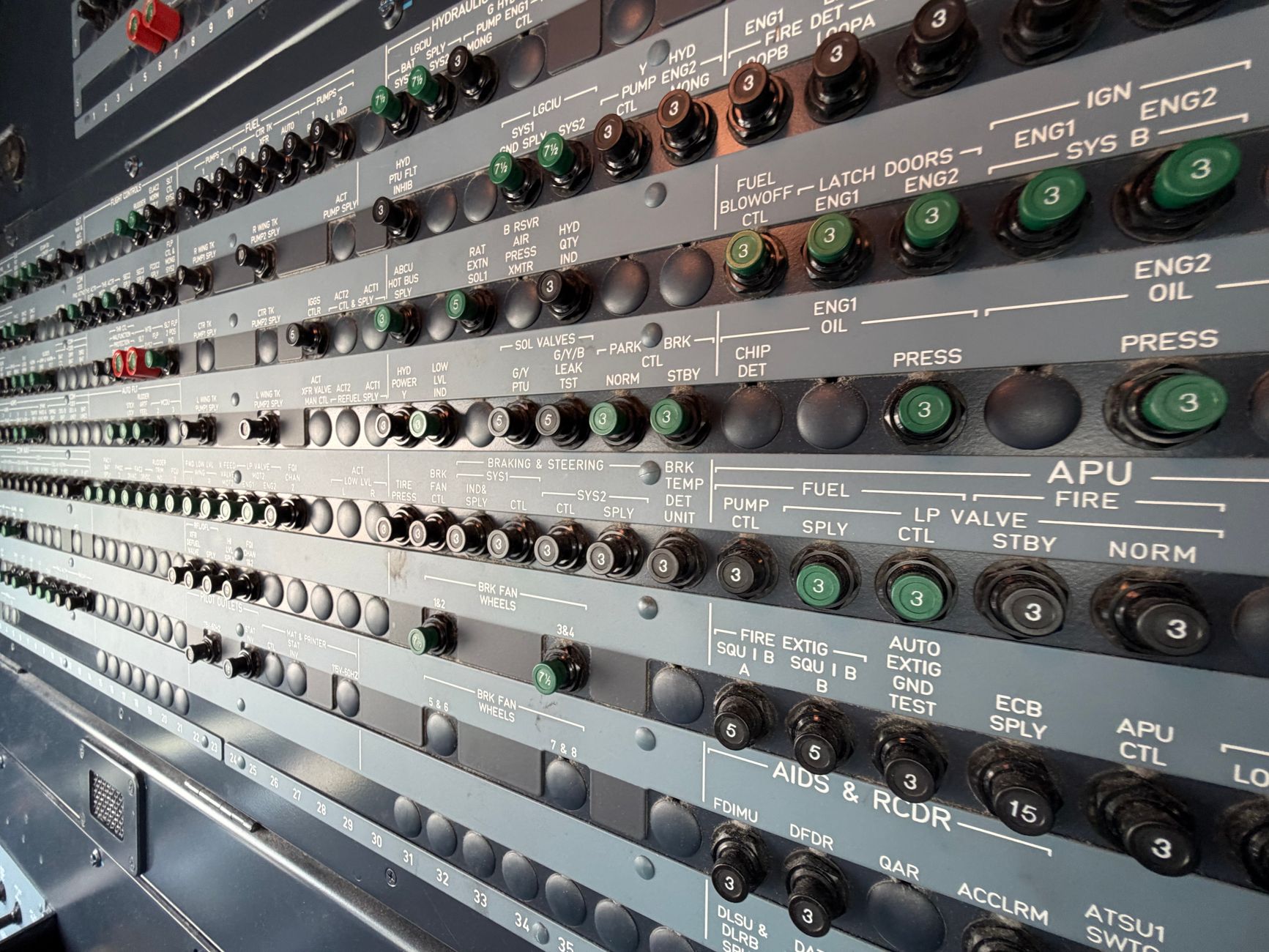
B2 engineers specialise in avionics and electrical systems. Their privileges generally cover:
- Communication systems
- Navigation systems
- Instrument systems
- Radio equipment
- Electronic systems
- Electrical systems
- Automatic flight systems
- Integrated avionics
- Associated wiring, testing, troubleshooting and system maintenance
Modern aircraft increasingly incorporate glass cockpits, digital engine monitors, satellite navigation, traffic systems, electronic flight instruments and advanced autopilot equipment. A B2 engineer is therefore normally the appropriate certifying person for complex avionics maintenance and avionics system diagnosis.
Engineers preparing for certification can also use our Part-66 Module 13 B2 exam study guide to strengthen their understanding of aircraft systems.

What is B2L?
B2L is a limited avionics licence intended for maintenance organisations that require certification privileges for specified avionics systems rather than the full scope of a B2 licence.
Depending on the limitations recorded on the licence, B2L may cover areas such as:
- Communication and navigation systems
- Instrument systems
- Automatic flight systems
- Surveillance systems
- Airframe electrical systems
The precise limitations are important. A B2L engineer can certify only work within the system groups and aircraft scope recorded on the licence, and within the authorisation issued by the organisation.

B2L can be useful in general aviation and smaller maintenance environments where a full B2 licence is not required for every avionics task.
General aviation examples: B1.2 and B3
B1.2 piston aeroplanes
A B1.2 licence is intended for piston-engine aeroplanes. The engineer may certify mechanical maintenance and limited associated electrical or avionics work, provided that the task falls within the B1 privilege framework.
A B1.2 engineer may potentially certify:
- Replacement of an identical alternator
- Replacement of a battery
- Replacement of a simple electrical switch
- Replacement of an avionics unit followed by a basic approved operational test
- Wiring repairs clearly defined in the maintenance data
The same engineer may not necessarily be authorised to certify:
- Fault diagnosis on a complex GPS installation
- Configuration of a digital navigation unit
- Calibration of an electronic flight instrument
- Repair of a radio transmitter
- Modification of an autopilot system
These tasks may require B2 or B2L certification.

B3 light piston aeroplanes
B3 applies to piston-engine, non-pressurised aeroplanes within the applicable mass limit, generally up to 2,000 kg MTOM.
Like B1.2, B3 is fundamentally a mechanical licence. It supports a broad range of maintenance on eligible light aeroplanes, but it does not automatically provide unrestricted avionics certification privileges.
A B3 engineer may certify simple electrical or avionics-related work where permitted by the regulation, maintenance data, competence assessment and organisational authorisation. More complex avionics work normally requires a suitably authorised B2 or B2L engineer.

A Part-66 licence does not automatically grant certification authority
A Part-66 licence does not, by itself, give an engineer authority to certify maintenance. Certification privileges are exercised through one of the following routes:
- An authorisation issued by a maintenance organisation, such as a Part-145 organisation or Part-CAO.
- Independent Certifying Staff privileges under Part-ML.
- Limited pilot-owner maintenance privileges under ML.A.803, where applicable.
Part-66 establishes the engineer’s qualification and technical privileges. The organisation must then assess the engineer’s competence and issue an authorisation defining the work that may be certified. The applicable EASA continuing airworthiness rules should be checked for the current requirements.
The scope of the authorisation should reflect:
- The engineer’s licence category
- The aircraft type or group rating
- Relevant training
- Practical experience
- Technical competence
- Human Factors competence
- The organisation’s procedures
- The complexity of the maintenance task
Consequently, two engineers with similar licence categories may hold different certification authorisations because their training, experience and employment arrangements differ.

Independent Certifying Staff under Part-ML
In general aviation, some engineers work as Independent Certifying Staff under Part-ML rather than under a Part-145 organisation.
Part-ML includes aircraft within its applicable scope, including aeroplanes up to 2,730 kg MTOM in the relevant context. An engineer acting independently must still have the correct licence privileges, experience, competence, tools, maintenance data and aircraft eligibility.
Independent status does not expand the underlying B1 or B3 licence privileges. A B1 engineer acting as Independent Certifying Staff cannot certify complex avionics work simply because no B2 engineer is available.

The engineer must remain within the legal scope of the licence and the applicable Part-ML requirements.
ELA1 aircraft and small-aircraft maintenance
ELA1, or European Light Aircraft, is an EASA risk-based classification for certain light aircraft. It reflects the lower complexity and operating environment of eligible aircraft, but it is not a separate unrestricted avionics licence.
An ELA1 classification does not automatically allow a B1 or B3 engineer to certify every type of work installed on the aircraft. The engineer must still consider:
- The aircraft’s exact eligibility
- The licence category
- Any aircraft group or type limitations
- The nature of the task
- Whether the work is mechanical, electrical or avionics-related
- The applicable organisation or Part-ML requirements
A simple replacement task may be within B1 or B3 scope, while troubleshooting a digital avionics system may still require B2 or B2L competence.
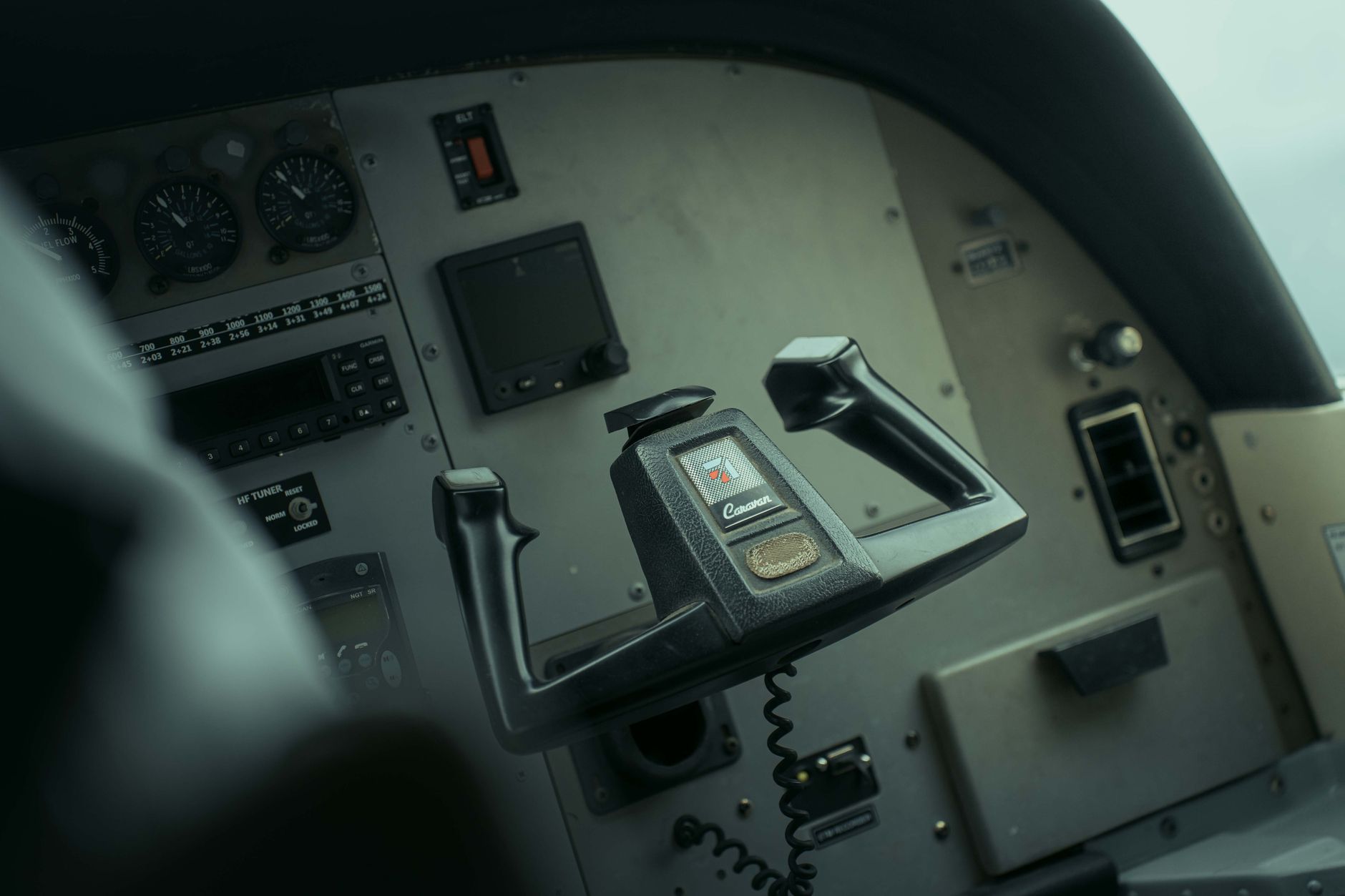
Category C and avionics certification
Category C is associated primarily with the certification of base maintenance. A Category C certifying staff member may issue the overall Certificate of Release to Service for an aircraft following base maintenance, subject to the applicable organisation approval and procedures.
Category C does not mean that the engineer personally performs or independently certifies every specialist task. Base maintenance is normally supported by appropriately qualified B1, B2 and other specialist staff.
For example, a Category C engineer may be responsible for the overall release process while a B2 engineer certifies the avionics work completed during the maintenance input.
Recent experience and fitness to exercise privileges
Engineers must not exercise certification privileges if they know or suspect that their physical or mental condition makes them unfit to carry out maintenance safely. Relevant causes may include alcohol, drugs, fatigue, illness or any other condition affecting judgement and performance.
Engineers must also maintain the required recent experience. If the recent-experience requirements are no longer met, the engineer may lose the right to exercise certifying staff or support staff privileges until those requirements are restored.
This does not necessarily make the Part-66 licence itself invalid. The licence remains subject to its own validity and renewal provisions, but the engineer must satisfy the conditions for exercising certification privileges.

Practical decision-making checklist
Before certifying avionics-related work under a B1, B3 or B2 licence, an engineer should ask:
- What exactly has been done? Is it a simple component replacement, or does it involve diagnosis, configuration, calibration or modification?
- What does the maintenance data require? Does the task call for a simple operational test, or detailed avionics testing and fault isolation?
- Does the licence cover the aircraft? Check the applicable category, subcategory, type rating or group rating.
- Is the task covered by the organisation’s authorisation? A licence privilege and an organisational authorisation are not the same thing.
- Does the engineer have the necessary competence? The organisation must consider training, experience, technical ability and Human Factors.
- Who is responsible for the final release? Confirm whether the work requires B2, B2L, Category C support or another appropriately authorised person.
If there is uncertainty, consult the organisation’s maintenance procedures, quality department or competent authority before signing the Certificate of Release to Service.
Conclusion
A B1 aircraft engineer can certify some avionics-related work, but the privilege is limited. B1.2 and B3 engineers are primarily authorised for mechanical maintenance, with associated electrical work and certain avionics tasks involving simple tests or straightforward component replacement.

Complex avionics maintenance, troubleshooting, calibration, programming and system modification generally require B2 or B2L privileges.
Most importantly, a Part-66 licence does not automatically provide certification authority. The engineer must also hold the appropriate organisational authorisation or operate within the rules for Independent Certifying Staff under Part-ML.
The correct question is not simply, Can a B1 engineer certify avionics work? It is, Is this specific task within the engineer’s Part-66 privileges, competence, aircraft scope and certification authorisation?
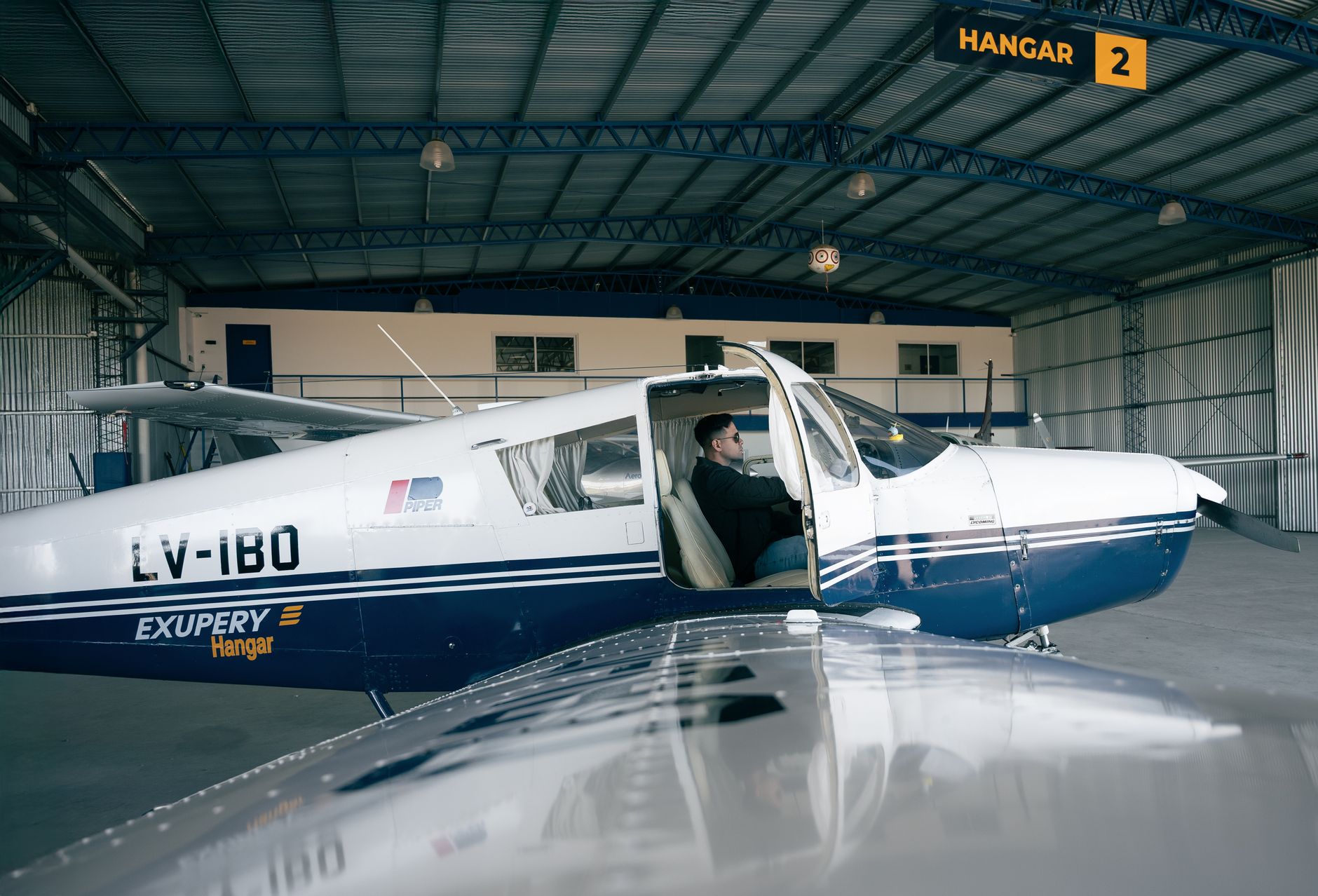
This distinction helps ensure that maintenance is performed and released only by personnel with the appropriate qualifications and technical authority.



Login or register to join the conversation.
Join the discussion
0 comments