

.jpg)
If you’re a licensed aircraft engineer, mechanic, or avionics technician, create your free AeroTechCareers profile to showcase your competencies and be found by recruiters actively searching for engineers like you.
B1.1, B1.2, B1.3 and B1.4 aircraft maintenance licence categories explained
Gaining a B1 aircraft maintenance licence is a significant milestone for anyone working in aircraft maintenance. It provides the legal foundation for certifying applicable maintenance and accepting responsibility for the condition of an aircraft's structural, mechanical and electrical systems.
However, a B1 licence is not a single category. Under the EASA Part-66 aircraft maintenance licensing system, it is divided into four subcategories: B1.1, B1.2, B1.3 and B1.4.
The correct category depends on two factors: whether the aircraft is an aeroplane or helicopter, and whether it is powered by turbine or piston engines.
What is a B1 aircraft maintenance licence?
A B1 licence covers maintenance on an aircraft's:
- Structure
- Power plant
- Mechanical systems
- Electrical systems
- Avionic systems where serviceability can be confirmed using simple tests
The B1 category is primarily concerned with the aircraft's mechanical and physical operation. Depending on the licence subcategory and aircraft type rating, a B1 engineer may work on systems such as engines, flight controls, landing gear, hydraulics, pneumatics, fuel systems and electrical power systems.
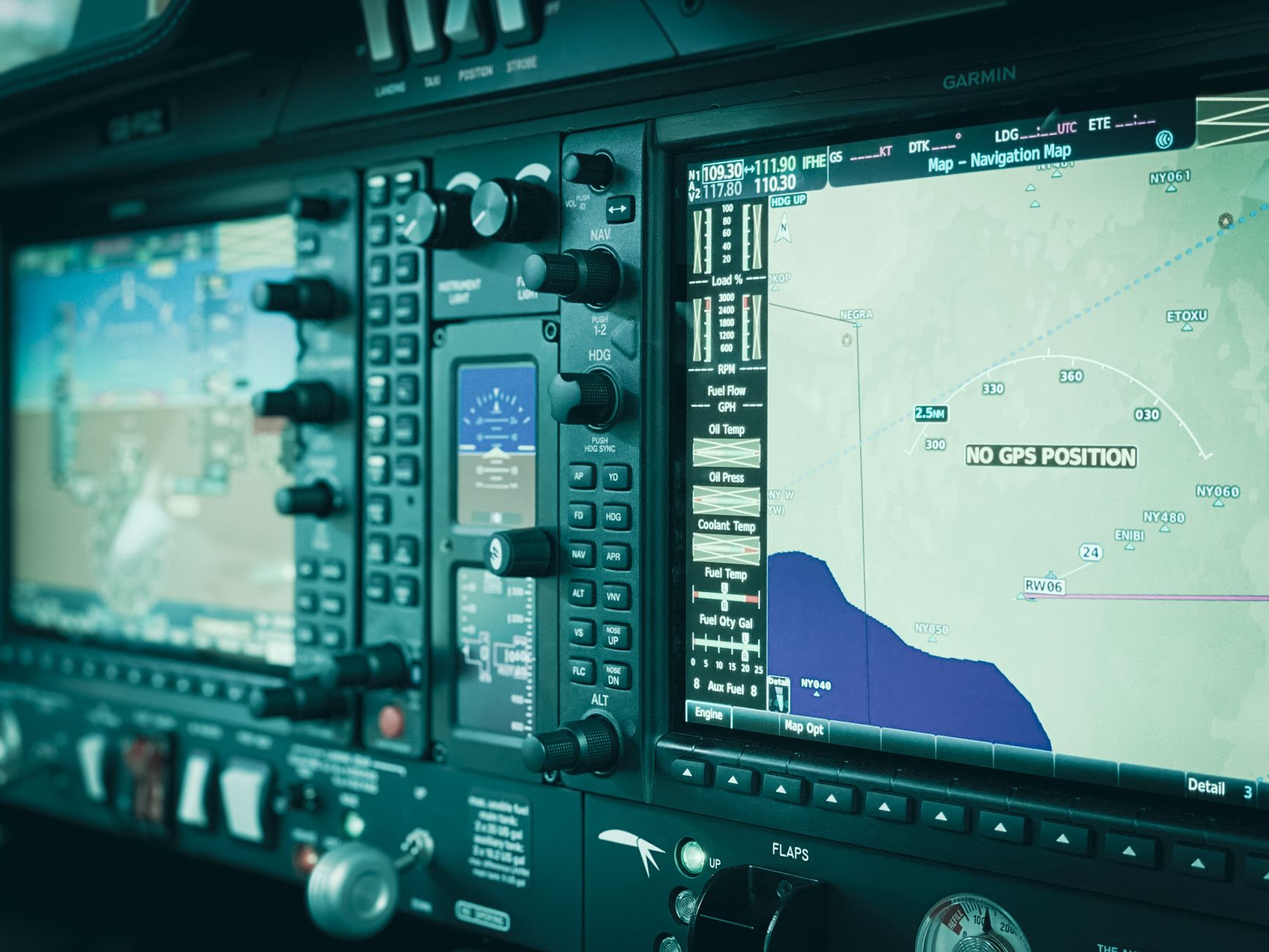
The licence also includes limited authority for certain avionic tasks. These tasks must generally involve simple tests that confirm the system is serviceable. B1 certification does not normally include complex avionics troubleshooting or detailed fault isolation, which are more closely associated with the B2 category.
What does a B1 engineer certify?
Once the appropriate licence category, aircraft type ratings and organisational approvals are in place, a B1 engineer may be authorised to sign a Certificate of Release to Service, commonly known as a CRS.
A CRS confirms that the specified maintenance has been completed correctly and that the aircraft or component is fit for release in accordance with the applicable requirements.
Holding a licence does not, by itself, allow an engineer to certify every aircraft or maintenance task. Certification privileges depend on several factors, including:
- The B1 subcategory held
- The aircraft type ratings entered on the licence
- The engineer's recent and relevant experience
- The maintenance organisation's approval and procedures
- Any limitations or restrictions on the licence
A licence provides the legal foundation for certification, but the correct aircraft ratings and organisational authorisation are also required. Applicants should check the current requirements with the relevant authority, such as the UK CAA Part-66 licensing guidance.
The four B1 licence subcategories
The four categories are:
- B1.1: Turbine-engined aeroplanes
- B1.2: Piston-engined aeroplanes
- B1.3: Turbine-engined helicopters
- B1.4: Piston-engined helicopters
Each category has its own examination and experience requirements. A B1.1 licence does not automatically provide B1.3 privileges on turbine-powered helicopters, for example.

B1.1, turbine-engined aeroplanes
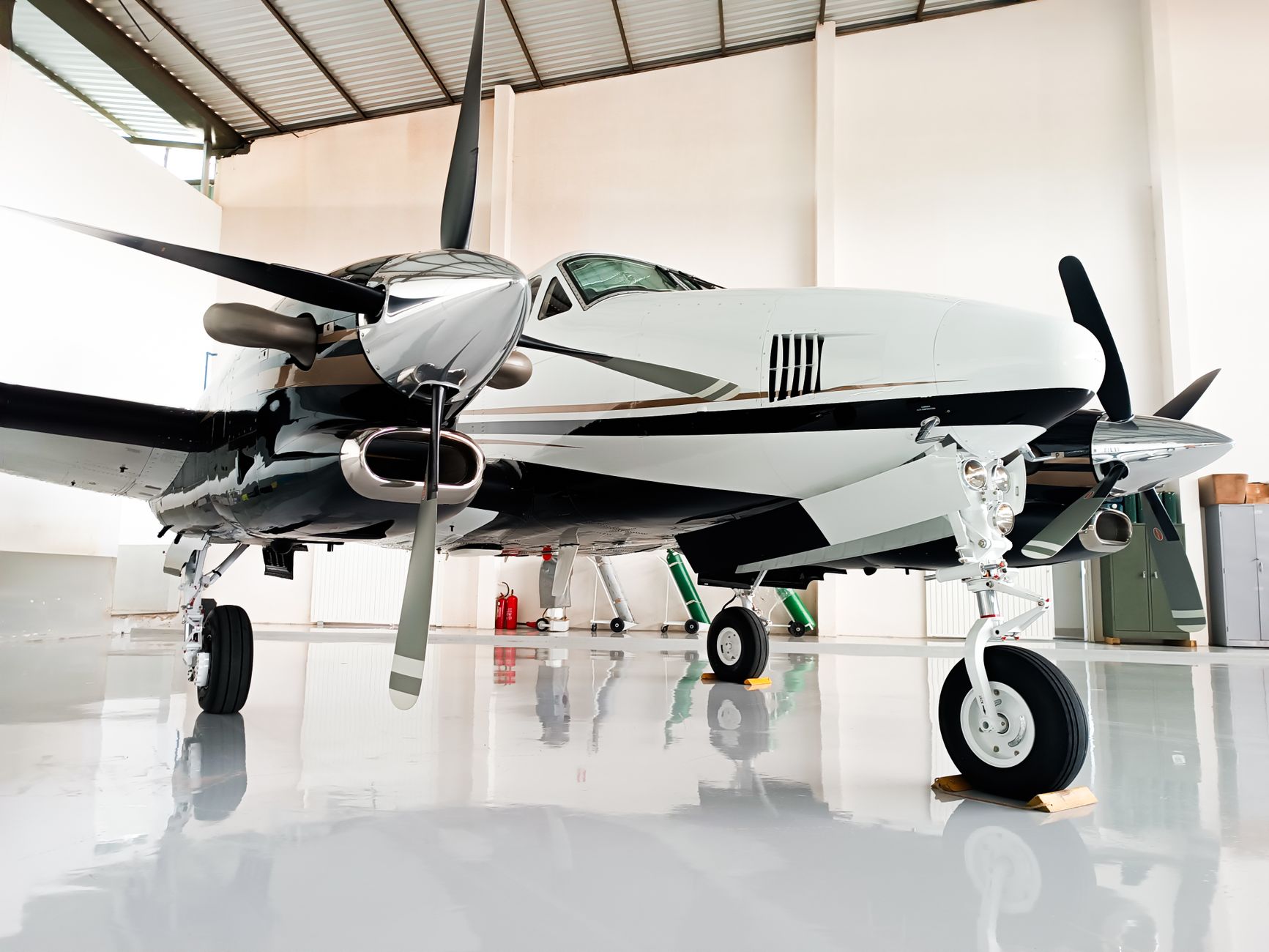
The B1.1 category covers aeroplanes powered by turbine engines, including:
- Turbofan engines
- Turbojet engines
- Turboprop engines
B1.1 is one of the most widely recognised categories in commercial aviation. It is commonly associated with passenger aircraft, cargo aircraft, business jets and other turbine-powered aeroplanes.
Depending on the aircraft type rating and organisational authorisation, a B1.1 engineer may work on and certify applicable maintenance involving:
- Turbine engines
- Flight controls
- Landing gear
- Hydraulic and pneumatic systems
- Fuel systems
- Air conditioning and pressurisation
- Electrical power
- Aircraft structures
- Mechanical systems
B1.2, piston-engined aeroplanes
The B1.2 category covers piston-engined aeroplanes, which are commonly used in:
- General aviation
- Flight training
- Private aviation
- Aerial survey
- Light utility operations
- Smaller commercial operations
Piston-engine maintenance involves many of the same broad principles as turbine-engine maintenance, but the engines, systems and aircraft structures are different in design and scale.
A B1.2 engineer may certify applicable maintenance on the aircraft's structure, engine, mechanical systems, electrical systems and related avionic equipment, provided that the work falls within the engineer's aircraft ratings and organisational authorisation.
B1.3, turbine-engined helicopters
The B1.3 category covers turbine-engined helicopters, which are used extensively in:
- Emergency medical services
- Search and rescue
- Offshore transport
- Military and government operations
- Corporate aviation
- Utility and passenger transport
- Law enforcement
Helicopters have several systems and maintenance considerations that differ significantly from those of aeroplanes. These include:
- Main rotor systems
- Tail rotor systems
- Gearboxes and transmission systems
- Rotor controls
- Skid or wheeled landing gear
- Helicopter-specific flight controls
- Turbine engines
- Hydraulic and electrical systems
A B1.3 engineer is concerned with the mechanical and electrical integrity of these systems and may certify applicable maintenance when appropriately qualified and authorised.

B1.4, piston-engined helicopters
The B1.4 category covers piston-engined helicopters, which are often used for:
- Training
- Private operations
- Light utility work
- Aerial observation
- Smaller commercial operations
Although piston helicopters are generally smaller than turbine-powered helicopters, they still contain complex mechanical systems. Rotor assemblies, gearboxes, flight controls and drive systems require careful inspection and maintenance.
The B1.4 category allows an appropriately qualified engineer to work within its scope, subject to the correct aircraft type ratings, experience and organisational authorisation.

What is the difference between B1.1 and B1.2?
The main difference is the type of aircraft engine:
- B1.1: Turbine-engined aeroplanes
- B1.2: Piston-engined aeroplanes
A piston engine uses reciprocating pistons to convert combustion into mechanical movement. A turbine engine uses continuous airflow and rotating turbine stages. The operating principles, systems, inspection techniques and maintenance data are therefore different.
An engineer who wants to work across both types of aeroplane may need to obtain both B1.1 and B1.2 privileges.

What is the difference between B1.3 and B1.4?
The difference is again based on engine type:
- B1.3: Turbine-engined helicopters
- B1.4: Piston-engined helicopters
Both categories relate to helicopter maintenance, but turbine and piston helicopters require different technical knowledge and practical experience.
A B1.3 engineer is typically associated with larger and more complex turbine-powered helicopters, while a B1.4 engineer generally works on piston-powered helicopters in general aviation, training and light utility operations.

Holding a B1.3 licence does not automatically provide B1.4 privileges, and vice versa.
What maintenance can a B1 engineer carry out?
Aircraft structure
This can include inspections, repairs and approved maintenance tasks relating to the aircraft's skin, frames, ribs, bulkheads, doors and other structural elements.
Power plants
Depending on the licence category and aircraft rating, this may include maintenance on piston or turbine engines and their associated systems.
Mechanical systems
Examples include:
- Flight controls
- Landing gear
- Braking systems
- Hydraulic systems
- Pneumatic systems
- Fuel systems
- Ice and rain protection
- Environmental control systems
Electrical systems
B1 engineers may work on aircraft electrical systems, including wiring, batteries, generators, starter systems and electrical distribution equipment, within the limits of their authorisation.
Avionic systems requiring simple tests
B1 engineers may carry out certain avionic maintenance tasks where simple tests are sufficient to confirm serviceability.
The important distinction is that the B1 category does not generally include complex avionics fault-finding or troubleshooting. Detailed diagnosis of navigation, communication or integrated avionics systems is more commonly associated with the B2 category. Engineers comparing these routes can also review our guide to Part-66 B2 and B2L avionics licences.
- B1: Structure, power plant, mechanical systems, electrical systems and simple avionic tests
- B2: Avionic and electrical systems, including complex troubleshooting and fault diagnosis
B1 licence categories and avionics
It is incorrect to assume that B1 engineers have no involvement with avionics. A B1 engineer can perform certain avionic tasks, particularly where the maintenance data specifies a straightforward test to confirm that the equipment is functioning correctly.
For example, a B1 engineer may be permitted to carry out a simple operational check after maintenance. If a system has an intermittent fault requiring specialist test equipment, detailed troubleshooting or complex fault isolation, the task may fall outside the normal B1 scope.
What are B2, B2L and B3 licences?
The B1 categories form part of a wider aircraft maintenance licensing system. Other relevant categories include B2, B2L and B3.
B2, avionics
The B2 licence focuses on avionic and electrical systems. B2 engineers typically work on:
- Communication systems
- Navigation systems
- Instrument systems
- Auto-flight systems
- Surveillance systems
- Integrated avionics
- Electrical systems
B2 privileges are particularly important when maintenance involves complex testing, diagnosis or troubleshooting of avionic equipment.

B2L, limited avionics
The B2L licence is limited to specific system ratings endorsed on the licence. These may include:
- Communication and navigation, often referred to as com/nav
- Instruments
- Auto-flight
- Surveillance
- Airframe systems
A B2L licence does not provide unrestricted B2 privileges. The engineer's authority is limited to the system ratings specifically endorsed.
B3, piston-engined, non-pressurised aircraft
The B3 category applies to piston-engined, non-pressurised aeroplanes below 2,000 kg maximum take-off mass. It is intended for maintenance on smaller general aviation aircraft and is separate from the B1.2 category, even though both may involve piston-engined aeroplanes.

The aircraft's mass, pressurisation status and applicable licensing requirements determine whether B3 or another category is appropriate. The EASA Part-66 frequently asked questions provide useful regulatory context, but applicants should always confirm the current rules with their competent authority.
Line maintenance and base maintenance
B1 engineers can work in both line and base maintenance environments, provided their licence, aircraft ratings and organisational authorisation support the work being performed.
Line maintenance
Line maintenance is carried out while the aircraft is in operational service. It usually involves:
- Defect rectification
- Component replacement
- Routine inspections
- Scheduled servicing
- Troubleshooting within the permitted scope
- Daily or transit checks
- Minor repairs and adjustments
B1 engineers may certify relevant line maintenance on aircraft covered by their licence and type ratings.
Base maintenance
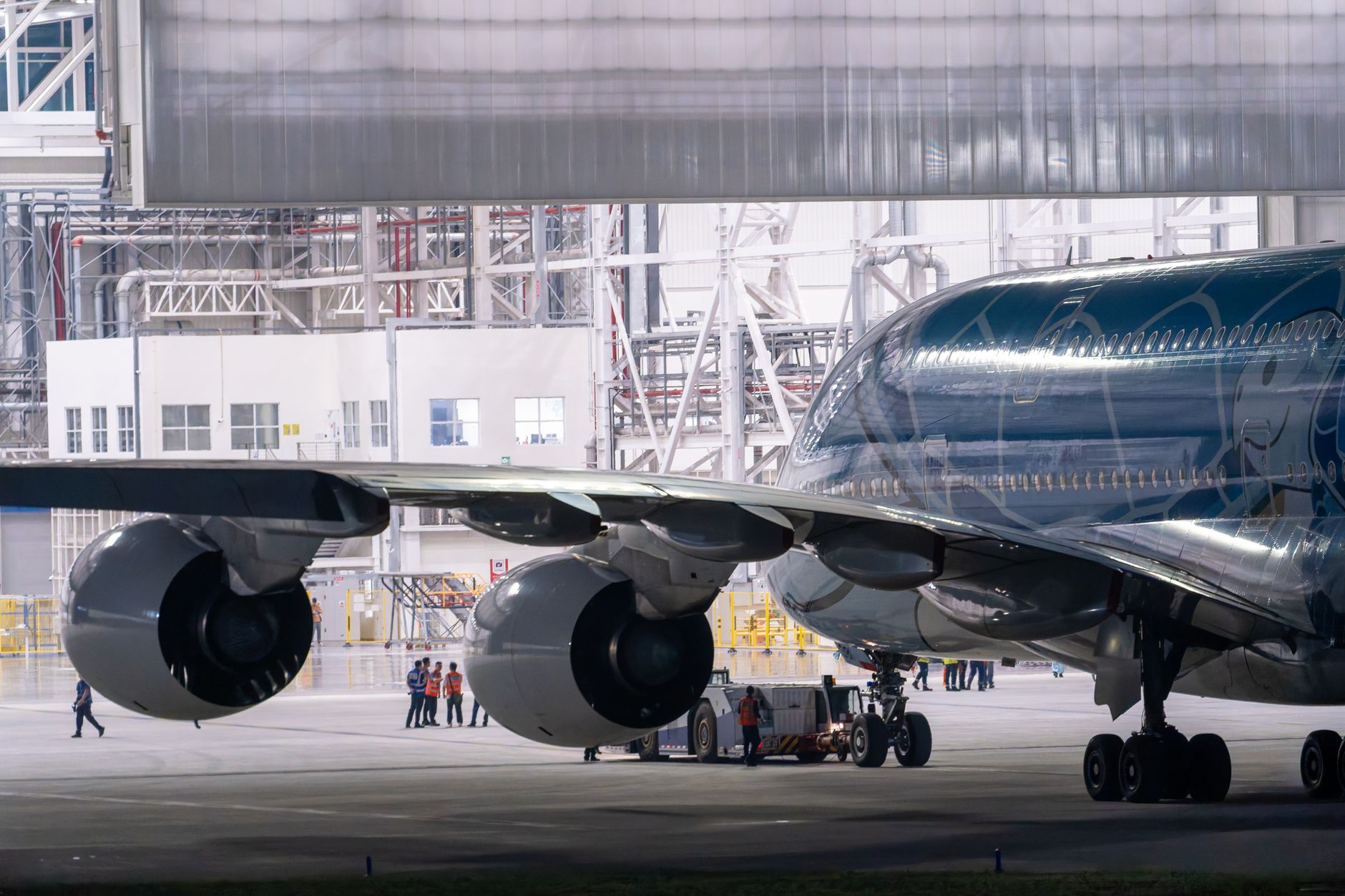
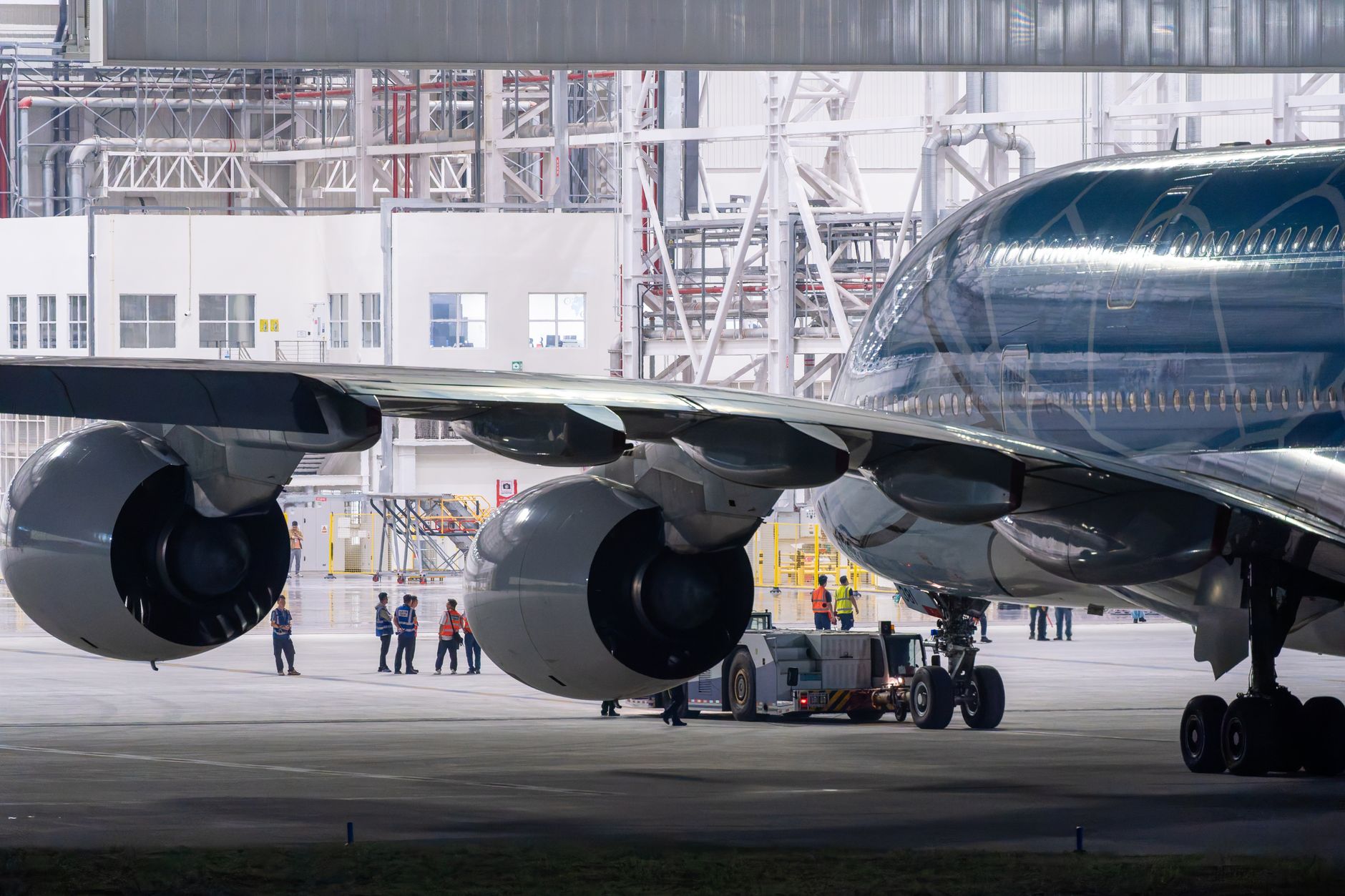
Base maintenance is more extensive and is usually carried out in a hangar or dedicated maintenance facility. It can include:
- Larger scheduled checks
- Major inspections
- Structural work
- Extensive system maintenance
- Modification and repair programmes
- Deeper disassembly and reassembly
A B1 engineer may also certify applicable base maintenance tasks, but only when the engineer has the appropriate aircraft rating, experience and authorisation from the approved maintenance organisation.
The licence category does not, by itself, determine whether a task is line or base maintenance. The nature of the work, the organisation's approval and the aircraft maintenance programme must all be considered.

How do you obtain a B1 licence?
A B1 licence is issued after the applicant has completed the appropriate theoretical examinations and gained the required practical maintenance experience.
The process usually involves:
- Selecting the relevant B1 category
- Completing the required knowledge modules
- Passing the examinations
- Gaining appropriate practical maintenance experience
- Applying to the relevant aviation authority
- Adding aircraft type ratings through approved training and experience
Exact requirements depend on the licensing authority, the applicant's technical education, approved training and maintenance background.
The technical knowledge requirements can include:
- Mathematics
- Physics
- Electrical fundamentals
- Electronic fundamentals
- Digital techniques
- Materials and hardware
- Maintenance practices
- Basic aerodynamics
- Human factors
- Aviation legislation
- Aircraft structures and systems
- Propulsion
- Gas turbine and piston engines
Not every applicant will follow the same route. Approved training can reduce the practical experience required in some circumstances, but applicants must still demonstrate appropriate competence and experience. Use our guide to prepare for Part-66 examinations, and explore Part 147 training schools when comparing approved training options.
What are aircraft type ratings?
A B1 category is not the same as an aircraft type rating.

For example, an engineer may hold a B1.1 licence but still need a type rating before certifying maintenance on a particular turbine aeroplane.
The category identifies the general type of aircraft and propulsion covered by the licence. The type rating identifies the specific aircraft type the engineer is qualified to maintain.
An engineer might therefore hold:
- B1.1 with an Airbus A320 family type rating
- B1.1 with a Boeing 737 type rating
- B1.3 with a particular helicopter type rating
- B1.2 with a light piston aeroplane type rating
The type rating process normally involves approved type training, examinations and practical or on-the-job experience, depending on the aircraft and applicable regulatory requirements.

Can one engineer hold more than one B1 category?
Yes. An engineer can work towards and hold more than one B1 subcategory, provided the relevant knowledge and experience requirements have been met.
For example, an engineer could hold:
- B1.1 and B1.2
- B1.3 and B1.4
- B1.1 and B1.3
- Several B1 categories alongside B2 or another licence category
The most useful combination depends on the engineer's career goals. Someone planning to work in commercial airline maintenance may focus on B1.1. Someone working in helicopter operations may choose B1.3 or B1.4, while a general aviation engineer may find B1.2 or B3 more relevant.
Which B1 category should you choose?
The right category depends mainly on the aircraft you want to maintain.
- Choose B1.1 if you want to work on turbine-powered aeroplanes, including most commercial airliners and many business aircraft.
- Choose B1.2 if your interest is in piston-powered aeroplanes, particularly in general aviation, flight training and light aircraft operations.
- Choose B1.3 if you want to maintain turbine-powered helicopters used in commercial, utility, emergency or corporate operations.
- Choose B1.4 if you plan to work on piston-powered helicopters, often found in training, private and light utility operations.
Consider where you want to work as well. The availability of training, apprenticeships, maintenance organisations and aircraft type ratings can vary considerably between regions and categories.
Summary
The B1 licence is a broad aircraft maintenance qualification, but its four subcategories define the type of aircraft an engineer can maintain:
- B1.1: Turbine-engined aeroplanes
- B1.2: Piston-engined aeroplanes
- B1.3: Turbine-engined helicopters
- B1.4: Piston-engined helicopters
Across these categories, B1 engineers focus on aircraft structure, power plants, mechanical systems, electrical systems and avionic systems for which simple tests can confirm serviceability.
After the appropriate modules have been passed and the required experience obtained, the licence can support certification of applicable maintenance. The engineer must also hold the correct aircraft type ratings and organisational authorisation before signing a Certificate of Release to Service.
Understanding the differences between B1.1, B1.2, B1.3 and B1.4 is an essential first step when choosing an aircraft maintenance career path. For current regulatory interpretation, consult the relevant authority and the UK CAA Part-66 information before making an application.



Login or register to join the conversation.
Join the discussion
0 comments