

.jpg)
If you’re a licensed aircraft engineer, mechanic, or avionics technician, create your free AeroTechCareers profile to showcase your competencies and be found by recruiters actively searching for engineers like you.
How to Find Aviation Work Experience Before Applying for an Apprenticeship
Aviation apprenticeships are competitive, but you do not need previous experience in an aircraft hangar to build a strong application. Employers want evidence that you are curious, reliable, safety-conscious and willing to learn. If you are new to the sector, our guide to starting a career in aircraft maintenance can help you identify your next steps.
Relevant experience can come from many sources, including engineering projects, volunteering, part-time work, clubs, workplace visits and virtual programmes. The important point is to understand what you learned and explain how it relates to the apprenticeship.
Why work experience matters
Apprenticeships combine practical training, workplace experience and recognised qualifications. They also allow you to earn a wage while developing the skills and behaviours employers expect.
Competition for places is increasing. According to UCAS's Where next? undergraduate report, around 46% of students considered apprenticeships while studying for their GCSEs or National 5s and making post-16 choices.
In the 2023/24 academic year, apprenticeship starts rose by 7.0% to 130,830, compared with 122,290 the previous year. Learners aged under 19 accounted for 32.7% of starts, or approximately 42,740 apprentices.

Relevant experience can help you show that you have researched aviation and understand the demands of the work.
What counts as aviation work experience?
A formal placement with an airline or aircraft maintenance organisation is useful, but it is not the only option. Relevant experience may include:
- A placement with an airline, airport or aerospace company
- A visit to, or placement in, an engineering workshop
- Volunteering at an aviation museum
- Helping at an air cadet unit
- Taking part in a STEM or engineering programme
- Joining a flying, model aircraft, electronics or robotics club
- Completing a credible virtual work experience course
- Visiting an airport or aircraft maintenance facility
- Working in a customer-facing, technical or safety-critical role
- Completing an engineering, electronics or coding project
A part-time job in retail, hospitality or warehousing can also provide useful evidence of punctuality, teamwork, customer service, responsibility and following procedures.

Start with your school or college
Your school or college is a useful first point of contact. Speak to:
- Your careers adviser
- Your head of year
- Science, technology or engineering teachers
- Your work experience coordinator
- Your sixth-form or college apprenticeship team
They may have contacts with local airports, airlines, engineering firms, logistics companies and defence contractors. Ask whether they can help arrange:
- A work experience week
- A site visit or workplace tour
- An employer talk or careers fair
- A practical engineering project
- A taster day
Be specific about your interests. Instead of saying that you want to work in aviation, explain which area interests you and what you want to learn.

Example: I am interested in aircraft maintenance apprenticeships and would like to learn more about inspections, tooling, safety procedures and engineering work in a hangar.
Contact local airports and aviation businesses
Not every opportunity is advertised. Smaller aviation businesses may not run formal work experience schemes, but they may offer a short placement, workplace visit or introduction.
Research organisations in your area, including:
- Commercial and regional airports
- Aircraft maintenance organisations
- Flight schools and helicopter operators
- Aerospace manufacturers and parts suppliers
- Ground-handling, cargo and logistics companies
- Aircraft interior companies
- Defence and engineering contractors
- Aviation museums
- Air ambulance and other emergency aviation operators
Check each organisation's careers, education or contact page. If there is no dedicated work experience contact, send a concise email to the general enquiries address.
Include:
- Your name and age
- Your school or college
- The type of apprenticeship you are considering
- When you are available
- Why you are interested in the organisation
- What you hope to learn
- A polite request for advice, a visit or work experience
Do not be discouraged by a refusal. Security, insurance and safety requirements can make placements difficult to arrange. Ask whether the organisation can recommend another employer or offer a site visit instead.
Look beyond airlines
Aviation includes far more than passenger airlines. The wider sector covers aerospace manufacturing, defence, space systems, cyber security, logistics, advanced engineering and airport operations.

Do not restrict your search to airline engineering departments. An aerospace manufacturer, defence contractor or technology company may provide experience that is directly relevant to an aviation apprenticeship.
For example, BAE Systems announced plans to recruit more than 1,100 apprentices in 2026, with opportunities in the North of England and additional positions in the South, Scotland and Wales. Its programmes cover combat aircraft, submarines, warships, cyber and space.
The company says it trains more than 6,800 young people across its UK operations, including approximately 5,100 apprentices. These figures illustrate the range of technical routes available beyond commercial aviation.

Apply for structured programmes
Large employers often run formal work experience, insight and early careers programmes. These can be competitive, so research them early and check deadlines carefully.
Look at the careers pages of:
- Airlines and airports
- Aircraft manufacturers and aerospace suppliers
- Defence companies
- Airport operators
- Engineering consultancies
- Government and public-sector aviation organisations
British Airways offers apprenticeship routes in areas including engineering and customer-focused roles. Heathrow also offers opportunities related to aircraft maintenance and airport operations. Some schemes include placements across several departments, while engineering applications may open at specific times of year.

Check eligibility requirements carefully. Programmes may be restricted by age, location, school year or the qualifications you are studying. If you are considering a technical qualification route, explore Part 147 training schools to understand the training options available in aircraft maintenance.
Volunteer at an aviation museum
Aviation museums can provide insight into aircraft, restoration and engineering environments. Depending on your age and the museum's policies, activities may include:
- Supporting visitor activities and educational events
- Assisting with displays
- Learning about aircraft restoration
- Helping with basic workshop or maintenance tasks
- Researching aircraft history
- Supporting STEM demonstrations
You may not be permitted to work directly on aircraft, particularly if you are under 18. However, you can still develop attention to detail, patience, practical awareness, teamwork and an understanding of safety.

Join an aviation-related organisation
The Air Training Corps, Army Cadet Force, Sea Cadets and similar youth organisations can help you develop practical and personal skills. Depending on the organisation and activities available, you may gain experience in:
- Teamwork and leadership
- Navigation and radio communication
- Engineering
- First aid
- Following instructions
- Discipline and time management
- Outdoor problem-solving
- Working safely as part of a team
These activities do not replace technical work experience, but they can provide evidence of the behaviours employers expect from apprentices.
Complete engineering, robotics or electronics projects
If you cannot secure a placement, create practical experience yourself. You could:
- Build and programme a small robot
- Design a model aircraft
- Learn computer-aided design
- Repair or modify an electronic device
- Build a basic flight simulator setup
- Study how control surfaces work
- Complete a model engine project
- Learn basic coding or electronics
- Enter a school engineering competition
Keep photographs and notes showing what you did, the problems you encountered and how you solved them. For a model aircraft, record your research, materials, tools, testing process, faults and improvements.

This evidence can support application forms and interview answers. It also demonstrates curiosity, persistence and a methodical approach to problem-solving.
Use virtual work experience carefully
Virtual work experience cannot fully replace time in an aviation workplace, but it can be useful when physical placements are unavailable.
Look for credible courses and events covering:
- Aircraft maintenance
- Aerospace engineering
- Airport operations
- Aviation safety
- Manufacturing
- Project management
- Cyber security
- Sustainability
- Customer service
- Logistics
Record what you completed and what you learned. Do not simply write “virtual work experience” on your CV. Explain the activity and the skills involved.
Example: Completed a virtual aerospace engineering project involving aircraft design, materials selection and problem-solving, then presented the final recommendation as part of a team.
Build transferable experience through part-time work
Part-time work in retail, hospitality, warehousing, manufacturing or customer service can demonstrate:
- Reliability and punctuality
- Communication and teamwork
- Responsibility and organisation
- Customer care
- Working under pressure
- Following procedures
For aircraft maintenance apprenticeships, use examples involving safety, accuracy, tools, practical work and attention to detail. For airport operations or customer service, focus on communication, problem-solving and dealing with different people. For manufacturing and engineering roles, discuss quality control, measurements and following processes.
Ask for a workplace visit
A full week of work experience may be difficult to arrange in a secure airport, military facility or maintenance organisation. A shorter visit can be a more realistic request.
Ask whether you can:
- Tour an engineering facility
- Speak to an apprentice
- Visit an airport operations centre
- Attend an employer presentation
- Observe a workshop demonstration
- Take part in a careers event
- Shadow a non-sensitive activity for a few hours
A short visit can help you understand the working environment and decide whether the career suits you. It also gives you specific evidence for an application.

Example: During a visit to an aircraft maintenance facility, I learned how documentation, safety procedures and communication support the safe completion of maintenance tasks.
Keep an experience record
Start a simple record in a folder, spreadsheet or digital document. Include:
- Dates
- The organisation or activity
- What you did
- The skills you developed
- What you learned
- Questions you still have
- Evidence such as certificates and project photographs
Use the STAR method to record strong examples:
- Situation: What was happening?
- Task: What were you responsible for?
- Action: What did you do?
- Result: What happened?
Example: My team's robotics project stopped working before a competition. I helped identify the fault by checking the wiring systematically, then worked with another team member to replace a damaged connection. The robot worked again and we completed the competition.
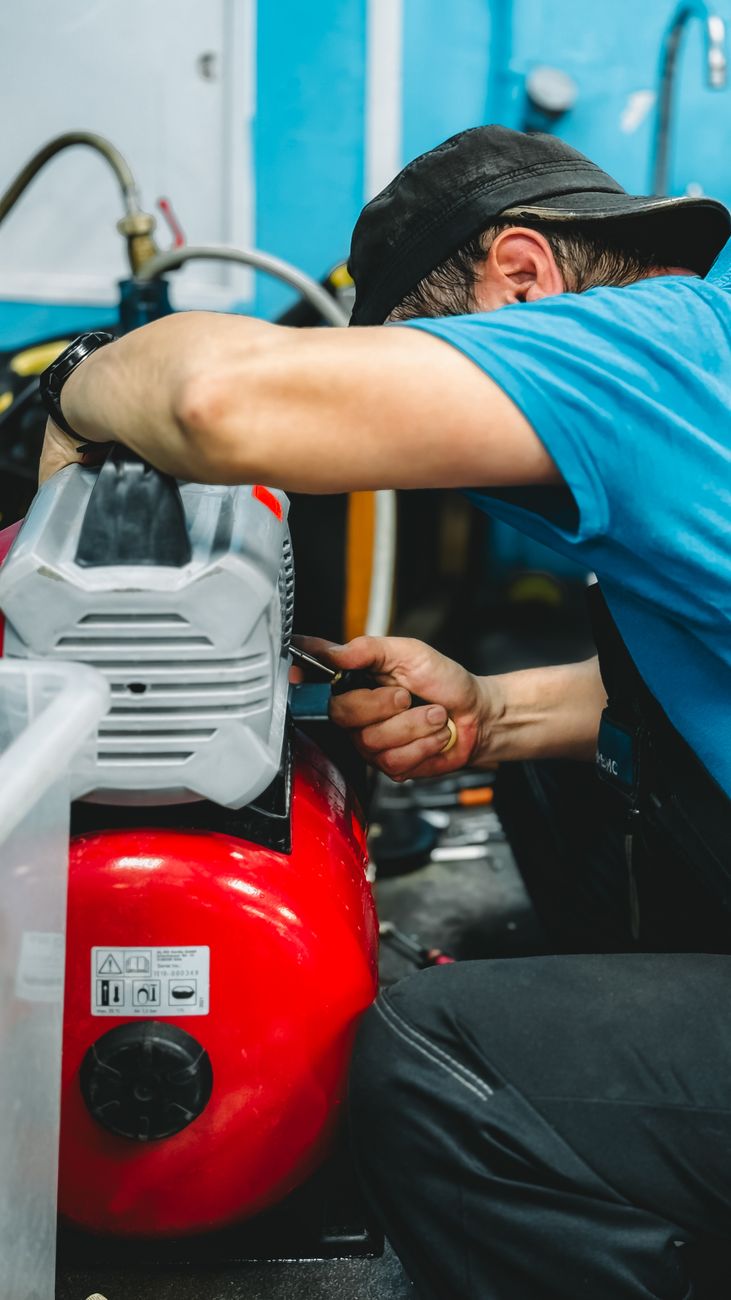
This example demonstrates teamwork, logical thinking, persistence and practical problem-solving.
Understand security and safety requirements
Aviation is heavily regulated. Employers may be unable to offer placements because of:
- Airport security restrictions
- Age limits
- Insurance requirements
- Confidentiality
- Aircraft safety rules
- Background checks
- Limited supervision capacity
For wider context on aviation security responsibilities, consult the UK Civil Aviation Authority's aviation security guidance. Maintenance and operational environments also rely on formal safety management principles, as outlined by ICAO's safety management resources.

Never enter a restricted area, handle tools or approach an aircraft without permission. If you are offered a placement, follow instructions, wear the required clothing and footwear, arrive on time and ask before touching equipment.
Use your experience in an application
Do not simply list activities. Explain what you learned and why it is relevant.
Weak: I visited an aviation museum and completed a robotics project.

Stronger: Volunteering at an aviation museum strengthened my interest in aircraft maintenance and showed me the importance of careful restoration work. I also completed a robotics project, developing practical problem-solving skills and learning to test a design methodically.
Link each example to the apprenticeship requirements, such as:
- Mechanical interest
- Electrical awareness
- Safety
- Teamwork
- Communication
- Accuracy
- Problem-solving
- Motivation and willingness to learn
Start small and remain persistent
You may not secure a formal placement immediately. Begin with accessible opportunities and build from there:
- Speak to your school or college.
- Research aviation employers in your area.
- Contact smaller businesses directly.
- Look for museums, cadet groups and STEM activities.
- Complete practical or virtual projects.
- Build transferable skills through part-time work.
- Record what you learn.
- Apply early and check deadlines regularly.
You do not need a perfect CV. You need evidence that you have explored aviation, understand what the work involves and are prepared to learn. When you are ready to look for opportunities, browse aircraft mechanic jobs and review our advice on getting a job in aircraft maintenance.



Login or register to join the conversation.
Join the discussion
0 comments