



If you’re a licensed aircraft engineer, mechanic, or avionics technician, create your free AeroTechCareers profile to showcase your competencies and be found by recruiters actively searching for engineers like you.
Aircraft Maintenance Technical Records: What Engineers Record and Why
Aircraft maintenance technical records provide evidence that maintenance was planned, performed, inspected and released correctly. They enable an operator, continuing airworthiness management organisation (CAMO), maintenance organisation, owner, lessor or aviation authority to establish what has happened to an aircraft or component throughout its service life.
In the UK and Europe, these records support compliance with UK CAA requirements, EASA regulations and the continuing airworthiness system. They are not simply administrative documents. A complete record provides the traceability needed to demonstrate that an aircraft remains in an approved and airworthy configuration.
What Counts as a Technical Record?
Technical records are created at several levels. Some document an individual maintenance task, while others provide the continuing history of an aircraft, engine or component.
The core record set normally includes:
- Aircraft and engine logbooks
- Work orders and task cards
- Maintenance release documents, including certificates of release to service (CRS)
- Inspection findings and test results
- Deferred defect and deferred maintenance records
- Airworthiness Directive (AD) compliance records
- Service bulletin and approved modification records
- Component installation, removal and service history
- Life-limited and time-controlled component status
- Back-to-birth traceability for critical components
- Approved repair and modification data
- Mass and balance information
- Aircraft configuration records
- Records supporting lease return or aircraft transition
The exact record structure depends on the aircraft type, the work performed and the organisation's approval scope. The central principle is consistent: another competent person must be able to understand what was done, which parts and data were used, who carried out the work and who authorised the aircraft or component for return to service.

The Chain from Work Card to Release
A maintenance record is not complete merely because an engineer has signed the final page. The evidence must form an unbroken chain:
- The defect, inspection requirement or scheduled task is identified.
- A work order or task card defines the required work.
- The engineer records the findings and action taken.
- Parts, materials, tooling and approved maintenance data are identified.
- Required inspections, tests or independent checks are documented.
- A person with the appropriate authorisation certifies the completed work.
- The aircraft or component is issued with the relevant maintenance release or CRS.
This chain is important during an audit, investigation, technical handover or aircraft sale. It demonstrates not only that the work was signed off, but also that it was performed against the correct instructions and supported by acceptable parts and data.
A certifying signature is the final link in a controlled process. It does not replace the supporting records that show how the work was completed. Where an independent inspection is required, the record should clearly show who performed it and how the required independence was maintained. See our guide to who can perform an independent inspection.
Aircraft and Engine Logbooks
Aircraft and engine logbooks provide the continuing history of the asset. Depending on the operator's record system, they may include:
- Total flight hours and cycles
- Hours and cycles since overhaul or installation
- Maintenance events
- Defect rectification
- Component changes
- Engine changes and configuration
- Major inspections
- AD and life-limited component status
- Maintenance release references
These records establish the current technical status of the aircraft and prevent important information from becoming isolated in an individual work package.
Engine records are particularly significant because engines contain many life-limited and time-controlled parts. The records must support the calculation of remaining life and demonstrate the origin, installation history and operating exposure of relevant components.

Deferred Defects and Defect Control
Not every defect is rectified immediately. Where an approved Minimum Equipment List (MEL), Configuration Deviation List or other approved procedure permits deferral, the record must clearly identify:
- The defect or inoperative item
- The applicable operational or maintenance procedure
- Any required placarding or limitations
- The deferral category and due date, where applicable
- Required repetitive inspections
- The person or organisation responsible for follow-up
- The eventual rectification and close-out
A deferred defect must remain visible to the people responsible for aircraft release and continuing airworthiness. A defect that is permitted to remain open can still become a serious control failure if its conditions, expiry or repetitive requirements are lost. For related guidance, read how aircraft engineers defer defects using the MEL.
Parts, Components and Back-to-Birth Traceability
Component records establish what a part is, where it came from, what work has been carried out and how much service it has accumulated.
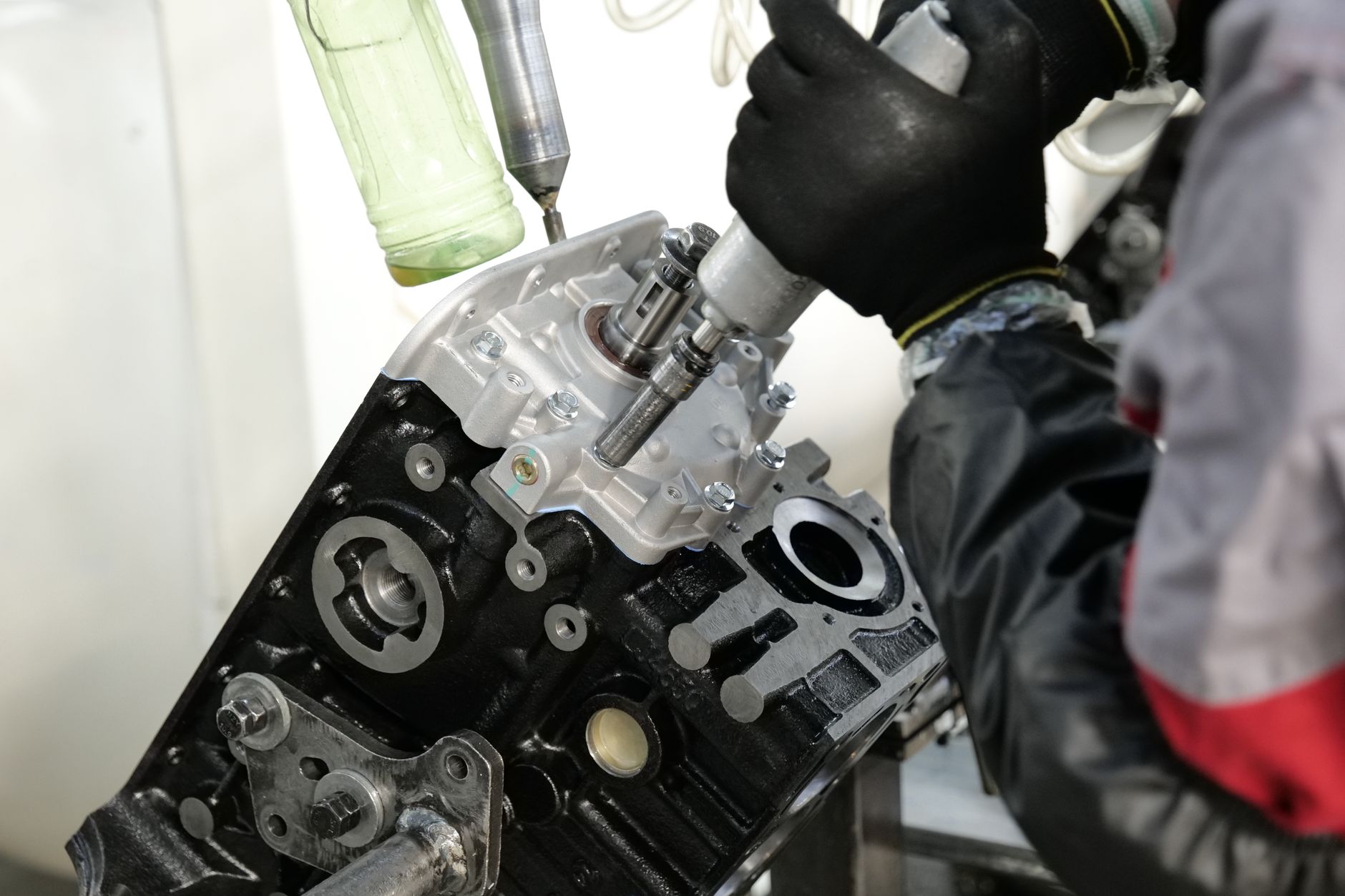
Records may include:
- Part and serial numbers
- Certificates of conformity or authorised release certificates
- Installation and removal dates
- Aircraft or engine position
- Hours and cycles at installation and removal
- Overhaul, repair or inspection history
- Life remaining
- Shop findings and release documentation
- Previous operators or assemblies, where relevant
Critical components may require back-to-birth records. This means that the available history must trace the component to its original manufacture or another approved starting point. A summary status figure is not always sufficient. If the supporting history cannot be verified, the component may not be acceptable for installation, even if its apparent hours or cycles remain within limits.
Life-limited component status must reflect current flight hours and cycles. When components move between aircraft or engines, their records must move with them or remain directly linked to the controlled technical record system.
Keep your licensing evidence organised with Part 66 Logbook Analysis, designed to help aviation professionals manage logbook records and Part 66 requirements.
Airworthiness Directives, Service Bulletins and Approved Data
AD compliance records demonstrate that mandatory instructions issued by the relevant authority have been assessed and complied with. They should identify the directive, affected aircraft or component, compliance method, compliance date, aircraft hours and cycles, and any recurring requirement.
For current regulatory material, consult the UK CAA continuing airworthiness guidance and EASA continuing airworthiness information.
Service bulletins must be recorded with equal clarity when they are incorporated, particularly when they affect configuration, inspection intervals or future maintenance actions. Their mandatory status can vary, so the record should make clear why the action was required or elected.
Repairs and modifications must be supported by approved or accepted maintenance data, such as instructions from the type certificate holder or data approved by the appropriate authority. The record should show:
- The affected area or system
- The approved repair or modification reference
- The embodiment date
- The aircraft or component status
- Any associated limitations or inspections
- The resulting configuration
This prevents an aircraft from appearing compliant while its actual configuration differs from the approved design or maintenance programme.

Mass, Balance and Configuration Records
Mass and balance records support safe loading and demonstrate the aircraft's current weight and centre-of-gravity condition. Changes such as equipment installation, removal, interior modification or structural repair can affect the approved data.
Configuration records should identify the equipment and systems installed on the aircraft, including relevant software or modification status where applicable. These records help engineers determine which maintenance instructions, wiring diagrams, inspection requirements and operational limitations apply to that particular aircraft.
A generic aircraft record is not enough. Maintenance must be performed against the actual configuration. Engineers should use the applicable aircraft maintenance manuals, IPC, SRM and wiring diagrams when identifying the correct technical data.
Retention Requirements Under Part-145
For organisations operating under UK CAA or EASA Part-145 frameworks, 145.A.55 sets minimum maintenance record-keeping requirements. The organisation must retain copies of detailed maintenance records, including certificates of release to service and associated maintenance data, for three years from the date the aircraft or component was issued with a certificate of release to service.
Three years is the minimum retention period under the Part-145 requirement. It should not be interpreted as meaning that every aircraft record can be discarded after three years. Continuing airworthiness records, life-limited component histories, modification records and lease or ownership records may need to be retained for longer under other applicable requirements, contractual arrangements or the aircraft's continuing operational history.
If a maintenance organisation terminates its operation, arrangements must be made for the controlled retention or transfer of its records. Where the last customer or owner is unknown or disputed, the organisation may be required to notify the CAA and store the maintenance records it holds for the last three years in the manner specified by the authority.

Organisations should verify current retention obligations with the UK CAA Part-145 guidance, EASA, the FAA or another applicable authority before finalising their procedures. FAA requirements, including those associated with US operators and A&P maintenance records, are separate from the UK and EASA frameworks and should not be treated as interchangeable. The FAA airworthiness certification resources provide relevant US regulatory context.
Records and Independent Quality Audits
Technical records must support more than the engineers who perform the work. Under Part-145, 145.A.65(c) requires the organisation to maintain a compliance monitoring system that includes independent internal audits.
The quality or compliance function must be sufficiently independent from the personnel carrying out the maintenance being audited. In practical terms, maintenance software must allow an auditor to check the evidence independently, on a defined schedule, without relying on the same person who performed the task to mark the record as complete.
An audit may examine whether:
- The correct task card was used
- The work was carried out against approved data
- Required inspections were completed
- Parts had acceptable release documentation
- Signatures and authorisations were valid
- Deferred defects were controlled
- The CRS was issued by appropriately authorised staff
- The recorded aircraft status matches the actual configuration
Software assessed only against certifying staff records, work orders and component release documents may still overlook the wider compliance evidence required for an effective compliance monitoring system.
Digital Records and Audit Readiness
Digital systems can improve technical records, but only when they preserve control, traceability and retrieval. A compliant system should provide:
- Controlled user access
- Secure amendments and an audit trail
- Version control for maintenance data
- Clear links between work orders, task cards and releases
- Searchable component and aircraft histories
- Protection against unauthorised deletion
- Reliable backup and recovery
- Evidence of independent review
- Controlled electronic signatures
The objective is not simply to remove paper. It is to make the evidence easy to follow, easy to trust and easy to retrieve. This is increasingly important as digital tools transform maintenance workflows. Read more about aircraft maintenance in the digital age.

Operators, CAMOs, maintenance organisations, MROs and owners may each hold part of the technical history. The record system must make responsibility and information flow clear, particularly when aircraft change operator, move between maintenance providers or enter a lease transition.
For leased aircraft, a live return file should be maintained from the beginning of the lease. Waiting until return preparation to reconstruct maintenance, component, modification and configuration history creates avoidable risk. A current summary is useful, but it is never a substitute for the underlying evidence.
The Difference Between Technical Records and an Engineer's Logbook
An aircraft technical record describes the condition, maintenance history and approved status of the aircraft or component. An engineer's personal experience record, such as a CAP 741 logbook used in the UK, records the individual's maintenance experience for licensing or career purposes.

They serve different functions. An engineer's logbook may reference work performed, but it does not replace the aircraft's controlled maintenance records, task cards, component history or CRS documentation. For practical guidance, see how to fill out a CAP 741 logbook and review the common CAP 741 logbook mistakes that can delay an application.
Ready to improve your Part 66 records? Analyse Your Logbook Today!
Why Accurate Records Matter
Accurate technical records allow an organisation to answer fundamental safety questions:
- What maintenance has been completed?
- Which parts are installed?
- How much life remains?
- Which defects are open?
- Which ADs and inspections are due?
- What approved data supports a repair or modification?
- Who performed, inspected and released the work?
- Does the aircraft's recorded configuration match its actual configuration?
If those questions cannot be answered quickly and convincingly, the problem is not merely administrative. It may affect the organisation's ability to demonstrate continuing airworthiness and maintain the aircraft's certificate of airworthiness.
Good technical records preserve the aircraft's history, support independent oversight and give future engineers reliable evidence on which to base safe maintenance decisions. Audits test the record, not the organisation's intention. The strongest systems make that record complete, controlled and easy to verify.




Login or register to join the conversation.
Join the discussion
0 comments