


If you’re a licensed aircraft engineer, mechanic, or avionics technician, create your free AeroTechCareers profile to showcase your competencies and be found by recruiters actively searching for engineers like you.
Aircraft maintenance data and the human factor: why engineers still matter in digital diagnostics
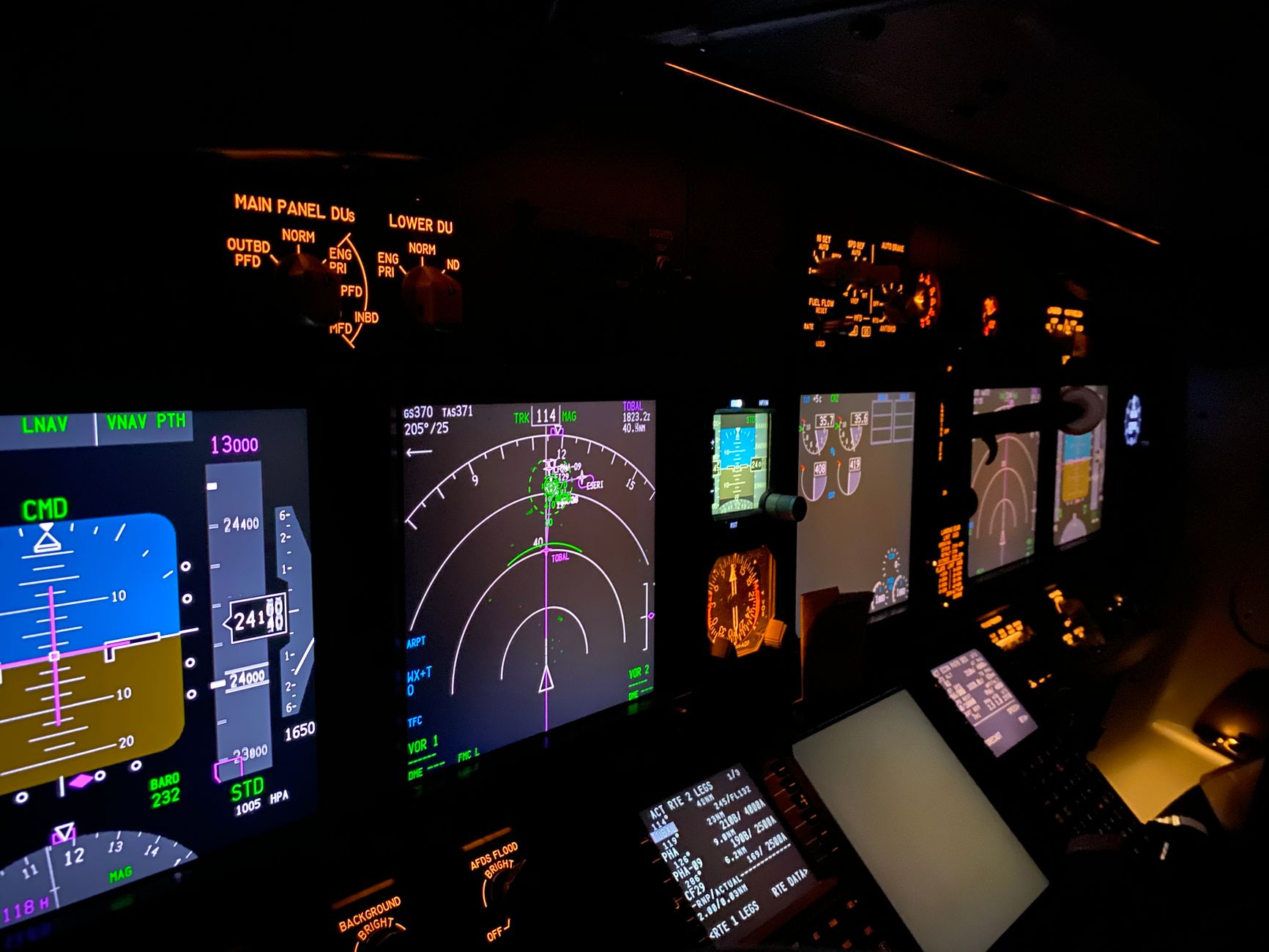
Modern aircraft generate an extraordinary volume of maintenance data. Built-in test equipment, aircraft condition monitoring systems, engine trend monitoring, fault messages and digital maintenance records can identify abnormal behaviour long before a component fails.
Yet data is not the same as diagnosis.
A fault code may identify a system symptom rather than its root cause. A trend may show that performance is changing without explaining why. A maintenance computer may recommend a test, but it cannot always determine whether the result is credible, whether the aircraft configuration matches the technical data, or whether the reported defect is connected to a wider operational event.
That is why the aircraft maintenance engineer remains essential. Digital diagnostics improve access to information, but they do not remove the need for engineering judgement.
Data provides evidence, not a complete answer
Aircraft diagnostic systems are designed to detect conditions outside defined parameters. Their outputs may include:
- fault messages and central maintenance system reports;
- built-in test equipment results;
- engine oil, vibration, temperature or performance trends;
- flight data monitoring information;
- component history and removal rates; and
- previous maintenance actions and repeat-defect records.
These sources can significantly reduce troubleshooting time, but they must be interpreted in context. A recorded fault may have been caused by a wiring defect, an intermittent connection, a sensor failure, a software or configuration issue, or a genuine failure elsewhere in the system.
A system can also report a downstream symptom. For example, a failed sensor may cause several computers to record apparently unrelated faults. Replacing the first component named in a fault message may clear the indication temporarily without correcting the underlying problem.
The engineer’s role is to establish whether the data is:
- Relevant to the reported defect;
- Reliable and complete;
- Consistent with the aircraft’s configuration and technical records;
- Supported by approved maintenance data and test results; and
- Sufficient to justify the maintenance action and return to service.
This process requires more than reading a screen. It requires system knowledge, practical experience and the ability to challenge an apparently convenient conclusion. Engineers troubleshooting complex faults may also need to combine digital information with wiring diagrams and approved technical publications, as explained in this guide to reading aircraft wiring diagrams for electrical fault finding.

Human factors are part of the Part-66 technical foundation
The importance of human judgement is reflected directly in the UK and EASA aircraft maintenance licensing frameworks. EASA’s continuing airworthiness rules include the Part-66 licensing framework, where human factors is treated as a core area of aircraft maintenance competence.
Part-66 Module 09, Human Factors, does not treat human performance as a soft or secondary subject. It examines the conditions that influence how maintenance work is performed and how errors arise.
The syllabus addresses physical and mental performance factors affecting an aircraft maintenance technician’s working environment, including:
- vision and hearing;
- information processing;
- attention and perception;
- memory;
- judgement; and
- decision-making.
These subjects are directly relevant to digital diagnostics. Engineers must distinguish a meaningful signal from background information, recognise when data is incomplete, and avoid allowing a confident-looking computer output to replace independent assessment.

The Part-66 material also identifies factors that can adversely affect maintenance performance. These include fitness and health, stress and time pressure, deadlines, workload, fatigue, shift work, and the effects of alcohol and drugs. The SKYbrary overview of human factors in aviation provides further context on how these influences can affect safety-critical work.
Digital tools do not eliminate these risks. In some circumstances, they can amplify them. A large volume of alerts can create information overload. Repeated nuisance messages can produce alarm fatigue. A highly automated interface can encourage automation bias, the tendency to accept a system recommendation without sufficient challenge. Under operational pressure, an engineer may also be tempted to treat a fault reset or component replacement as proof that a defect has been resolved.
The technology may be precise, but the working environment still affects how its information is interpreted.
Maintenance errors are not always easy to reverse
The Part-66 Human Factors syllabus makes an important distinction between ordinary human error and maintenance error. Error is an unavoidable part of being human. In everyday life, such errors are often detected and corrected with limited consequence.
Maintenance errors can be different. They may not be immediately visible, and they may not be discovered until the aircraft is operating in a demanding phase of flight. An incorrect connector, an incomplete inspection, an incorrectly installed component or an unsuitable troubleshooting assumption can therefore have consequences that are more serious and less easily reversible.
This is particularly important in data-led maintenance. A digital record may show that a task was completed, but it does not independently prove that the correct component was fitted, that the correct test configuration was used, or that the reported result was properly understood.

The engineer remains responsible for applying the required procedures, confirming the evidence and recognising when the result does not make technical sense. Independent checks and clear authorisation boundaries are also essential. For more detail, read who can perform an independent inspection in aircraft maintenance.
Intermittent faults expose the limits of automation
Digital diagnostics are strongest when a fault is stable, measurable and within the system’s designed detection logic. Intermittent faults are more difficult.
A defect may disappear before the aircraft reaches the maintenance organisation. A vibration trend may be affected by operating conditions. A sensor may fail only at a particular temperature or electrical load. A fault may occur only when several systems interact.
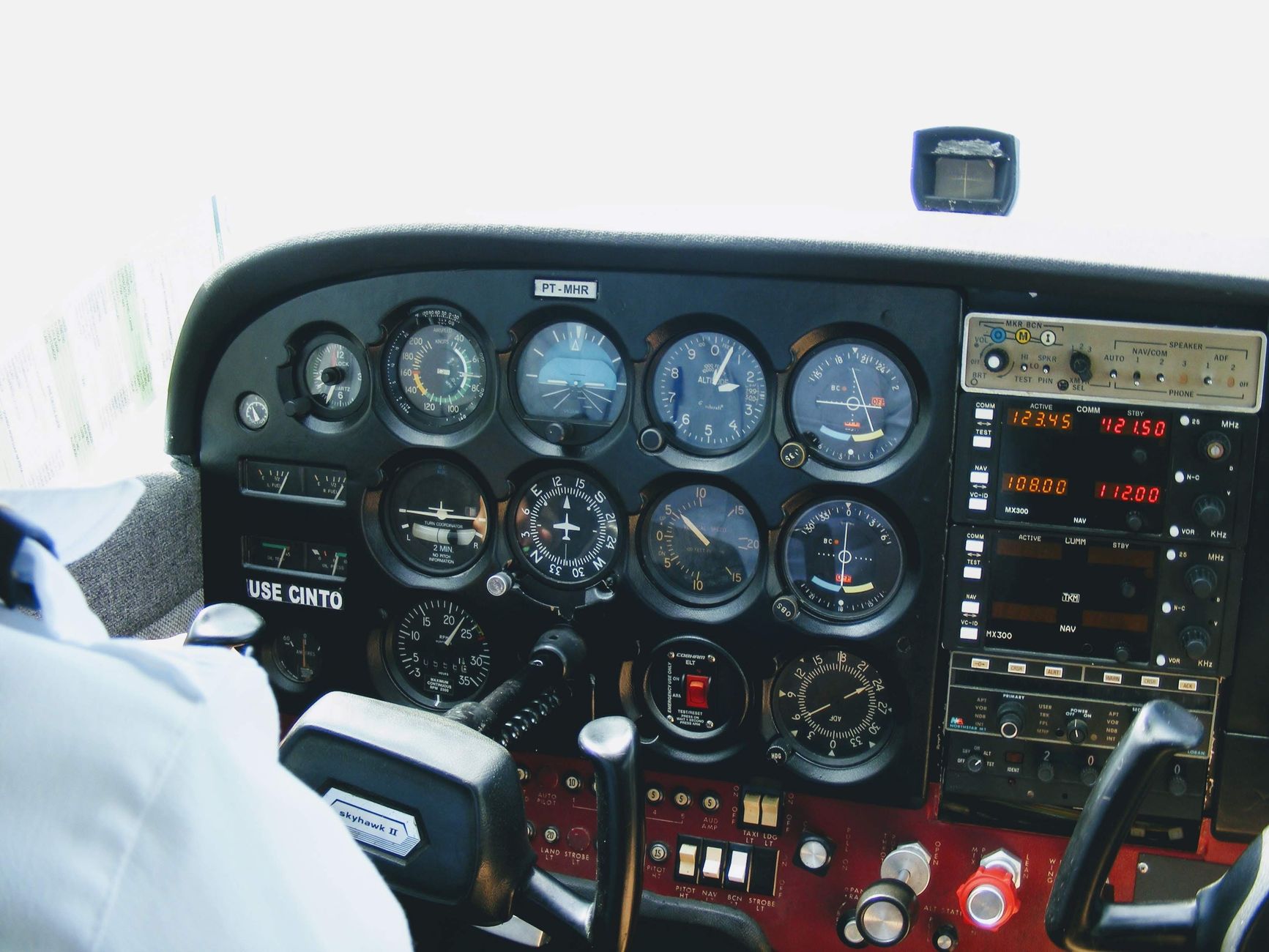
In such cases, the engineer must combine multiple forms of evidence:
- crew reports and operational context;
- fault history rather than a single current message;
- component and wiring diagrams;
- previous rectification attempts;
- aircraft configuration and modification status;
- inspection findings;
- approved troubleshooting procedures; and
- repeat-defect or fleet experience.
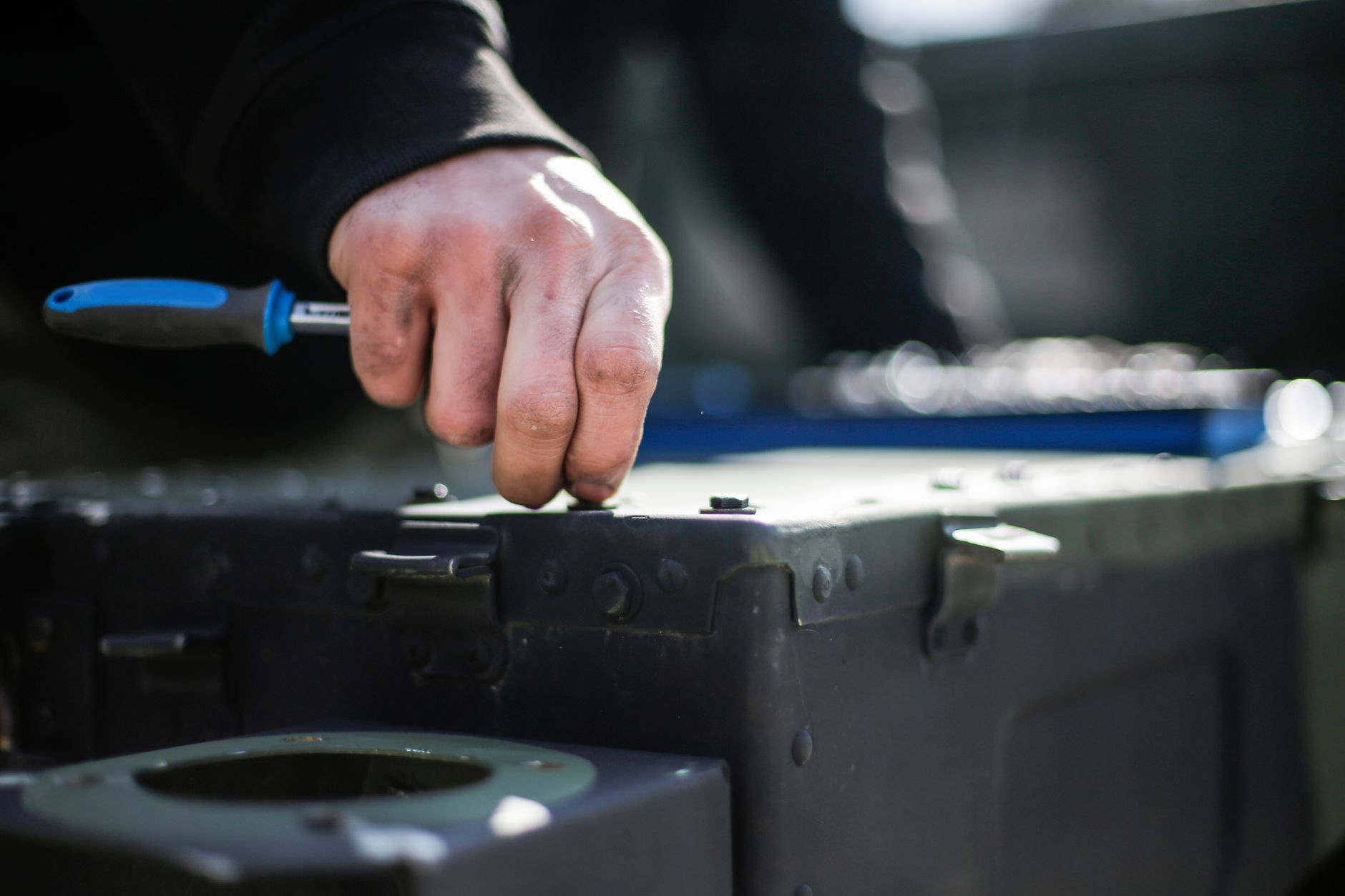
This is where practical experience has particular value. An experienced engineer may recognise that a sequence of apparently separate faults points towards a common power supply or data bus. That conclusion may not be stated explicitly by the diagnostic system, but it can be tested using the approved maintenance data.
Experience is not a substitute for procedure. It helps the engineer ask better questions within the procedure. For a practical look at this process, see how engineers diagnose intermittent avionics faults.
Digital records still require professional control
Electronic maintenance records can improve traceability, legibility and access to aircraft history. They can also help organisations identify repeat defects, monitor component reliability and prepare records for regulatory review.
However, the quality of a digital record depends on the quality of the information entered. A vague defect description, an unexplained fault reset or an incomplete troubleshooting note can reduce the value of the entire record. Future engineers may see that an action was taken without understanding why it was taken or what evidence supported it.
For UK engineers gathering experience towards licensing, accurate personal records remain important. CAP 741 provides guidance on recording aircraft maintenance experience and task activity. Whether entries are made in a traditional logbook or supported by an organisation’s digital system, they should reflect what was actually performed, under the relevant supervision and with enough detail to demonstrate competence.
Before submitting an application, engineers can also review the guidance on common CAP 741 logbook mistakes and use the CAP 741 logbook checklist to identify missing or unclear evidence.
The same principle applies to engineers moving from military maintenance into the civil system. UK Ministry of Defence service records, competency evidence and documented task experience may support recognition through the relevant UK CAA pathways, but the evidence must be clear, verifiable and mapped to the applicable licensing requirements. Digital maintenance data can support that evidence, but it does not remove the need for proper assessment.
Ready to organise your maintenance experience? Analyse Your Part-66 Logbook Today and identify opportunities to strengthen your records.
Engineers provide the safety barrier between information and action
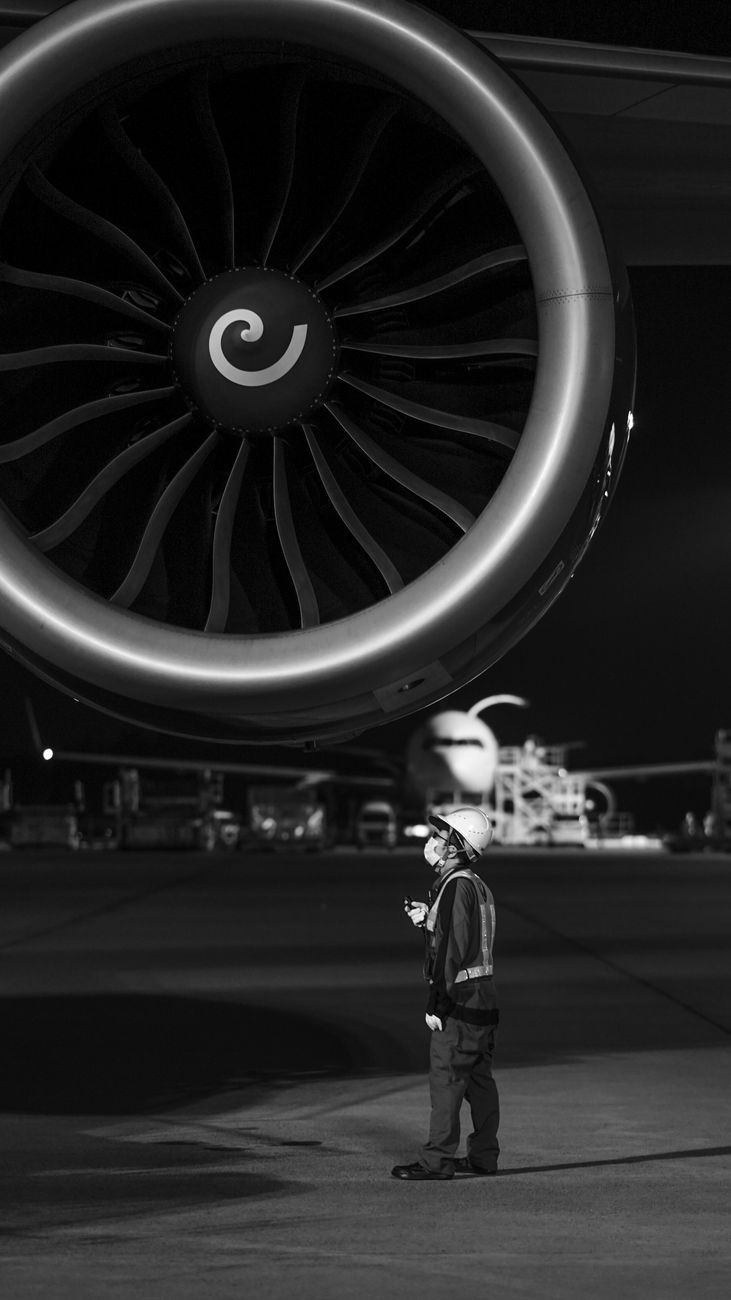
Under the UK and EASA regulatory approaches, technical information must lead to controlled maintenance action, not simply an automated conclusion. Part-145 organisations, Part-66 licensed engineers and other authorised personnel operate within procedures that define how defects are assessed, rectified, inspected and certified. The UK Civil Aviation Authority’s aircraft maintenance information explains the regulatory context for approved maintenance activity in the United Kingdom.
That human control is a safety barrier.
The engineer must be willing to:
- challenge a fault message that conflicts with physical evidence;
- stop when the available data is inadequate;
- verify the effect of a test before replacing a part;
- identify when multiple faults may share a common cause;
- recognise personal limitations caused by fatigue, workload or pressure; and
- record the reasoning and result clearly enough for the next person to understand.
This is not an argument against advanced diagnostics. The best engineers use digital systems extensively. They search technical records faster, compare trends more effectively, identify recurring defects earlier and make better-informed maintenance decisions.

The distinction is that the engineer remains the interpreter, investigator and accountable decision-maker.
What the future means for aircraft maintenance engineers
As aircraft systems become more connected, engineers will need both traditional maintenance competence and stronger digital literacy. Understanding data quality, system architecture, cybersecurity considerations, software configuration and human factors will become increasingly important alongside practical inspection and rectification skills.
Digital tools may also change how maintenance teams share knowledge. Clear shift handovers, accurate defect descriptions and complete troubleshooting records will remain essential, particularly when several engineers contribute to the same investigation. Our aircraft maintenance shift handover checklist covers the information that should be communicated between teams.
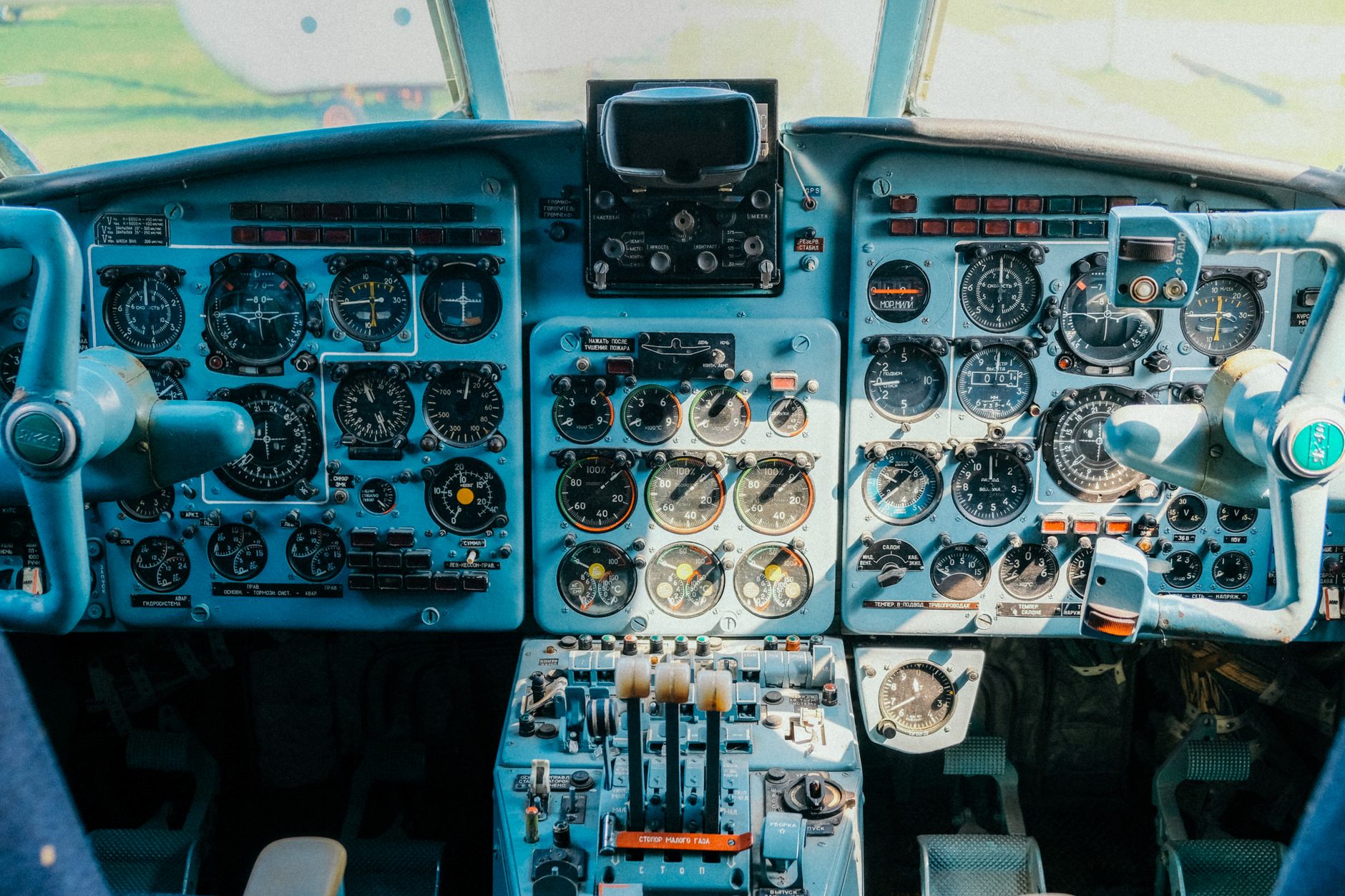
Aircraft maintenance is becoming increasingly data-rich, but it is not becoming judgement-free. Sensors can detect, software can prioritise and databases can retain. Engineers still have to determine what the information means, and whether the aircraft is safe to return to service.
For more guidance on the changing role of maintenance professionals, explore aircraft maintenance in the digital age or browse the latest insights on the AeroTech Careers Blog.




Login or register to join the conversation.
Join the discussion
0 comments