

.jpg)
If you’re a licensed aircraft engineer, mechanic, or avionics technician, create your free AeroTechCareers profile to showcase your competencies and be found by recruiters actively searching for engineers like you.
What can a CAA Part-66 B2 licence holder certify?
A CAA Part-66 B2 licence authorises certification of specified avionic and electrical maintenance, subject to the aircraft rating, organisational authorisation, competence and applicable maintenance data. It does not provide an unrestricted right to certify every task on every aircraft. The UK CAA Part-66 guidance should always be checked alongside the organisation's approval and individual authorisation.
What does a Category B2 licence cover?
Category B2 is the specialist licence category for aircraft avionic and electrical systems. Subject to the relevant aircraft ratings and approvals, a B2 licence holder may certify maintenance involving:
- Communication systems
- Navigation systems
- Instrument systems
- Auto-flight systems
- Surveillance systems
- Aircraft electrical systems
- Avionic components and equipment
- Wiring and interconnection systems
- Electrical and avionics tasks within powerplant and mechanical systems where only simple tests are required
- Minor scheduled line maintenance
- Simple defect rectification within the applicable limitations
Typical work may include replacing or testing a radio, rectifying a navigation fault, repairing wiring, replacing an instrument or completing an operational test on an auto-flight system.
B2 privileges may apply to both large commercial aircraft and general aviation aircraft. The required aircraft ratings, practical experience and organisational approvals must be in place before certification.
For a wider explanation of the qualification route, see our guide to becoming a Part-66 licensed engineer.
What does certification mean?
When a B2 engineer certifies maintenance, they issue or sign a certificate of release to service, commonly known as a CRS. This confirms that the relevant maintenance has been completed in accordance with the applicable requirements and that the aircraft or system may be released in relation to the work performed.
Before signing a CRS, the certifying staff member must have:
- The relevant Part-66 category and aircraft type or group rating.
- The practical experience and competence required for the task.
- Authorisation from the approved maintenance organisation, where applicable.
- Access to the correct maintenance data, tools and test equipment.
- The specific authority to certify the task.
The licence provides the legal basis for certification. Aircraft ratings and organisational authorisation determine how those privileges may be exercised in practice. Our article on EASA certification privileges versus FAA A&P sign-off privileges provides useful international context.
Can a B2 holder certify mechanical or powerplant work?
A B2 licence is not a mechanical or powerplant licence. It does not normally authorise certification of structural repairs, engine maintenance or general mechanical work merely because the task includes an electrical component.
B2 privileges do include electrical and avionics tasks within powerplant and mechanical systems where only simple tests are required. Examples may include:
- Electrical connections associated with powerplant components
- Wiring and indication systems connected to mechanical equipment
- Sensors and switches used by engine or mechanical systems
- Simple electrical tests associated with a powerplant installation
- Avionic elements that support a mechanical system
The scope of the certification depends on the nature of the work. A B2 holder may certify the electrical or avionics aspect of a task, but not necessarily the associated mechanical installation, adjustment, overhaul or structural work. A suitably qualified and authorised B1 engineer or other certifying staff member may be required to certify those elements.
What can a B2 engineer certify during line maintenance?
B2 engineers commonly work in line maintenance, where aircraft are inspected, defects are rectified and aircraft are returned to service between flights or during short maintenance visits. Within the limits of their licence and organisational authorisation, they may certify:
- Minor scheduled line maintenance
- Simple defect rectification
- Avionic component replacement
- Simple operational and functional tests
- Defect isolation and rectification on avionic systems
- Electrical system maintenance
- Permitted wiring repairs and modifications
- Avionic and electrical tasks associated with mechanical or powerplant systems
Complex modifications, extensive troubleshooting and major system tests may require additional approval, specialist authorisation or support from another category of certifying staff. The CAA Part-145 requirements are relevant when assessing the maintenance organisation's approval and procedures.
Can a B2 holder certify base maintenance?
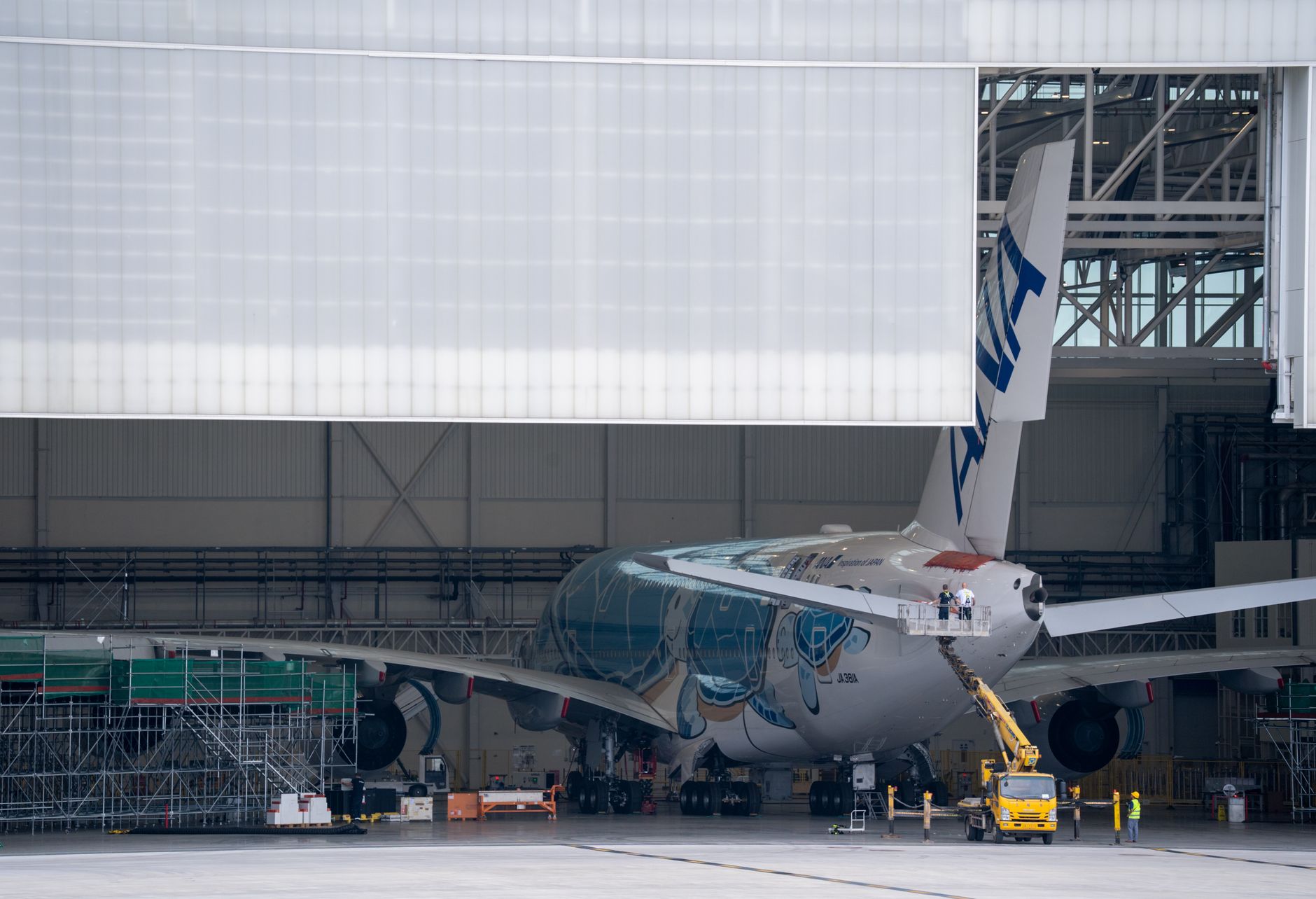
A B2 licence holder may certify relevant avionic and electrical work performed during base maintenance. This does not mean that the B2 holder can independently release the complete aircraft from base maintenance.
Base maintenance may involve several disciplines, including:
- Structures
- Powerplant
- Mechanical systems
- Electrical systems
- Avionics
- Cabin and interior work
A B2 engineer may certify tasks completed within their avionic or electrical speciality. Other appropriately authorised certifying staff must certify the work carried out in their respective areas.
Following scheduled base maintenance, the overall aircraft release is generally associated with Category C certification.
What is Category C certification?
Category C applies to certification following scheduled base maintenance. The Category C privilege applies to the aircraft as a whole, rather than to one technical speciality.
A Category C certifying staff member may issue the aircraft-level CRS after all required base maintenance has been completed. The relevant tasks must first have been certified by appropriately authorised B1, B2, B2L, B3, L or support staff, as applicable.
- The B2 engineer certifies the avionic and electrical work within their authorisation.
- Other specialists certify the tasks within their respective disciplines.
- The Category C certifier coordinates the overall base maintenance release.
- The Category C certifier issues the aircraft-level CRS.
A B2 licence does not provide Category C privileges. Category C is a separate licence category with its own qualification and experience requirements.
What is a B2L licence?
A B2L licence provides more limited avionics privileges than a full B2 licence. Certification is restricted to the system ratings endorsed on the licence. The EASA Part-66 licensing information explains the regulatory framework for aircraft maintenance licences and their categories.
The B2L system ratings are:
- Communication and navigation, com/nav
- Instruments
- Auto-flight
- Surveillance
- Airframe systems
For example, a B2L engineer with only a com/nav rating may certify work within communication and navigation systems, but does not automatically have privileges for instruments, auto-flight or surveillance systems.
Why is the airframe systems rating important?
The airframe systems rating is particularly relevant to electrical and avionics tasks associated with powerplant and mechanical systems. Where the applicable privilege is required for electrical and avionics tasks within those systems, the airframe systems rating is the relevant B2L rating.
How does B2 compare with B2L?
- Category B2: Broad avionic and electrical privileges across the aircraft, including permitted electrical and avionics tasks within powerplant and mechanical systems, minor scheduled line maintenance and simple defect rectification.
- Category B2L: Avionic and electrical privileges limited to the system ratings endorsed on the licence.
A full B2 licence provides broader privileges across the relevant aircraft type or group. A B2L licence is modular, allowing certification within selected systems only.
What a B2 licence does not allow you to certify
A B2 licence does not automatically authorise certification of:
- Major structural repairs
- General mechanical maintenance
- Engine overhaul or major engine work
- Mechanical adjustments outside the avionic or electrical scope
- Every system on every aircraft
- Aircraft without the relevant type or group rating
- The complete aircraft release following base maintenance
- Work outside the maintenance organisation's authorisation
- Tasks for which the certifying staff member lacks the required competence or experience
Signing a CRS is not an administrative formality. The certifying staff member must understand the work, confirm that it has been completed correctly and establish that the aircraft is safe for release within the scope of the certification.
Can a B2 holder certify components?
A B2 licence primarily provides aircraft maintenance certification privileges. It does not automatically provide unrestricted component certification privileges.
Component maintenance certification normally depends on:
- The applicable component approval
- The maintenance organisation's approval
- Company authorisation
- The relevant maintenance data
- Training and competence
- Any limitations placed on the individual authorisation
A B2 holder may be authorised to certify certain component-related tasks, such as removing, installing, testing or replacing avionic equipment. The exact scope must be established by the approved organisation and the applicable regulations.
Maintaining accurate experience records is also important when demonstrating competence. Learn how to complete a CAP 741 logbook correctly and avoid gaps in your evidence.
The practical answer
A CAA Part-66 B2 licence holder may certify the release to service of the following, provided the relevant ratings, experience and organisational authorisations are in place:
- Avionic system maintenance
- Electrical system maintenance
- Communication and navigation system work
- Instrument and auto-flight system work
- Surveillance system maintenance
- Wiring and interconnection repairs
- Electrical and avionics tasks within mechanical and powerplant systems where only simple tests are required
- Minor scheduled line maintenance
- Simple defect rectification
The B2 engineer is the specialist for aircraft electronic and electrical systems. The licence defines the technical category, but the aircraft rating, task competence and organisational authorisation determine what the engineer may sign.



Login or register to join the conversation.
Join the discussion
0 comments