



If you’re a licensed aircraft engineer, mechanic, or avionics technician, create your free AeroTechCareers profile to showcase your competencies and be found by recruiters actively searching for engineers like you.
Service Bulletins and the Approved Maintenance Programme: When Recommendations Become Scheduled Work
In UK and European aviation, a Service Bulletin (SB) is not automatically a legal requirement. It is a technical publication issued by an aircraft, engine or component manufacturer to recommend an inspection, modification, replacement, software change or other maintenance action.
The important operational question is not simply whether an SB has been issued. It is whether the SB has been assessed, accepted and incorporated into the operator’s Approved Maintenance Programme (AMP), and, if so, when the resulting task becomes scheduled maintenance.
That distinction is central to the relationship between the aircraft operator, the Continuing Airworthiness Management Organisation (CAMO), the approved maintenance organisation and the competent authority.
What is a Service Bulletin?
A Service Bulletin provides instructions for a defined technical action. It normally identifies:
- the affected aircraft, engine or component population;
- the reason for the action;
- the applicable effectivity;
- required parts, equipment and documentation;
- the maintenance procedure;
- access requirements and estimated labour;
- compliance recommendations or timescales; and
- any repetitive inspection or replacement interval.
SBs can address a wide range of issues. Some improve reliability or maintainability, while others respond to an emerging technical concern. An SB may recommend a modification, introduce a new inspection method or provide terminating action for an existing repetitive task.

Manufacturers may also publish different levels of urgency, including alert or urgent SBs. However, the terminology used by a manufacturer does not, by itself, give the document the force of law.
An SB is not automatically mandatory
The legal status of an SB must be established separately from the manufacturer’s recommendation.
An SB can become mandatory through several routes:
- an Airworthiness Directive (AD) incorporates or refers to the SB;
- the applicable Instructions for Continued Airworthiness or Airworthiness Limitations Section requires the action;
- the approved maintenance programme includes the SB or the resulting maintenance task;
- a mandatory requirement is imposed by the type certificate holder, lease agreement, insurer, customer or operator policy, subject to the applicable regulatory framework; or
- a national or competent-authority decision requires compliance.
An AD issued or adopted by the relevant authority is a regulatory requirement. The UK Civil Aviation Authority’s Airworthiness Directive guidance explains how UK ADs communicate mandatory continuing-airworthiness action. For aircraft operating under EASA oversight, the applicable requirements are published through EASA’s Airworthiness Directives system.

Where an AD refers to an SB, the AD normally defines the legal compliance requirement, including the applicable aircraft, configuration, compliance time and any approved alternative means of compliance.
The SB remains the technical document containing the work instructions, but the obligation comes from the AD or another applicable airworthiness requirement.
How an SB enters the Approved Maintenance Programme
The AMP is the mechanism through which continuing-airworthiness tasks are planned and controlled. When a new SB is received, the CAMO should carry out a documented assessment rather than placing it directly into the maintenance schedule.

The assessment commonly considers:
- whether the aircraft or component is within the SB’s effectivity;
- whether an AD or other mandatory requirement applies;
- the safety significance of the issue;
- the aircraft’s operational environment;
- existing maintenance tasks that address the same risk;
- reliability and defect data;
- modification status and configuration control;
- parts and tooling availability;
- downtime and access requirements;
- lease, manufacturer or customer obligations; and
- whether the action should be one-time, repetitive, conditional or terminating.
The result should be recorded in the organisation’s continuing-airworthiness system. Possible outcomes include:
- incorporation into the AMP;
- incorporation as a scheduled one-time task;
- addition to an existing inspection or replacement task;
- monitoring through the reliability programme;
- deferral pending further technical assessment; or
- rejection as not applicable, supported by a documented technical justification.
A decision not to embody an optional SB must be controlled and traceable. “Optional” does not mean “ignore it”. It means that the organisation must determine whether the recommendation is relevant to the aircraft’s continuing airworthiness and operating context.
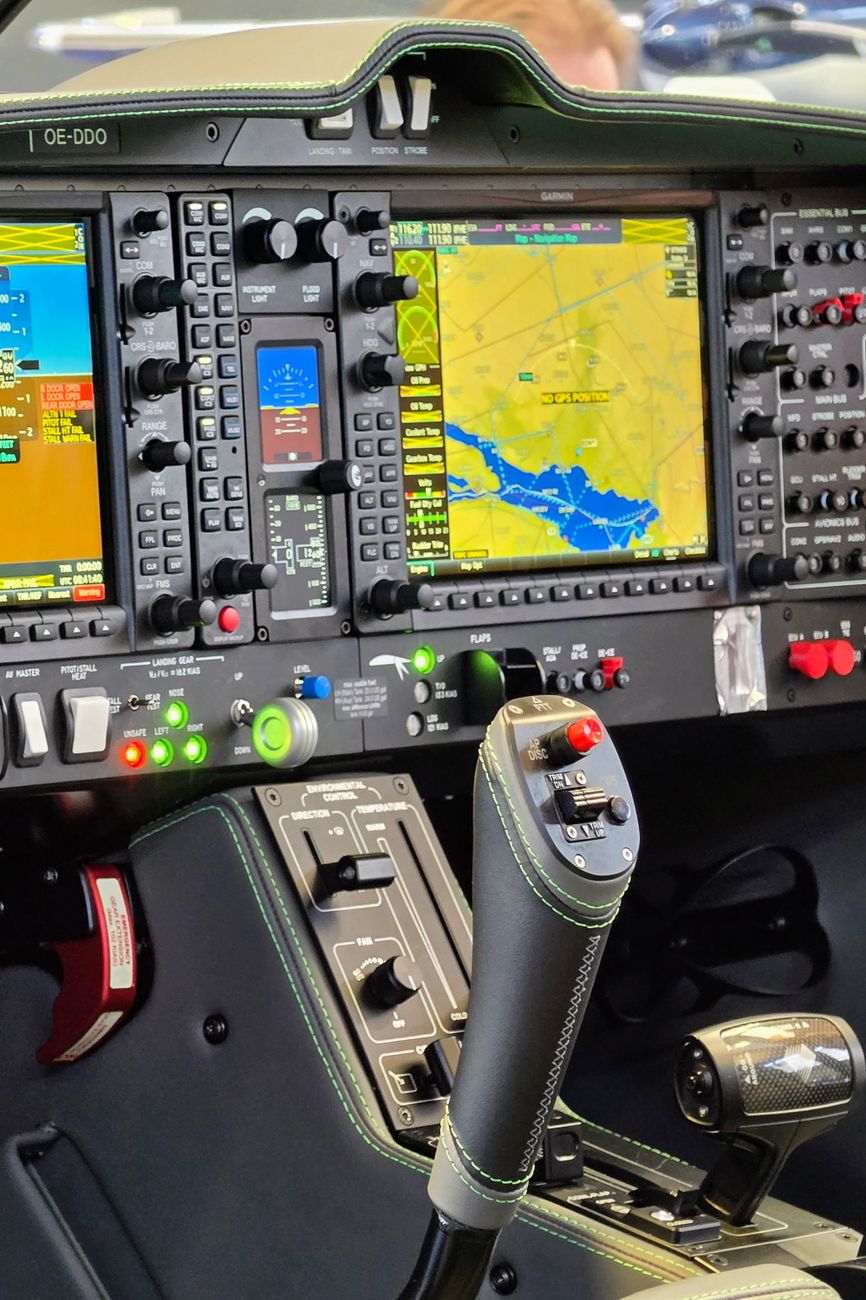
For context, this assessment should be considered alongside the method used to set other scheduled tasks. Read how aircraft maintenance check intervals are determined for more on AMP requirements, reliability data and utilisation.
When a recommendation becomes scheduled work
An SB becomes scheduled work when the operator’s approved maintenance system assigns it a controlled maintenance requirement.
This may occur when the CAMO:
- adds the SB to the AMP;
- creates a task card or work package with a due date or threshold;
- establishes a repetitive interval;
- links the SB to a component control programme; or
- adopts it through an approved engineering or technical procedure.
Once incorporated, the action is no longer merely an untracked manufacturer recommendation. It becomes part of the operator’s controlled maintenance obligations, subject to the terms under which it was introduced.

For example, an operator may decide that an optional modification should be embodied at the next suitable C check. The SB may remain optional in the regulatory sense, but the operator’s approved AMP now contains a planned task. It must therefore be scheduled, resourced, completed and recorded in accordance with the organisation’s procedures.
If the task cannot be completed at the planned opportunity, the organisation must manage the situation through its approved escalation, postponement or deviation process. The fact that the SB was originally optional does not permit the scheduled task to disappear from the maintenance system.
The role of the CAMO
Under the UK and EASA continuing-airworthiness frameworks, the CAMO is responsible for managing the assessment and control of applicable maintenance requirements within its scope. The EASA continuing-airworthiness information provides useful regulatory context for this responsibility.
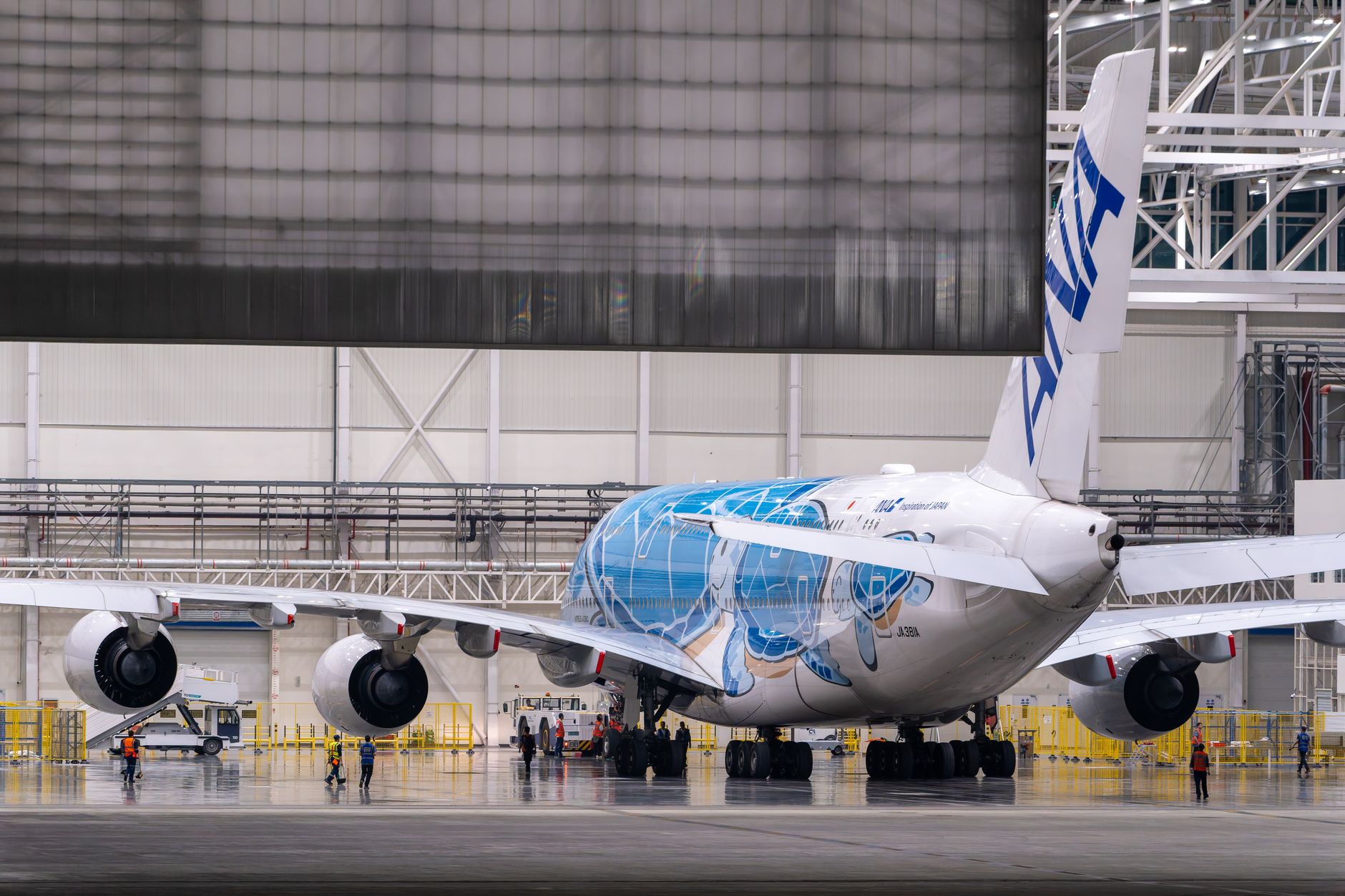
This includes ensuring that:
- SBs and related technical publications are received and reviewed;
- applicability is correctly determined;
- mandatory requirements are identified;
- AMP amendments are properly controlled and approved;
- due dates and repetitive intervals are accurately calculated;
- maintenance planning reflects the aircraft configuration;
- work is assigned to an appropriately approved maintenance organisation; and
- completed work is supported by acceptable technical records.
For many commercial operators, this process is integrated with a reliability programme. Repeated defects, removals or operational findings may cause an optional SB to receive greater priority. Conversely, a review may show that an existing task already controls the relevant risk, provided that the technical justification is acceptable and applicable regulatory requirements continue to be met.
The CAMO must distinguish between an engineering preference and an airworthiness requirement. A manufacturer’s recommendation may be persuasive and technically valuable, but it cannot be described as a statutory requirement unless the relevant legal basis has been established.
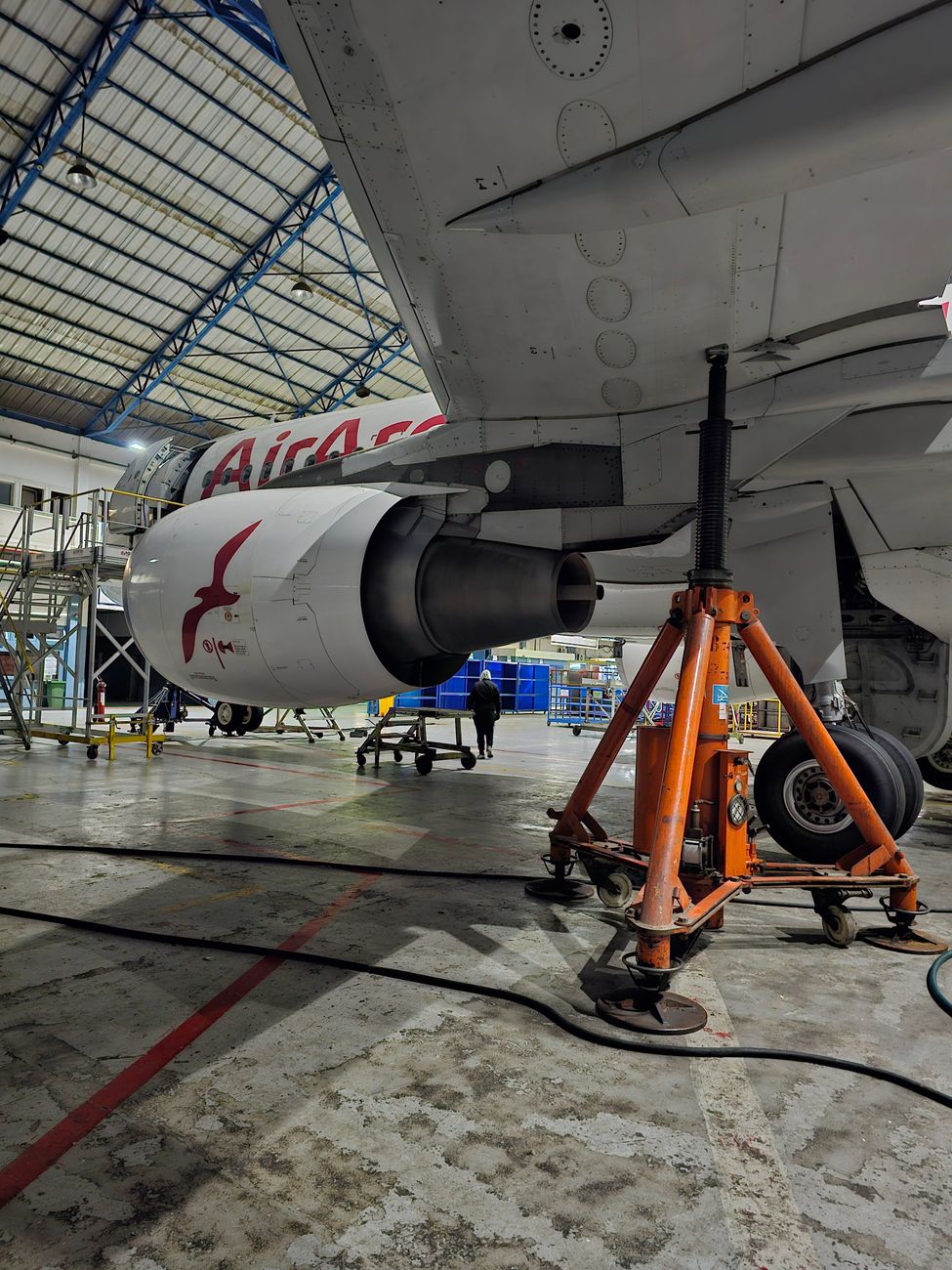
The role of the Part-145 organisation
A Part-145 organisation normally performs the SB embodiment rather than deciding the operator’s overall continuing-airworthiness policy.
Its responsibilities include:
- confirming that the work package contains the correct SB revision;
- verifying aircraft or component effectivity;
- ensuring that required parts, materials and tooling are available;
- using appropriately authorised personnel;
- following the approved data and maintenance instructions;
- recording deviations, defects and additional findings; and
- issuing the appropriate certificate of release to service when the work is satisfactorily completed.
The Part-145 organisation must not treat an SB as a generic instruction that can be adapted without control. If embodiment identifies a need for alternative parts, revised procedures or additional work, the organisation must use approved or otherwise acceptable data through its established technical process.

Practical compliance also depends on clear responsibilities, sound handovers and effective escalation. Where an SB task is divided between teams or locations, technical records should show exactly what was completed, by whom and under which revision of the approved data. A fair reporting culture can help teams raise discrepancies before they become compliance issues. See Just Culture in Aircraft Maintenance for related guidance.
AMP approval and regulatory oversight
The route for approving an AMP depends on the aircraft, operation and applicable regulatory framework.
For aircraft operating under the UK framework, the AMP must be established and controlled in accordance with applicable UK continuing-airworthiness requirements and the procedures accepted or approved by the UK CAA, as applicable. Under the EASA system, the relevant Part-M or Part-ML provisions and competent-authority arrangements apply.

In practice, the CAMO may operate an approved procedure for making certain AMP changes without submitting every amendment individually to the authority. That does not remove the need for a robust technical assessment. The procedure must identify who is authorised to make the decision, what records are required and when competent-authority involvement is necessary.
A regulator is likely to examine whether the organisation can demonstrate:
- why the SB was considered;
- how applicability was established;
- who made the decision;
- what technical data supported the decision;
- whether the AMP was amended correctly;
- how the task was planned;
- whether the work was completed within the approved interval; and
- whether records provide a complete audit trail.
The practical challenge is often not reading the regulation. It is understanding the regulatory intent and applying it consistently through planning, documentation and control. A process that is formally compliant but cannot show how SB decisions were made will create avoidable findings and reduce confidence in the organisation.

Service Bulletins, ADs and approved data
An SB may contain the manufacturer’s recommended method for accomplishing a modification or inspection. However, the organisation must still confirm that the data is approved or acceptable for the intended work.
Where an AD mandates compliance with an SB, the AD may specify the applicable revision or permit later revisions under defined conditions. The organisation must follow the AD’s wording, rather than assume that the latest SB revision automatically replaces the version identified by the AD. The FAA Airworthiness Directives database offers a useful international comparison, but US requirements should not be substituted for the rules applicable to a UK or EASA aircraft.
Where an SB is optional, the operator may need to establish an approved design change, engineering order or other acceptable technical basis, depending on the nature of the work and the applicable aircraft approval framework.

This distinction is particularly important where the SB changes the aircraft configuration. Embodiment may affect:
- weight and balance;
- aircraft manuals;
- wiring or structural records;
- equipment lists;
- component life limits;
- aircraft configuration data; and
- future maintenance requirements.
The SB task is not complete until the associated continuing-airworthiness records and configuration data have been updated. Where release documentation or component status is affected, organisations should also understand the distinction between national and EASA release documents. Our guide to EASA Form 1 after Brexit explains the relevant UK organisation considerations.
Managing repetitive SB inspections
Some SBs introduce repetitive inspections rather than a one-time modification. These tasks must be controlled with the same discipline as other scheduled maintenance.

The AMP or associated task-control system should define:
- the initial compliance point;
- the repeat interval;
- any grace period or tolerance;
- the inspection method;
- the findings classification;
- required corrective action;
- escalation arrangements; and
- the terminating action, if one exists.
A repetitive SB inspection can be particularly vulnerable to administrative error. The initial task may be completed correctly, but the next due date may be calculated from the wrong aircraft hours, cycles, calendar date or component installation event.
For that reason, SB control should be integrated with the same planning and forecasting systems used for other AMP tasks. Every completion should be supported by accurate task cards, certification, findings and updated due-status information.
What happens when the aircraft changes operator?
SB status must remain visible during aircraft transfers, leases and changes of maintenance provider.
The receiving CAMO should review:
- open SBs;
- completed and partially completed SBs;
- repetitive inspections;
- embodiment status;
- approved deviations;
- parts fitted under the SB;
- applicable AD relationships; and
- any operator-specific SB commitments.
A task that was optional for one operator may have been incorporated into that operator’s AMP and contractual obligations. The new operator must establish its own continuing-airworthiness position rather than assume that the previous operator’s decision automatically applies.
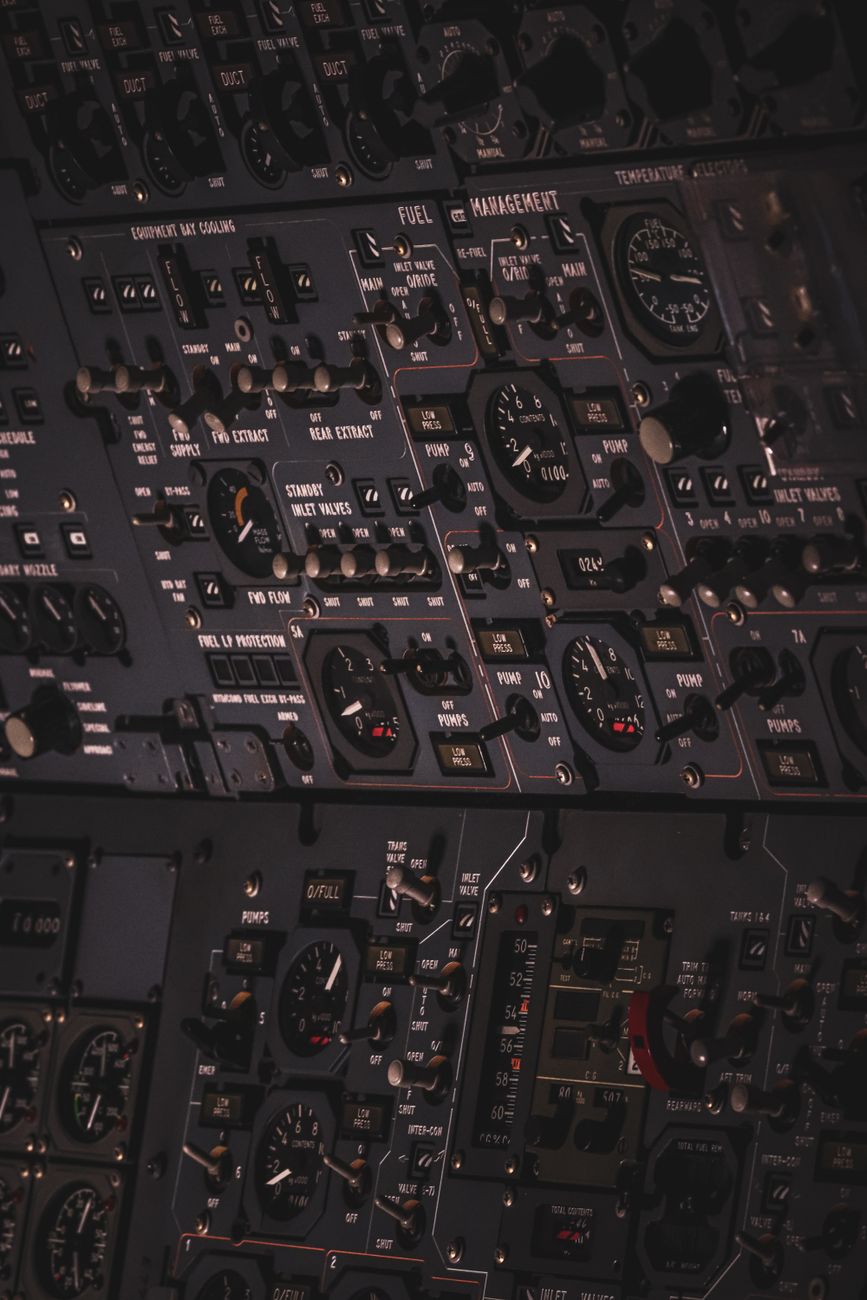
Accurate records are therefore essential. Missing SB evidence can lead to unnecessary repeat inspections, delays in maintenance input or uncertainty over the aircraft’s configuration. Records should be legible, attributable, traceable and retained in accordance with the applicable continuing-airworthiness procedures.
Keep your Part 66 experience records organised while managing maintenance documentation: Analyse Your Logbook Today!
UK, EASA and international distinctions
The principles are broadly recognisable across aviation jurisdictions, but the legal route differs.

In the UK, operators and maintenance organisations work within the UK CAA regulatory framework, including UK Part-145 and the applicable UK continuing-airworthiness requirements. EASA-regulated aircraft and organisations operate under the relevant EASA rules, which may include EASA Part-145 and Part-M or Part-ML provisions.
The FAA system provides a useful international comparison, but its rules should not be treated as the default for UK or EASA operations. In the United States, an FAA AD is mandatory under the US regulatory system, while an SB may become enforceable through an AD, approved maintenance requirements or other applicable obligations. An FAA-certified A&P mechanic may perform relevant work within the privileges and limitations of the US system. That is distinct from certification and authorisation under UK CAA or EASA Part-66 and Part-145 arrangements.
The controlling question is always: which authority, approval basis and operating rules apply to the aircraft and organisation concerned?

A practical SB-to-scheduled-work process
A controlled process can be summarised as follows:
- Receive and register the SB.
- Check the revision, effectivity and relationship with any AD.
- Assess technical and operational significance.
- Determine whether the action is mandatory, recommended, already covered or not applicable.
- Record the technical decision and its justification.
- Amend the AMP or controlled task system where required.
- Plan the work with the approved Part-145 organisation.
- Confirm parts, tooling, approved data and personnel authorisations.
- Accomplish and certify the work.
- Update aircraft, component, configuration and continuing-airworthiness records.
- Monitor repetitive requirements and verify closure during audits or reviews.
This process prevents a common failure: treating SB control as a technical-library activity rather than a continuing-airworthiness responsibility.
Key takeaway
A Service Bulletin begins as a manufacturer’s technical recommendation. It becomes scheduled work when the applicable regulatory, contractual or operator-controlled maintenance system gives it a defined place in the aircraft’s maintenance programme.
The difference between an SB and an AD must be preserved, but so must the organisation’s responsibility to assess every relevant SB properly. In a UK or EASA environment, effective control depends on the CAMO’s technical decision-making, the AMP’s approval and configuration control, and the Part-145 organisation’s disciplined execution and certification.
The strongest maintenance systems do not ask only, Is this SB mandatory? They also ask: What risk does it address, does it apply to this aircraft, what approved decision has been made, and how will that decision remain controlled throughout the aircraft’s life?



Login or register to join the conversation.
Join the discussion
0 comments