


.jpg)
If you’re a licensed aircraft engineer, mechanic, or avionics technician, create your free AeroTechCareers profile to showcase your competencies and be found by recruiters actively searching for engineers like you.
EASA Part-66 Category C licence explained: requirements, responsibilities, and career route
Becoming a licensed aircraft maintenance engineer is a significant achievement. Becoming a Category C certifying engineer means taking responsibility for the overall certification of an aircraft after base maintenance.
This is a senior certification role. The engineer must confirm that the complete maintenance input has been properly planned, performed, inspected, documented, and released in accordance with applicable requirements.
This guide explains the EASA Part-66 Category C licence, including the experience requirements, academic route, responsibilities, privileges, and career path typically followed by engineers who want to reach this level. The EASA Part-66 framework provides the regulatory basis for these licences.
Important: EASA Part-66 applies within the EASA regulatory system. If you intend to work on aircraft registered in the UK, you may need a UK CAA Part-66 licence instead. The two systems are closely related, but their licences are not automatically interchangeable. Engineers comparing authorities should also review this guide to choosing an EASA competent authority for a Part-66 licence. For current UK requirements, consult the UK CAA Part-66 guidance.
What is an EASA Part-66 Category C licence?
An EASA Part-66 Category C licence authorises an aircraft maintenance engineer to issue a certificate of release to service after base maintenance, subject to the applicable licence ratings, organisation approval, and employer authorisation.
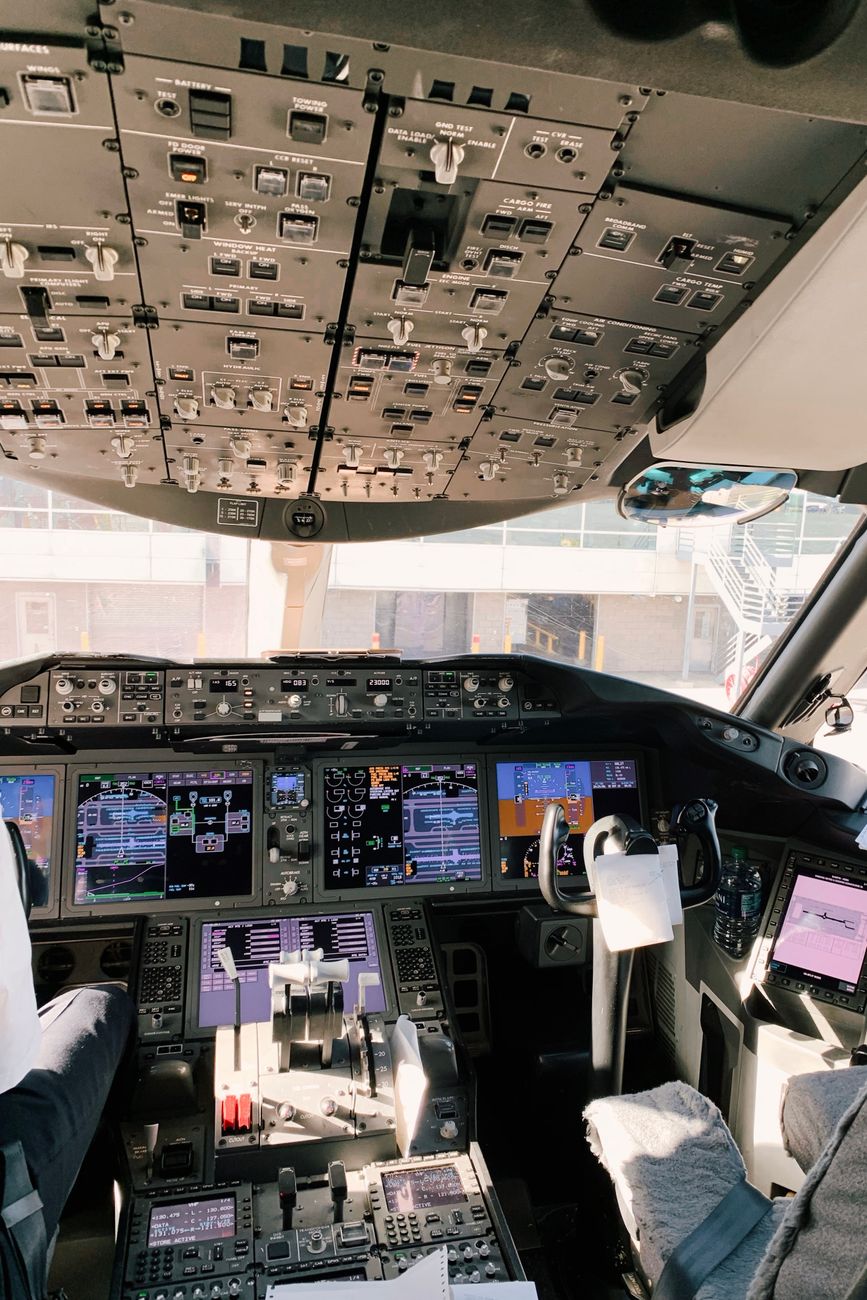
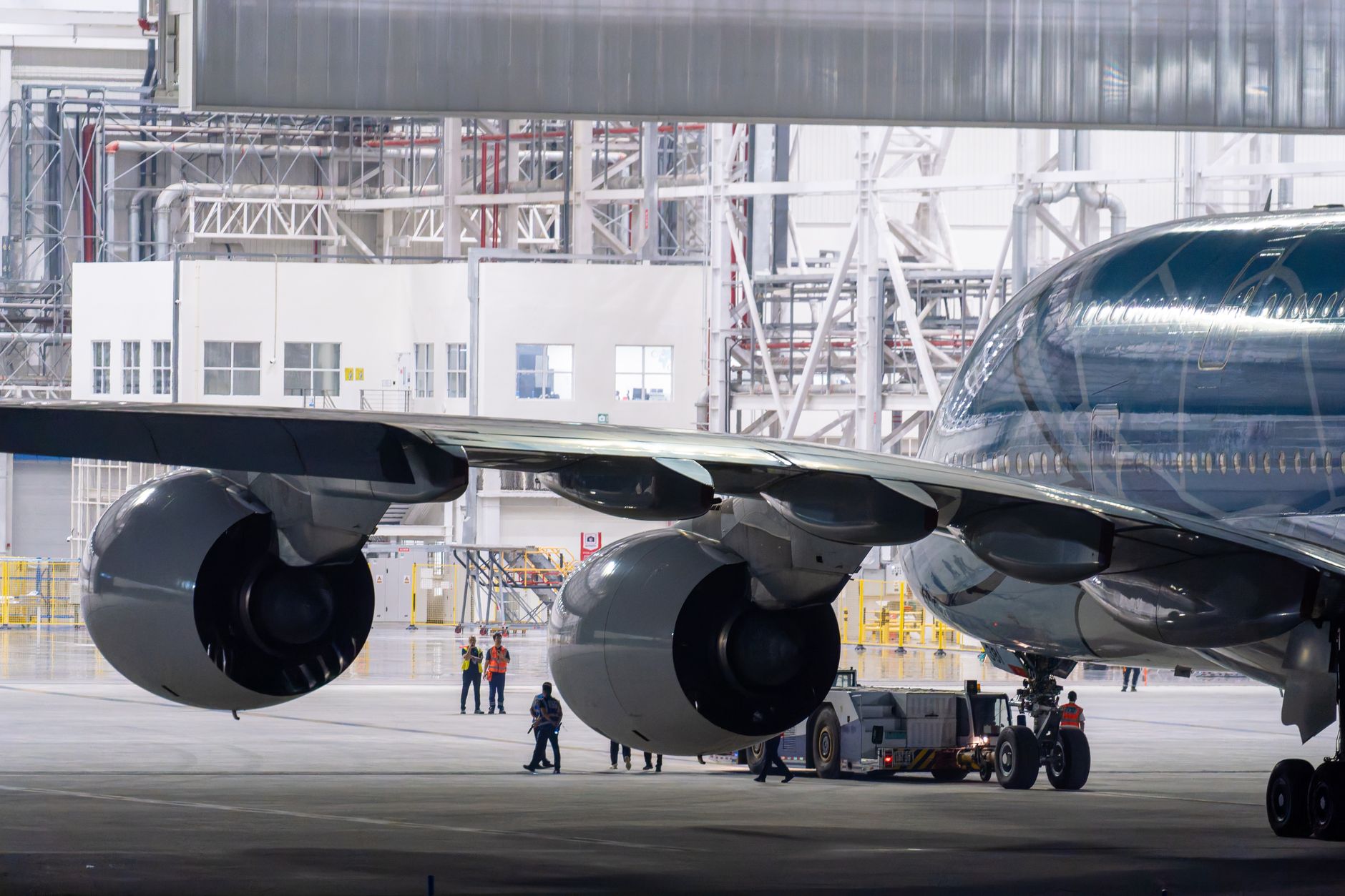
Base maintenance generally involves substantial maintenance carried out away from the normal day-to-day operating environment. It may include:
- Heavy checks
- Major inspections
- Structural repairs
- Significant component replacement
- Aircraft modifications
- Extensive defect rectification
- Maintenance packages requiring the aircraft to remain in a hangar for an extended period
A Category C licence holder is often described as base maintenance certifying staff. The holder reviews the complete maintenance input, confirms that the required work has been properly performed, and certifies that the aircraft is ready to return to service.
What does a Category C engineer do?
A Category C engineer is responsible for the overall certification of the base maintenance event. This does not necessarily mean personally carrying out every maintenance task.

Category C engineers commonly work with:
- Category B1 mechanical certifying engineers
- Category B2 avionics certifying engineers
- Category A line maintenance engineers
- Aircraft mechanics and technicians
- Specialist workshops
- Planning and production teams
- Quality and compliance departments
- Airline representatives and operators
The practical maintenance work is normally performed and certified by appropriately authorised personnel. The Category C engineer verifies that the complete package has been managed correctly.
Typical responsibilities include:
- Reviewing the work package: checking that the correct maintenance instructions, inspection requirements, engineering orders, and approved data have been used.
- Confirming task completion: ensuring that all scheduled and additional maintenance tasks have been completed and properly signed off.
- Reviewing defects and rectification: confirming that defects identified during the maintenance input have been rectified, deferred correctly, or otherwise addressed in accordance with approved procedures.
- Checking independent inspections: ensuring that required duplicate or independent inspections have been completed by authorised personnel.
- Verifying parts, tools, and documentation: reviewing the use and certification of replacement parts, tooling, materials, and relevant technical records.
- Co-ordinating B1 and B2 certification: ensuring that the appropriate mechanical and avionics certifying staff have certified the work within their privileges.
- Issuing the certificate of release to service: signing the final release once satisfied that the aircraft is airworthy and the maintenance has been completed in accordance with applicable requirements.
The role depends on technical knowledge, organisation, communication, and professional judgement, not simply mechanical ability.
Category C compared with other Part-66 categories
Part-66 categories are broadly divided according to the type and scope of certification privileges. The current EASA continuing airworthiness rules should be checked before making an application, as regulatory requirements and guidance can change.
Category A
Category A certifying staff generally certify limited, straightforward line maintenance tasks within their authorisation. Their privileges are normally restricted to specific tasks and do not extend to the full certification of complex base maintenance inputs.
Category B1
Category B1 engineers specialise in the mechanical and systems aspects of aircraft maintenance. Depending on the licence subcategory, they may certify work involving:
- Airframe structures
- Engines
- Mechanical systems
- Hydraulic and pneumatic systems
- Flight controls
- Electrical systems associated with mechanical maintenance
A B1 licence can support certification in both line and base maintenance, subject to the engineer's ratings, type training, company authorisation, and other applicable conditions.
Category B2
Category B2 engineers are avionics certifying staff. Their expertise covers areas such as:
- Aircraft electrical systems
- Instrumentation
- Communication systems
- Navigation systems
- Automatic flight systems
- Integrated avionics
- Electronic aircraft systems
B2 engineers certify within their own privileges and may support both line and base maintenance activities.
Category C
Category C engineers certify the aircraft following completion of base maintenance as a whole. They rely on the work and certifications of the relevant maintenance personnel, but remain responsible for confirming that the complete maintenance event has been properly controlled and released.
A Category C licence is therefore not simply a more advanced version of a B1 or B2 licence. It represents a different certification function, focused on the overall maintenance input.
Category C experience requirements
The precise route depends on the applicant's background, licence category, aircraft type, and whether the aircraft is considered large or other than large under the applicable rules.
Applicants must demonstrate relevant and recent experience. This experience should be supported by reliable records rather than a general employment statement. Before submitting evidence, review common CAP 741 logbook mistakes that can delay a licence application.
The standard professional experience route
A commonly applied route requires:
- At least three years working in a Category B1 or B2 support role, or as a line maintenance certifying engineer
- At least 12 months of that experience in a base maintenance certifying role
The base maintenance experience is particularly important. Category C is a base maintenance certification licence, so the evidence must demonstrate that the applicant understands how base maintenance is planned, performed, inspected, controlled, and documented.
Evidence may include:
- A Part-145 personal authorisation certificate
- Employer confirmation
- Maintenance authorisation records
- An aircraft maintenance logbook
- Detailed task records
- Other supporting documentation accepted by the competent authority
A vague statement that someone worked in maintenance is unlikely to be sufficient. The authority needs to establish what the applicant did, in which environment, and under which privileges.

The academic route to Category C
There is also an academic route for applicants who hold a relevant technical degree. The degree must be in an appropriate technical discipline and awarded by a university or other higher education institution recognised by the competent authority.
Relevant subjects may include:
- Aeronautical engineering
- Aircraft maintenance engineering
- Mechanical engineering
- Electrical or electronic engineering
- Avionics
- Other closely related technical disciplines
A degree alone does not grant a Category C licence. The applicant must still satisfy the applicable Part-66 knowledge and practical experience requirements.
Large aircraft: B1.1, B1.3, or B2 background
An applicant may need:
- Three years of experience exercising Category B1.1, B1.3, or B2 privileges on large aircraft
- Three years working as support staff under the relevant Part-145 requirements
- A combination of both
Large aircraft: B1.2 or B1.4 background
Applicants with a B1.2 or B1.4 background may need:
- Five years of experience exercising those privileges on large aircraft
- Five years working as relevant support staff
- A combination of both
Other than large aircraft
For Category C privileges relating to aircraft other than large aircraft, the route may require:
- Three years of experience exercising B1 or B2 privileges on aircraft other than large aircraft
- Three years working as support staff
- A combination of both
The exact applicability of these routes depends on the licence application, aircraft category, and competent authority. Applicants should confirm the current interpretation with the authority responsible for issuing their licence before relying on a particular combination of education and experience.
What knowledge is required?
Category C applicants need a sound understanding of aircraft maintenance, even though the role focuses on overall certification rather than performing every individual task.
Required knowledge may be demonstrated through:
- Existing B1 or B2 licence modules
- Relevant Part-66 examinations
- A recognised academic qualification
- Approved training
- Previous maintenance experience, where accepted by the competent authority
Applicants preparing for the examination route may benefit from the Part-66 Module 13 B2 aircraft systems exam study guide, particularly when strengthening systems knowledge.
Many engineers reach Category C after first obtaining a B1 or B2 licence. This route provides a strong technical foundation and direct experience of certifying maintenance tasks.
An engineer who already holds a B1 or B2 licence may have an advantage when applying for Category C, particularly if they have accumulated substantial base maintenance experience on appropriate aircraft.
A typical career route to Category C
There is no single career path, but the following route is common.

Step 1: Build an aircraft maintenance foundation
Most engineers begin with:
- Relevant school or college qualifications
- An approved aircraft maintenance course
- An apprenticeship
- A technical degree
- Practical employment in an aircraft maintenance organisation
Training normally covers mathematics, physics, electrical fundamentals, materials, maintenance practices, human factors, aviation legislation, and aircraft systems.
Step 2: Gain practical maintenance experience
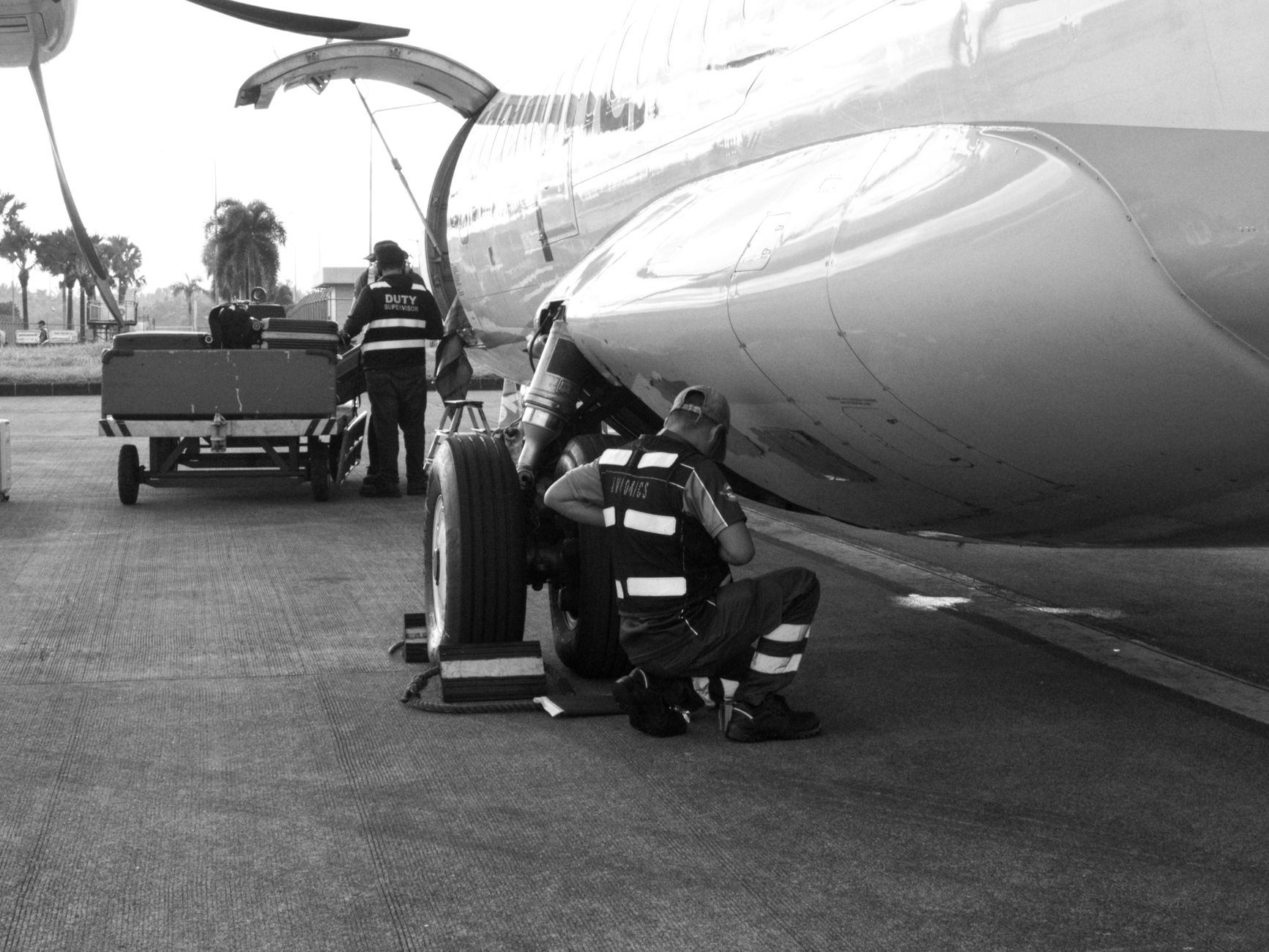
After training, the engineer develops practical experience in a Part-145 organisation, airline, independent maintenance provider, or another approved environment.

This stage connects theoretical knowledge with operational practice. Aircraft maintenance involves more than understanding how a system works. Engineers must also work safely, follow approved technical data, manage documentation, and understand the consequences of a missed or incorrectly completed task.
Step 3: Obtain B1 or B2 certification privileges
Many Category C engineers first qualify as:
- B1.1 or B1.3 engineers for turbine-powered aircraft
- B1.2 or B1.4 engineers for piston-powered aircraft
- B2 avionics engineers
The relevant licence rating and aircraft experience depend on the type of maintenance environment in which the engineer works.
Step 4: Move into base maintenance
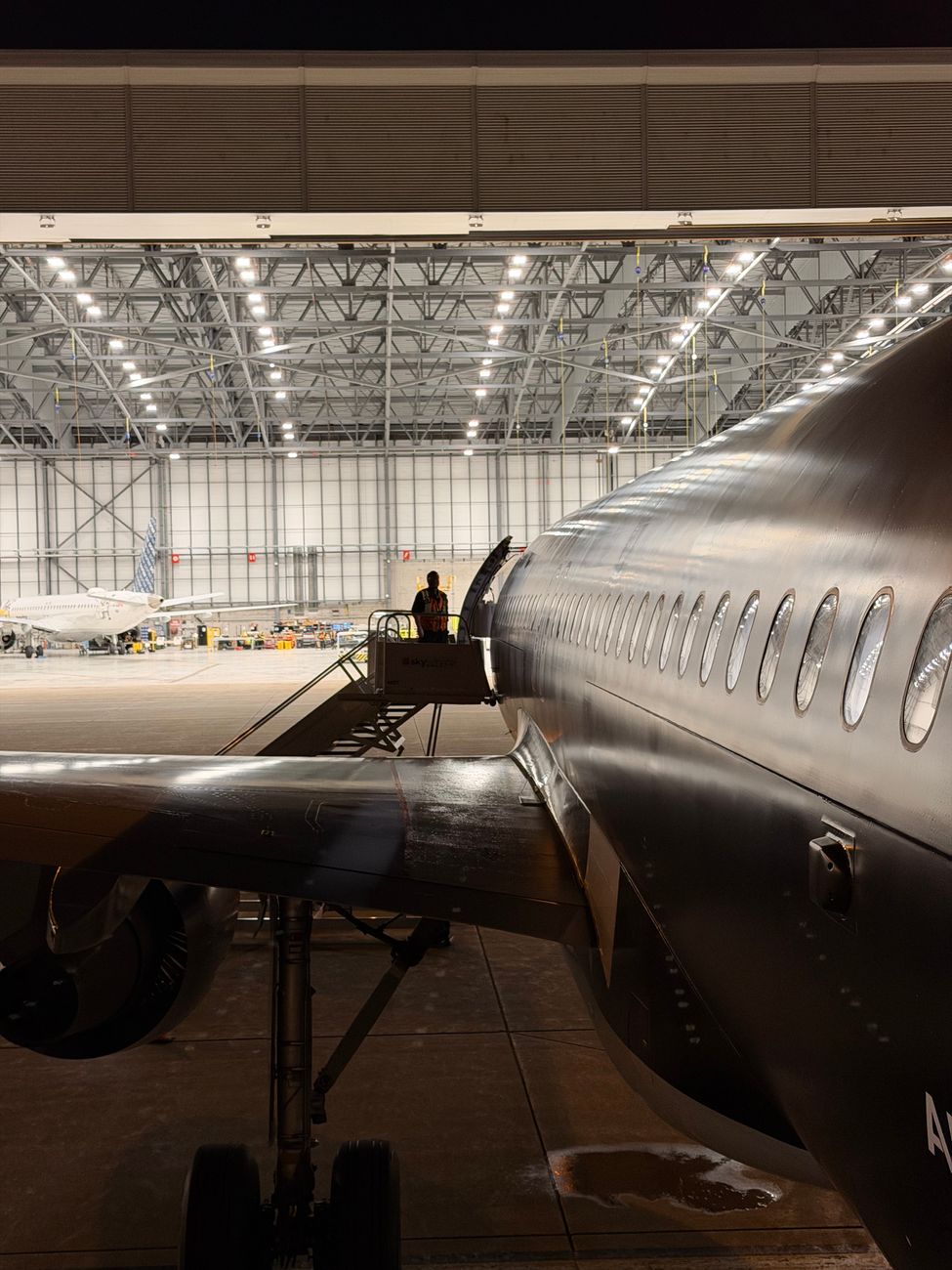
The engineer then builds experience in a base maintenance environment, often progressing through roles such as:
- Mechanic or technician
- Support staff
- B1 or B2 certifying engineer
- Base maintenance certifying engineer
- Maintenance supervisor
- Production or project lead
- Category C certifying engineer
This is the stage at which the applicant develops the judgement needed to assess an entire maintenance input rather than an isolated task. Engineers considering this progression can compare EASA OJT approval for UK Part-145 organisations and its relevance to structured development.
Step 5: Apply for the Category C licence
The application normally includes:
- Licence application forms
- Proof of identity
- An existing Part-66 licence, where applicable
- Examination or module evidence
- Academic certificates, if using the academic route
- Detailed employment and experience records
- Evidence of base maintenance certification
- Part-145 authorisation records or equivalent supporting documentation
The competent authority assesses whether the applicant meets the applicable knowledge, experience, and documentation requirements.
Step 6: Obtain organisation authorisation
Holding a Part-66 Category C licence is not the same as being authorised to certify for a particular employer.
A Part-145 organisation will normally need to issue its own authorisation. This may depend on:
- Aircraft type or fleet
- Company procedures
- Recent experience
- Familiarisation training
- Human factors and safety training
- Competence assessments
- Knowledge of the organisation's maintenance system
The licence establishes regulatory privileges. The organisation authorisation allows the engineer to exercise those privileges for that organisation and within its approved scope.
What Category C does not mean
A Category C licence does not automatically mean that the holder can certify every aircraft or every maintenance event.
Privileges may be limited by:
- Aircraft category
- Aircraft type ratings
- Licence restrictions
- Recent experience
- Employer authorisation
- Maintenance organisation approval
- The scope of the work performed
- The engineer's actual competence
A Category C engineer should never sign a release solely because they hold the licence. They must be satisfied that the work has been completed correctly and that they have the appropriate authorisation and information to make the certification.
Why engineers pursue Category C
The route is demanding, but it can lead to a senior and influential career.
Category C engineers may work in:
- Commercial airlines
- Independent Part-145 maintenance organisations
- Aircraft completion and modification facilities
- Military and civil aviation support
- Maintenance planning
- Quality and compliance
- Continuing airworthiness organisations
- Technical services
- Maintenance management
The role can also provide a pathway into senior operational and management positions. Category C engineers develop a broad understanding of aircraft maintenance, production control, regulatory compliance, technical records, and safety management.

To estimate how experience, location, and seniority may affect earning potential, use the Aircraft Engineer Salary Calculator.
Final thoughts
The Part-66 Category C licence is for engineers who can assess more than individual maintenance tasks.
It requires technical knowledge, substantial experience, evidence of base maintenance competence, and the judgement to make a final certification decision based on the complete maintenance record.
For many engineers, the most practical route is to qualify first in B1 or B2, build experience on appropriate aircraft, move into base maintenance, and apply for Category C once the required experience has been documented.
The result is a senior certification role at the centre of aircraft safety, reliability, and return-to-service decisions.



Login or register to join the conversation.
Join the discussion
0 comments