

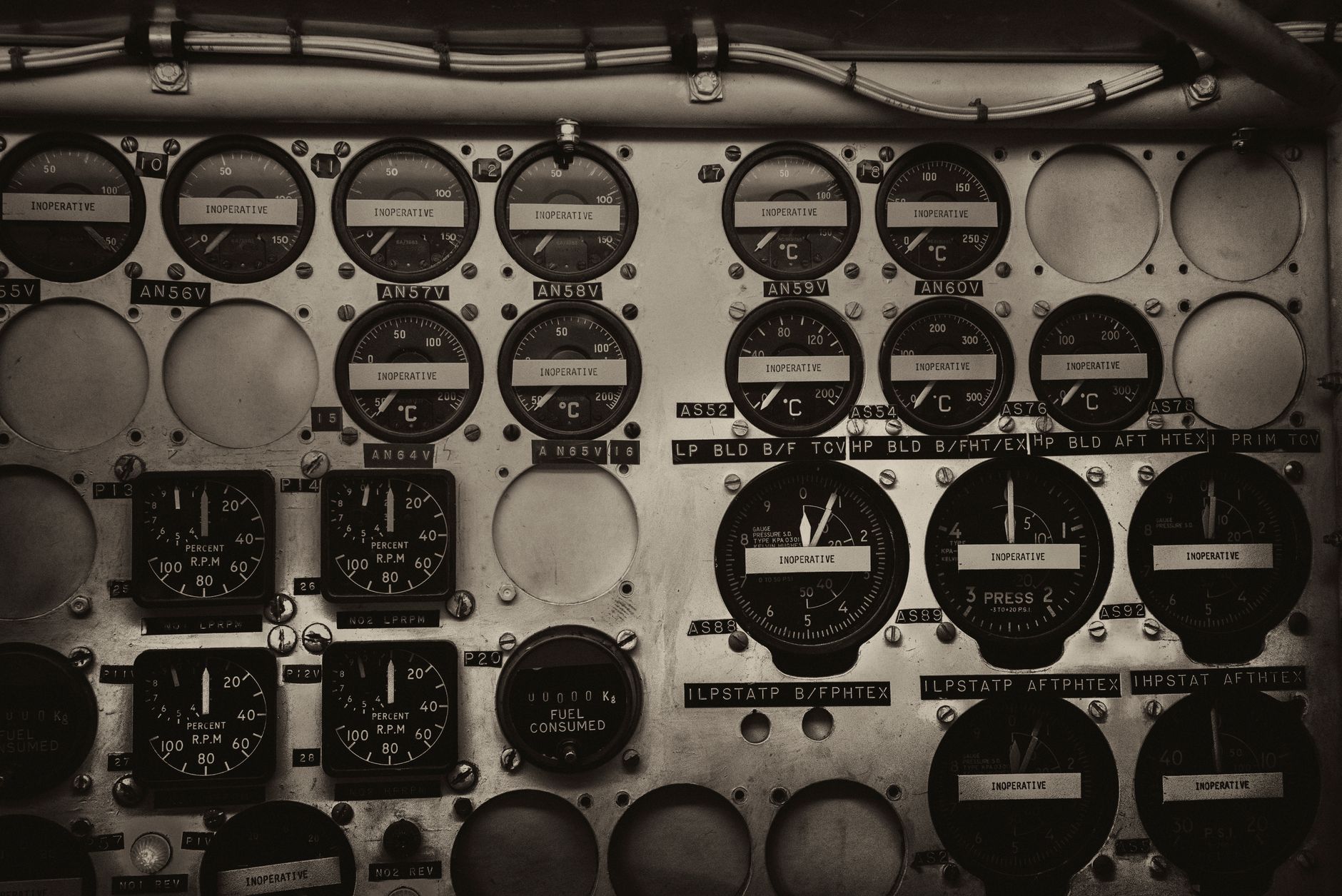
.jpg)
If you’re a licensed aircraft engineer, mechanic, or avionics technician, create your free AeroTechCareers profile to showcase your competencies and be found by recruiters actively searching for engineers like you.
MEL vs CDL: The Practical Difference Between Inoperative and Missing Aircraft Items
Aircraft can sometimes operate safely with certain equipment inoperative or with approved external parts missing. This is possible only when the condition is covered by the applicable Minimum Equipment List (MEL), Configuration Deviation List (CDL), or another approved programme. Operators should always follow the applicable regulatory framework, such as EASA air operations requirements.
Although these documents are often discussed together, they address different situations:
- An MEL provides relief when installed equipment is inoperative.
- A CDL provides relief when certain approved external parts are missing.
Understanding the distinction is important for pilots, maintenance technicians, dispatchers, engineers, and anyone preparing for a career in aviation. For broader maintenance career guidance, read a day in the life of an aircraft mechanic.
What is the MEL?
The Minimum Equipment List (MEL) is an operator-specific document that identifies which installed aircraft items may be inoperative while the aircraft continues to operate under defined conditions.
An item may be inoperative because it has failed, been damaged, or been removed for maintenance. The aircraft cannot be dispatched simply because the item appears in the MEL. The relevant entry normally includes specific requirements, such as:
- Repair time limits
- Required maintenance procedures
- Operational procedures for the flight crew
- Restrictions on routes, weather, or aircraft performance
- Placarding or cockpit indications
- Requirements to secure, isolate, or deactivate the item
- References to an approved aircraft flight manual, where applicable
The MEL is intended to permit continued operation for the minimum period necessary until repairs are completed. Deferral is not a substitute for maintenance. It is an approved means of managing a known inoperative condition temporarily.

MMEL versus MEL
The Master Minimum Equipment List (MMEL) is developed for a specific aircraft model, generally with manufacturer and regulatory involvement. It establishes the baseline conditions under which certain items may be inoperative. The FAA regulatory framework provides an important reference for operators working under United States requirements.
An operator develops its own MEL from the applicable MMEL. The operator's MEL must be approved by the relevant aviation authority and may be more restrictive than the MMEL. It also reflects the operator's aircraft configuration, procedures, operating environment, and authorisations.
- MMEL: The model-level master document
- MEL: The operator's approved document used for actual aircraft dispatch
What does “inoperative” mean?
An item is generally considered inoperative when it does not perform its intended function, even if it remains physically installed on the aircraft.

Examples may include:
- A cabin reading light that does not illuminate
- A radio that has failed while other required communications equipment remains available
- A galley component that does not function
- A redundant navigation or indication system
- A warning or monitoring system that has been properly deferred
An MEL entry may also use the phrase “considered inoperative” in the Remarks or Exceptions column. This means that the item must be treated as inoperative for MEL purposes, even if it has not completely failed in the ordinary sense.
The entry may require the item to be deactivated, secured, removed, or otherwise rendered unavailable. Flight crews and maintenance personnel must follow the exact procedures and limitations specified in the approved MEL.

The term is not a general permission to disregard an item. It applies only within the conditions established by the relevant MEL entry. SKYbrary's overview of Minimum Equipment Lists also reinforces the importance of using approved procedures and limitations.
What is the CDL?
The Configuration Deviation List (CDL) addresses a different condition. It permits certain externally exposed aircraft parts to be missing while the aircraft remains airworthy.
A CDL is developed by the aircraft manufacturer for a particular aircraft model and approved by the FAA or another appropriate authority. It is tailored to the aircraft's external configuration and identifies missing, generally nonstructural parts that may be acceptable for flight under specific conditions.
The CDL evolved from what was historically known as a missing parts list. Such lists were developed after operators established that certain nonstructural external parts could be absent without immediately making the aircraft unsafe, provided the effects were understood and controlled.
Examples of parts that may be addressed by a CDL include certain:
- Fairings
- Access panels or covers
- Inspection doors
- Antenna fairings
- Small aerodynamic surface components
- Nonstructural external trim or fittings
The items permitted under a CDL vary by aircraft model. A part must never be assumed to be acceptable merely because it appears minor or cosmetic.
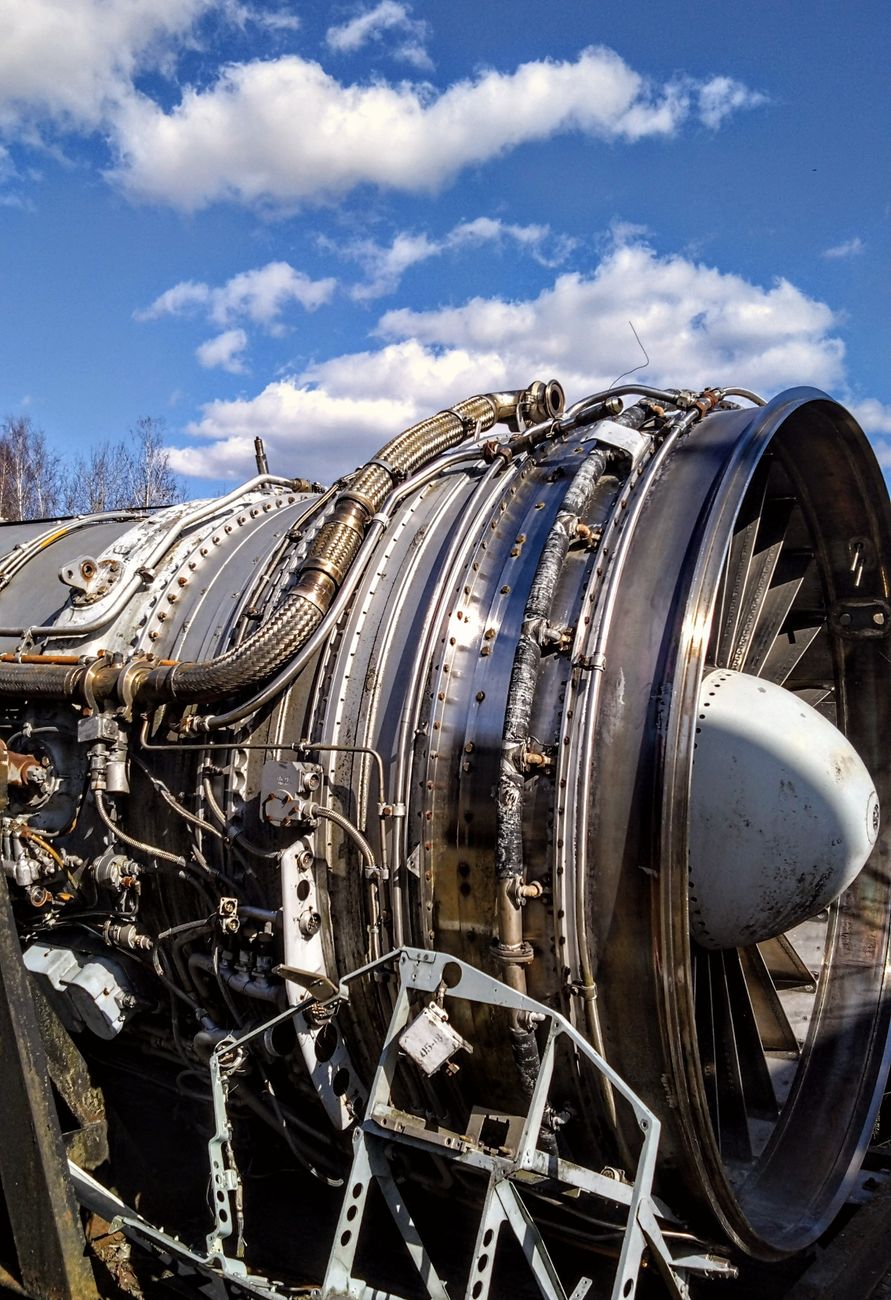
How a CDL prevents a missing part from becoming a safety problem
A CDL does not simply state that a part may be missing. It defines the conditions under which the aircraft may continue to operate.
Those conditions may include:
- Airspeed limitations
- Altitude restrictions
- Weather limitations
- Performance penalties
- Increased fuel requirements
- Restrictions on take-off or landing
- Required inspections
- Required placards or maintenance actions
- Deadlines for restoring the aircraft to its normal configuration
A missing external part may affect drag, airflow, weight, balance, noise, or aircraft performance. The CDL accounts for those effects by establishing appropriate restrictions and limitations.

A flight may therefore be legal and safe with a missing approved component, but only when the aircraft complies with the applicable CDL entry and all associated procedures.
MEL versus CDL: The practical difference
- Primary condition: The MEL applies when an installed item is inoperative. The CDL applies when an external item is missing.
- Typical location: The MEL covers systems, equipment, furnishings, and components throughout the aircraft. The CDL generally covers externally exposed, nonstructural parts.
- Main purpose: The MEL permits limited operation until repair. The CDL permits operation with an approved external configuration deviation.
- Key controls: The MEL relies on maintenance and flight crew procedures, deactivation, and time limits. The CDL relies on performance penalties, operating limits, inspections, and configuration restrictions.
- Source: The MEL is an operator document based on the applicable MMEL. The CDL is developed by the manufacturer and approved by the relevant authority.
- Typical example: An MEL example is a failed redundant radio or inoperative cabin system. A CDL example is a missing fairing or approved external cover.
The simplest way to remember the distinction is this: the MEL manages something that is installed but not working, while the CDL manages something that is allowed to be missing.
What if a part is both missing and inoperative?
In some cases, an item may appear to relate to both documents. For example, an external component may be installed but damaged, or it may have been removed and left absent.

The applicable document depends on the aircraft condition and the wording of the approved provisions. A missing external nonstructural part may fall under the CDL, while an installed system or component that does not function may fall under the MEL.
Maintenance control, flight crews, and dispatch personnel must identify the correct procedure rather than selecting whichever document appears more convenient.
The MEL and CDL are not interchangeable. A CDL cannot normally provide relief for an inoperative system, and an MEL entry does not automatically authorise an external part to be removed or left missing.

The role of the AFM, RFM, and POH
Some MEL procedures and limitations rely on information contained in the aircraft's approved flight manual.
Depending on the aircraft and operation, this may be the:
- Aircraft Flight Manual (AFM)
- Rotorcraft Flight Manual (RFM)
- Pilot's Operating Handbook (POH)
The applicable document should be identified in the operator's MEL when relevant. This enables pilots and maintenance personnel to locate the correct performance data, limitations, or operating instructions associated with a deferred item.

The FAA requires an approved flight manual for aircraft type certification, with applicable requirements found in regulations including 14 CFR parts 21, 23, 25, 27, and 29. When an MEL entry depends on flight manual information, that relationship must be clear and usable in day-to-day operations.
Where does NEF fit in?
An operator's MEL programme may also include a Nonessential Equipment and Furnishings (NEF) programme.
NEF items are installed as part of the original type certificate, supplemental type certificate, engineering order, or another approved alteration, but they are not required for safe operation under the applicable certification or operating rules.

An NEF item may be inoperative, damaged, or missing without affecting the aircraft's ability to operate safely under the relevant conditions. Examples may include certain nonessential cabin furnishings or convenience features.
NEF relief applies only when the operator has an approved NEF programme under its operations specifications or management specifications. An item cannot be treated as NEF merely because it is inconvenient, cosmetic, or not needed by the flight crew.
NEF items are also distinct from items already identified in the MEL or CDL. Each category has its own approval basis and procedures. Engineers managing compliance should also understand Part 66 logbook requirements when documenting relevant maintenance experience and activities.

Why the distinction matters
Correctly identifying an aircraft condition as an MEL, CDL, or NEF issue affects:
- Dispatch legality
- Maintenance actions
- Flight planning
- Aircraft performance
- Crew briefings
- Repair deadlines
- Regulatory compliance
- Passenger and crew safety
A missing fairing may require a CDL performance correction. A failed instrument may require an MEL procedure. A broken passenger convenience item may qualify under an NEF programme. Treating one condition as another can result in incorrect limitations, missed maintenance actions, or an unlawful dispatch. For a practical example of managing unscheduled damage, see this guide to the AOG protocol for engine cowling damage.
Conclusion
The MEL and CDL both support safe, controlled aircraft operations, but they address different problems.

The MEL provides approved relief for certain inoperative installed items, usually for a limited period while repairs are arranged. The CDL provides approved relief for certain missing, externally exposed, nonstructural parts, while imposing any necessary performance penalties or operating restrictions.
Neither document is a blanket authorisation to fly with defects. Each condition must match an approved entry, and all maintenance, operational, and time-limit requirements must be followed.
Together with the MMEL, approved flight manuals, and, where authorised, an NEF programme, these tools help operators maintain safety while managing the practical demands of aircraft maintenance and daily aviation operations.




Login or register to join the conversation.
Join the discussion
0 comments