

If you’re a licensed aircraft engineer, mechanic, or avionics technician, create your free AeroTechCareers profile to showcase your competencies and be found by recruiters actively searching for engineers like you.
How to Start a Career in General Aviation Aircraft Maintenance
Introduction
General aviation aircraft maintenance covers private aircraft, flying schools, air taxis, aerial work, business aviation and light helicopter operations. Unlike large commercial fleets, general aviation organisations often operate with smaller teams, varied aircraft types and maintenance programmes that require engineers to work across several technical disciplines.
A successful entry into the sector requires more than passing examinations. Employers look for practical competence, accurate maintenance records, sound regulatory judgement and the ability to work independently without compromising safety.
In the UK and Europe, the main licensing frameworks are UK CAA Part-66 and EASA Part-66. The relevant framework depends on where you intend to work, the aircraft involved and which organisation will issue your authorisation.
Understand the UK and EASA Licensing Framework
UK CAA Part-66
Following the UK’s departure from the European Union, the UK CAA administers the UK Part-66 aircraft maintenance licence. This licence is relevant to engineers seeking certification privileges under UK-regulated maintenance organisations and aircraft. Review the UK CAA Part-66 guidance before choosing a training route.
For many general aviation engineers, Category A can be a relevant starting point. Depending on the licence structure and aircraft environment, a Category A licence may support certification of defined line-maintenance tasks once the required examinations, experience and organisation-specific authorisation have been completed.

A licence is not, by itself, permission to certify every task on every aircraft. The engineer must work within an approved maintenance organisation and hold the appropriate company authorisation, aircraft familiarisation and task competence.
EASA Part-66
EASA Part-66 remains the applicable framework for EASA Member States and organisations operating under EASA approval. An engineer intending to work in both the UK and the European Union should establish early whether they need a UK licence, an EASA licence or separate recognition arrangements. EASA’s aircraft maintenance licensing information provides the relevant regulatory context.
UK and EASA licences should not be treated as automatically interchangeable. Recognition depends on the applicable bilateral arrangements, the aircraft, the maintenance organisation and the authority involved. Before committing to a training route, check the current requirements with the UK CAA or the relevant EASA Member State authority.
Part-147 training organisations
Part-147 organisations are approved to deliver aircraft maintenance training and examinations. Part-147 basic training can reduce the practical experience required for certain licence applications, provided that the course is approved for the relevant licence category and the applicant meets the remaining requirements. The CAA Part-147 information should be checked when assessing a provider.
Part-66 establishes the knowledge, examination and experience requirements for certifying staff. Part-147 provides an approved route for delivering much of the associated training and examination preparation. The two frameworks are related but are not the same. Completing a Part-147 course does not automatically result in a Part-66 licence or an aircraft type authorisation.
Choose an Entry Route
There are four common starting routes into general aviation maintenance.
1. Apprenticeship or trainee engineer position
An apprenticeship or employer-sponsored trainee position is often the most direct route into a general aviation maintenance organisation. It allows a new entrant to combine technical education with supervised work on operational aircraft.
When assessing an apprenticeship, confirm:
- Whether the employer is a UK CAA or EASA-approved maintenance organisation
- Which licence category the training supports
- Whether practical experience will be recorded and signed by appropriately authorised personnel
- Whether the programme includes Part-66 examinations
- Which aircraft types and maintenance activities are available
- Whether the organisation has a defined progression route after completion
A small maintenance organisation can provide excellent exposure to inspections, defect rectification, servicing, component changes and continuing airworthiness activities. However, the breadth and quality of experience can vary, so the training plan should be documented rather than assumed.
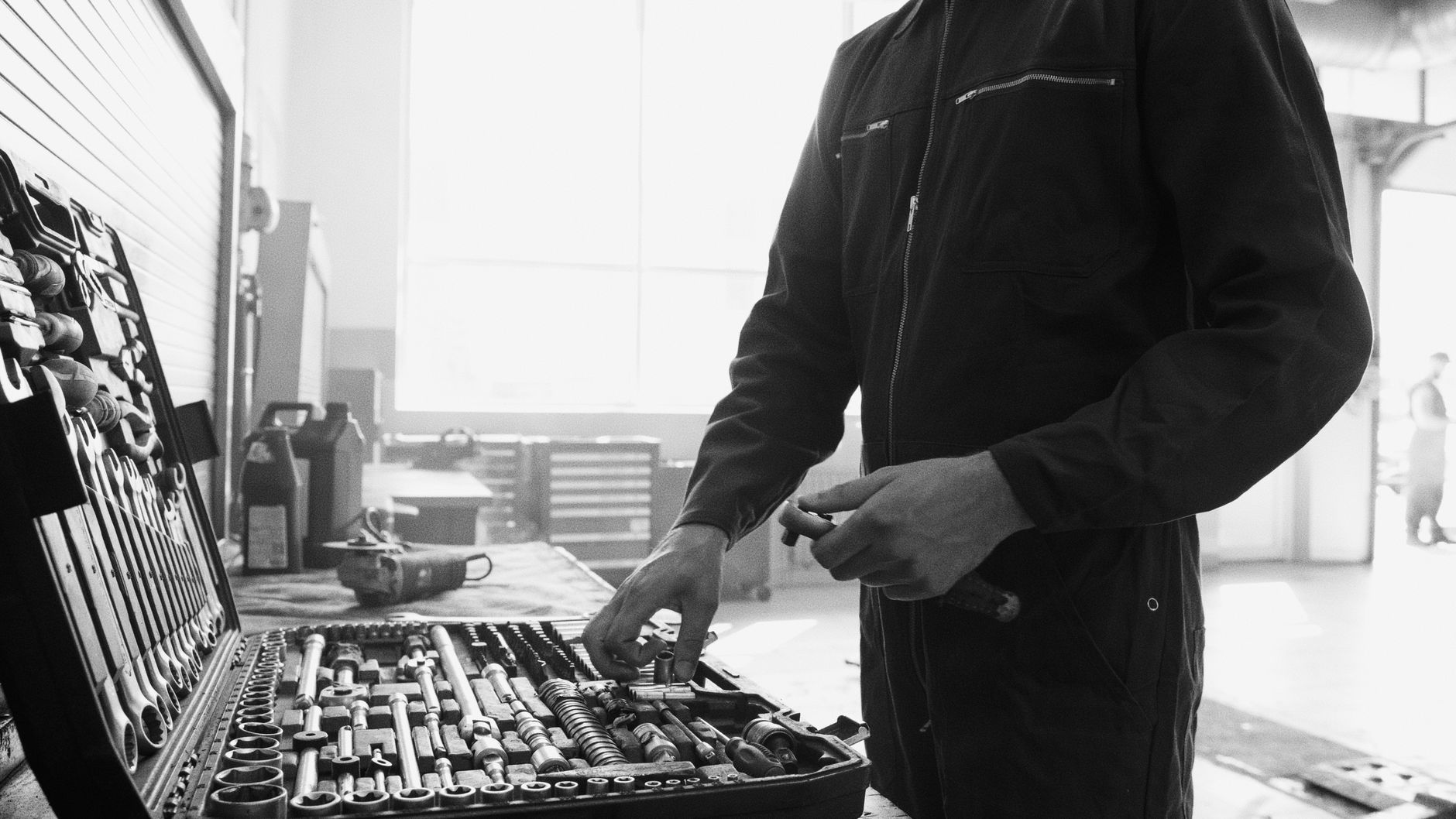
If you are comparing routes, read our guide to civilian and military aviation apprenticeships for a broader view of training, licensing and career progression.
2. Part-147 basic training
A Part-147-approved basic training course may suit candidates who want a structured route through the Part-66 examination syllabus. Courses commonly cover mathematics, physics, electrical fundamentals, materials, maintenance practices, human factors, aviation legislation and aircraft systems.
The practical experience requirement remains essential. The exact period depends on previous technical training and the licence category. Some applicants may become eligible for a UK CAA Category A licence after three years of practical experience, while other routes require longer. The applicable authority’s requirements must be confirmed for each individual case.

Ask the course provider to explain precisely:
- Which Part-66 modules are included
- Whether the approval is UK CAA Part-147 or EASA Part-147
- How much practical experience the course can support
- How experience must be recorded
- Whether the qualification is recognised by the intended licensing authority
A degree or higher technical qualification can develop broader engineering knowledge, but it does not remove the need to obtain suitable practical experience and satisfy the applicable Part-66 requirements. For a detailed examination strategy, see our Part-66 examination guide.
3. General engineering or technical trade route
Applicants with experience in mechanical, electrical, automotive, manufacturing or other technical trades may be able to transfer useful practical skills into aircraft maintenance. Employers value evidence of disciplined working methods, fault diagnosis, tooling control, technical drawing, inspection and quality assurance.
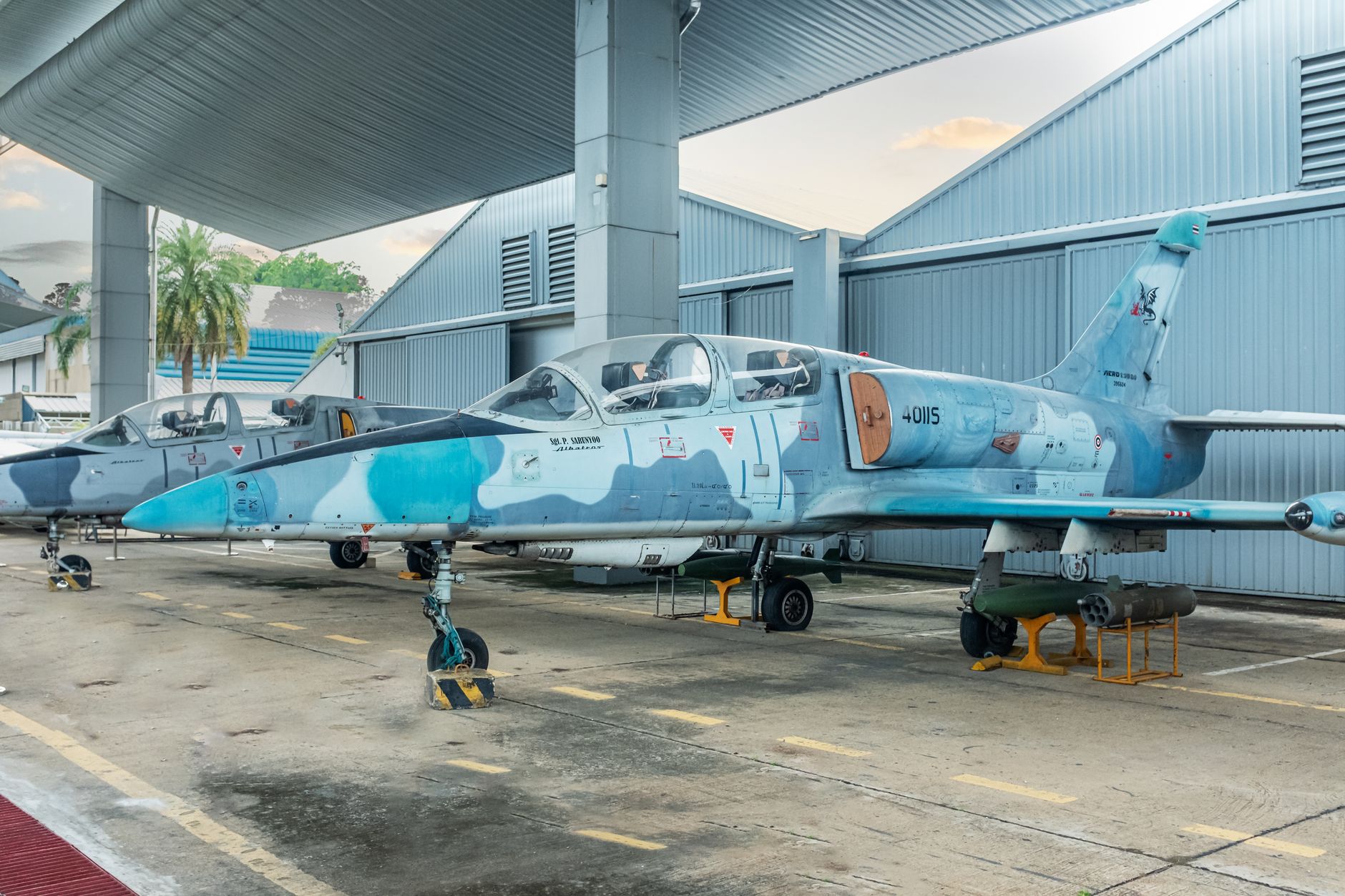
Technical trade experience does not automatically count as aircraft maintenance experience. The work must be relevant, properly documented and accepted by the licensing authority. Obtain written guidance before assuming that previous employment will reduce the Part-66 experience requirement.
4. Military engineering service
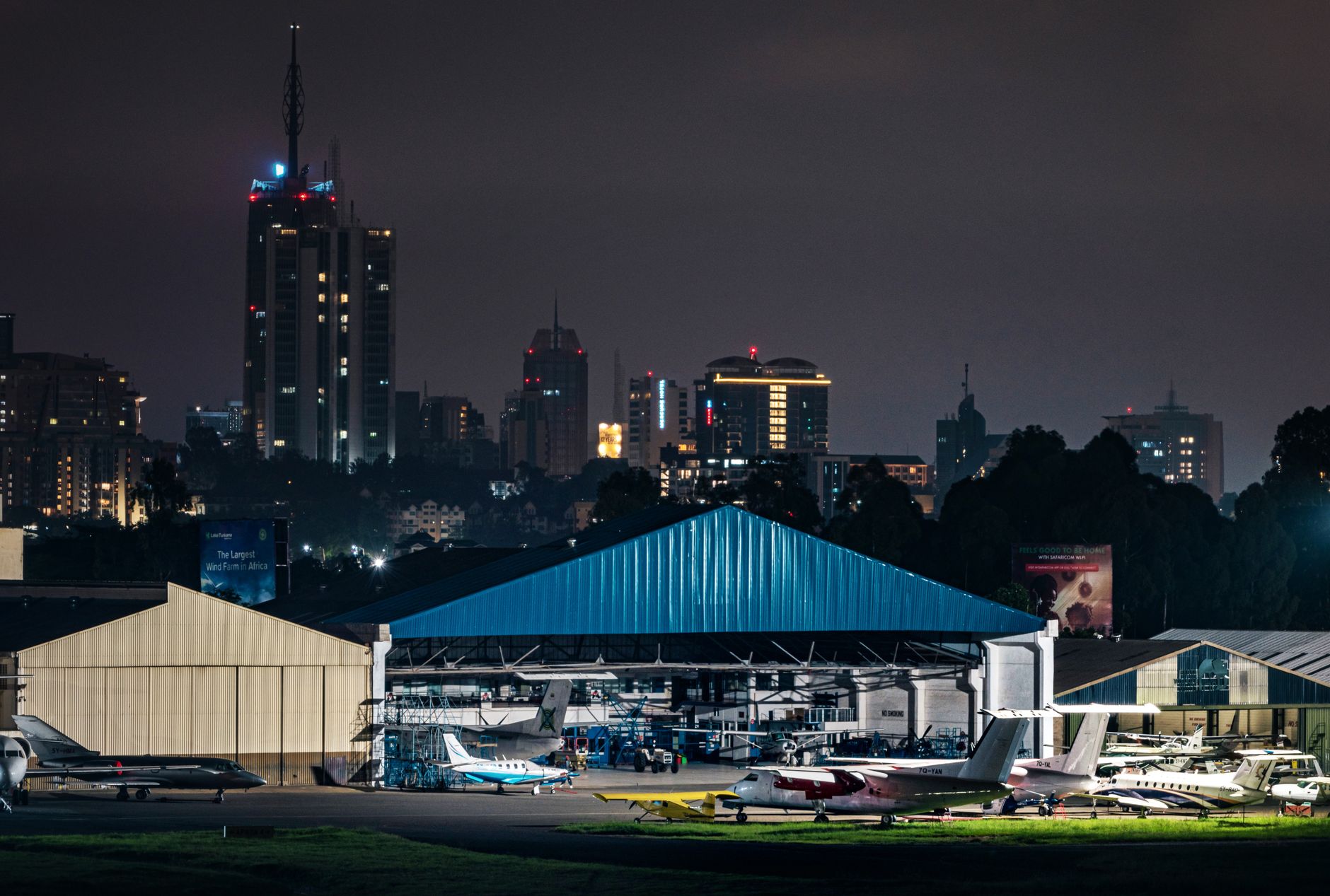
Military aircraft engineering can provide substantial practical experience, particularly in inspection, fault diagnosis, component replacement, technical documentation and operating procedures. Former service personnel should obtain formal evidence of their duties, aircraft exposure, trade training and dates of employment.
The UK CAA may recognise certain military experience and qualifications through applicable Ministry of Defence pathways. Recognition is not automatic. The authority will assess the evidence, the relevance of the work and the relationship between military qualifications and the requested civil licence category.
Useful evidence can include:
- Military trade certificates
- Statements of employment and service
- Aircraft type and system exposure
- Task records
- Training transcripts
- Supervisors’ statements
- A detailed military-to-civilian competency mapping
Build Experience on Operational Aircraft
General aviation employers need evidence that an applicant has worked on aircraft in service, not only in a classroom or workshop. Practical experience should cover the systems and maintenance tasks relevant to the intended licence category.
A new engineer should seek supervised exposure to:
- Scheduled inspections
- Daily and pre-flight checks
- Defect investigation
- Electrical and avionics troubleshooting
- Mechanical system maintenance
- Flight control inspections
- Engine and fuel system tasks
- Landing gear and braking systems
- Component replacement
- Functional tests
- Ground runs and post-maintenance checks
- Maintenance documentation and technical records
The objective is not simply to collect hours. The experience must demonstrate increasing competence and should be relevant to the aircraft and systems for which certification privileges may later be sought. Our guide to building qualifying Part-66 experience explains how to make that record more useful.
Maintain a Proper Maintenance Record
Applicants should keep a detailed personal record of practical experience from the first day of employment. The UK CAA’s CAP 741 logbook and associated guidance are important references for recording aircraft maintenance experience. Use the CAA CAP 741 logbook guidance alongside your employer’s procedures.
Entries should be clear enough to show:
- Aircraft registration and type
- Date and location
- Maintenance task performed
- Aircraft system or ATA chapter
- Whether the work involved inspection, defect rectification, component replacement or testing
- The applicant’s role
- The level of supervision
- The authorised person who validated the work
A vague entry such as “worked on aircraft” is unlikely to demonstrate meaningful experience. A stronger entry identifies the aircraft, task, system, maintenance data used and supervising engineer.

The logbook should be reviewed regularly with a supervisor or licensing adviser. Correcting gaps several years later can be difficult, particularly when personnel have left the organisation or records are no longer readily available.
Ready to check the quality and completeness of your experience record? Analyse Your Logbook Today with our Part 66 Logbook Analysis tool.
Consider the Category B2L Route Where Appropriate
For applicants focused on defined avionics and electrical systems on less complex aircraft, Category B2L may be relevant. It is a distinct licence category and should not be treated as a general substitute for every other Part-66 pathway.
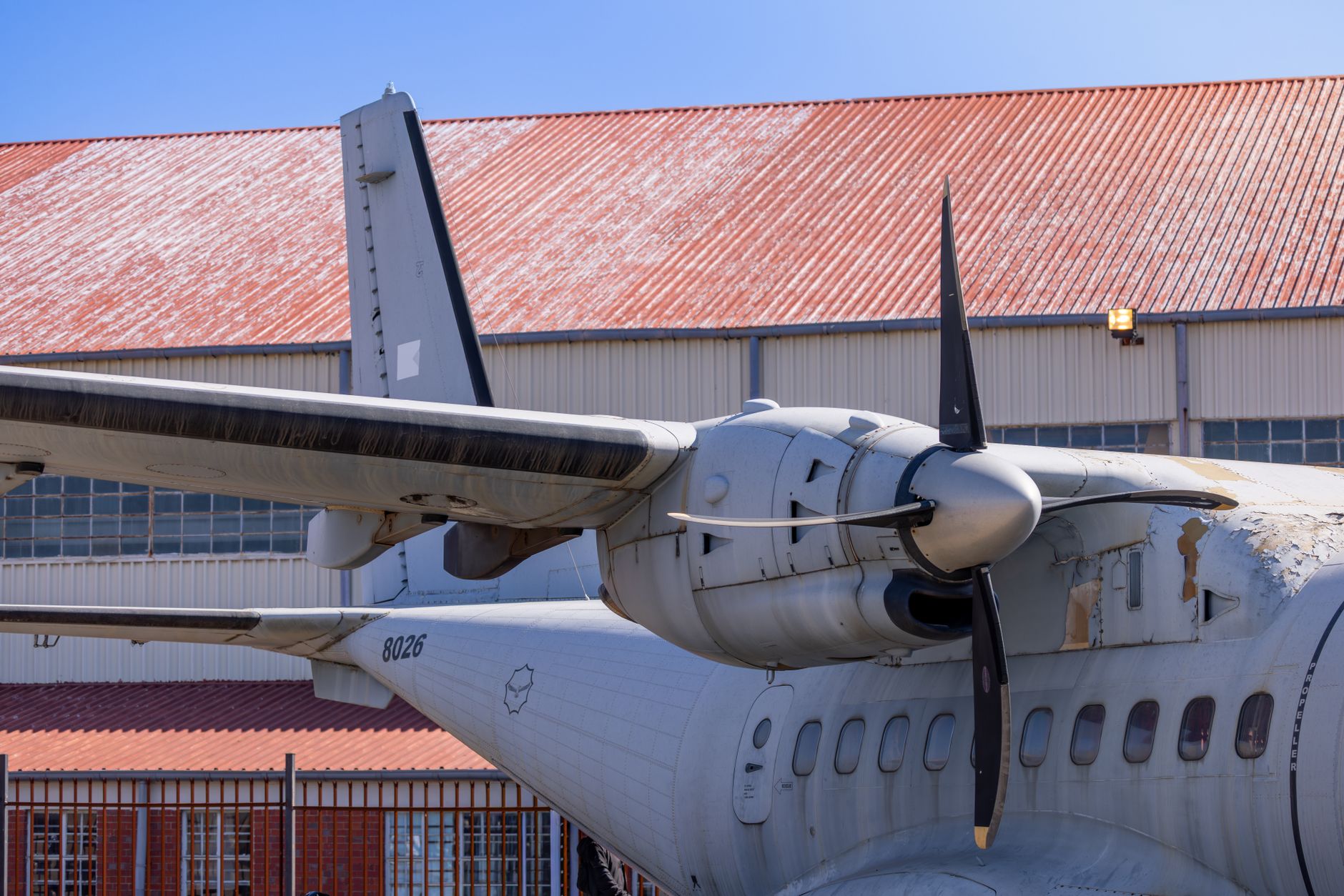
Applicants for Category B2L must demonstrate one of the applicable experience routes. Depending on previous training, this may include three years of practical maintenance experience on operating aircraft, two years with relevant technical training, or one year after completing an approved Part-147 basic training course. The exact route and system-rating requirements should be confirmed in the current CAA Part-66 requirements.
For the addition of a new system rating to an existing B2L licence, the applicant may need three months of practical maintenance experience relevant to each new system rating. Because B2L requirements are system-rating specific, candidates should identify the exact ratings they intend to pursue before selecting employment or training.
Obtain the Right Part-66 Examinations
Part-66 examinations provide the technical knowledge foundation for licensing. A general aviation candidate should select modules that match the intended licence category rather than accumulating unrelated examinations.

Preparation should include:
- Understanding the applicable module syllabus
- Using approved or recognised training material
- Practising examination-style questions
- Connecting theory with tasks performed at work
- Keeping records of examination passes and certificates
- Checking validity periods and authority-specific requirements
Technical knowledge is especially important in general aviation because engineers may work on older aircraft, modified aircraft and mixed fleets. The ability to interpret maintenance data and recognise the limits of an approved procedure is as important as memorising system information.
Develop the Skills General Aviation Employers Expect
General aviation organisations often have smaller maintenance teams than commercial airlines. An entry-level engineer may therefore need to communicate directly with the aircraft owner, pilot, continuing airworthiness organisation, inspector or maintenance manager.
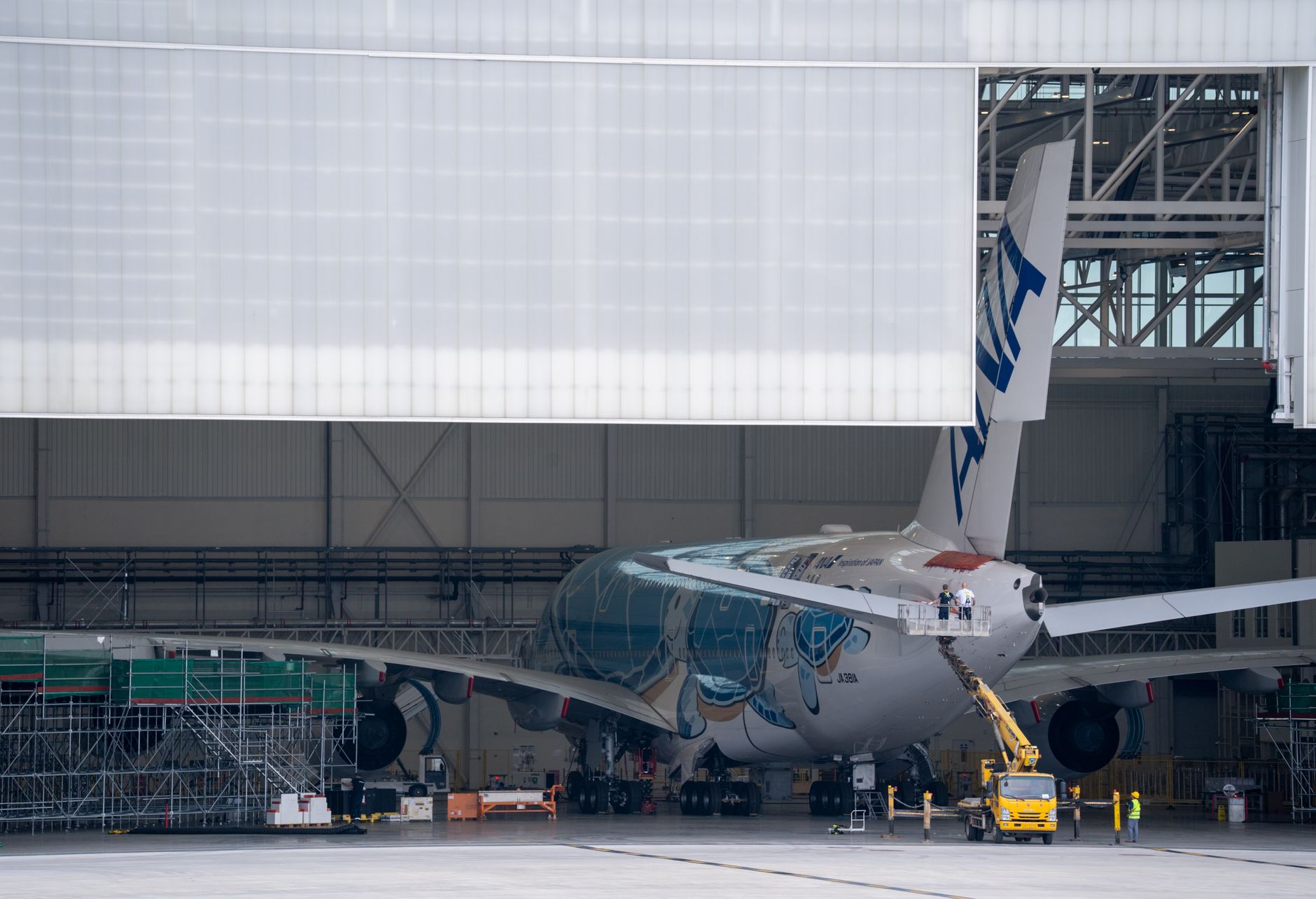
Employers commonly look for:
- Careful inspection and attention to detail
- Accurate technical records
- Safe use of tools and test equipment
- Understanding of approved maintenance data
- Clear defect reporting
- Practical fault-finding ability
- Respect for independent inspection requirements
- Professional communication with customers and flight crews
- Willingness to work flexibly around aircraft availability
- The judgement to stop work when information or parts are inadequate
Independent inspection is particularly important where a maintenance task could affect flight safety. Learn more about who can perform an independent inspection and how competence, authorisation and independence are controlled.
Influencing and negotiation skills also become important as an engineer gains responsibility. An engineer may need to explain why an aircraft cannot be released, challenge incomplete technical information or negotiate access to an aircraft without allowing commercial pressure to affect airworthiness decisions.
Apply for the Right First Job
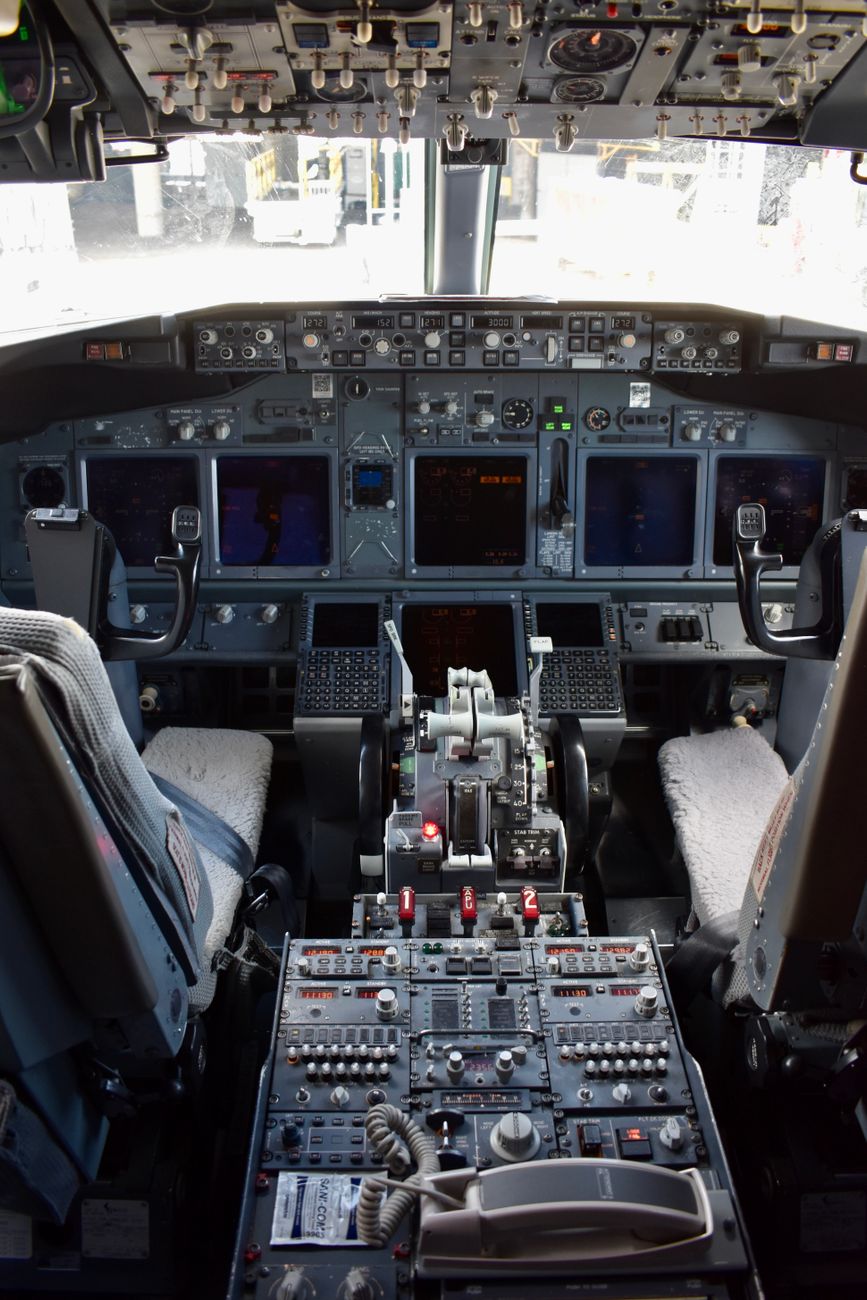
The best first job is not necessarily the one with the most attractive title. It is the position that provides controlled, documented access to relevant aircraft maintenance.
Search for roles such as:
- Aircraft maintenance apprentice
- Trainee aircraft engineer
- Junior maintenance technician
- General aviation maintenance technician
- Light aircraft mechanic
- Avionics trainee
- Workshop and aircraft maintenance assistant
During an interview, ask:
- Which aircraft types will I work on?
- Is the organisation approved by the UK CAA or EASA?
- Who will supervise and validate my maintenance experience?
- Can I maintain a CAP 741 logbook?
- Which Part-66 modules does the company support?
- Is there access to structured practical training?
- How are independent inspections and sign-off responsibilities controlled?
- What progression is available after the initial trainee period?
These questions demonstrate that the candidate understands the difference between gaining useful maintenance experience and merely being present in a hangar. Browse current aircraft mechanic jobs to compare potential entry points.

Prepare for the Interview
A strong applicant should be ready to discuss a practical maintenance task in a structured way:
- Identify the defect or scheduled requirement.
- Locate and verify the approved maintenance data.
- Make the aircraft and work area safe.
- Select the correct tools and equipment.
- Complete the task within the stated limits.
- Carry out the required inspections and functional tests.
- Record the work accurately.
- Escalate any discrepancy beyond the permitted scope.
Candidates should also be prepared to explain what they would do if they found an undocumented modification, a missing component history record, an unsuitable tool or a maintenance instruction that did not match the aircraft configuration. The correct response is normally to stop, preserve the aircraft’s status and seek authorised technical guidance rather than improvise.
Plan the First Five Years
Year one
- Obtain an entry-level maintenance position
- Begin or continue relevant Part-66 examinations
- Start a structured CAP 741 logbook
- Learn local procedures and safety controls
- Build experience on operational aircraft
Years two and three
- Increase the range and complexity of supervised tasks
- Complete the relevant examination modules
- Obtain documented exposure to the systems required for the intended licence
- Seek experience across inspections, defects and component maintenance
- Review progress with the licensing authority or an experienced licensing adviser
Years three to five
- Confirm that the experience meets the applicable UK CAA or EASA requirements
- Apply for the relevant licence when eligible
- Complete aircraft-specific familiarisation and company training
- Work towards organisational certification authorisation
- Continue developing technical and human factors competence
The timetable varies according to previous education, technical trade experience, military service, training route and the availability of relevant aircraft work. A course may accelerate examination preparation, but it cannot replace suitable practical maintenance experience.
Check the Current Authority Requirements
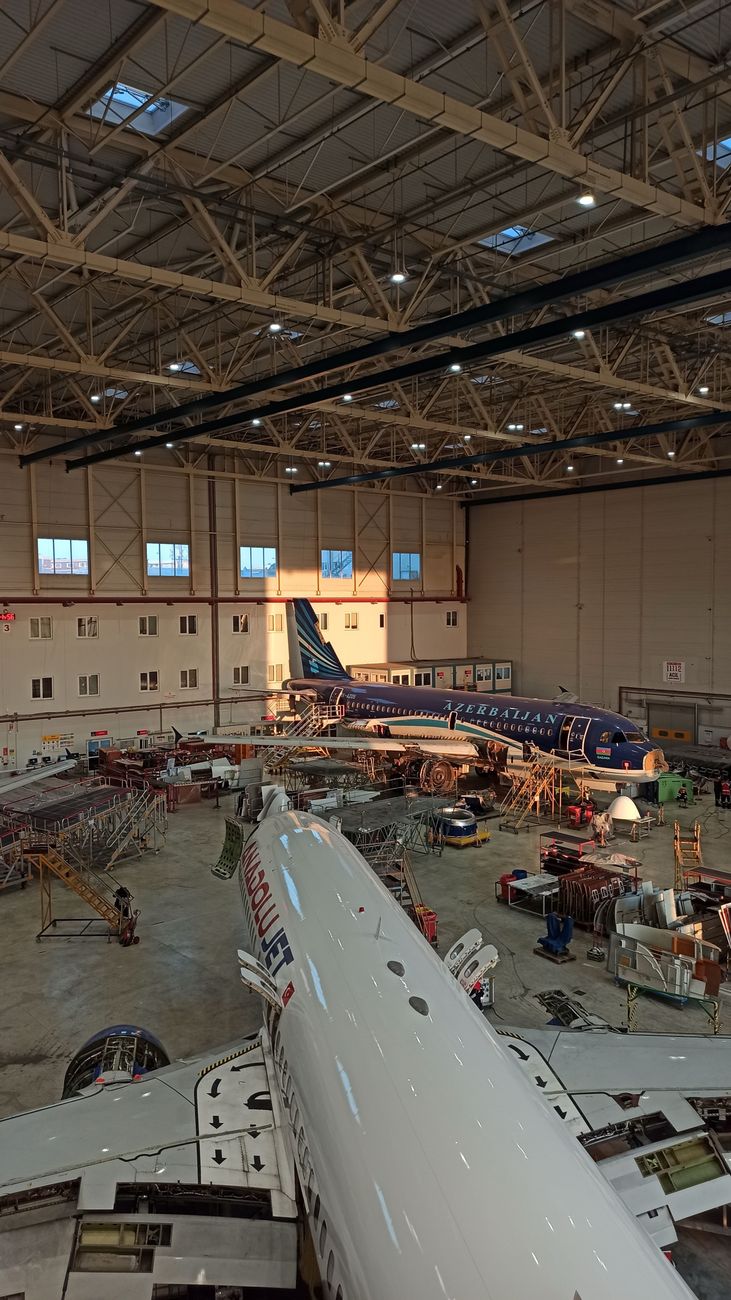
Licensing requirements can change, and the correct route depends on the authority, aircraft category, licence category and maintenance organisation. Before enrolling on a course or accepting a job, confirm the current position with:
- The UK Civil Aviation Authority for a UK Part-66 licence
- The relevant EASA Member State authority for an EASA Part-66 licence
- The intended Part-147 training organisation
- The employer’s approved maintenance organisation
- A suitably experienced licensing adviser
For international comparison, the United States uses the FAA Airframe and Powerplant, or A&P, certification system. It is not the default route for UK or European general aviation maintenance. Review the FAA aircraft maintenance technician requirements only where the intended employment and aircraft regulatory environment require it.
Conclusion
Starting a career in general aviation aircraft maintenance requires a deliberate combination of approved training, supervised work on operating aircraft, accurate experience records and a clear understanding of UK CAA or EASA licensing requirements.

The strongest candidates begin by choosing the correct licence pathway, securing employment that provides relevant practical exposure and recording every task in a form that can later support a licence application. Part-147 training, Part-66 examinations, CAP 741 records and, where applicable, recognised military or technical trade experience can each form part of the route.
The immediate objective is not simply to obtain a certificate. It is to develop demonstrable competence, sound maintenance judgement and the professional discipline required to protect the airworthiness of every aircraft entrusted to the engineer.
Ready to take the next step? Explore all aviation opportunities and find a role that supports your maintenance career plan.



Login or register to join the conversation.
Join the discussion
0 comments