

.jpg)
If you’re a licensed aircraft engineer, mechanic, or avionics technician, create your free AeroTechCareers profile to showcase your competencies and be found by recruiters actively searching for engineers like you.
ETOPS and MEL: How Inoperative Equipment Can Affect Long-Range Dispatch
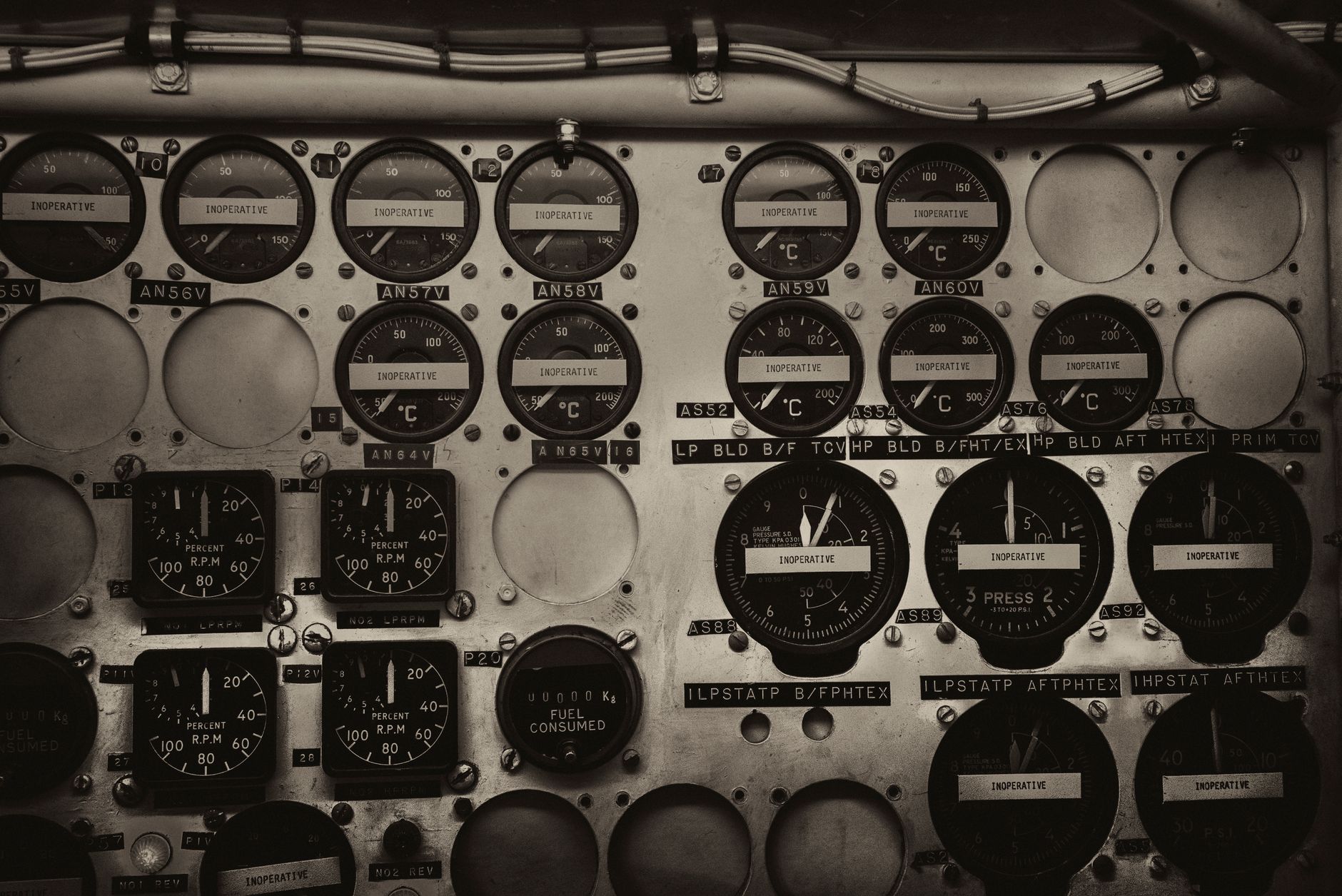
Aircraft contain numerous interconnected systems, yet approved procedures may allow certain items to be inoperative at dispatch. This flexibility exists because of system redundancy and the use of approved documents such as the Master Minimum Equipment List (MMEL), the Minimum Equipment List (MEL), and the Configuration Deviation List (CDL).
These documents identify which items may be inoperative for a particular flight and specify the conditions that apply. For long-range operations, however, the decision is more complex. A defect that is acceptable on a short domestic flight may prevent an aircraft from being dispatched under Extended Operations, commonly known as ETOPS. For more detail on how defect categories affect permitted operation, see our guide to MEL categories and defect rectification times.
What is ETOPS?
ETOPS comprises operational requirements for flights conducted beyond a defined diversion time from an adequate airport. The rules apply particularly to twin-engined aircraft, although similar principles may affect other aircraft conducting extended diversion operations. The SKYbrary overview of ETOPS provides useful operational context.
During an ETOPS flight, the aircraft must be capable of reaching a suitable alternate airport following a significant failure, such as the loss of one engine. Dispatch planning therefore considers:
- The aircraft and engine type
- The maximum authorised diversion time
- Weather at potential alternate airports
- Fuel requirements
- Aircraft systems and equipment
- Maintenance programme requirements
- The operator’s approved operations specifications
- The aircraft’s approved MEL limitations
ETOPS is not simply a matter of plotting a route that remains close to an airport. The aircraft must also be capable of completing the planned diversion safely with the equipment that is available and operative.

How does an MEL affect ETOPS dispatch?
The MEL is an operator-specific document based on the manufacturer’s MMEL and approved by the relevant aviation authority. It identifies equipment that may be inoperative at dispatch, together with any required maintenance or operational procedures. Operators should always consult the applicable authority requirements, including the UK CAA ETOPS guidance where relevant.
An MEL entry may specify:
- The number of items that may be inoperative
- Whether the item must be repaired within a specified period
- Required maintenance procedures
- Required flight crew procedures
- Operating restrictions
- Route or weather limitations
- Whether another system must be operative
An MEL does not provide unrestricted permission to operate with any defect. Each inoperative item must be assessed against the conditions in the approved MEL and the requirements of the intended operation.
This distinction is particularly important for ETOPS. An aircraft may be dispatchable under its standard MEL but not under the MEL provisions applicable to a particular ETOPS authorisation.
For example, an MEL may allow a communication, navigation, or monitoring system to be inoperative for a conventional flight, while ETOPS requirements may require that system to be available because it supports diversion planning, engine-out operations, fuel monitoring, or communication with air traffic control.
ETOPS approval levels and MEL limitations
ETOPS approval is based on specified maximum diversion times. The applicable MEL limitations vary according to the authority granted to the operator. The FAA’s ETOPS advisory circular explains the approval and operational considerations that underpin these requirements.

120-minute ETOPS
For approval to conduct ETOPS with maximum diversion times of up to 120 minutes:
- The aeroplane and engine combination must be type-design-approved for ETOPS of at least 120 minutes.
- The certificate holder must operate in accordance with the ETOPS authority contained in its operations specifications.
- The operator must designate the nearest available ETOPS alternate airports within 240 minutes’ diversion time, calculated at the aircraft’s one-engine-inoperative cruise speed under standard conditions in still air.
- If an ETOPS alternate is not available within 240 minutes, the operator must designate the nearest available ETOPS alternate airports along the planned route.
- The MEL limitations for the authorised diversion time must be applied.
- The fuel quantity indicating system must be operational.
- The certificate holder must comply with the maintenance programme requirements of 14 CFR § 121.374.
- The certificate holder must comply with the MEL requirements for 120-minute ETOPS.
The 240-minute alternate-airport requirement does not mean that an operator may disregard closer suitable airports. It establishes the area in which the nearest available ETOPS alternates must be identified. Those airports must also meet the applicable requirements for weather, runway condition, services, communications, and operational suitability.
138-minute ETOPS
The FAA may grant approval for ETOPS operations with maximum diversion times of up to 138 minutes as an extension of an existing 120-minute ETOPS approval.

This extension is not an automatic increase in operating flexibility. The operator must continue to meet the relevant conditions of its 120-minute approval, including the MEL limitations and procedures specified for 120-minute ETOPS.
In practical terms, an aircraft that is legal for a 120-minute ETOPS flight may not automatically be suitable for a 138-minute operation. The planned diversion time, route, alternates, weather, fuel, and inoperative equipment must all remain within the approved limits.
Longer diversion times require additional equipment
As the permitted diversion time increases, the consequences of an equipment defect become more significant.

For certain operations exceeding 180 minutes, additional equipment requirements apply. In addition to the equipment specified in the certificate holder’s MEL for 180-minute ETOPS, the following systems must be operational at dispatch:
- The fuel quantity indicating system
- The auxiliary power unit (APU), including its electrical and pneumatic supply, operating to the APU’s designed capability
The APU requirement is significant because the APU can provide additional electrical or pneumatic capability during a diversion. It may support aircraft systems when an engine is shut down or when other power sources are unavailable.
The fuel quantity indicating system is equally important. During a long diversion, the flight crew must be able to monitor fuel accurately and confirm that the aircraft can reach the selected alternate. A defect in the fuel indication system may therefore be acceptable for some operations under the MEL but prohibited for extended ETOPS dispatch.

For operations exceeding 180 minutes, the operator must also inform the flight crew each time an aircraft is proposed for dispatch beyond 180 minutes and explain why the route was selected. This ensures that the crew understands the operational basis for the flight, including the diversion strategy and any relevant limitations.
Why a defect can change the planned route
An inoperative item may not always cancel a flight. Instead, it may restrict where or how the aircraft can operate.
For example, an aircraft with an inoperative system may be permitted to fly:
- On a shorter route
- Within a reduced diversion-time limit
- Only when specified alternate airports are available
- Only under defined weather conditions
- After additional maintenance procedures have been completed
- With an alternative system confirmed operational
- Without entering a particular ETOPS area
Dispatch planning is therefore closely connected to the MEL. The flight dispatcher, maintenance control department, and flight crew must determine whether the aircraft’s actual configuration matches the requirements of the proposed route.

If the aircraft cannot meet the applicable MEL or ETOPS conditions, the operator may need to:
- Repair the defect before departure.
- Select a different aircraft.
- Plan a route with shorter diversion times.
- Identify different ETOPS alternates.
- Reduce the authorised diversion time.
- Cancel or delay the flight.
MEL remarks may require another system to work
MEL relief may depend on an alternative system being available.
FAA AC 91-67A explains that when an operator’s procedures rely on an item listed in the MMEL, but alternative equipment can perform the required function, the MEL remarks may require that alternative equipment to be operative. The FAA’s guidance on minimum equipment lists sets out this principle.

For example, an MEL provision might state:
"HDG HOLD mode may be inoperative provided HDG SEL or LNAV autopilot/flight director mode is operative."
In this case, the inoperative heading-hold function is permitted only because another approved mode is available. The alternative equipment is not optional. It becomes a condition of dispatch.
The same principle applies to ETOPS equipment. If an operator’s ETOPS procedure depends on an alternative source of navigation, communication, electrical power, or fuel information, that alternative system must be available and operative as required by the MEL.
An MEL cannot override operating rules
An MEL authorises relief from certain aircraft equipment requirements. It does not authorise an operator to disregard operating regulations, airworthiness requirements, or the conditions of its operations specifications.
This is a fundamental limitation.

An MEL cannot be used to:
- Override a specific ETOPS equipment requirement
- Permit an operation outside the operator’s approved authority
- Replace a required operating procedure
- Make an aircraft airworthy when an unlisted airworthiness item is inoperative
- Remove a required fuel, weather, alternate-airport, or communication standard
FAA guidance states that items related to the airworthiness of an aircraft that are not included in an approved MEL must be operative in accordance with the aircraft’s type certificate. An MEL does not need to list obviously essential items such as:
- Wings
- Rudders
- Flaps
- Engines
- Landing gear
If one of these items is inoperative, the aircraft is not made airworthy simply because the item does not appear in the MEL. The absence of an item from the MEL does not create permission to operate with it missing or defective.
Maintenance requirements remain in force
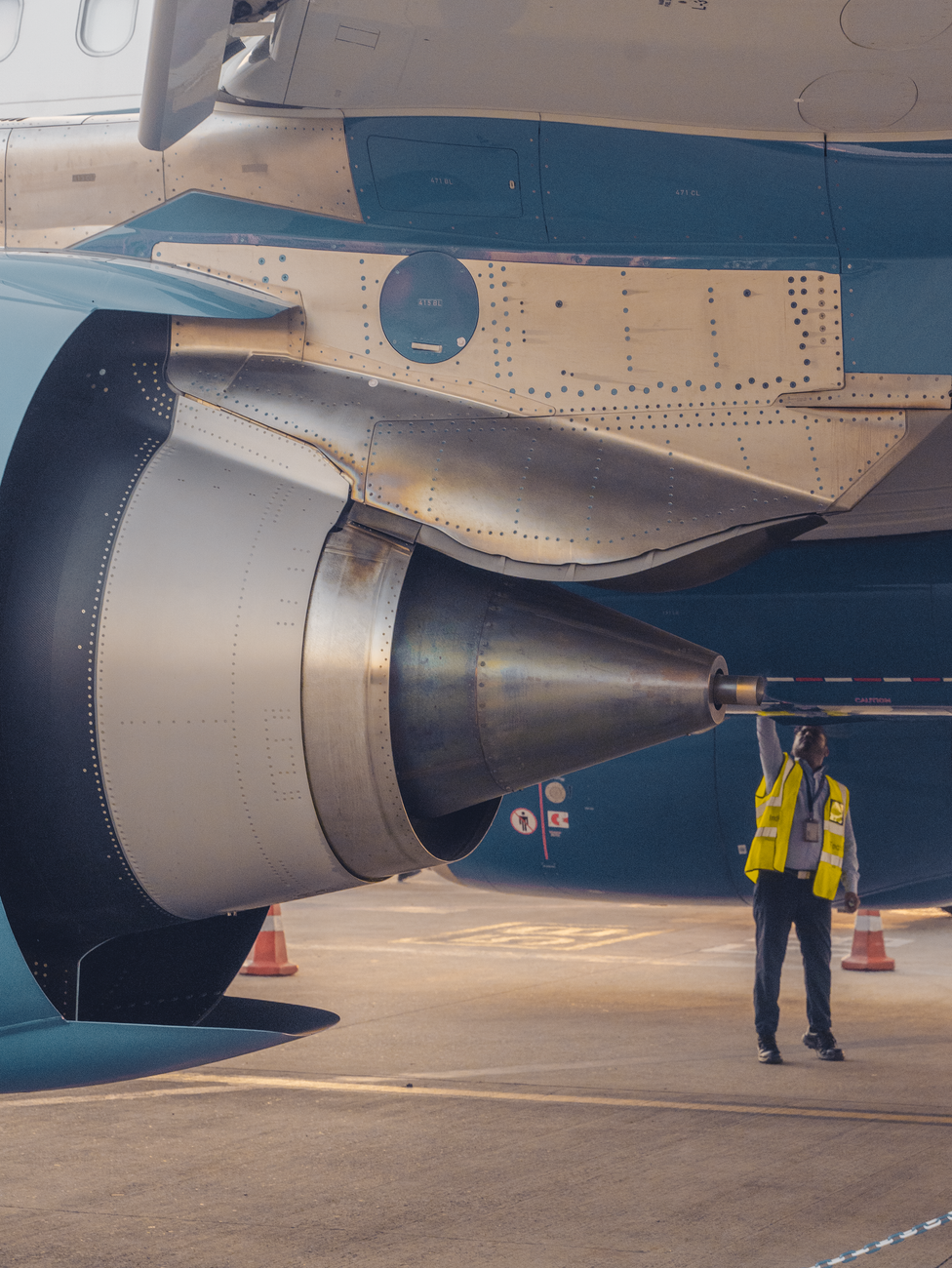
ETOPS depends on more than dispatch documentation. The operator must also maintain the aircraft in accordance with an approved maintenance programme.
For operators conducting qualifying operations under 14 CFR Part 121, compliance with the maintenance programme requirements of § 121.374 forms part of the ETOPS approval framework. These requirements support the reliability and continuing airworthiness of the aircraft and engine combination.
Maintenance personnel may need to:
- Complete ETOPS-specific inspections
- Track recurring defects
- Verify the condition of critical systems
- Perform required service checks
- Review engine and system reliability
- Confirm that deferred defects remain within their approved limits
- Ensure that the aircraft configuration matches the ETOPS dispatch requirements
Maintenance teams can also review our guidance on how aircraft engineers defer defects using the MEL. A defect that has been properly deferred under the MEL may still require additional maintenance action before an ETOPS flight. The aircraft’s technical status must be reviewed in the context of the route and diversion time, not merely its basic dispatch category.
The role of dispatch and flight crews
ETOPS dispatch is a coordinated process involving several aviation professionals.
Maintenance control determines whether the defect can be deferred and whether all required procedures have been completed. Dispatch evaluates the route, fuel, alternates, weather, and diversion times. The flight crew reviews the aircraft status and confirms that the operation can be conducted safely within the approved limitations.
The flight crew must also be informed when special requirements apply. For flights proposed beyond 180 minutes, the operator must explain why the route was selected. This may include information about the availability of ETOPS alternates, expected weather, or the operational need for the longer diversion authority.

The process reflects an important principle: dispatch legality and operational safety depend on the complete combination of aircraft condition, route, environment, and approval level.
Why long-range dispatch requires careful equipment management
On a short flight, an inoperative item may have a limited effect because suitable airports are close and diversion times are brief. During an ETOPS flight, the same defect may become much more significant.
A system that appears secondary during normal operations may become essential when:
- One engine is inoperative
- The aircraft is several hours from a suitable airport
- The APU is required for additional electrical or pneumatic support
- Fuel reserves must be monitored over a long diversion
- Weather reduces the number of available alternates
- The aircraft must operate under abnormal or degraded conditions
This is why ETOPS MEL provisions are often more restrictive than ordinary dispatch provisions. The aircraft must retain sufficient capability and redundancy to manage a failure far from an airport, not merely complete the planned route under normal conditions.

Conclusion
The MEL allows operators to manage certain inoperative equipment without automatically removing an aircraft from service. ETOPS operations, however, place additional conditions on that flexibility.
For 120-minute ETOPS, the aircraft and engine combination, operations specifications, alternate-airport planning, MEL limitations, fuel quantity indicating system, and maintenance programme must meet the applicable requirements. A 138-minute approval builds on existing 120-minute authority, while operations beyond 180 minutes require additional operational controls and, where applicable, an operational fuel quantity indicating system and APU.
The central lesson is that an aircraft’s dispatch status cannot be judged by the MEL alone. The operator must consider the specific route, authorised diversion time, available alternates, maintenance status, and ETOPS equipment requirements.

Carefully managed equipment deferrals help keep aircraft in service, but they must remain within the limits of the approved MEL, the aircraft’s airworthiness requirements, and the operator’s ETOPS authority. This balance is essential to the safety and reliability of long-range aviation.



Login or register to join the conversation.
Join the discussion
0 comments