


.jpg)
If you’re a licensed aircraft engineer, mechanic, or avionics technician, create your free AeroTechCareers profile to showcase your competencies and be found by recruiters actively searching for engineers like you.
What is CAP 741?
CAP 741 is the UK Civil Aviation Authority publication titled Aircraft Maintenance Engineers Log Book. It sets out a format for recording practical maintenance experience in support of a Part-66 basic licence application. You can consult the official CAP 741 publication for the applicable recording guidance.
Your logbook is not simply a diary of work completed. It is evidence that must allow an assessor to understand the range of maintenance performed, the aircraft systems involved, your level of participation, and the identity and suitability of the person who verified the entry.
A properly maintained CAP 741-style logbook should record:
- the maintenance task performed;
- the relevant aircraft system and ATA chapter;
- the aircraft type and, where appropriate, registration;
- your level of involvement;
- the date and location of the work;
- the approved maintenance data or task reference, where available; and
- the identity, signature and authorisation details of the person verifying the task.
For practical guidance on completing the document, read our guide to filling out a CAP 741 logbook.
Organise experience by ATA system
A frequent weakness in licence application logbooks is that work is presented by aircraft registration, aircraft type, employer, or engine and airframe grouping. This may be convenient for day-to-day record keeping, but it does not clearly demonstrate system coverage.
For a basic licence application, experience should be segregated and collated by aircraft system using ATA chapters. Typical examples include:
- ATA 21, air conditioning;
- ATA 24, electrical power;
- ATA 27, flight controls;
- ATA 28, fuel;
- ATA 29, hydraulic power;
- ATA 32, landing gear;
- ATA 71 to 80, powerplant systems; and
- ATA 22, 31, 34 and related chapters, which are particularly relevant to B2 avionics experience.
You may retain a chronological record for personal reference, but the material submitted in support of the application should be available in ATA or system order. Establishing this structure from the outset avoids substantial rework before submission.
B1 experience: what the record should demonstrate
A B1 applicant should record practical experience across the relevant mechanical aircraft systems. Depending on the licence category and aircraft involved, this may include:
- airframe structures;
- flight controls;
- hydraulic and pneumatic systems;
- landing gear and brakes;
- fuel systems;
- environmental control systems;
- electrical power systems;
- engines and engine-indicating systems;
- propeller systems, where applicable; and
- mechanical aspects of avionics installations.
A record consisting solely of servicing activity, such as tyre-pressure checks, oil replenishment, lamp replacement and daily inspections, is unlikely to demonstrate sufficient technical range. These tasks are legitimate maintenance activity and should be recorded where relevant, but they should be balanced with inspection, fault-finding, adjustment, removal and installation, rigging, functional testing and defect rectification.
For example, an entry stating replaced landing gear uplock actuator, completed rigging checks and carried out an operational test in accordance with approved maintenance data provides substantially more useful evidence than lubricated landing gear components. Both may be valid entries, but they demonstrate different levels of technical involvement.
Example B1 task: aircraft jacking
CAP 741 task guidance includes assisting with the raising or lowering of an aircraft on or off jacks. This is relevant to Category A and B1 experience.
Do not record this simply as aircraft jacked. State the work you actually performed, for example: Assisted with positioning approved jacks, raised aircraft for landing gear inspection, monitored jack stability, and lowered aircraft following completion of maintenance.
Only record activities in which you were genuinely involved.
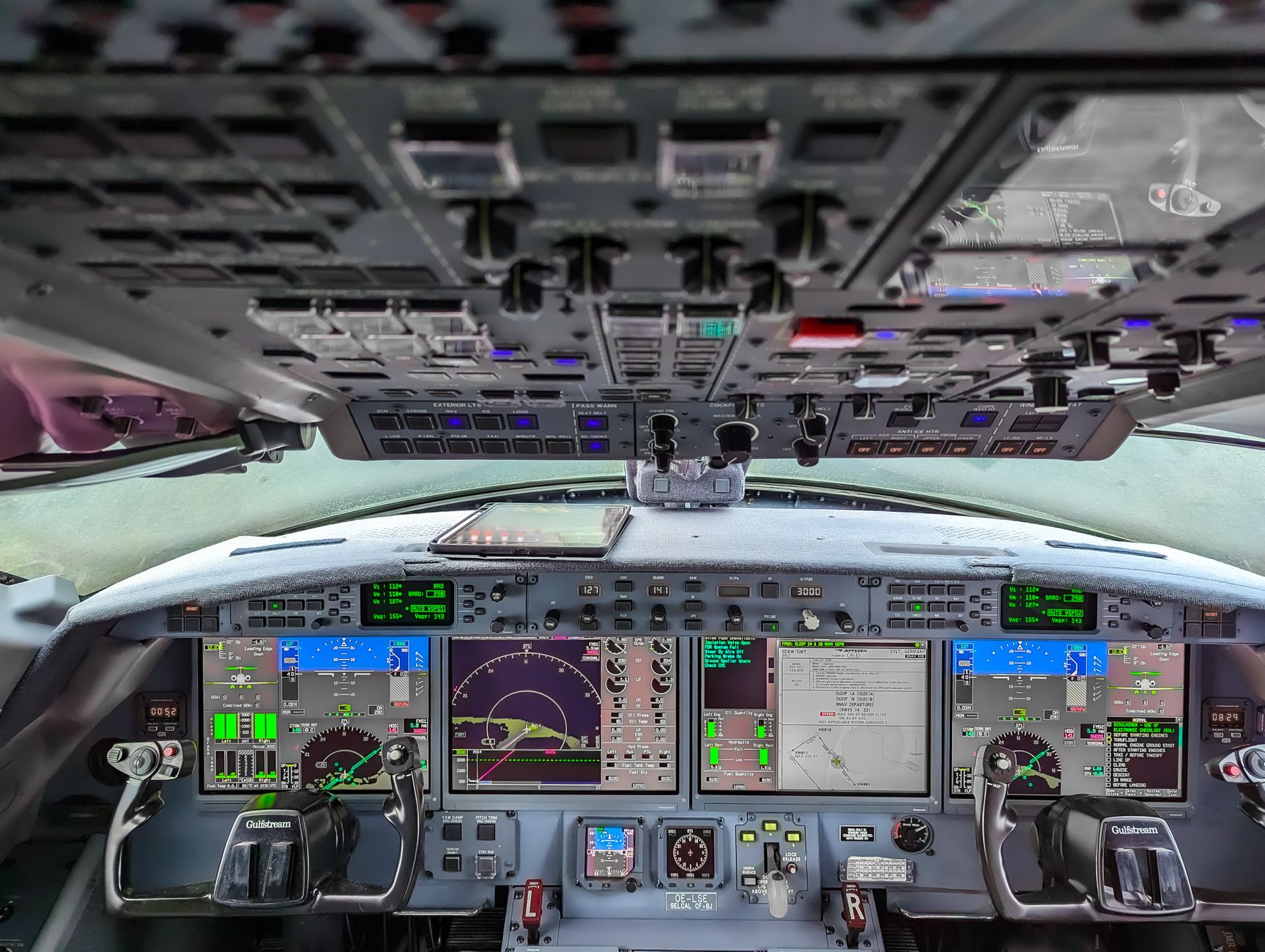
B2 experience: what the record should demonstrate
A B2 applicant should demonstrate experience of avionics and electrical systems, together with the inspection, testing and fault-isolation activity required to maintain them. Relevant areas may include:
- electrical generation and distribution;
- aircraft lighting;
- communication and navigation systems;
- flight guidance and autoflight systems;
- flight management, instrument, warning, recording and indicating systems;
- data buses and avionics interfaces;
- built-in test equipment and fault isolation;
- avionics operational and functional tests; and
- cabin or in-flight entertainment systems where relevant to the maintenance environment.
Repeated replacement of the same line-replaceable unit can be valid experience, but it does not by itself demonstrate sufficient system understanding. A stronger record includes scheduled inspections, defect investigation, wiring checks, continuity and insulation testing, component replacement, use of built-in test equipment, troubleshooting from maintenance manuals and wiring diagrams, and post-maintenance operational checks.
For additional technical context, see our step-by-step guide to aircraft wiring checks.
For example: Investigated intermittent VHF communication fault using approved fault-isolation procedures. Performed connector inspection and wiring continuity checks, replaced defective coaxial cable assembly, then completed a communication system operational test.
This is more informative than an entry stating only changed VHF component.
Demonstrate breadth and depth
The logbook should show suitable breadth and depth across the aircraft systems and sub-systems relevant to the licence category. It should not be a long list of identical tasks.
Your entries should be representative of the aircraft worked on, the systems installed on those aircraft, the complexity of the maintenance tasks, and the technical input needed to complete them. Routine tasks matter, but they should be balanced with more demanding work where this is appropriate to the aircraft type and your role.
For B1 applicants, this may include system troubleshooting, control-surface rigging, engine maintenance, hydraulic defect rectification and landing gear work. For B2 applicants, it may include electrical fault-finding, avionics testing, wiring diagnosis, configuration checks, fault isolation and operational testing.
Obtain proper verification for every task
Each entry should be verified by the certifying staff member connected with the release to service for the maintenance activity. This links your recorded experience to maintenance that was completed within an approved maintenance environment.
The verifier must be appropriately qualified and authorised. This may include a licensed aircraft maintenance engineer employed by a Part-145 or Part-CAO maintenance organisation, authorised for the relevant aircraft type and able to verify the work undertaken. The CAA's Part-145 guidance provides further information about approved maintenance organisations.

Seek verification promptly. Delaying signatures for months creates avoidable problems, as personnel may change shifts, leave the organisation, or be unable to recall the detail of the work.
- Record the task promptly after completion.
- Confirm the correct ATA chapter.
- Check that the wording accurately describes your involvement.
- Ask the relevant certifying staff member to verify the entry while the work remains clear.
Describe your involvement honestly
Observing a task, assisting with it, carrying it out under supervision, and performing it within your own authorisation are different levels of involvement. Your entry must state which applies.
- Observed: Observed fault-isolation procedure for autopilot pitch-disconnect defect.
- Assisted: Assisted with removal and installation of hydraulic pump under supervision.
- Performed: Performed continuity checks on the identified wiring circuit in accordance with approved maintenance data.
- Supported testing: Assisted certifying engineer with post-maintenance functional test.
Do not overstate your role. A precise and truthful entry is more credible than wording that cannot be supported by the verifier.
What a good CAP 741 entry contains
A good entry is concise, specific and traceable. It should normally include:
- the date;
- aircraft type and registration, for example Airbus A320, G-XXXX;
- the ATA chapter, for example ATA 32, Landing Gear;
- a clear task description, for example replaced nose landing gear proximity sensor and carried out system operational test;
- the maintenance manual task reference, where available;
- your level of involvement, for example removed, installed and tested under supervision; and
- the verifier's name, licence number, signature and relevant authorisation details.
You do not need to write an essay for every task. However, descriptions such as changed component or general maintenance are too vague to provide useful evidence. Identify the system, the maintenance performed, and any inspection, adjustment, test or fault-finding activity undertaken.
Common mistakes to avoid
- Recording tasks only in date order.
- Presenting experience by aircraft type rather than ATA system.
- Separating airframe and engine records rather than collating work by system.
- Repeating simple tasks without demonstrating more technically demanding work.
- Using vague task descriptions.
- Recording observed work as though you performed it.
- Omitting dates, aircraft details or ATA references.
- Obtaining signatures from personnel who were not connected with the release to service.
- Waiting too long to obtain verification.
- Leaving unexplained gaps in the record.
Treat the logbook as a live record throughout the experience period, not as an administrative exercise to complete immediately before applying.
Final checks before submitting a basic licence application
- Are entries organised and collated by ATA chapter?
- Does the record demonstrate experience across relevant systems and sub-systems?
- Does it include routine work and more technically demanding tasks?
- Is the experience appropriate to the B1 or B2 category sought?
- Does every entry accurately state your involvement?
- Has each task been verified by appropriate certifying staff?
- Can the verifier's authority and connection to the release to service be understood from the record?
- Are aircraft details, dates and task descriptions complete and legible?
Summary
CAP 741 provides the CAA format for recording practical maintenance experience. For B1 and B2 applicants, experience must be presented clearly by ATA system and supported by accurate, properly verified task entries. The CAA's Part-66 information should also be checked before submitting an application, as licensing requirements and application procedures may change.
Record genuine work promptly, show a representative range of systems and task complexity, and state your level of involvement precisely. A well-structured logbook reduces the risk of delays or queries during assessment of your Part-66 basic licence application.



Login or register to join the conversation.
Join the discussion
0 comments