


.jpg)
If you’re a licensed aircraft engineer, mechanic, or avionics technician, create your free AeroTechCareers profile to showcase your competencies and be found by recruiters actively searching for engineers like you.
B1.E Module 18 Explained: Syllabus, Examination Requirements and Study Strategy
Introduction to the B1.E Licence
The aviation industry is moving steadily towards electric and hybrid-electric propulsion. As manufacturers introduce new propulsion architectures, maintenance engineers must understand systems that differ significantly from traditional piston and turbine engines.
Within the European Union, aircraft maintenance licensing is governed by EASA Part 66, established under Regulation (EU) No 1321/2014. The regulation defines the knowledge, experience and examination requirements for aircraft maintenance licence categories, including the emerging B1.E category associated with electric propulsion aircraft. Candidates should review the EASA continuing-airworthiness rules and confirm the current requirements before applying.
For engineers seeking to extend an existing licence or qualify to work on relevant electric propulsion aircraft, Module 18 is a central requirement. The module introduces new technical subject matter and prepares maintenance personnel for the safe inspection, servicing and troubleshooting of electric propulsion systems.
Module 18 replaces Module 15 and is delivered entirely at Level 3. Candidates are therefore expected not only to recognise technical concepts, but also to understand how systems operate and apply that knowledge during maintenance activities.
Important: Licence application routes and transitional arrangements may depend on the applicant's existing category, experience and competent authority. Candidates should confirm the current requirements with an approved Part 147 organisation or the relevant aviation authority. You can use our guide to find Part 147 training schools when comparing approved providers.
What Is Module 18?
Module 18 focuses on the technology used in electric and hybrid-electric aircraft. The detailed syllabus must be delivered in accordance with the applicable Part 66 requirements and approved training organisation procedures. Candidates should expect coverage of the following areas:
- Electric propulsion principles
- Electrical power generation and distribution
- Energy storage systems
- High-voltage safety
- Electric motors and motor controllers
- Power electronics
- Battery management systems
- Thermal management
- Propulsion control systems
- Charging and energy-transfer systems
- System monitoring and protection
- Maintenance procedures and precautions
- Fault diagnosis and troubleshooting
- Inspection, isolation and replacement of components
- Relevant aircraft documentation and approved maintenance data
The module develops practical maintenance knowledge rather than purely theoretical awareness. Engineers must understand how electrical energy is stored, converted and delivered to the propulsion unit, and how faults can affect aircraft performance and safety.
A strong candidate should be able to explain the relationship between the battery, high-voltage distribution system, inverter, motor, propeller or fan, cooling system and associated control units. The candidate should also understand the effects of component failure and the protective measures used to prevent further damage.
Why Module 18 Is Important
Traditional aircraft maintenance training has concentrated on mechanical systems, piston engines, gas turbines, hydraulics, pneumatics and conventional avionics. Electric propulsion introduces additional risks and maintenance requirements, particularly in relation to:
- High-voltage electrical systems
- Stored electrical energy
- Battery thermal runaway
- Arc flash and electric shock
- Electromagnetic interference
- Insulation breakdown
- Cooling-system failure
- Software-controlled propulsion systems
- Safe isolation and de-energisation
An engineer may understand conventional aircraft electrical systems but still require additional knowledge before working on high-voltage electric propulsion equipment. Module 18 provides the dedicated foundation for these maintenance responsibilities. Safety and compliance expectations should always be checked against the applicable guidance from the UK Civil Aviation Authority Part 66 information or the responsible competent authority.
With the introduction of the B1.E category, Part 147 training organisations must develop compliant training material, appoint suitably qualified instructors and obtain the necessary regulatory approval. The subject also requires expertise in battery technology, electric motors, power electronics and high-voltage maintenance.

Experience Logbook Requirements
Passing Module 18 is only one part of the licensing process. Applicants must also demonstrate suitable practical experience and maintain an accurate experience logbook. Our Part 66 Logbook Analysis service can help candidates review their records for completeness and compliance.
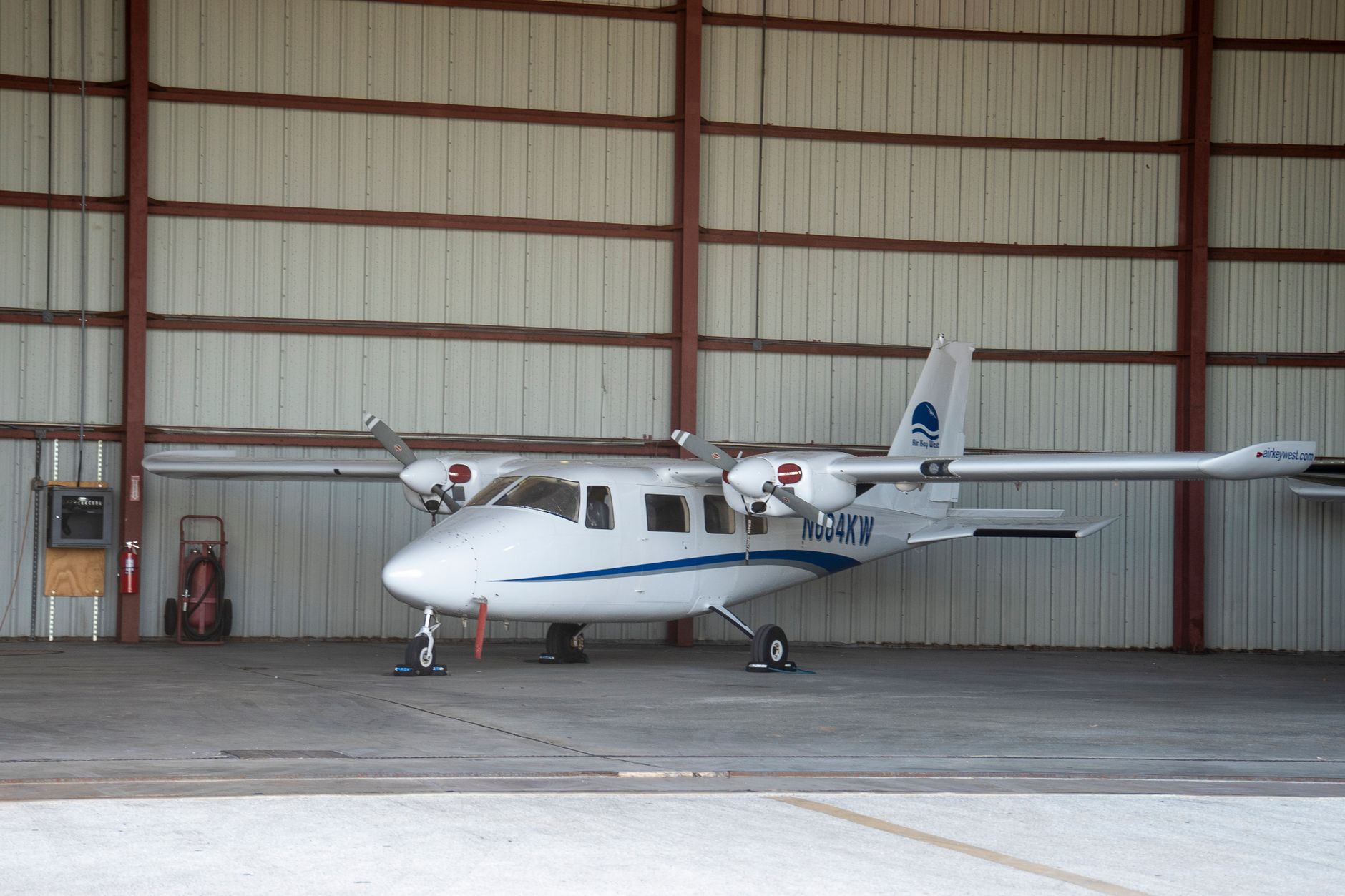
The experience should be completed on relevant electric propulsion aircraft with a maximum take-off mass below 2,000 kg. The logbook should clearly record the work performed, the aircraft type or model, the date, the maintenance activity and the candidate's level of involvement.
Typical entries may include:
- Inspection of electric propulsion components
- Battery removal and installation
- High-voltage isolation procedures
- Inspection of electrical connectors and cabling
- Battery management system checks
- Electric motor inspection
- Cooling-system maintenance
- Fault diagnosis
- Component replacement
- Operational testing
- Reference to approved maintenance data
Logbook entries should be specific and traceable. A general statement such as "worked on electric aircraft" is unlikely to demonstrate the required experience as effectively as a detailed record linked to a particular task and approved maintenance document. For additional guidance, read about common CAP 741 logbook mistakes that can delay an application.

Required Experience Periods
For the relevant licence pathways:
- B1.1 and B1.2 applicants require six months of experience.
- B2 applicants require twelve months of experience.
The exact requirements may depend on previous licences, training, aircraft category and the route used to add or extend privileges. Candidates should confirm whether previous aircraft maintenance experience can be credited before beginning the practical experience period.
A properly completed logbook is essential. It provides evidence that the applicant has gained practical exposure to relevant electric propulsion aircraft rather than only completing theoretical training.
Module 18 Examination Requirements
Module 18 consists of 76 questions and has a pass mark of 75 per cent.
The examination format should be treated as a serious part of the preparation process. Familiarity with the question style, time pressure and expected level of technical understanding can significantly improve performance.
Multiple-Choice Questions
EASA Part 66 basic examinations use multiple-choice questions with:
- Three answer options
- One correct answer
- A pass mark of 75 per cent
- Approximately 75 seconds allowed per question
For a 76-question examination, a 75 per cent pass mark means candidates must achieve at least 57 correct answers when the result is calculated using whole questions. Candidates should not rely on borderline performance. Consistently higher practice-test scores provide a safer margin.
Questions may test:
- Definitions and terminology
- System functions
- Component relationships
- Operating principles
- Safety precautions
- Maintenance procedures
- Fault symptoms
- Troubleshooting logic
- Correct use of maintenance information
The most difficult questions are often not simple factual questions. They may describe a system condition and require the candidate to identify the most likely cause, the correct maintenance action or the relevant safety precaution.
Other Part 66 Examination Formats
Although Module 18 is assessed through multiple-choice questions, candidates should understand the wider Part 66 examination structure.
Part 66 examinations generally consist of multiple-choice questions, with essay questions included where specified. Module 7 is the module containing two essay questions, with 20 minutes allowed for each essay. The essay pass mark is also 75 per cent.
If a candidate fails only the multiple-choice section or only the essay section, it is generally necessary to retake only the failed section, where applicable.
Retakes and Examination Time Limits
Candidates should plan carefully around the Part 66 retake rules:
- A failed module may be retaken after 90 days.
- A maximum of three attempts per module is allowed within a 12-month period.
- Time limits generally apply to individual module examinations.
- Different provisions may apply to modules passed as part of another licence category.
These restrictions make rushed preparation particularly risky. Failing an examination can create a delay of several months, especially if the candidate has already used multiple attempts or is working towards a wider licence application deadline.
Choosing an Examination Location
Module 18 should be taken through an appropriately approved examination route. Candidates may sit the examination at:
- An approved Part 147 training organisation
- An approved examination centre
- Another location accepted by the relevant competent authority
Before booking, confirm that the organisation is authorised to conduct the required examination and that the examination is valid for the intended licence application.
It is also worth checking:
- Whether the organisation has fully implemented the Module 18 syllabus
- Whether instructors have relevant electric propulsion expertise
- Whether the examination is computer-based or paper-based
- What identification and documentation are required
- Whether the centre offers revision courses or practice examinations
- How results and examination records are issued
As Module 18 is a relatively new subject area, the quality and depth of available training may vary between providers.
A Practical Study Strategy for Module 18
1. Understand the System Architecture First
Begin by learning how the complete electric propulsion system operates. Study the energy path from the battery through the distribution system, power electronics and motor to the propeller or fan.
Do not study each component in isolation. Understanding how the components interact makes it easier to answer questions about failures, control functions and maintenance actions.
2. Build a Technical Vocabulary
Create a glossary covering terms such as:
- State of charge
- State of health
- Battery management system
- Inverter
- Converter
- Regenerative operation
- Isolation monitoring
- Thermal runaway
- High-voltage interlock
- Insulation resistance
- Motor controller
- Energy density
- Cell balancing
Being comfortable with the terminology reduces confusion when similar answer options appear in the examination.
3. Prioritise Safety-Critical Knowledge
Give particular attention to high-voltage safety and battery hazards. Learn the correct sequence for:
- Identifying a high-voltage system
- Isolating the system
- Preventing re-energisation
- Confirming that the system is de-energised
- Using appropriate personal protective equipment
- Handling damaged or overheated batteries
- Reporting and documenting defects
Safety-related questions are likely to assess whether the candidate understands the consequences of incorrect maintenance practices.
4. Study Faults Through Symptoms and Causes
For each major system, create a simple fault table in your study notes:
- Reduced propulsion output: Possible causes include battery limitation, an inverter fault or a motor issue. Follow the approved fault-isolation procedure.
- Excessive temperature: Possible causes include cooling failure or overload. Inspect the cooling and monitoring systems.
- Charging failure: Possible causes include a charger, connector or battery management system fault. Check system indications and approved data.
- Insulation warning: Possible causes include cable, connector or component breakdown. Isolate the system and perform authorised tests.
The objective is not to memorise one answer for every fault. It is to understand the diagnostic process and the order in which checks should be performed.
5. Use Approved Maintenance Data
Module 18 is closely connected to real maintenance practice. Candidates should become familiar with the role of:
- Aircraft maintenance manuals
- Component maintenance manuals
- Wiring diagrams
- Troubleshooting manuals
- Aircraft maintenance programmes
- Safety instructions
- Service bulletins
- Operator procedures
A technically plausible action is not necessarily the correct maintenance action. The engineer must use the approved data applicable to the aircraft and task.
6. Practise Under Examination Conditions
Use practice questions regularly, but do not rely solely on recalling mock-examination answers. After every question, review why the correct answer is right and why the other answers are wrong.
A useful target is to achieve at least 85 to 90 per cent in practice tests before attempting the real examination. Practise answering within the available time and avoid spending too long on one difficult question.
Common Mistakes to Avoid
Candidates preparing for Module 18 should avoid:
- Treating the module as a general electrical theory examination
- Ignoring battery safety and high-voltage procedures
- Memorising terminology without understanding system operation
- Using unofficial or outdated study material
- Assuming experience on conventional aircraft automatically satisfies the electric propulsion requirement
- Keeping vague or incomplete logbook entries
- Waiting until the final week to complete practice questions
- Booking an examination without checking the centre's approval status
The transition to electric propulsion requires both technical knowledge and evidence of practical competence. A candidate who passes the examination but cannot demonstrate relevant experience may still be unable to complete the licence application successfully.

Final Preparation Checklist
Before sitting Module 18, candidates should be able to:
- Explain the operation of an electric propulsion system
- Identify the main high-voltage components
- Describe battery management and thermal protection
- Explain the function of inverters, converters and motor controllers
- Apply safe isolation principles
- Recognise common electric propulsion faults
- Use approved maintenance data correctly
- Complete relevant experience logbook entries
- Understand the 76-question examination format
- Achieve at least 75 per cent in practice examinations
- Confirm the retake and application requirements with the competent authority
Conclusion
Module 18 represents an important development in the Part 66 licensing framework. By replacing Module 15 and focusing entirely on electric propulsion at Level 3, it reflects the increasingly advanced systems being installed on modern aircraft.
Candidates should approach the module as both an examination and preparation for real maintenance responsibility. The most effective strategy combines structured theory study, safety-focused learning, fault-diagnosis practice and relevant hands-on experience.

For the associated experience route, the logbook must be completed on relevant electric propulsion aircraft below 2,000 kg MTOW. B1.1 and B1.2 applicants require six months of experience, while B2 applicants require twelve months. Alongside this practical evidence, candidates must successfully complete the 76-question Module 18 examination with a pass mark of 75 per cent.
With careful planning, approved training and accurate experience records, Module 18 provides a foundation for engineers entering the next generation of aircraft maintenance. For wider licensing guidance, compare the B1.E Part 66 licence route and consult the latest official EASA Part 66 information before making decisions about training or examinations.



Login or register to join the conversation.
Join the discussion
0 comments