


If you’re a licensed aircraft engineer, mechanic, or avionics technician, create your free AeroTechCareers profile to showcase your competencies and be found by recruiters actively searching for engineers like you.
Working Conditions in Aircraft Maintenance: Chemicals, Noise, Weather and PPE
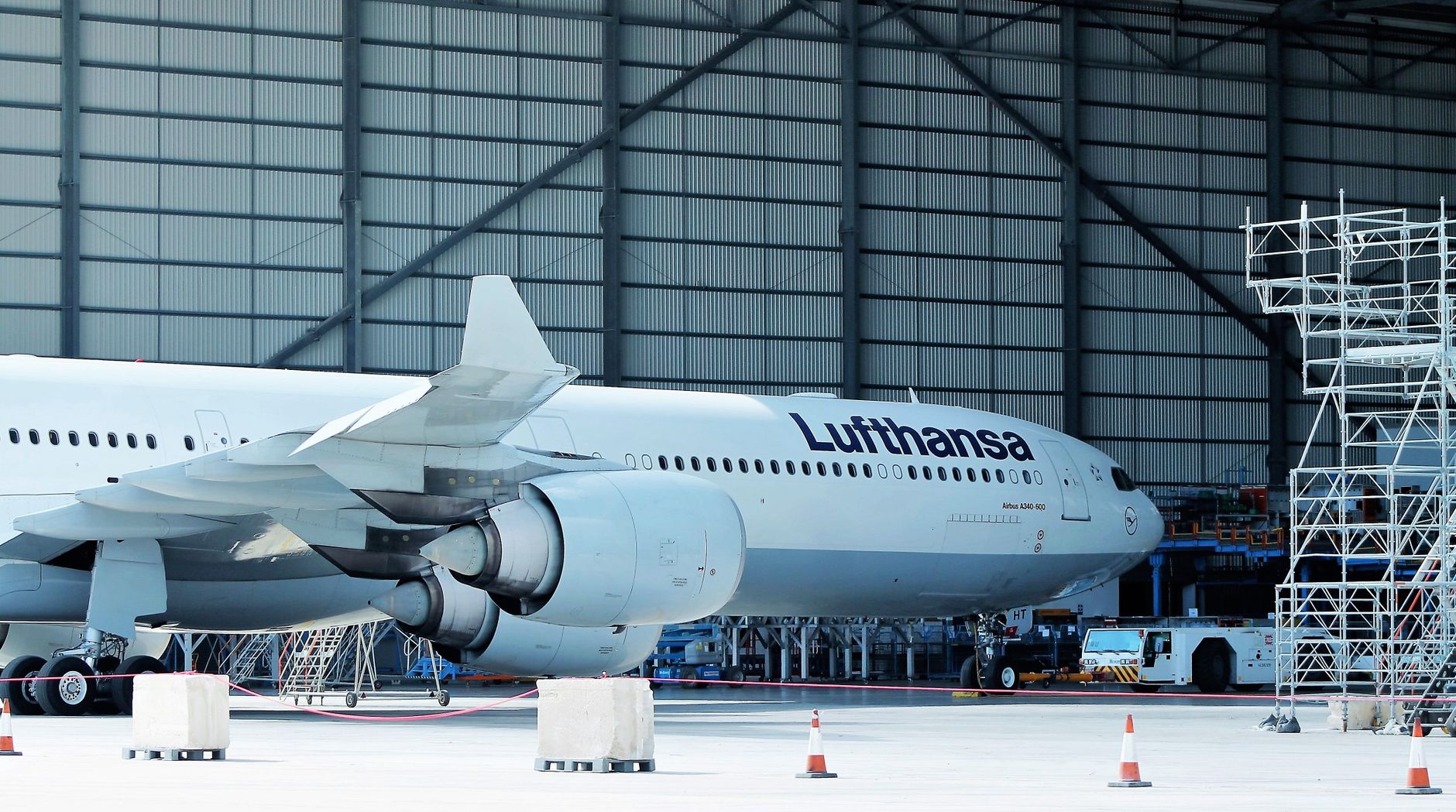
Aircraft maintenance is technical work, but it is also practical and physically demanding work carried out in hangars, workshops and exposed apron areas. Conditions can change quickly. A quiet component shop may be followed by a noisy ramp task, while a routine inspection may involve solvents, sealants, hydraulic fluids or composite dust.
In the UK, these risks are managed primarily through the employer’s health and safety system, supported by requirements under the Health and Safety Executive, the Control of Substances Hazardous to Health Regulations, the Control of Noise at Work Regulations and personal protective equipment legislation. In the European Union, organisations operating under EASA requirements apply equivalent occupational safety controls through national workplace legislation and their own maintenance organisation procedures.
UK CAA and EASA Part-145 requirements are concerned mainly with the safe performance and control of maintenance. They do not replace an employer’s responsibility to assess workplace hazards and provide suitable training, controls and PPE.
Chemicals: routine materials with serious hazards
Aircraft maintenance involves a wide range of chemical products, including:
- Aviation fuel and fuel-system cleaning products
- Hydraulic fluids and lubricants
- Degreasers and cleaning solvents
- Adhesives, resins, sealants and primers
- Paints and corrosion-treatment products
- Battery electrolytes and specialist cleaning agents
- Composite materials and associated dusts
The risk depends on the product, the route of exposure and the task. Skin contact may cause irritation, dermatitis or chemical burns. Vapours can affect breathing or cause dizziness, while some substances present longer-term health risks. Spraying, mixing or abrading materials can create greater exposure than using a sealed product in small quantities.
Under UK COSHH principles, the correct approach is not simply to issue gloves and respirators. The employer should first identify the substance, assess how it is used and control exposure at source. This normally involves:
- Substituting a hazardous product where a safer alternative is reasonably practicable.
- Using closed containers, local exhaust ventilation or controlled application methods.
- Providing clear storage, labelling and waste-disposal arrangements.
- Training staff to understand the safety data sheet and emergency procedures.
- Supplying PPE appropriate to the specific chemical and task.
A disposable glove is not automatically suitable for every solvent, fuel or sealant. Different materials have different resistance properties, and a glove that protects against one product may provide little protection against another. Gloves must also be replaced at the correct interval and removed without contaminating the wearer’s hands.
Eye protection is particularly important during pouring, spraying, pressure cleaning, drilling and any task that may generate splashes or particles. Where vapour exposure cannot be adequately controlled by ventilation, respiratory protective equipment may be required. Tight-fitting respirators bring their own requirements, including face-fit testing, clean-shaven policies where relevant, maintenance and medical suitability.
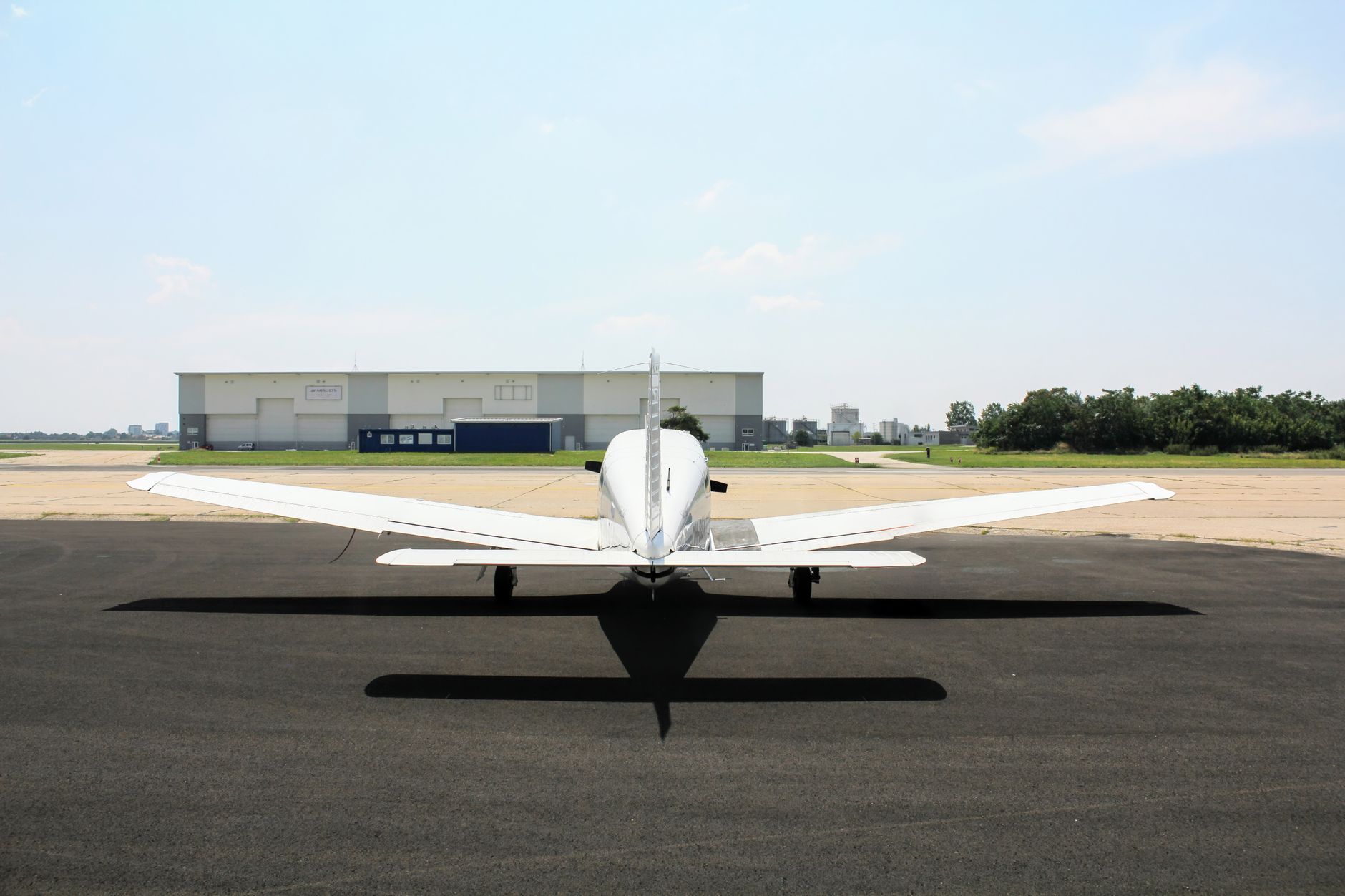
Aircraft engineers should also understand contamination control. Food, drink, cigarettes and personal items should be kept away from chemical-use areas. Hands must be washed before eating or leaving the work area, even when gloves have been worn. A chemical incident is not made harmless simply because the substance is familiar.
Noise: more than an unpleasant background
Noise exposure can come from aircraft engines and auxiliary power units, ground power equipment, air tools, compressors, vehicles, test rigs and repeated impact or drilling operations. In maintenance, the most hazardous noise is not always the loudest event. Repeated exposure across a shift can cause permanent hearing damage.
UK employers must assess noise exposure under the Control of Noise at Work Regulations. As a practical principle, hearing protection should not be the only control. Organisations should reduce noise at source where possible, isolate noisy equipment, restrict access, plan work to limit exposure and provide suitable hearing protection.

These controls should also be reflected in the organisation’s approved maintenance procedures and working arrangements. The UK CAA Part-145 guidance provides the regulatory context for approved maintenance organisations, while EASA’s continuing-airworthiness rules help organisations establish controlled maintenance environments in the European system.
On the ramp, communication is a particular concern. Ear defenders or plugs must reduce harmful noise without preventing engineers from hearing instructions, alarms, vehicle movements or changes in aircraft status. Radio systems and communication headsets may need to be compatible with hearing protection.
Hearing protection should be:
- Correctly selected for the measured noise level and frequency
- Compatible with helmets, eye protection and other PPE
- Worn consistently in designated hearing-protection zones
- Kept clean and inspected for damage
- Replaced when it no longer provides an effective seal or fit
A short period without protection can matter, especially during engine runs or close-proximity work. Hearing conservation may also include health surveillance, allowing early signs of hearing damage to be identified before they become irreversible.
Weather: the apron is part of the workplace
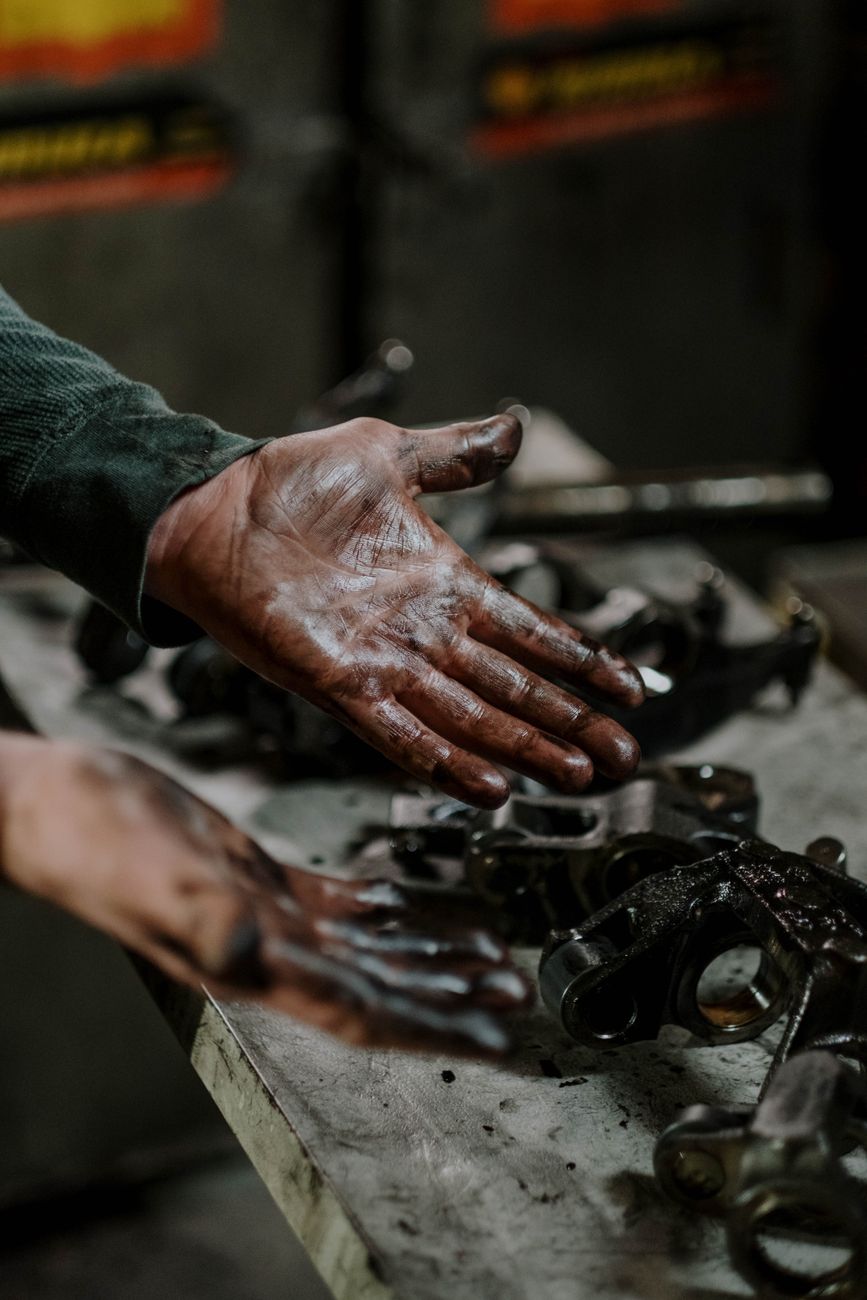
Aircraft maintenance does not stop because conditions are uncomfortable. Engineers may work outside in rain, wind, cold, heat, glare or reduced visibility, although task planning and operational restrictions should change with the conditions.
Weather-related risks include:
- Wind: Loose equipment, panels, access platforms, doors and covers can move unexpectedly. Wind can also make work at height unsafe.
- Rain: Wet surfaces reduce grip and can affect electrical work, inspections, coatings and sealants.
- Cold: Reduced dexterity can increase tool-handling errors, while wet gloves and prolonged exposure increase discomfort and fatigue.
- Heat and sunlight: Heat stress, dehydration and reduced concentration can develop during work inside aircraft or on dark apron surfaces.
- Lightning and storms: Outdoor maintenance, refuelling support and work near aircraft may need to stop under site procedures.
- Poor visibility: Fog, heavy rain, darkness and glare can make vehicle movements and aircraft hazards harder to see.
- Ice and snow: Access stands, steps and walkways can become dangerous, while contamination may affect inspection quality.
Organisations should use local weather monitoring, task risk assessments and operational procedures to decide whether work can continue safely. This is particularly important for tasks involving access equipment, aircraft fuelling, electrical systems, engine runs or exposed control surfaces.
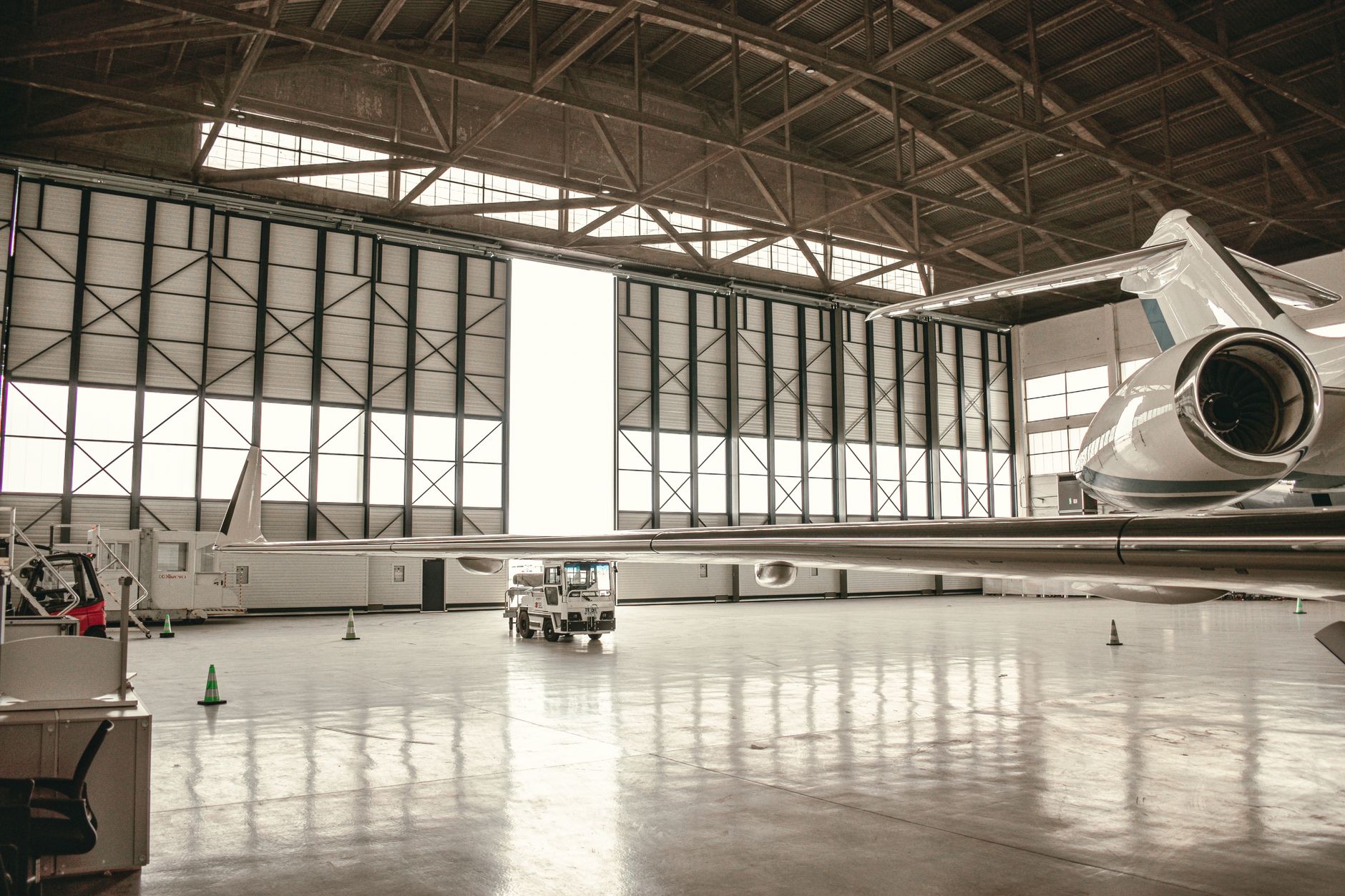
PPE must be adapted to the weather rather than treated as a fixed uniform. Cold-weather gloves may protect against exposure but reduce dexterity. Waterproof clothing can cause overheating during strenuous work. High-visibility garments may be required on the apron, but they do not compensate for poor lighting, weak vehicle controls or inadequate separation from moving equipment.
For related electrical safety considerations, see our guide to aircraft bonding and grounding checks.
PPE: the final layer, not the whole safety system
Personal protective equipment is essential, but it is the last line of defence after engineering and procedural controls. Typical aircraft maintenance PPE may include:
- Safety footwear with suitable slip and impact protection
- Safety glasses or sealed goggles
- Protective gloves selected for the chemical or mechanical hazard
- Coveralls or task-specific protective clothing
- Hearing protection
- High-visibility clothing in vehicle and apron areas
- Safety helmets where there is a risk of falling or moving objects
- Respiratory protection for controlled tasks involving dust, vapour or spray
- Fall-protection equipment where required for work at height
PPE must fit the person and work with other equipment. Poorly fitting goggles can fog, gloves can compromise fine control, respirators can interfere with spectacles or facial hair, and hearing protection can make communication more difficult. These are not minor inconveniences. If equipment prevents an engineer from performing the task safely, it may be removed or used incorrectly.
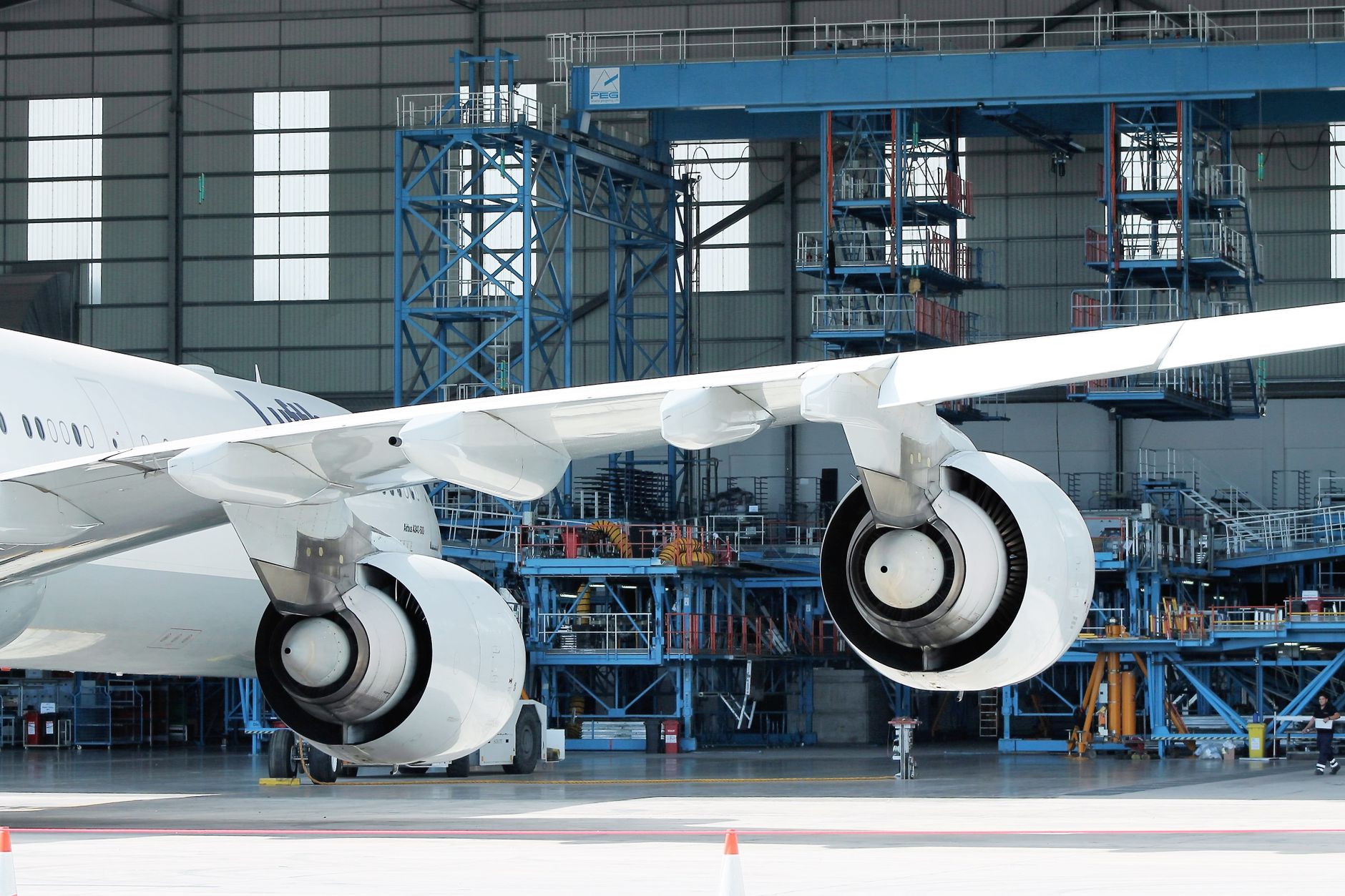
Maintenance organisations should provide instruction, storage, inspection, cleaning and replacement arrangements. Engineers also have a responsibility to use PPE as trained, report defects and raise concerns when the selected equipment is unsuitable. Clear communication is especially important when conditions change during a shift, so engineers may also benefit from this aircraft maintenance shift handover checklist.
How working conditions affect maintenance quality
Heat, cold, noise, chemical exposure, poor lighting and fatigue can all affect concentration, dexterity and decision-making. These human factors can increase the likelihood of missed defects, incorrect tool use or incomplete records. Maintenance teams should therefore treat workplace conditions as part of the maintenance risk assessment, not as a separate issue.
Good supervision, effective briefings, suitable rest facilities and a culture in which engineers can stop and report unsafe conditions all support safer work. Our guide to Just Culture in aircraft maintenance explains how teams can raise concerns and challenge compliance decisions safely.
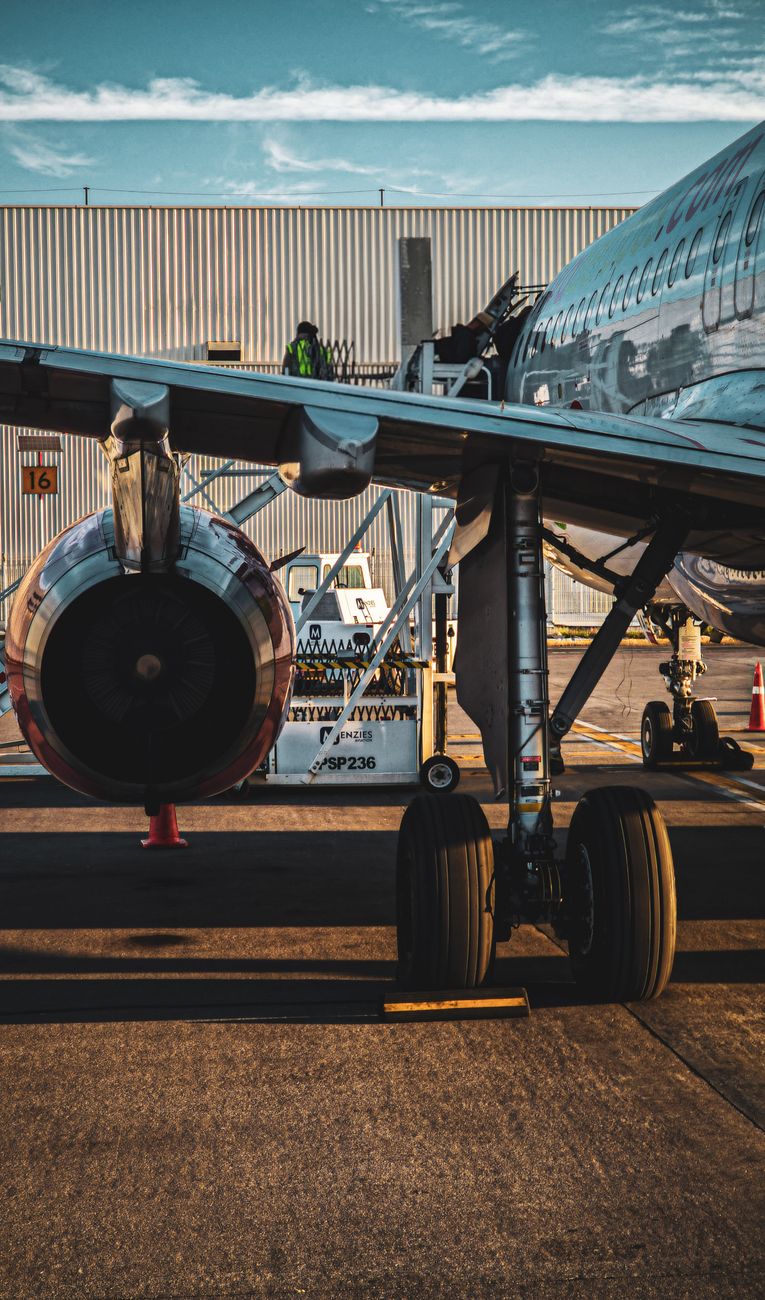
A professional working environment
The physical conditions of aircraft maintenance are not an unavoidable test of toughness. A strong maintenance organisation plans around the hazard, provides appropriate facilities and stops work when conditions exceed safe limits. That approach supports both personal safety and maintenance quality.
Whether the task involves a solvent in a component workshop, an engine run on the ramp or an inspection during poor weather, the standard remains the same: identify the exposure, control it properly and use PPE appropriate to the actual risk. In UK Part-145 and EASA maintenance environments, safe engineering means protecting the aircraft, the work and the people carrying it out.
To explore how maintenance work fits into a wider aviation career, read A Day in the Life of an Aircraft Mechanic.

Planning your next move in aviation maintenance? Calculate Your Potential Salary! Use our Aircraft Engineer Salary Calculator to compare salary expectations by experience and location.



Login or register to join the conversation.
Join the discussion
0 comments