

.jpg)
If you’re a licensed aircraft engineer, mechanic, or avionics technician, create your free AeroTechCareers profile to showcase your competencies and be found by recruiters actively searching for engineers like you.
Aircraft Maintenance Tool Control and Calibration: Why It Matters
Aircraft maintenance depends on accurate measurements and complete control of every tool used. A torque wrench, multimeter or micrometer that is missing, damaged or inaccurate can compromise maintenance quality and flight safety.
What Is Aircraft Maintenance Tool Control?
Aircraft maintenance tool control is the process of managing, tracking, inspecting and securing tools used during maintenance. Its purpose is to ensure that mechanics know which tools are available, who is using them and whether every tool has been returned before the aircraft is released.
A tool control programme may include:
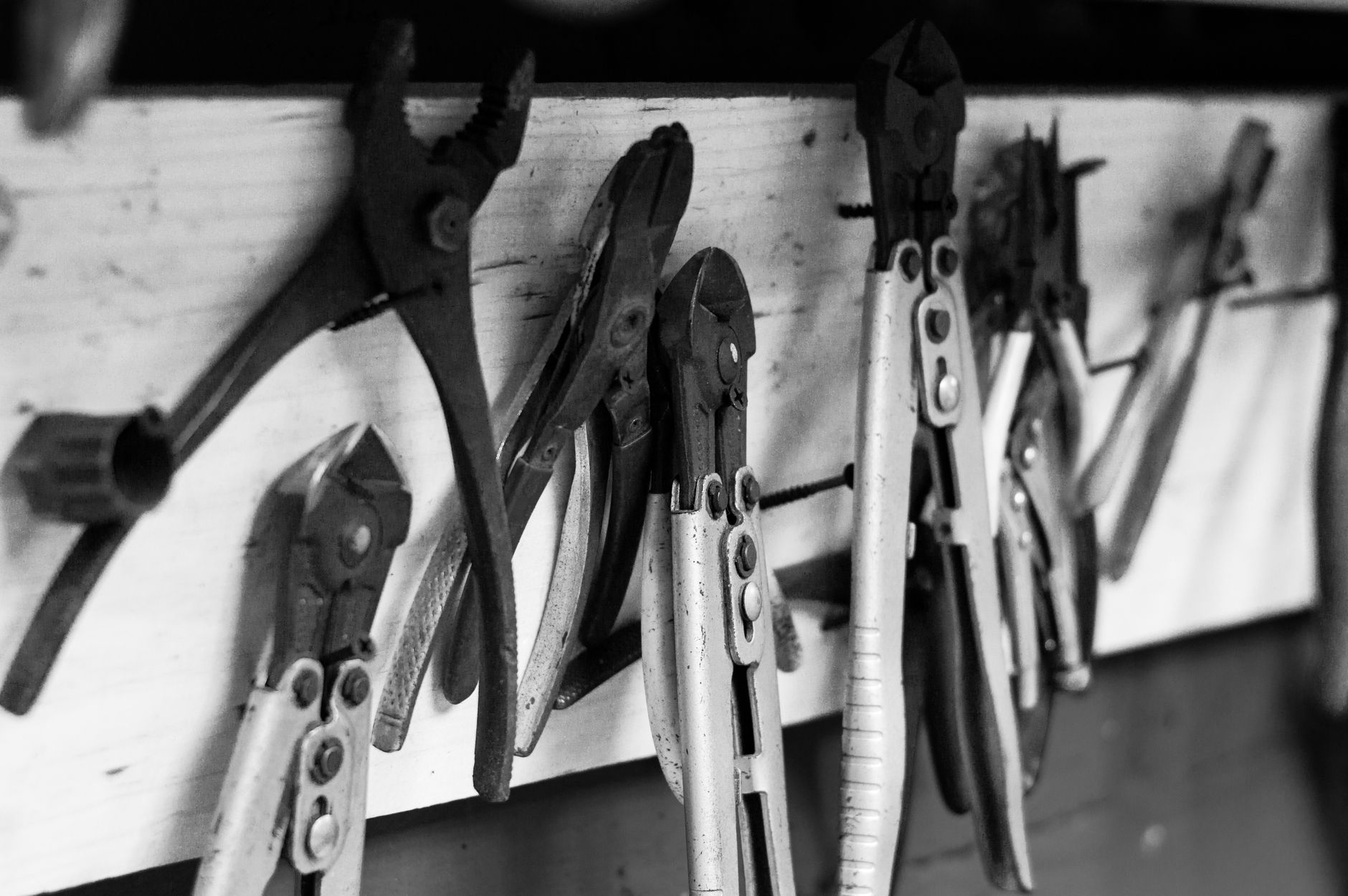
- Personal tool inventories
- Shadow boards and foam tool organisers
- Toolboxes with labelled spaces
- Tool issue and return records
- Barcoded or digital tracking systems
- Periodic inventory audits
- Procedures for reporting lost or missing tools
- Inspection of tools for damage or wear
Tool control is particularly important in confined areas such as engine bays, landing gear compartments, fuel tanks and avionics areas. A small screwdriver, socket, washer or inspection mirror left inside an aircraft can become foreign object debris (FOD), potentially damaging equipment or affecting flight safety. SKYbrary’s FOD guidance explains why controlling loose articles is an important aviation safety practice.
Why Tool Control Is Critical to Aviation Safety
Aircraft are designed and maintained to exacting standards. Every tool used during a task must be accounted for, particularly when maintenance takes place in or around critical aircraft systems. Organisations should align their procedures with applicable continuing airworthiness and maintenance requirements, including the guidance published by the European Union Aviation Safety Agency where relevant.

Foreign Object Damage
A missing tool can become a hazard if it is left inside an aircraft or near an engine, flight control system or electrical compartment. Tool accountability reduces the risk of FOD and helps maintenance teams identify problems before the aircraft returns to service.
Incorrect Maintenance
Using the wrong tool can damage fasteners, components or aircraft structure. Tool control systems help mechanics select the correct equipment and confirm that it is suitable and serviceable.
Maintenance Delays
Searching for missing tools can delay inspections, repairs and aircraft release. Clear storage systems and accurate records make equipment easier to locate, particularly during time-sensitive line maintenance or aircraft-on-ground recovery work. For a practical example of time-critical maintenance decision-making, see this AOG protocol for engine cowling damage.
Undetected Tool Damage
Tools can become worn, cracked, bent or contaminated. Regular inspections allow mechanics to remove defective tools before they affect the quality of maintenance.
A strong tool control programme is not merely an administrative requirement. It is a practical safety barrier that supports diligence, vigilance and personal accountability.
Tool Control and Personal Responsibility
Although organisations may provide tool tracking systems, each mechanic remains responsible for inspecting personal tools, maintaining an accurate inventory and reporting missing or damaged items immediately.

The person using a tool should remain accountable for it throughout the task. This includes:
- Checking the tool before use
- Confirming that it is appropriate for the task
- Keeping it under control during maintenance
- Returning it to its assigned location
- Reporting any missing, damaged or suspect tool
- Confirming that its calibration status is current when required
Personal accountability should be supported, not replaced, by team procedures and supervisory checks.
What Is Calibration?
Calibration establishes the relationship between a tool or item of test equipment and a recognised measurement standard. It determines whether the equipment produces accurate results and identifies any measurement error.
Calibration does not necessarily make a tool perfect. It confirms whether the tool is fit for its intended purpose within defined accuracy limits.
For example, a torque wrench may be used to apply a specified tightening force to an aircraft fastener. If it applies more or less torque than indicated, the component may not be installed correctly. Calibration can identify the error and determine whether the wrench remains acceptable, requires adjustment or must be removed from service. The FAA’s aircraft inspection and repair advisory material also illustrates the importance of using suitable tools, equipment and approved maintenance practices.
Aircraft maintenance tools and equipment that may require calibration include:
- Torque wrenches
- Micrometers and vernier callipers
- Multimeters
- Pressure gauges
- Temperature measurement equipment
- Insulation resistance testers
- Frequency counters
- Test benches and specialised avionics equipment
- Weighing and balancing equipment
Not all tools require calibration. A hammer and safety glasses, for example, are generally managed through inspection and condition checks rather than measurement calibration. Tools used to inspect, test, measure or apply a defined value must be managed according to their intended function and applicable procedures.
Why Calibration Matters in Aircraft Maintenance
Accurate measurements support safe maintenance decisions. If a test instrument provides an incorrect reading, a mechanic may accept a defective component or replace one that is serviceable.
Calibration helps ensure that:
- Measurements are accurate and repeatable
- Maintenance decisions are based on reliable data
- Components are installed within approved limits
- Defects are correctly identified
- Aircraft systems are tested according to technical instructions
- Maintenance records can be supported during audits
- The organisation meets applicable regulatory and quality requirements
A tool may appear to work normally and still provide inaccurate results. A multimeter can display a stable voltage while consistently deviating from the true value. Similarly, a torque wrench may click normally while applying torque outside its approved tolerance. Visual condition alone cannot confirm measurement accuracy.
Traceability and Measurement Standards
A calibration programme should provide evidence that measurements are traceable to a recognised measurement standard. Traceability creates a documented link between the tool and an appropriate standard through an unbroken chain of comparisons.
Calibration records should normally identify:
- Tool description and unique identification number
- Manufacturer and model
- Measurement range
- Calibration date
- Due date or calibration interval
- Standards used
- Results and identified errors
- Acceptance criteria
- Calibration provider
- Certificate or record reference
- Any adjustment or repair completed
This documentation demonstrates that equipment has been calibrated properly and that its results are supported by recognised standards. UK organisations should also consider the applicable expectations of the UK Civil Aviation Authority’s airworthiness framework when reviewing maintenance and quality procedures.
Calibration Across the Full Measurement Range
Calibration should reflect how a tool is used. Where required, tools should be calibrated across the relevant measurement range rather than checked at one convenient point.
A torque wrench used at several settings should be evaluated across the range in which it is approved for use. A multimeter may require checks at relevant voltage, resistance or current points. Testing only one value may not reveal errors elsewhere in the range.
The calibration interval should also suit the equipment and its use. Relevant factors include:
- Manufacturer recommendations
- Frequency of use
- Working environment
- Calibration history
- Likelihood of damage or drift
- Required measurement accuracy
- Consequences of an incorrect reading
Some tools may require annual calibration, while others may need more frequent checks. Tools that are dropped, overloaded, exposed to extreme conditions or suspected of producing incorrect results should be removed from service and assessed, regardless of their scheduled calibration date.
What Happens When a Tool Is Out of Calibration?
A tool that is past its calibration due date, damaged or suspected of being inaccurate must not be used for maintenance.
The organisation should have a clear process for:
- Identifying the tool as unavailable
- Separating or locking it out of service
- Recording the reason for removal
- Sending it for calibration, adjustment or repair, or replacing it
- Reviewing work completed with the tool when necessary
- Returning it to service only after acceptance
Reviewing previous work is particularly important when calibration results show that the tool may have produced inaccurate measurements. Depending on the tool, the error and the tasks involved, the organisation may need to repeat inspections, installations or test results.
Building an Effective Tool Control Programme
Tool Accountability
Every tool should have a clear owner, location or tracking method. Digital systems can provide real-time records, but a well-designed manual system can also be effective when used consistently. Digital maintenance practices are developing quickly, as discussed in Aircraft Maintenance in the Digital Age.
Calibration Management
Tools that require calibration should have unique identification and a visible or electronic status showing whether they are within calibration. Records must be easy to retrieve and linked to the specific tool.
Personal and Organisational Discipline
The system works only when mechanics, supervisors, stores personnel and quality teams follow it consistently. A missed tool entry or unreported damaged instrument can weaken the entire process.
Whether an organisation uses specialised software or a simple tool board, the principles remain the same: diligence, vigilance and accountability.
Measuring Tool Control Performance
Tool control should be monitored rather than assumed to be effective. Useful performance indicators include:
- Lost tools per 1,000 labour hours
- Tool audit pass percentage
- Average time required to locate a tool
- Number of tools found damaged during inspection
- Monthly count of tools outside their calibration period
- Number of overdue calibration actions
- Repeat findings from internal or external audits
- Maintenance delays caused by unavailable tools
These measures can reveal trends. A rising number of missing tools may indicate inadequate storage, poor handover procedures or insufficient staffing. An increase in calibration exceptions may suggest that the calibration schedule, notification system or equipment register needs improvement.

The Role of Training and Safety Culture
Tool control and calibration are technical processes, but they are also part of an organisation’s safety culture. Mechanics should understand not only what a procedure requires, but why it matters.
Training should cover:
- Correct use of tool control systems
- Tool inspection and storage
- Foreign object damage prevention
- Calibration labels and status records
- Reporting requirements for lost or damaged tools
- Actions to take when a tool is out of calibration
- The potential effect of inaccurate measurements on aircraft safety
A positive reporting culture is essential. Employees should be encouraged to report missing tools, calibration concerns and process weaknesses without fear of inappropriate blame. Early reporting gives the organisation an opportunity to correct a problem before it affects an aircraft.

Supporting Safe and Efficient Maintenance
Aircraft maintenance is often performed under pressure. Line mechanics may have limited time to complete a task before departure, while base maintenance teams may manage complex inspections involving thousands of parts and tools. In both environments, a dependable tool programme protects safety and improves efficiency.
When tools are correctly controlled and calibrated:
- Mechanics spend less time searching for equipment
- Measurements can be trusted
- Maintenance instructions can be followed accurately
- Audit evidence is readily available
- Defective equipment is identified sooner
- The risk of FOD and maintenance error is reduced
The result is a more organised maintenance environment in which technicians can focus on performing each task correctly. If you are exploring this career, read A Day in the Life of an Aircraft Mechanic and browse current aircraft mechanic jobs.

Conclusion
Aircraft maintenance tool control and calibration may seem routine, but their effect reaches directly into flight safety. Tool control prevents equipment from being lost, misplaced or left inside an aircraft. Calibration confirms that measurement and test equipment is accurate enough for its intended purpose and provides traceability to recognised standards.
Every torque value, electrical reading, pressure check and dimensional inspection depends on reliable equipment. By maintaining accurate records, calibrating tools across appropriate ranges, applying suitable intervals and enforcing personal accountability, aircraft maintenance organisations create stronger safeguards for mechanics, operators and passengers.



Login or register to join the conversation.
Join the discussion
0 comments