


If you’re a licensed aircraft engineer, mechanic, or avionics technician, create your free AeroTechCareers profile to showcase your competencies and be found by recruiters actively searching for engineers like you.
Aircraft Engineer vs Aerospace Engineer: What Is the Difference?
The titles sound interchangeable, but they describe two distinct professional fields.
An aircraft engineer is usually responsible for keeping aircraft safe, serviceable and legally approved to fly. An aerospace engineer is more likely to design, develop, test or improve aircraft, spacecraft and their systems.
There is some overlap. Both may understand aerodynamics, propulsion, structures and avionics, but their daily responsibilities, regulatory requirements and career routes are distinctly different.
Aircraft engineer: maintaining and certifying aircraft
In the UK and Europe, “aircraft engineer” often refers to an aviation maintenance professional who works on aircraft in service.
Their work may include:
- Inspecting aircraft and components
- Diagnosing faults
- Replacing or repairing systems
- Carrying out scheduled maintenance
- Testing aircraft after maintenance
- Recording completed work
- Certifying that maintenance has been performed correctly
Aircraft maintenance is practical, procedure-led and closely controlled. Work is carried out using approved maintenance data, technical manuals and organisational procedures. There is little room for improvisation when an aircraft is carrying passengers, cargo or military personnel.
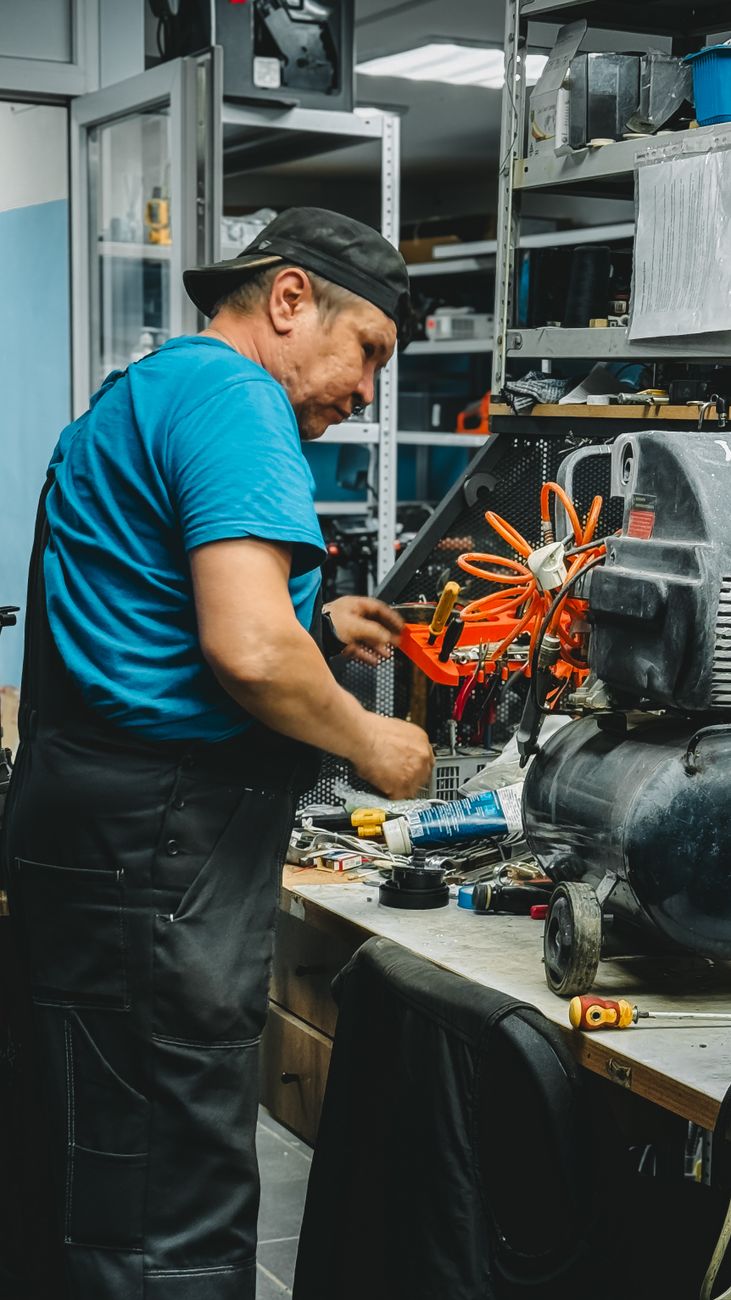
An aircraft maintenance engineer might work in a hangar, on a line-maintenance apron, at a component workshop, or within an airline, maintenance organisation, manufacturer or military operation. For a closer look at the working environment, read A Day in the Life of an Aircraft Mechanic.
The licensing distinction
A person can work in aircraft maintenance without holding a licence, depending on their role and the tasks they perform. However, certification privileges require the appropriate approval, competence, licence and organisational authorisation.
For civil aircraft maintenance in the UK, the relevant framework is the UK CAA Part-66 licensing system. In EASA member states, the equivalent framework is EASA Part-66. The UK CAA Part-66 guidance and EASA Part-66 information explain the applicable licensing frameworks.
These systems are similar in structure but separate in law. Since Brexit:
- A UK CAA Part-66 licence is not automatically valid in EASA member states.
- An EASA Part-66 licence is not automatically valid in the UK.
- The licence authority, aircraft registration and maintenance organisation approvals all matter.
- Additional validation, conversion or approval may be required when working across jurisdictions.
Part-66 categories include:
- Category A, covering limited line-maintenance certification privileges
- Category B1, focused on mechanical systems, structures, powerplants and related electrical systems
- Category B2, focused primarily on avionics and electrical systems
- Other categories and subcategories covering different aircraft and maintenance responsibilities
A licence is only part of the picture. Engineers generally also need appropriate aircraft type training, practical experience and company authorisation before they can certify specific work in an operational environment. The person who performs a task, the person who certifies it and the organisation that authorises the work must all be considered separately.

Aerospace engineer: designing and developing aerospace products
An aerospace engineer typically works earlier in the product lifecycle. Rather than maintaining an aircraft already in service, they may design, analyse, test or improve the aircraft itself.
Their work can involve:
- Aerodynamic design
- Structural analysis
- Propulsion systems
- Flight-control systems
- Avionics integration
- Materials and manufacturing
- Aircraft performance
- Safety and reliability
- Certification engineering
- Simulation and computational modelling
- Spacecraft, satellites and launch systems
The term aerospace is deliberately broad. It includes civil and military aircraft, helicopters, unmanned systems, spacecraft and associated technologies. Some aerospace engineers specialise in a single discipline, such as stress analysis or propulsion, while others work across an entire aircraft programme.

An aerospace engineer may be employed by an aircraft manufacturer, design organisation, systems supplier, research institution, defence contractor or space company. Their workplace could be an office, laboratory, production facility, wind tunnel or flight-test environment.
Aircraft engineer vs aerospace engineer: the main differences
- Primary focus: An aircraft engineer maintains and certifies aircraft in service. An aerospace engineer designs, develops, tests or improves aerospace products.
- Typical environment: Aircraft engineers commonly work in hangars, on aprons, in workshops or at maintenance facilities. Aerospace engineers may work in design offices, laboratories, factories, test sites or research facilities.
- Work style: Aircraft maintenance is practical, operational and procedure-driven. Aerospace engineering is analytical, developmental and project-driven.
- Main outputs: Aircraft engineers produce completed maintenance, fault rectification and certification. Aerospace engineers produce designs, analyses, test results, technical reports and engineering changes.
- Key regulation: Licensed maintenance roles are governed by UK CAA or EASA Part-66. Aerospace engineering is governed by the design, production and safety regulations applicable to the organisation and product.
- Common qualification route: Aircraft maintenance typically involves technical training, practical experience, examinations and licensing. Aerospace engineering commonly requires a degree or equivalent engineering qualification, followed by technical experience.
- Direct responsibility: Aircraft engineers are responsible for aircraft serviceability and maintenance certification. Aerospace engineers are responsible for product design integrity, performance, safety and compliance.
The boundary is not absolute. A maintenance engineer may work closely with design engineers when a recurring defect leads to an engineering change. An aerospace engineer may investigate in-service failures or support operators. The central difference is usually the purpose of the role: maintaining an existing aircraft or creating and developing aerospace systems.
How the UK aircraft engineer route differs
A UK aircraft maintenance career is often built through technical training, practical experience and regulatory examinations.
Candidates may gain experience through:
- An approved Part-147 training route
- An employer-based apprenticeship
- A maintenance organisation
- A combination of self-study, examinations and workplace experience
Those considering training can explore approved Part-147 training schools. Practical experience should also be recorded carefully. The CAP 741 aircraft maintenance engineer’s logbook is commonly used to document maintenance tasks, aircraft types, systems and the level of involvement.
Accurate records can be important when demonstrating experience to the UK CAA or an employer. Read our guide to filling out a CAP 741 logbook and avoid the common CAP 741 logbook mistakes that can delay an application.
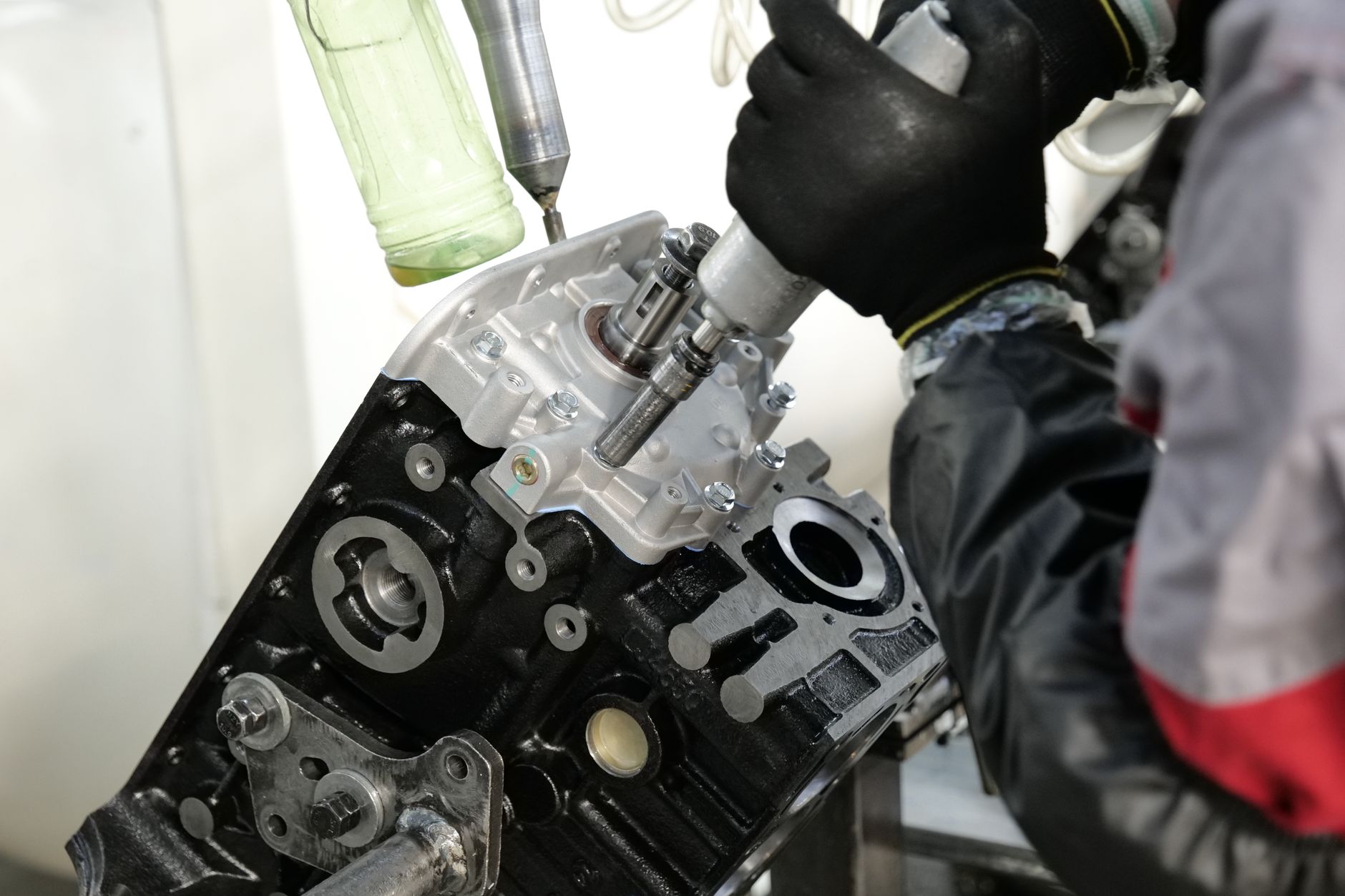
Approved training may reduce the amount of practical experience required in some circumstances, but it does not remove the need to demonstrate appropriate hands-on competence. Aircraft type training and organisational authorisation are also separate from holding a basic licence.
Planning your aircraft maintenance career?
Use the Aircraft Engineer Salary Calculator to estimate your potential salary based on experience and location.
Military experience and Part-66 applications
Military maintenance experience can be highly valuable, but it is not automatically converted into unrestricted civil certification privileges.
Under the UK Part-66 framework, military personnel and former military engineers may be able to use relevant service experience when applying for a civil licence. The UK CAA will require evidence that the experience is relevant and sufficiently comparable to the required civil maintenance environment.
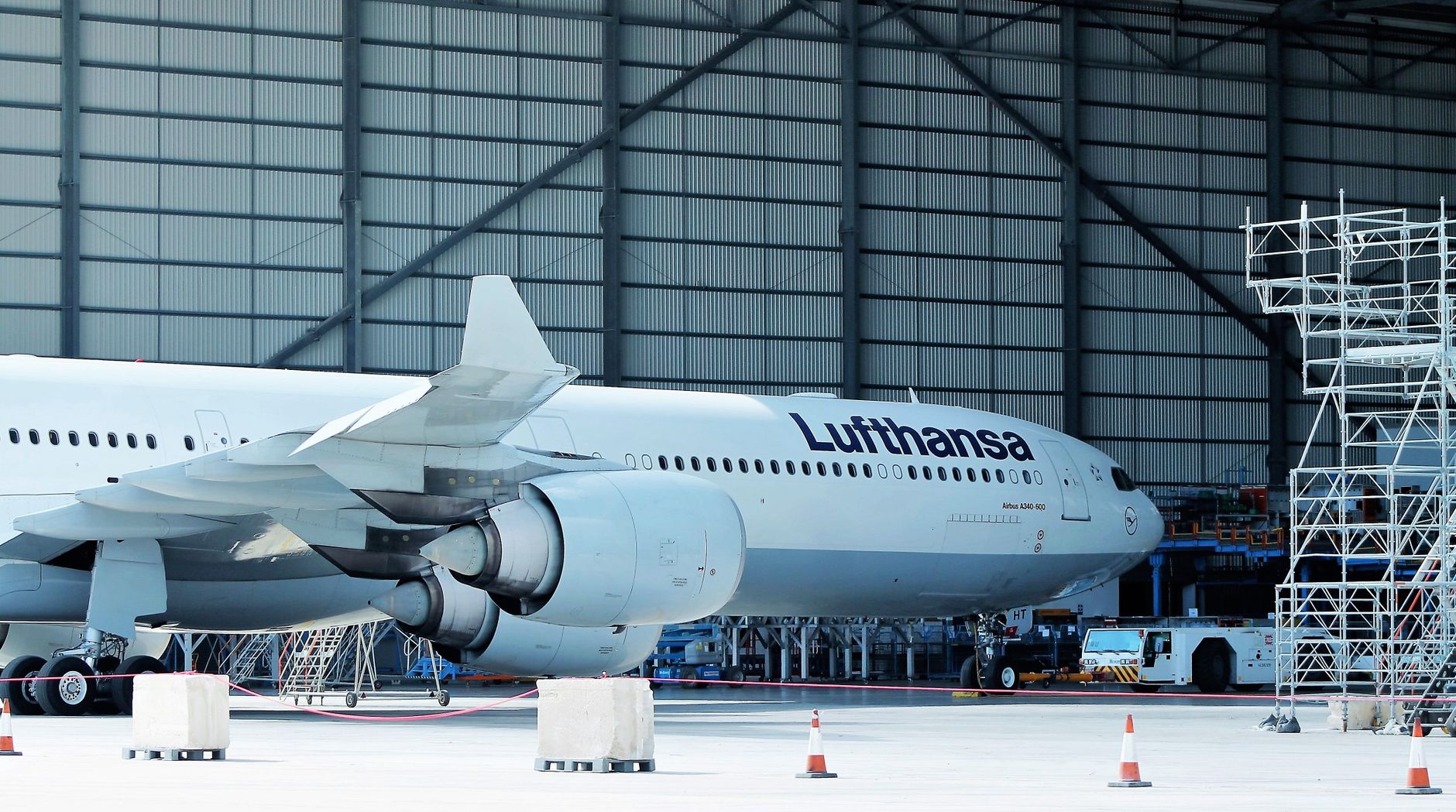
This may involve documentation through UK Ministry of Defence pathways, service records, task evidence, training records or formal statements confirming the applicant’s experience. The purpose is not simply to count years served. It is to establish that the applicant understands civil maintenance procedures, documentation, approved data and the responsibilities associated with civil aircraft certification.
Military engineers should therefore treat service recognition as an evidence-based assessment rather than an automatic licence conversion.
How the aerospace engineering route differs
Aerospace engineering roles commonly require a degree in aerospace engineering, mechanical engineering, electronic engineering or a related discipline. Some employers also recruit candidates with higher technical qualifications and substantial industry experience, particularly for manufacturing, systems integration and maintenance-adjacent roles.

Aerospace engineers develop competence through work on real programmes. Depending on the role, they may progress towards:
- Incorporated or Chartered Engineer status
- Design approval responsibilities
- Specialist technical authority
- Systems engineering leadership
- Programme or project management
- Research and development positions
Professional registration is not the same as an aircraft maintenance licence and does not, by itself, grant legal authority to certify aircraft maintenance. Likewise, a design engineer’s responsibility is normally exercised through the organisation’s approved design procedures rather than through an individual Part-66 maintenance authorisation. For civil aviation products, the applicable design and production approval framework is set by the relevant aviation authority. EASA provides an overview of its design organisation approvals and related responsibilities.
That distinction is important. A highly qualified aerospace engineer may understand aircraft design in considerable depth but still not be authorised to sign a maintenance release. Conversely, a licensed aircraft engineer may have extensive practical expertise without being responsible for designing a new wing, engine or flight-control law.
Which career is more hands-on?
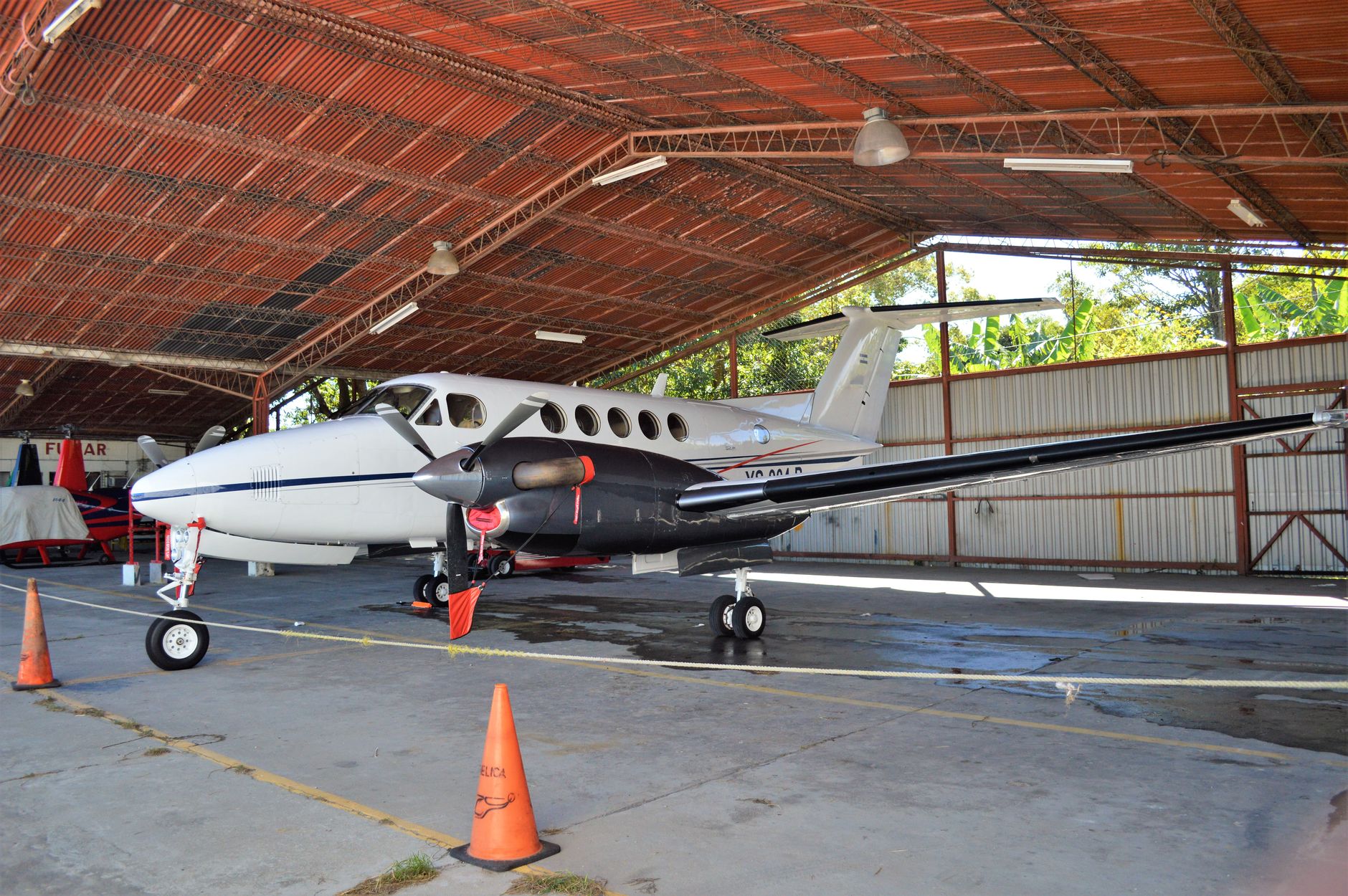
Aircraft maintenance engineering is generally the more hands-on option.
The role may involve working around aircraft at unsociable hours, accessing confined areas, using specialist tooling and dealing with faults under operational pressure. The work can be physically demanding and time-critical, particularly in line maintenance.
Aerospace engineering is often more analysis-led. It may involve computer-aided design, finite element analysis, computational fluid dynamics, coding, technical reviews and test planning. Some roles are predominantly office-based, while others are highly practical, particularly in manufacturing, experimental testing and flight test.

Neither route is simply theoretical or practical. Aerospace engineers may work directly with test articles and production aircraft, while maintenance engineers rely heavily on technical reasoning and system knowledge. The difference is where that expertise is applied.
Which career is more regulated?
Aircraft maintenance has the more direct personal licensing structure.
Where an engineer holds certification privileges, the licence and associated authorisations define what they may certify. The work must comply with the applicable aviation authority’s rules, the organisation’s approval and the aircraft’s approved maintenance data. The UK CAA airworthiness guidance provides official information on the wider airworthiness framework.
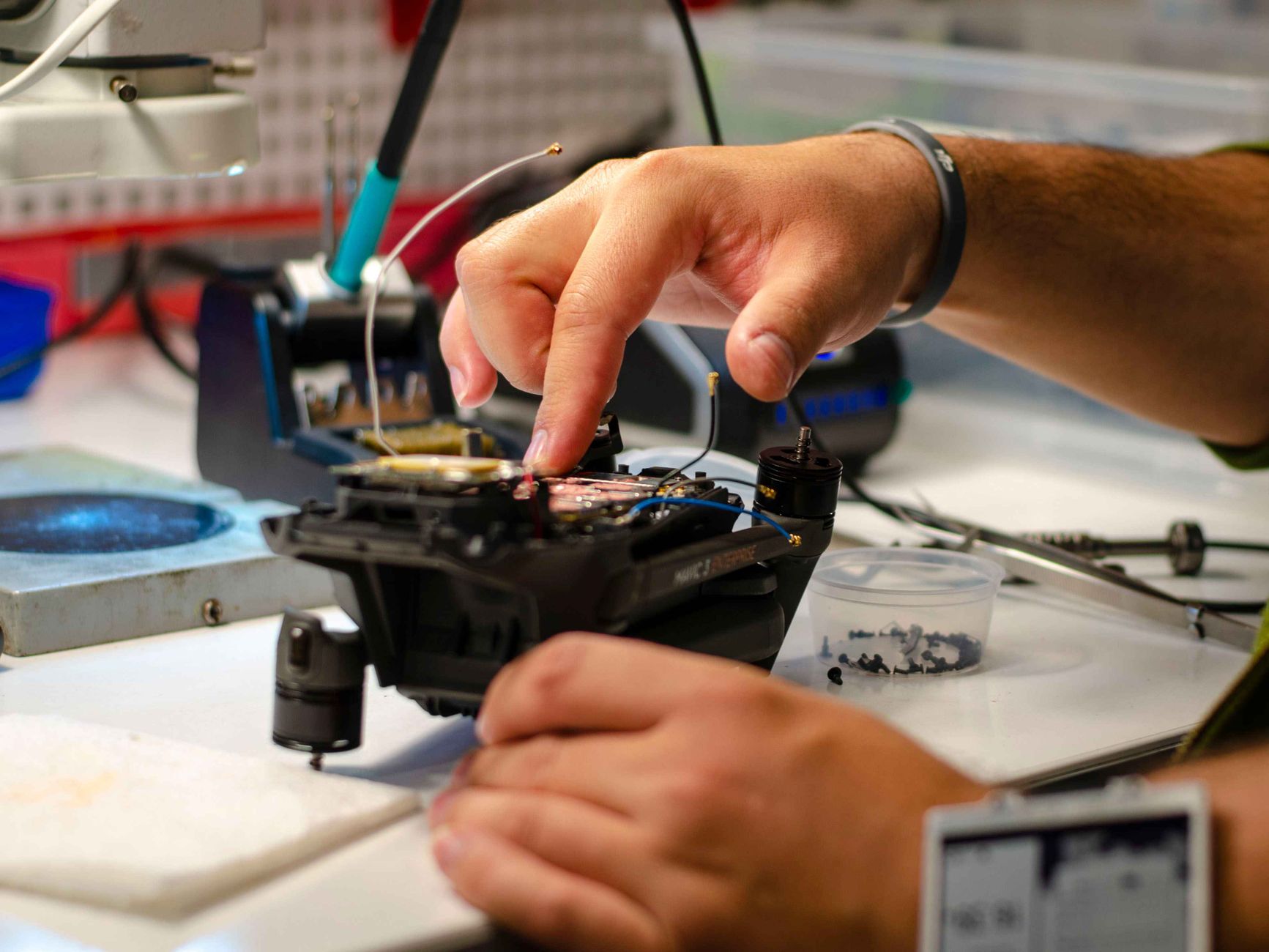
Aerospace engineering is also heavily regulated, but responsibility is usually distributed through an approved design or production organisation. Engineers may contribute to compliance demonstrations, safety assessments and approved technical data without holding a personal maintenance licence.
The exact requirements depend on the product and organisation. Civil aircraft design and production are governed by applicable UK CAA or EASA approval frameworks, while military and space projects may operate under different national, contractual or programme-specific systems.
What about FAA aircraft engineers?
The United States uses a different maintenance licensing system. The FAA Airframe and Powerplant certificate, commonly called the A&P, is the US qualification most often discussed in this context. The FAA mechanic certification guidance sets out the US framework for mechanic certificates and ratings.
An FAA A&P certificate is not the same as a UK CAA or EASA Part-66 licence. It does not automatically provide certification privileges on UK-registered or EASA-registered aircraft. Engineers considering international work must check:
- The aircraft’s registration
- The approving authority
- The maintenance organisation’s approval
- Any bilateral agreements
- Local requirements for licence recognition and authorisation
The same principle applies beyond the UK, Europe and the United States: maintenance licences are not universally interchangeable.
Why UK and EASA mobility matters
For engineers working between Britain and continental Europe, licence planning has become a genuine career issue.
The UK CAA and EASA both maintain high aviation safety standards, and their systems remain similar in many respects. However, they are separate legal systems. The difference can affect:
- Where an engineer can certify aircraft
- Which employers can use their licence
- How easily they can move between UK and European operators
- Whether additional examinations, experience evidence or licence action is required
- How future career opportunities are preserved
In a post-Brexit landscape, flexibility is important for long-term career growth. Engineers should check the licence requirements of the countries and aircraft registrations relevant to their intended career before committing to a training route. For wider industry standards and international regulatory context, the ICAO air navigation and safety information is a useful official reference.
Which career should you choose?
Choose aircraft maintenance engineering if you want to:
- Work directly on operational aircraft
- Diagnose and rectify technical faults
- Follow structured maintenance procedures
- Work towards UK CAA or EASA Part-66 certification
- See the immediate result of your work when an aircraft returns to service
Choose aerospace engineering if you want to:
- Design and improve aircraft or spacecraft
- Work with analysis, modelling and development programmes
- Specialise in areas such as aerodynamics, structures, propulsion or systems
- Contribute to new technology and future aircraft
- Follow a graduate engineering and professional registration route
There is also room to move between the two. Maintenance experience can provide valuable operational insight for design and reliability roles. Aerospace engineering experience can be useful in technical services, engineering support and aircraft modification work. The move may require additional qualifications, evidence of competence or a change in regulatory responsibilities, but the two professions are not isolated from one another.

The bottom line
An aircraft engineer keeps existing aircraft safe and serviceable. An aerospace engineer helps create, develop and improve aerospace products.
The aircraft engineer’s career is centred on maintenance practice, aircraft systems, practical experience and, where applicable, UK CAA or EASA Part-66 licensing. The aerospace engineer’s career is centred on design, analysis, development, testing and engineering responsibility within an approved organisation.
Both careers demand technical ability, disciplined decision-making and a serious respect for safety. The crucial question is whether you would rather solve the fault on the aircraft in front of you or help design the aircraft that enters service next.
For more aviation career guidance, visit the AeroTech Careers Blog or explore current aviation job opportunities.




Login or register to join the conversation.
Join the discussion
0 comments