

.jpg)
If you’re a licensed aircraft engineer, mechanic, or avionics technician, create your free AeroTechCareers profile to showcase your competencies and be found by recruiters actively searching for engineers like you.
Aircraft Composite Repairs: Why Modern Airframes Need Specialist Maintenance Skills
The aircraft maintenance industry faces a serious shortage of skilled engineers. As fleets become more advanced, the need for properly trained specialists has never been greater.
Modern aircraft are no longer built primarily from aluminium and other traditional metals. Composite materials now form a significant part of the structure, particularly in the latest generation of commercial airliners.
This change brings major benefits. Composites are light, highly resistant to corrosion and capable of delivering excellent strength-to-weight performance. However, they require a different approach to inspection, repair and certification.
A mechanic with extensive experience in metallic structures cannot automatically be considered qualified to repair a carbon-fibre fuselage or composite wing. These materials behave differently, damage develops differently and poor repair work may not be visible from the outside.
Composite materials are central to aircraft design
The use of composites has grown steadily across commercial aviation.
- The McDonnell Douglas MD-90 contained approximately 2.5% composite material by structural weight.
- The Boeing 777 contained approximately 10%.
- The Airbus A380 contained approximately 22%.
- The Boeing 787 Dreamliner contains approximately 50% by weight, or around 80% by volume, composite material.
- The Airbus A350 XWB contains approximately 52% to 53% by weight, or around 83% by volume, composites.
The difference between weight and volume is important. Composite materials are generally lighter than metals, so they can occupy a large proportion of an airframe without accounting for the same proportion of its total weight.
The Boeing 787 uses composites extensively in its fuselage and wings. The Airbus A350 also relies heavily on composite structures, including large carbon-fibre panels and fuselage frames.
This evolution is not accidental. Composites offer several advantages:
- Lower structural weight
- Improved fuel efficiency
- Reduced corrosion compared with traditional metallic structures
- Greater design flexibility
- Potential reductions in lifecycle maintenance
- High strength and stiffness in carefully engineered directions
The aerospace industry is also developing an expanding range of high-performance thermoset polymers to supplement established epoxy systems. Some of these materials have already been proven in demanding military aviation environments.
However, the increased use of composites means that maintenance organisations must develop a deeper pool of specialist knowledge. Technicians can explore how digital tools are changing this work in Aircraft Maintenance in the Digital Age.
Composite structures do not fail in the same way as metal
Metallic aircraft structures tend to provide familiar warning signs. A dent, crack, corrosion area or deformation may be visible during a conventional inspection.
Composite damage can be more complicated. A relatively minor-looking impact may cause extensive internal damage, including:
- Delamination between layers
- Crushed honeycomb cores
- Fibre breakage
- Matrix cracking
- Disbonding
- Moisture ingress
- Damage beneath a surface that appears intact
This is particularly important after ground equipment strikes, bird impacts, turbulence encounters, lightning strikes and hard landings.
A carbon-fibre panel may not show a dramatic dent even when its load-carrying capability has been reduced. In some cases, the most important damage is hidden beneath the surface.
Composite maintenance therefore cannot depend solely on visual inspection or judgement developed through years of working on aluminium structures.
Inspection requires specialist equipment and interpretation
Aircraft composite repairs often begin with non-destructive testing rather than the immediate removal of material.
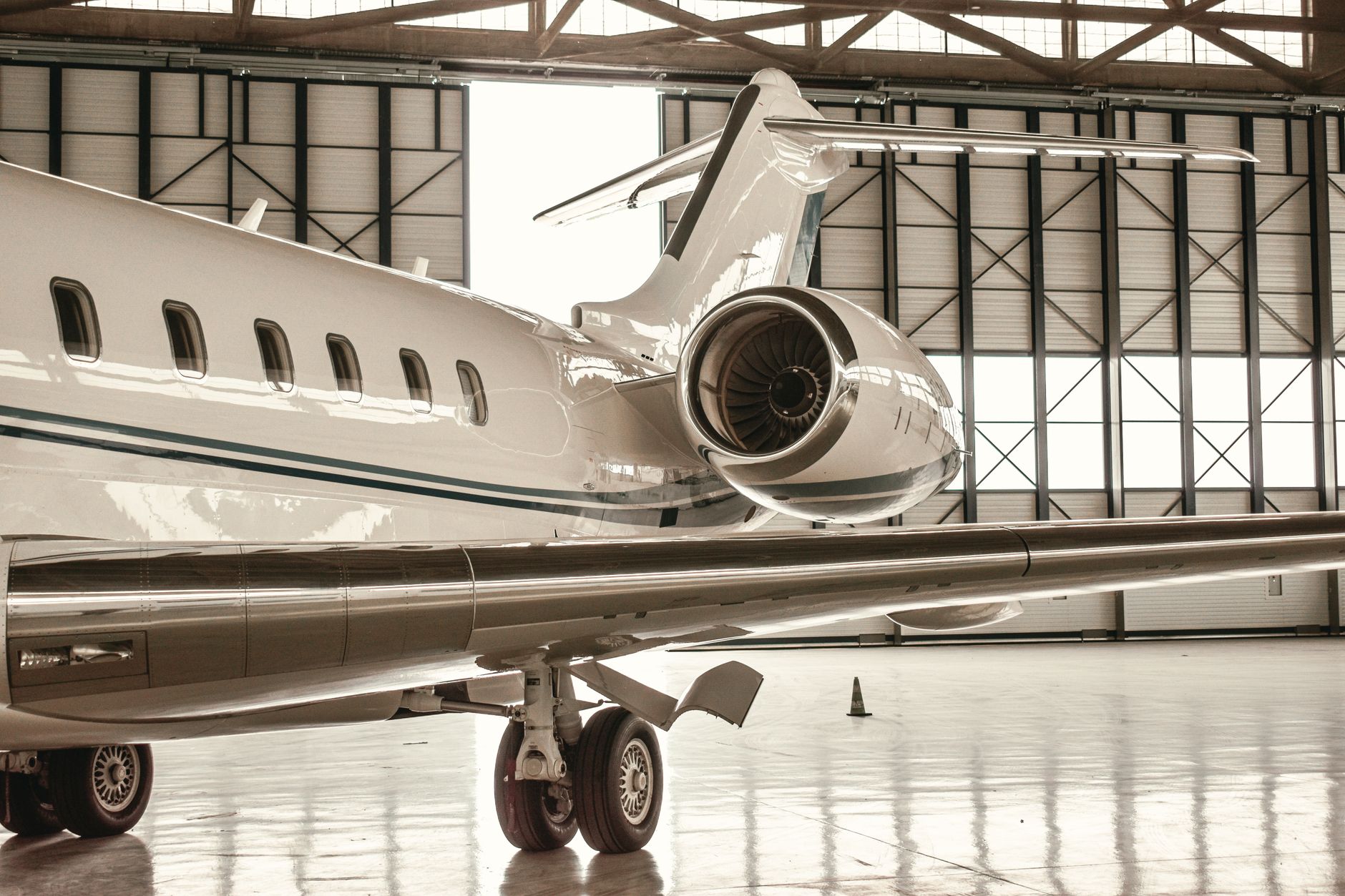
Depending on the aircraft type and approved maintenance data, technicians may use:
- Ultrasonic inspection
- Tap testing
- Thermography
- Radiography
- Shearography
- Visual inspection under controlled conditions
- Moisture detection
- Specialised bonded-joint inspection techniques
Ultrasonic inspection is particularly important because it can help identify delamination, voids and disbonds that are not visible externally.
However, owning the equipment is not enough. Technicians must know how to set it up, calibrate it, interpret indications and distinguish genuine damage from normal variations within a composite structure.
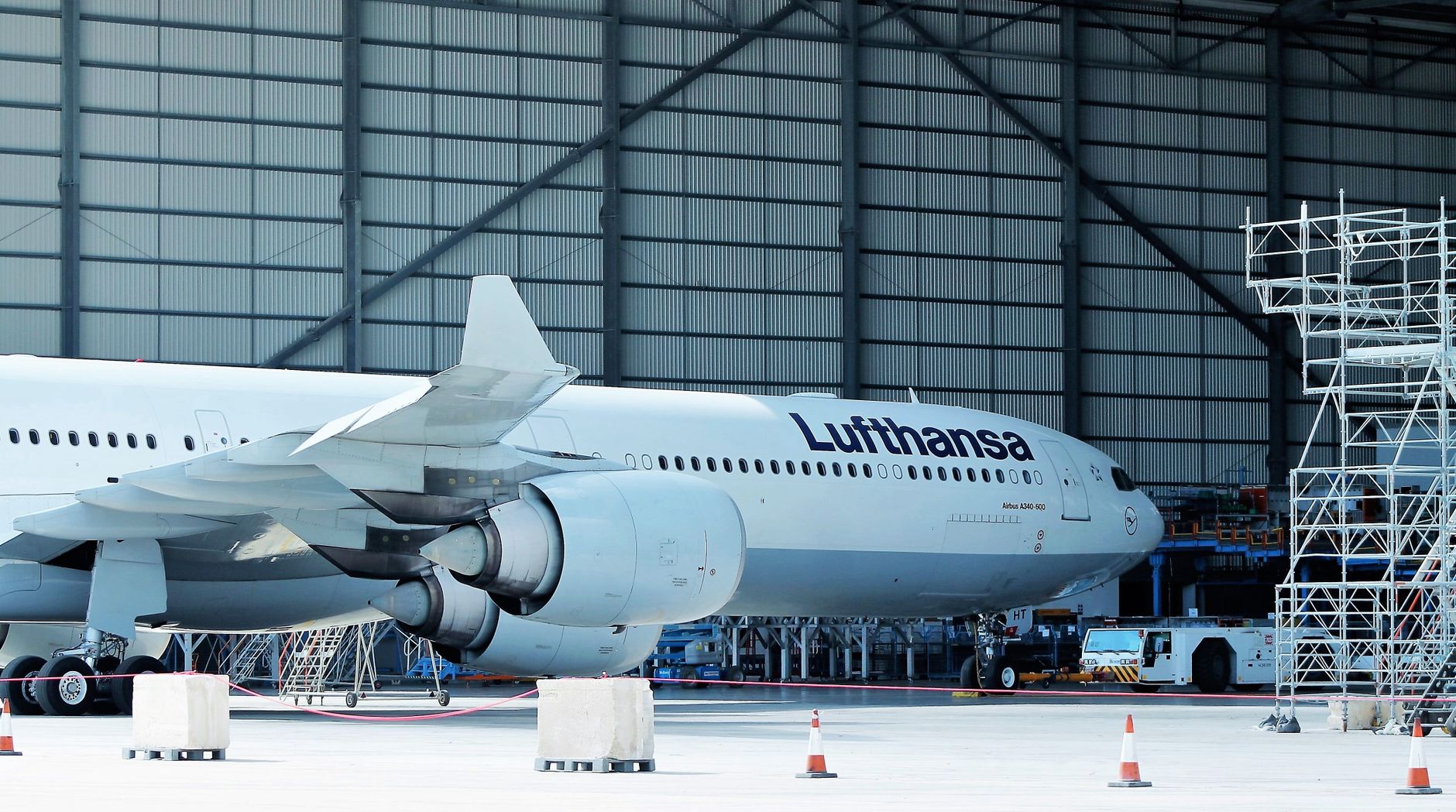
Maintenance teams should follow the applicable authority’s continuing-airworthiness requirements and current directives. The FAA airworthiness directive resources provide an official reference for affected US-registered aircraft, while the UK CAA airworthiness directive guidance supports operators working under the UK system.
Incorrect interpretation can lead to two serious outcomes:
- Damage may be missed and the aircraft returned to service.
- A sound structure may be unnecessarily damaged during an invasive repair.
Both situations create safety, cost and operational risks.
Repair methods must match the original design
Composite repair is not simply a matter of applying a patch over a damaged area.
The process may involve removing damaged plies, preparing a controlled taper, installing replacement material in the correct orientation and curing the repair under approved conditions.
Fibre direction is critical. Carbon fibres provide much of their strength along their length, so the orientation and sequence of each layer must match the engineering requirements.
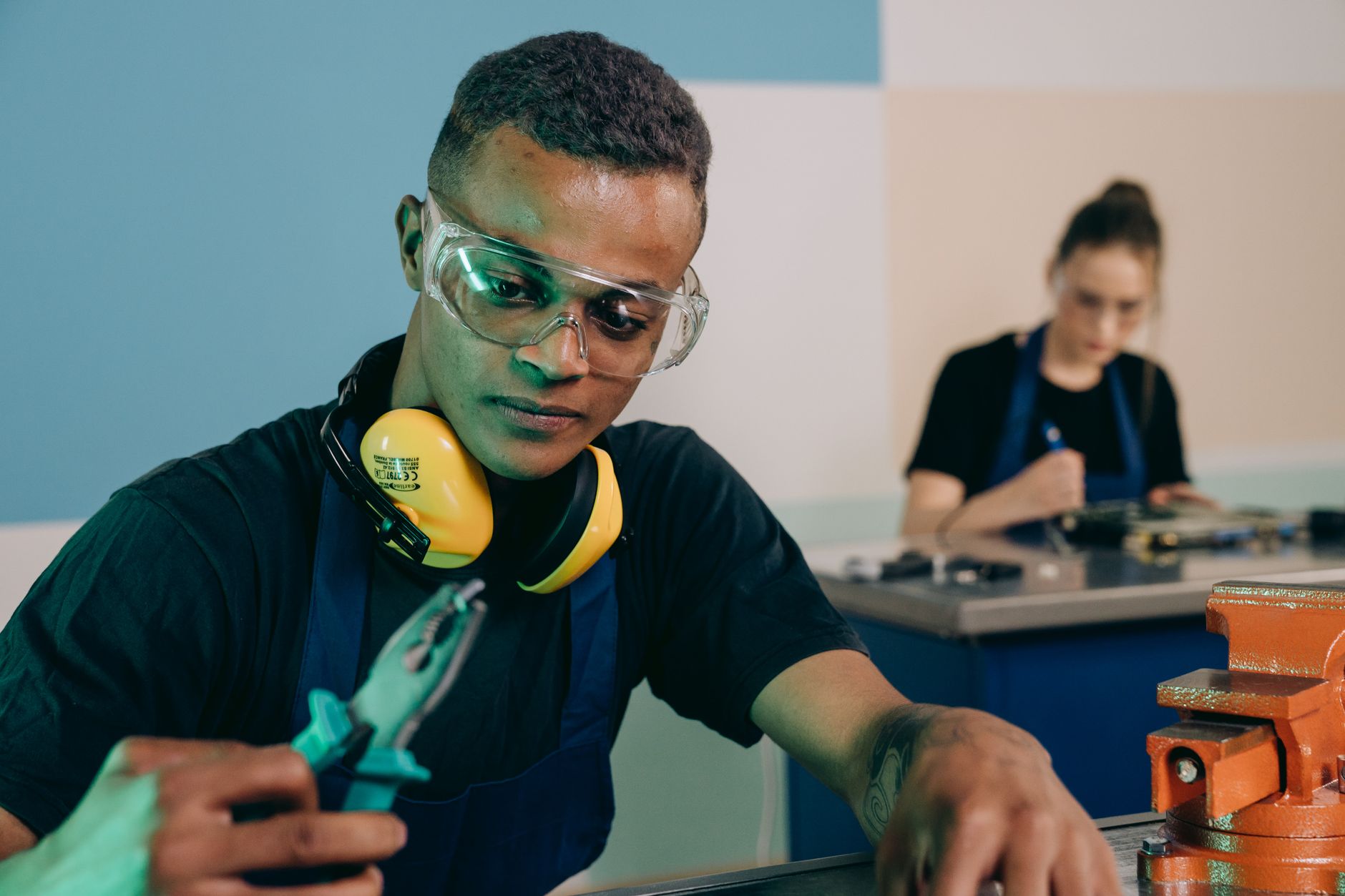
A repair can appear neat and structurally convincing while still being incorrect if:
- The wrong material has been used
- The fibre orientation is incorrect
- The laminate sequence has been changed
- The bondline is contaminated
- The cure temperature or pressure is unsuitable
- The repair area has not been prepared correctly
- The core material has not been replaced or sealed properly
Composite repair work may also require strict control of temperature, humidity, cleanliness and storage conditions. Adhesives and prepreg materials have limited shelf lives and may need to be stored at controlled temperatures.
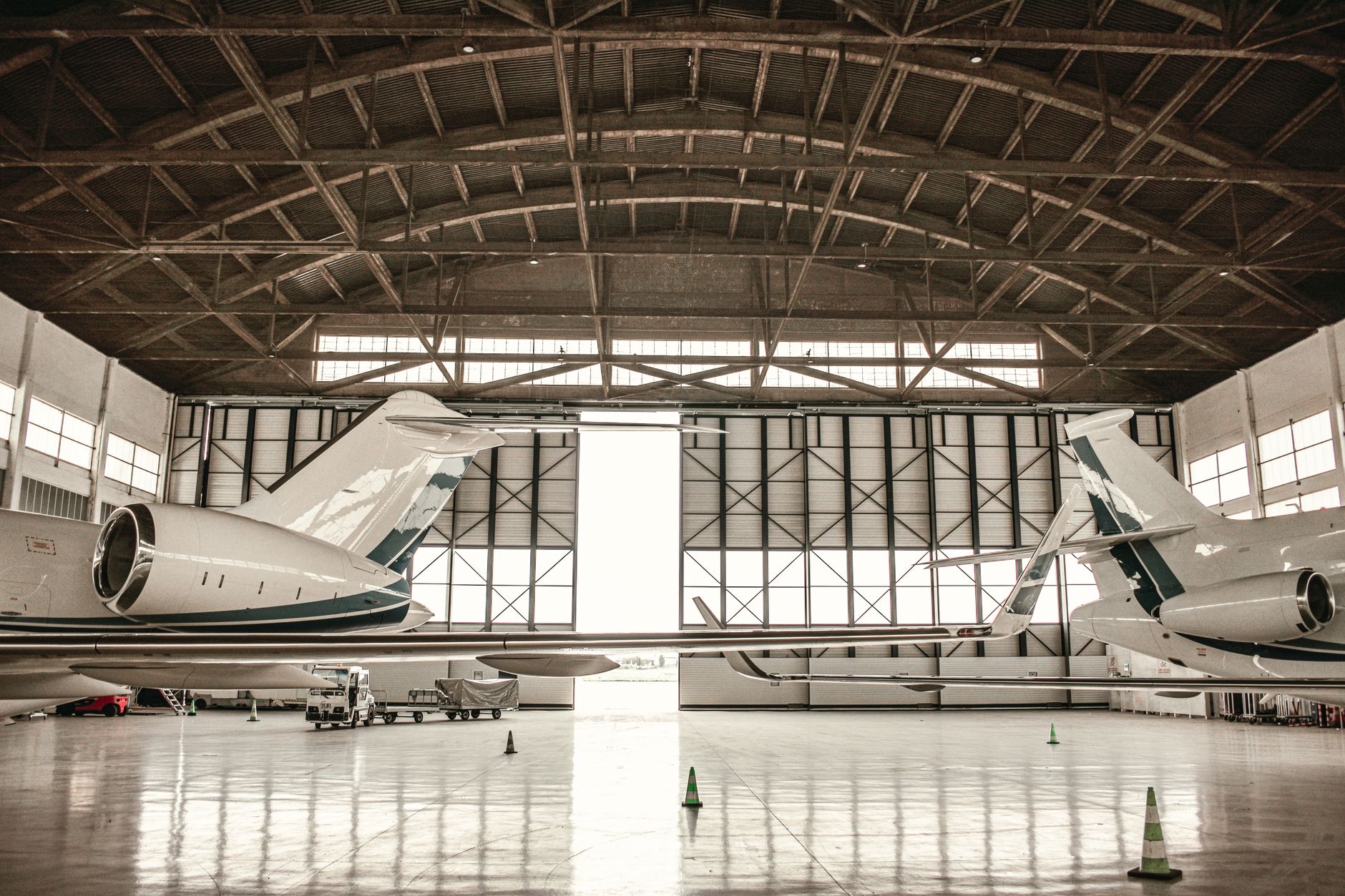
This differs considerably from many traditional sheet-metal repairs, in which a technician may work primarily with fasteners, formed metal and visible structural damage.
Large composite structures make maintenance more demanding
Modern aircraft contain large composite fuselage sections, wings and structural frames. These components are designed as part of an integrated load-bearing system rather than as isolated panels.
A local repair may therefore affect more than the immediate damaged area. Engineers and technicians may need to consider:
- Load paths
- Structural continuity
- Bonded and bolted joints
- Lightning protection
- Environmental sealing
- Fire and smoke requirements
- Electrical bonding
- Aerodynamic surface tolerances
- Interaction with nearby metallic components
Composite structures also require careful consideration where different materials meet. Connections between carbon-fibre components, aluminium parts, titanium fittings and other materials can create additional design and inspection challenges.
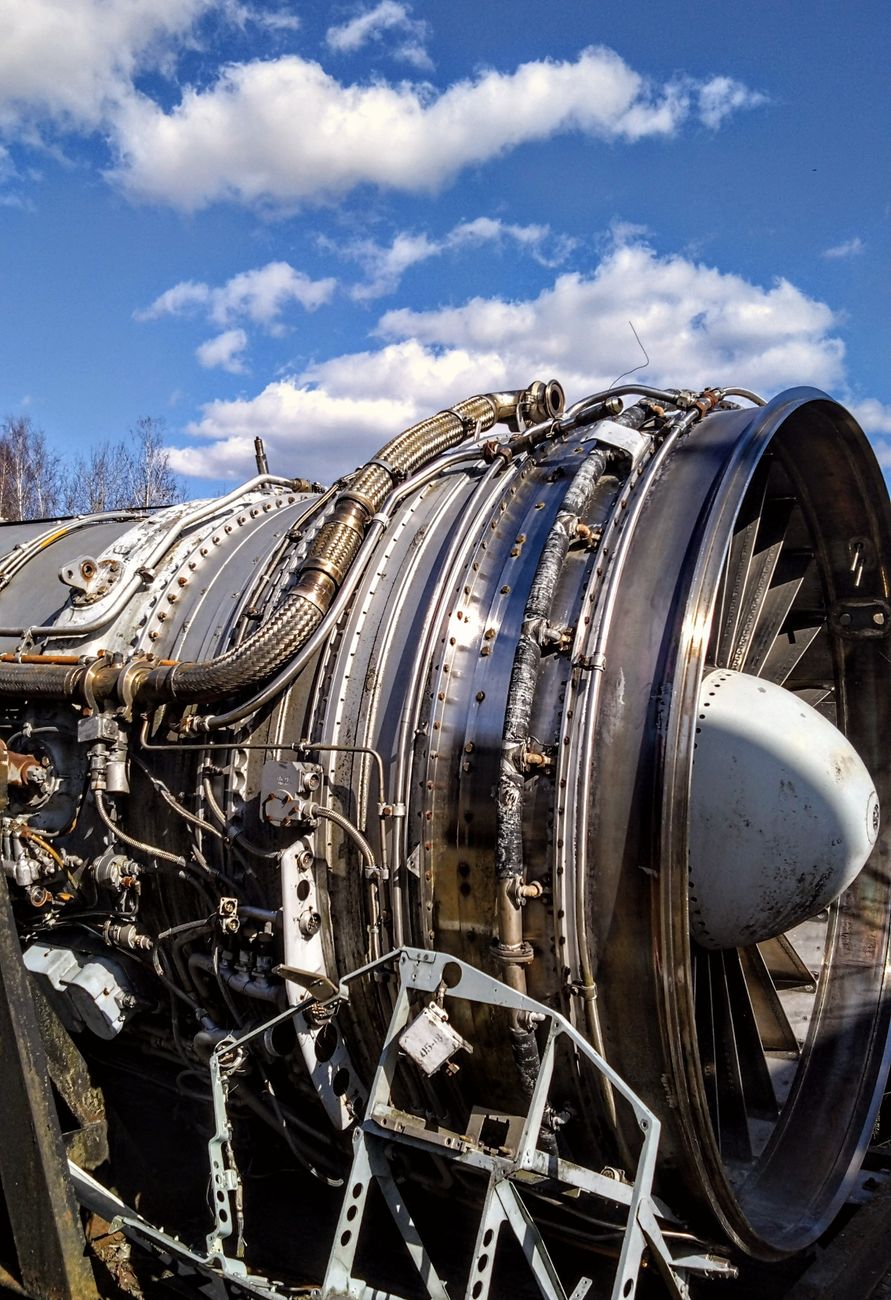
The repair must restore more than appearance. It must return the component to an approved level of strength, stiffness, durability and environmental protection.
The Boeing 787 highlights the importance of specialist inspection
Recent developments involving the Boeing 787 illustrate why composite maintenance requires continual technical oversight.
The FAA proposed an airworthiness directive following a Boeing investigation into gaps between structural components that may have exceeded engineering limits during assembly.
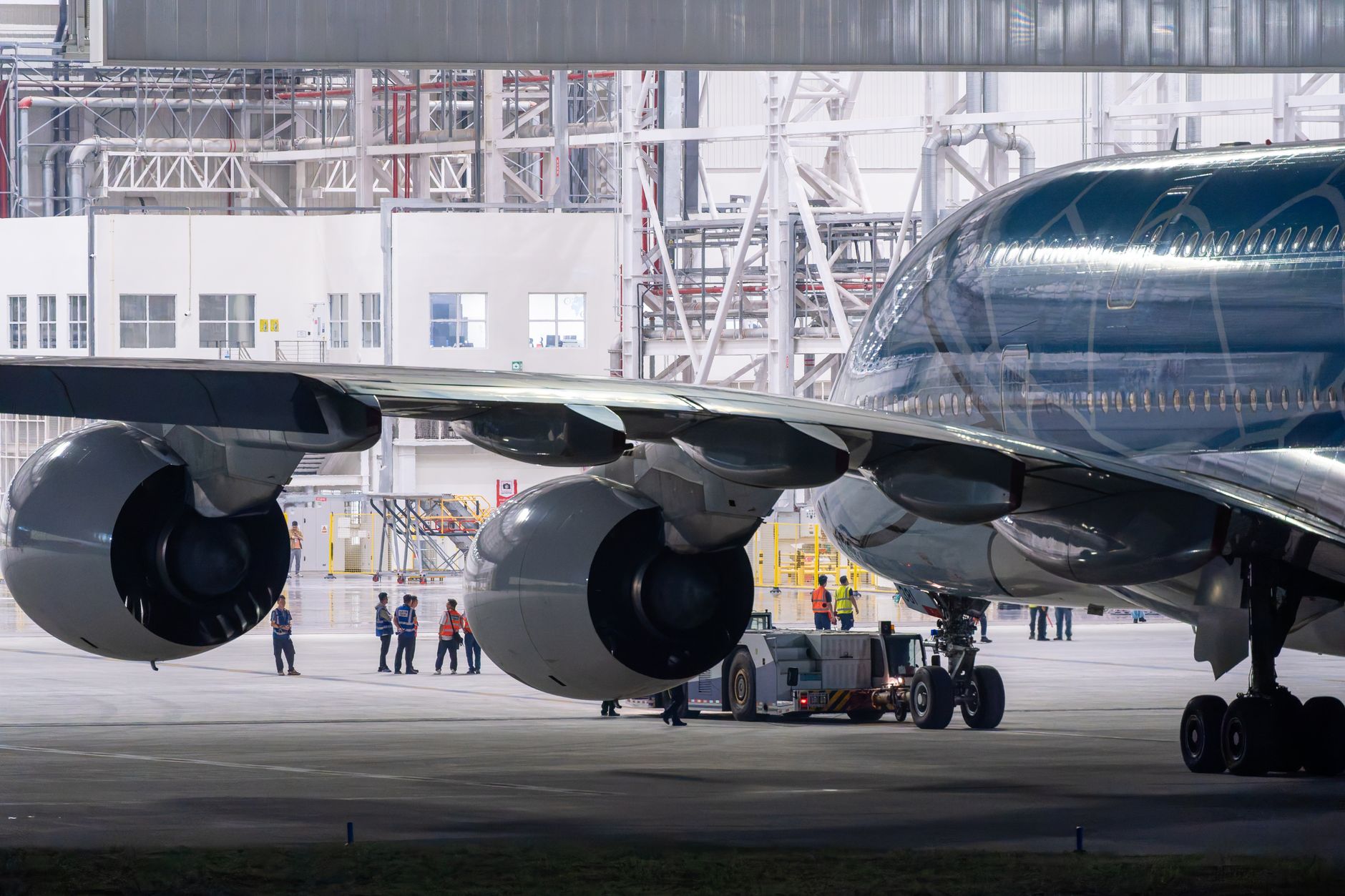
The proposed directive would require repetitive ultrasonic inspections of areas including:
- Splice plates
- Spar terminal fittings
- Lower chords
- Jack pads
It applies to the 787-8, 787-9 and 787-10 variants. The proposal affects 17 US-registered aircraft, apparently based on when they were built. Major US operators of the 787 include United Airlines, American Airlines and Alaska Airlines.
The public comment period closed on 27 April 2026.
This development should not be interpreted as evidence that composite airframes are inherently unsafe. Boeing has stated that it supports the directive and that the 787 fleet can continue normal operations. Full-scale fatigue testing involving 165,000 simulated flights reportedly found no fatigue issues in the composite structure.
Instead, the situation demonstrates the importance of detailed inspection programmes, manufacturing control and specialist maintenance capability. Advanced structures still require evidence-based monitoring throughout their operational lives. For broader continuing-airworthiness information, consult the EASA continuing-airworthiness resources.
Training must keep pace with aircraft technology
The move towards composite airframes has outpaced the development of the wider maintenance workforce.
Many technicians entering the industry receive a broad grounding in aircraft maintenance without gaining sufficient practical experience in advanced composite repair. Others may learn through short courses or manufacturer-specific training but lack the wider understanding needed to assess unfamiliar damage.
Specialist training should cover:
- Composite material identification
- Damage mechanisms
- Structural assessment
- Non-destructive testing
- Repair design and preparation
- Adhesive and resin systems
- Prepreg handling
- Cure control
- Bonded repairs
- Ply orientation and laminate schedules
- Environmental and contamination control
- Manufacturer manuals and approved repair data
- Documentation and independent inspection
Practical experience is equally important. Composite repair is difficult to learn from theory alone. Technicians need supervised exposure to real components, representative damage and controlled repair processes.
Structured apprenticeships, technical education and manufacturer-approved training remain essential. Find suitable institutions through our Part 147 training schools resource.
Speed cannot replace competence
The shortage of aircraft maintenance engineers creates pressure to return aircraft to service quickly. That pressure is understandable because aircraft downtime is expensive and operators must maintain reliable schedules.
Composite repairs cannot, however, be rushed simply because the damage appears minor.
A technician may need to wait for:
- Engineering instructions
- Inspection results
- Material availability
- Controlled environmental conditions
- Cure cycles
- Quality assurance checks
- Independent inspections
- Release-to-service approval
Skipping or weakening any of these steps can compromise the repair.
The industry’s recruitment challenges make this particularly concerning. Hiring people with basic mechanical skills may help fill vacancies, but it does not provide the specialist knowledge required for modern airframes. Explore current aircraft mechanic jobs to identify opportunities that value advanced maintenance skills.
Aircraft maintenance is not an area where learning on the job should replace structured development and supervision.
A new generation of aircraft needs a new generation of skills
Composite materials have transformed aircraft design. The Boeing 787 and Airbus A350 demonstrate how far the industry has moved from the aluminium-dominated airframes of previous decades.
With approximately half of their structural weight attributed to composites, these aircraft demand maintenance teams that understand advanced materials at a fundamental level.
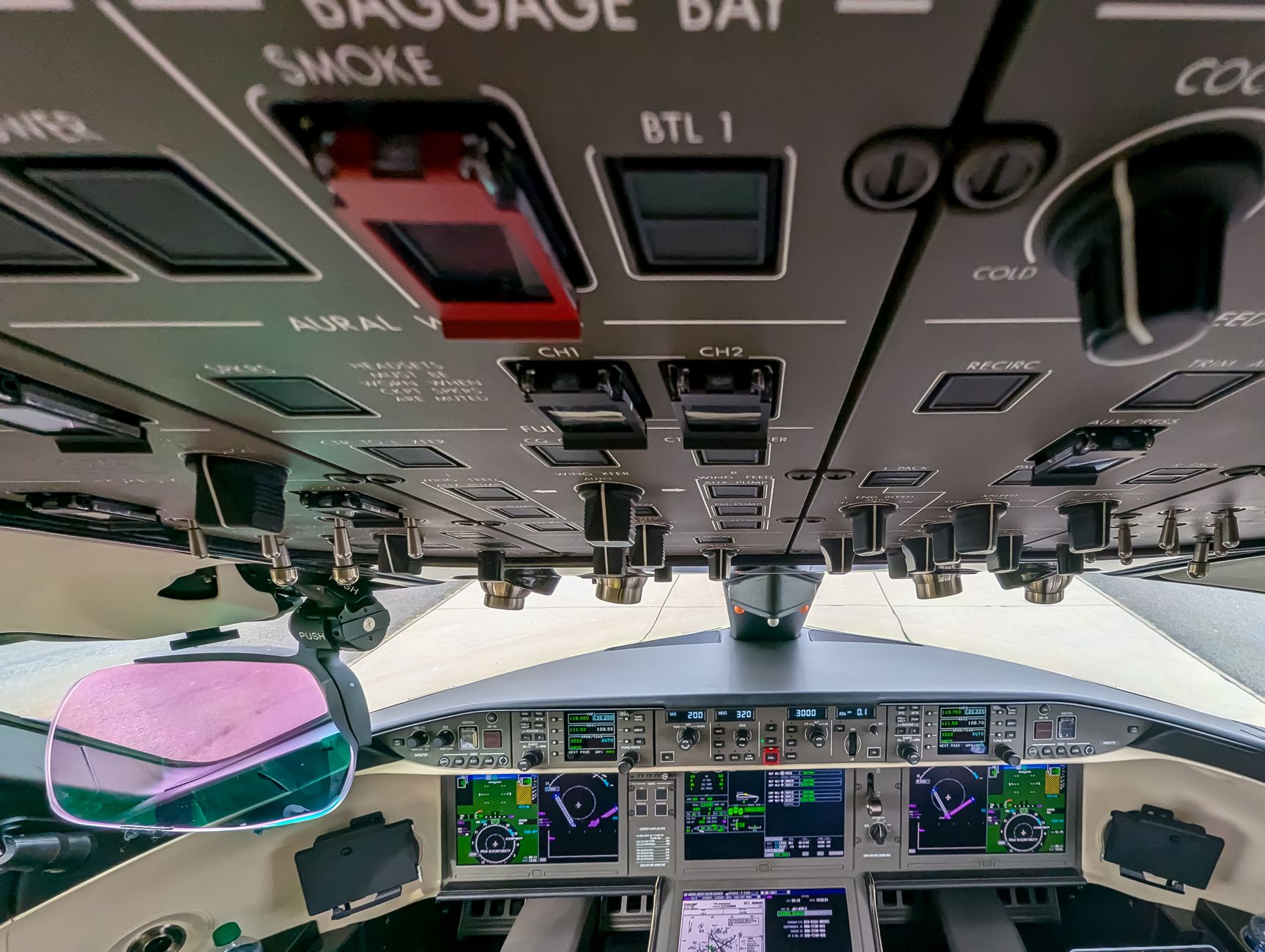
The benefits are significant, but they are not automatic. Lightweight, corrosion-resistant structures still require rigorous inspection, accurate repairs and continuous engineering oversight.
The future of aircraft maintenance depends on more than recruiting enough people to fill open positions. It depends on developing technicians who can safely work with the materials used in today’s aircraft.
Modern airframes require modern maintenance skills. Without that investment, the industry risks creating a gap between the technology being flown and the expertise available to maintain it.

For more practical aviation maintenance insights, read the latest articles from AeroTech Careers.



Login or register to join the conversation.
Join the discussion
0 comments