

If you’re a licensed aircraft engineer, mechanic, or avionics technician, create your free AeroTechCareers profile to showcase your competencies and be found by recruiters actively searching for engineers like you.
Part-66 licence costs in the UK: a realistic training and application budget
A UK Part-66 aircraft maintenance licence is a professional qualification, not a single training package. The total cost depends on the licence category, the examinations required, your existing practical experience and whether you complete a full Part-147 training programme or study individual modules.
The most useful way to budget is to separate the costs into five areas:
- Basic knowledge training
- Part-66 examinations
- Practical maintenance experience
- The UK CAA licence application
- Additional training, travel and resits
The figures below are UK-focused and use the UK CAA framework. An EASA Part-66 licence requires a separate application to an EASA member-state authority, although much of the training structure is similar.
The main UK Part-66 cost: training
Part-66 knowledge training is normally completed through a Part-147-approved maintenance training organisation. A Part-147 organisation may provide classroom teaching, online learning, examination preparation or an integrated route combining basic training with practical elements.
Part-66 licensing requirements sit within the UK aviation regulatory framework. Before choosing a course, check the current requirements in the UK CAA Part-66 guidance and confirm that the organisation's approval covers the training and examinations you need.
Costs vary considerably. The following figures are planning estimates, not regulated prices:
- Self-study with textbooks and online resources: £500 to £2,000
- Individual Part-147 modules: £500 to £2,000 per module
- Selected classroom modules: £2,000 to £8,000
- Full basic training programme: £10,000 to £25,000 or more
- Additional aircraft type training: £3,000 to £15,000 or more
A full programme at a college or maintenance training organisation may include tuition, examination preparation, workshop access and assessment. A low-cost self-study route may reduce the training bill, but it places greater responsibility on the applicant to understand the syllabus, book examinations and arrange suitable experience.
Aircraft type training is normally a separate cost. It is not usually required to obtain the basic licence, but it may be required before exercising certification privileges on a particular aircraft type.
Do not confuse a Part-147 course with the whole licence
A short Part-147 compliance or certifying-staff course is not the same as a complete Part-66 basic training programme for an individual applicant. Always check exactly what a quoted price covers:
- The full Part-66 syllabus or selected subjects only
- Training only, or training and examinations
- One module, several modules or a complete category
- Practical training and workshop assessment
- Examination fees
- Study materials
- VAT
- Administration and certificate charges
A course costing £930 may be appropriate for its intended purpose while having little relationship to the total cost of obtaining a licence. Ask the provider for a written breakdown before paying a deposit.
Part-66 examination fees
Part-66 applicants must demonstrate knowledge in the relevant modules under the applicable UK regulations. The CAA's Part-66 information explains the available examination and licensing routes. Examinations may be taken through an appropriately approved UK Part-147 organisation or, where available, through the UK CAA.
The CAA's published charging information should be checked before booking because fees can change. The current planning figure used here is £14.28 per CAA e-examination paper. This is a charge per paper, not a single fee covering all Part-66 knowledge requirements.
Your total examination cost depends on:
- The category or sub-category sought
- The number of modules required
- Existing credits or recognised qualifications
- Whether examinations are taken through the CAA or a Part-147 organisation
- The number of resits required
A straightforward first-attempt budget might therefore be around £200 to £500 for CAA examination-paper charges, depending on the route and number of papers. The training organisation may charge additional examination or administration fees.
Allow a further £100 to £500 as a contingency for resits, replacement documentation, additional learning materials or examination administration. Failed examinations also create indirect costs through extra travel, time away from work and delayed application.
The UK CAA application fee
The UK CAA Customer Portal is used for aircraft maintenance licence applications. Applicants who have not used the portal before must create an account before selecting the aircraft maintenance licence application service.
The CAA currently lists a charge of £455 per category or sub-category applied for. Confirm the latest amount in the CAA's official fees and charges information before submitting an application.
This is an important distinction. The cost is not necessarily £455 for every privilege an applicant may eventually hold. The fee is charged for each category or sub-category included in the application.
- One category or sub-category: £455
- Two categories or sub-categories: £910
- Three categories or sub-categories: £1,365
The CAA also states that £242 may be deducted to recover the average application-review cost where an application received from 15 September 2016 onwards is rejected or withdrawn before the review is complete. This is not a routine licence fee, but it is a real financial risk if an application is incomplete or unsuitable.
Do not apply simply because you have passed the examinations. Check the evidence of experience, examination results, identity and supporting documents carefully first. Our guide to common CAP 741 logbook mistakes explains several issues that can delay a licence application.
Experience: the cost that is often underestimated
Part-66 experience is not normally bought from the CAA. It is accumulated through practical maintenance work under suitable supervision and recorded in a form that can be evidenced.
Many applicants use a CAP 741 aircraft maintenance engineer's logbook, or an equivalent controlled record, to document completed work. The logbook itself is a relatively small cost compared with the financial impact of obtaining suitable employment, travelling to a maintenance organisation or taking unpaid time to gain experience.
Potential experience-related costs include:
- CAP 741 logbooks and replacement records
- Travel to a maintenance organisation
- Accommodation for placements or temporary work
- Personal protective equipment
- Tools where the employer does not provide them
- Medical examinations or occupational screening required by an employer
- Lost earnings during full-time training or unpaid placements
The exact experience requirement depends on the licence category, previous technical education and whether the training route is approved. A Part-147-approved basic training course can reduce the experience requirement compared with an entirely non-approved route, but it does not remove the need to demonstrate appropriate practical maintenance experience.
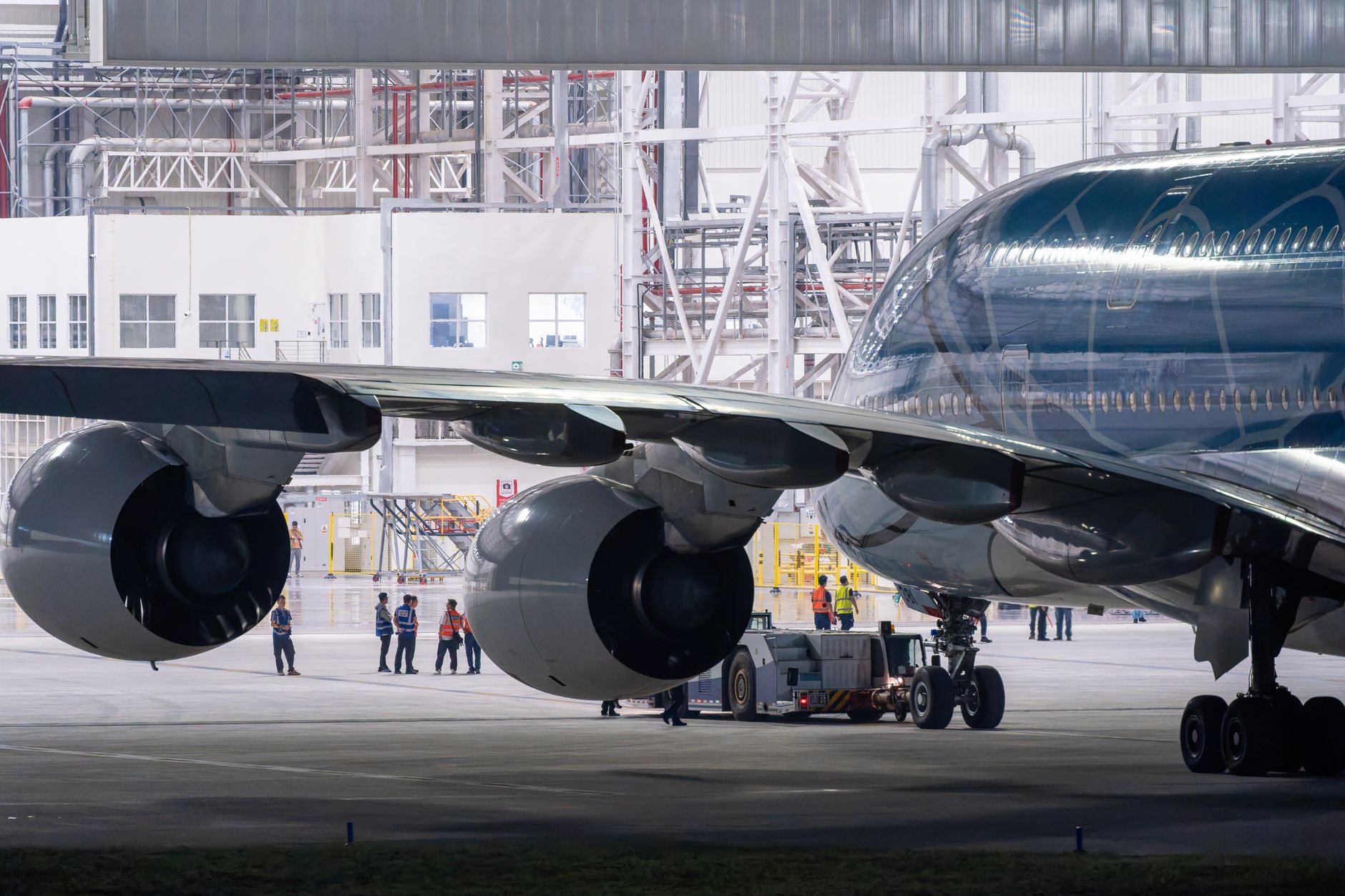
Read how to build qualifying aircraft maintenance experience for a Part-66 B1 licence before selecting a training route. The cheapest course is not always the cheapest route overall. A low-cost programme that leaves an applicant without access to real aircraft maintenance can result in years of delay and additional travel or employment costs.
Keep your records organised from the beginning. The Part 66 Logbook Analysis product can help you review your maintenance records and identify potential evidence gaps before you apply.
Military experience and UK MoD routes
Former military personnel should not assume that all service experience transfers directly into a civil Part-66 licence. Military maintenance experience may be recognised, but the applicant normally needs formal evidence of:
- The aircraft and systems worked on
- The maintenance tasks performed
- The level of responsibility held
- The dates and duration of the experience
- The relevant technical training and examinations
UK Ministry of Defence recognition pathways may provide supporting evidence, or a route for translating military qualifications and experience into civil licensing terms. The precise treatment depends on the individual's service record and the licence category sought.
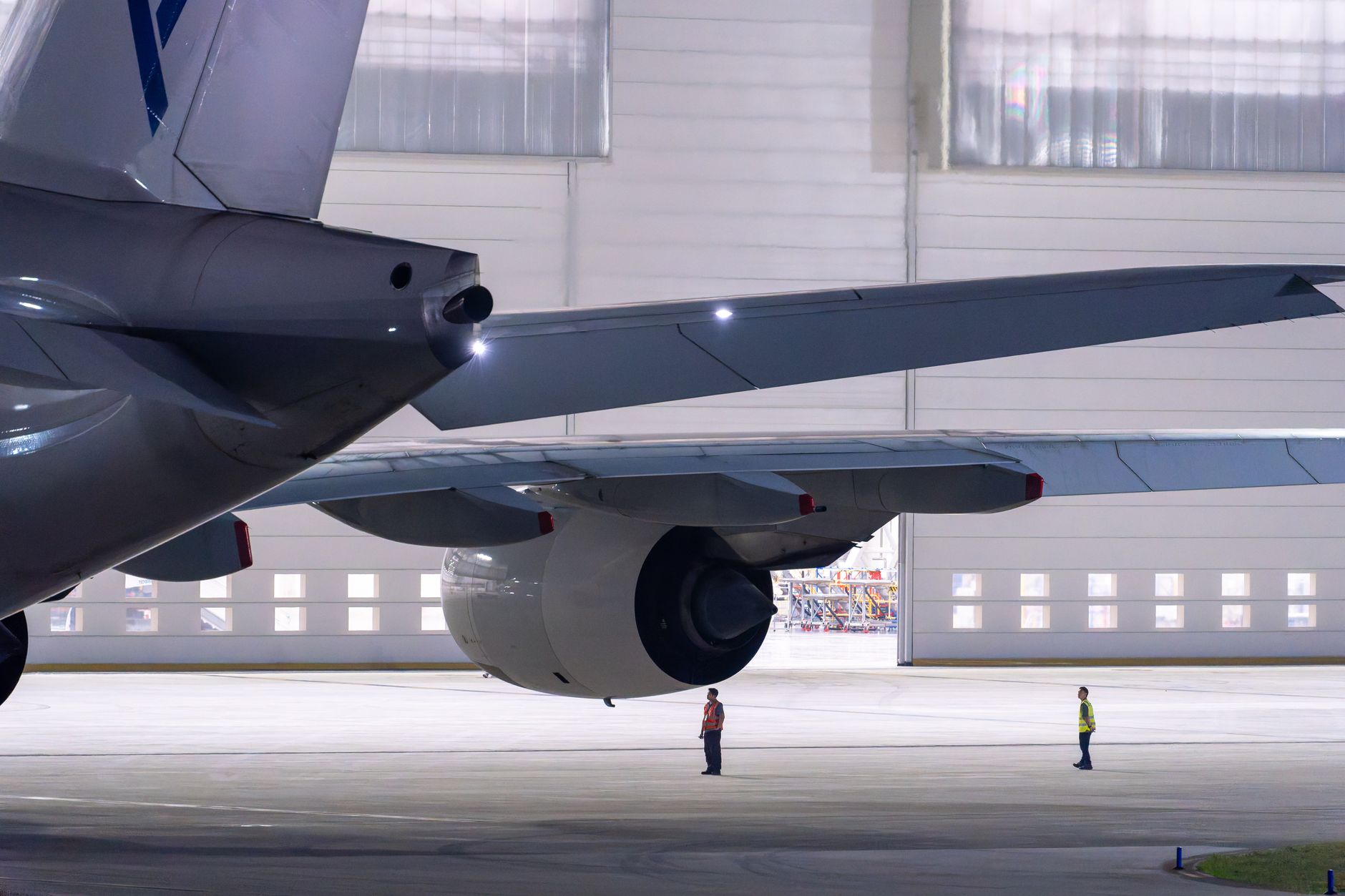
Before paying for civilian modules or repeating experience, service leavers should obtain an assessment of their MoD documentation and ask the UK CAA or an appropriately approved organisation what credit may be available. A clear service record can reduce duplicated training costs. An incomplete record can make assessment slower and more expensive.
A realistic UK budget
The following examples show how the total cost can develop. They are not fixed CAA prices and exclude normal living costs.
Budget route: self-study and existing maintenance employment
- Books, online resources and study materials: £500 to £1,500
- CAA examination-paper fees: £200 to £500
- Resit and administration contingency: £100 to £500
- Logbook, PPE and basic equipment: £100 to £500
- UK CAA application for one category or sub-category: £455
- Travel and document costs: £300 to £1,000
- Indicative total: £1,655 to £4,455
This route assumes that the applicant already has access to suitable maintenance employment and does not need to pay for a full training programme. It is most realistic for an existing technician, a military applicant with transferable evidence or someone working for an organisation that supports licence progression.
Standard Part-147 route
- Structured Part-147 training: £10,000 to £20,000
- Examination and administration costs: £500 to £1,500
- Travel, accommodation and study materials: £1,000 to £4,000
- Tools, PPE and records: £300 to £1,000
- UK CAA application for one category or sub-category: £455
- Resit contingency: £500 to £1,500
- Indicative total: £12,750 to £28,455
This is a more realistic planning range for someone entering the industry through a structured basic training route. The final figure may be higher where accommodation is required or where the programme includes additional practical training.
Higher-cost route with additional categories or type training
An applicant seeking more than one category, or adding an aircraft type, may need to budget £25,000 to £45,000 or more over the full training period. Additional costs may include:
- Further Part-66 modules
- A second CAA category or sub-category fee
- Type training
- Differences training
- Additional practical experience
- Travel to approved training locations
- Repeated examinations
The CAA application element alone would be £910 for two categories or sub-categories, before any other associated services.
What the CAA fee does not include
The £455 application charge is not a complete licence package. It does not normally cover:
- Part-147 tuition
- Books or online learning
- Examination preparation
- Travel or accommodation
- Practical maintenance experience
- Type training
- Employer-issued tools or PPE
- Resits
- Costs associated with correcting an incomplete application
Do not use general pilot-fee tables as a guide to Part-66 costs. The CAA publishes separate charges for different aviation services. Pilot licence renewals and certain flight-test arrangements appear in other sections of its charging scheme and are not Part-66 aircraft maintenance licence fees.
UK CAA and EASA: budget for the correct licence
Since the UK's withdrawal from the EU aviation system, a UK CAA Part-66 licence and an EASA Part-66 licence are not interchangeable by default.

If your intended career is with a UK-approved organisation, the UK CAA route may be appropriate. If you intend to work for an EASA-approved organisation, or need EASA certification privileges, you may need an EASA Part-66 licence issued by the relevant EASA member-state authority. Review the EASA Part-66 information before assuming that a UK licence will meet your target employer's requirements.
This can create additional costs, including:
- A separate authority application
- Authority-specific fees
- Additional examination or conversion requirements
- Certified copies, translations or document checks
- Travel or administration connected with the chosen authority
Decide which regulatory system your intended employers use before committing to a training route. Paying for the wrong authority's licence can be considerably more expensive than the initial application fee.
A practical contingency budget
For a UK applicant starting with limited experience, a sensible financial plan is:
- £15,000 to £30,000 for structured basic training and the first UK CAA application
- £2,000 to £5,000 extra for travel, tools, resits and unexpected administration
- Additional funding for type training if it is required for the target job
Applicants who already work in aircraft maintenance may complete the licence stage for considerably less, potentially around £2,000 to £5,000, provided they already have suitable experience and only need examinations, records and the CAA application.
The key is to budget for the complete route rather than focusing on the £455 application fee. The application is visible and easy to calculate. Training access, practical experience, travel and repeat examinations are usually where the larger costs arise.
Planning your next step? Review your records with Part 66 Logbook Analysis before submitting your application.
For further licensing and career guidance, explore the AeroTech Careers Blog, or read our guide to becoming a licensed aircraft maintenance engineer in the UK.




Login or register to join the conversation.
Join the discussion
0 comments