


If you’re a licensed aircraft engineer, mechanic, or avionics technician, create your free AeroTechCareers profile to showcase your competencies and be found by recruiters actively searching for engineers like you.
Can Aircraft Maintenance Engineers Move into Other Engineering Careers?
Yes. Aircraft maintenance engineers can move into a range of engineering careers, particularly in aerospace, manufacturing, systems engineering, quality assurance and technical operations. Their strongest transferable assets are not limited to aircraft knowledge. They include safety-critical decision-making, fault diagnosis, regulatory compliance, technical documentation and experience working with complex systems.
An aircraft maintenance licence is not an automatic substitute for every engineering qualification. The route into a new discipline depends on the role, the level of responsibility and whether the employer requires a formal academic qualification or professional registration.
What aircraft maintenance engineers already bring
Aircraft maintenance is a highly controlled engineering environment. Engineers routinely have to:
- Interpret technical publications, drawings and wiring diagrams
- Diagnose faults methodically
- Understand mechanical, electrical, electronic or avionic systems
- Work to approved data and strict configuration standards
- Record work accurately and maintain traceability
- Assess risk in safety-critical situations
- Coordinate with flight operations, planning, stores, quality and design teams
- Make defensible technical decisions under time pressure
These skills transfer particularly well to other regulated industries. An engineer who has worked with aircraft systems, controlled documentation and airworthiness requirements may be well suited to roles where reliability, compliance and evidence-based decision-making are equally important.
Practical troubleshooting experience is especially valuable. Engineers who can explain how they investigated an intermittent fault, interpreted wiring diagrams or verified a repair can demonstrate capabilities that apply well beyond aviation.
Which engineering careers are realistic moves?
Aerospace design and development
Aircraft maintenance engineers may move into aircraft design support, modifications, repairs and continuing airworthiness. Their maintenance experience can be especially valuable because they understand how design decisions affect access, inspection, maintainability and real-world operation.
Potential roles include:
- Design support engineer
- Modification and repair engineer
- Continuing airworthiness engineer
- Aircraft systems engineer
- Structures or avionics design support engineer
- Certification support engineer
A degree in aircraft engineering or a related discipline can improve access to design and development roles. In Scotland, relevant degree options include aircraft engineering courses at UHI Perth and the University of the West of Scotland.
A maintenance licence does not, by itself, confer design approval privileges. Engineers moving into design must learn the applicable design organisation procedures, certification standards and technical approval processes.
Manufacturing and production engineering
Maintenance engineers often understand how components are assembled, inspected and repaired in service. That practical knowledge can be useful in aerospace manufacturing, production support and industrial engineering.
Possible roles include:
- Manufacturing engineer
- Production support engineer
- Process improvement engineer
- Assembly engineer
- Industrial engineer
- Supplier quality engineer
Further training may be needed in manufacturing processes, lean methods, statistical process control, computer-aided design or materials engineering. An HNC, HND or degree can help, although some employers recruit experienced maintenance engineers into technician-engineer or production support positions based on practical expertise.
Systems engineering
Aircraft maintenance requires engineers to consider how mechanical, electrical, hydraulic, fuel, flight-control and avionics systems interact. That systems perspective can support a move into systems engineering.
Relevant roles might include:
- Systems integration engineer
- Requirements engineer
- Verification and validation engineer
- Reliability engineer
- Safety engineer
- Technical systems support engineer
Systems engineering roles usually require additional knowledge of requirements management, systems modelling, verification and lifecycle management. A maintenance background remains valuable, particularly for understanding operational failure modes and the consequences of design changes.
Quality, compliance and airworthiness
This is one of the most direct career moves. Engineers with experience in maintenance records, inspections and regulatory requirements may progress into:
- Quality engineer
- Compliance monitoring engineer
- Continuing airworthiness professional
- Audit engineer
- Supplier assurance engineer
- Maintenance standards or technical records specialist
A UK CAA or EASA Part-66 licence can strengthen an application for aviation quality and airworthiness roles, although the precise licence category and experience required will depend on the position. The UK CAA aircraft maintenance licensing guidance explains the regulatory context for UK licence holders, while EASA maintenance licensing information should be checked separately for European requirements.
Experience with approved maintenance data, occurrence reporting, human factors and audit findings is also highly relevant. Understanding CAA legislation can help engineers explain how their existing knowledge applies to a compliance-focused role.
Reliability and asset management
Aircraft maintenance engineers are familiar with scheduled maintenance, component life limits, defect trends and the consequences of equipment failure. These skills can transfer to reliability engineering and asset management in sectors such as rail, energy, defence, marine engineering and advanced manufacturing.
Typical responsibilities include:
- Analysing failure data
- Developing maintenance strategies
- Monitoring fleet or asset performance
- Carrying out root-cause analysis
- Improving equipment availability
- Supporting lifecycle cost decisions
The move may require additional training in reliability-centred maintenance, data analysis, maintenance modelling or asset management standards. Experience with aircraft maintenance check intervals can provide a useful example of how engineers use planning, utilisation and reliability information to manage assets.

Engineering management and project roles
Maintenance engineers who have led shifts, coordinated defect rectification or managed teams may progress into technical supervision, project engineering or engineering management.
In the UK, progression within aircraft maintenance commonly leads to supervisor or manager positions. Holding the relevant CAA licence and, where applicable, an EASA Part-66 licence or recognised equivalent is often important for roles involving certification and airworthiness decisions.
For management roles outside maintenance, employers may place greater emphasis on:
- Budget and resource control
- Project planning
- Procurement
- Risk management
- Team leadership
- Performance improvement
- Stakeholder communication
Formal management training or an engineering degree may be useful, but proven responsibility in a safety-critical environment is also a significant advantage. Clear communication during shift changes is another transferable skill. See this aircraft maintenance shift handover checklist for examples of the information engineers must communicate effectively.
How UK CAA and EASA licensing affect the move
An aircraft maintenance licence is formal certification issued by an aviation authority such as the UK CAA or EASA. It permits an appropriately authorised engineer to certify defined maintenance work and signifies competence supported by structured learning, practical experience and verified records.
Under the UK and EASA Part-66 systems, the licence is primarily an aviation authorisation. It does not automatically make an engineer a civil, mechanical or electrical engineer in every other industry. Nevertheless, it can provide powerful evidence of technical competence when applying for related engineering work.
Before relying on a licence for a new role, candidates should confirm the relevant authority’s current requirements. UK and European licensing systems are administered separately, and the UK CAA Part-66 information should not be treated as a substitute for checking an employer’s or regulator’s specific conditions.

Candidates typically enter the licensed aircraft maintenance profession through one of three routes:
- A Part-147-approved course with a recognised training provider
- Modular training combined with practical experience in a live maintenance environment
- A transition from military service or another engineering role with relevant mechanical or avionics foundations
Practical experience must be properly evidenced. Under UK requirements, experience on operating aircraft must be documented in a form acceptable to the UK CAA and signed by an appropriate signatory. A CAP 741 logbook or another accepted record can help demonstrate the range, duration and nature of tasks completed. Engineers should consult the CAA CAP 741 publication for the current official guidance.
This documentation can also support a move into another engineering career. It gives employers evidence of the systems worked on, the level of responsibility held and the engineer’s exposure to inspection, troubleshooting, rectification and compliance.
Ready to turn your maintenance experience into evidence? Our Part 66 Logbook Analysis product can help you review your records and identify gaps before you apply for a licence or pursue your next engineering role.
Analyse Your Logbook Today!
Review your experience records with a tool designed to support Part-66 logbook management and compliance.
UK CAA and EASA arrangements must be considered separately following the UK’s exit from the EU. An EU or EASA Certificate of Recognition is not automatically interchangeable with a UK licence in every situation. Engineers should check current authority requirements before relying on a qualification for work or licensing purposes. For a related explanation, read our guide to EASA Form 1 after Brexit.
Can military aircraft engineers move into civilian engineering?
Yes, but military experience normally has to be mapped against the requirements of the civilian role or licence.
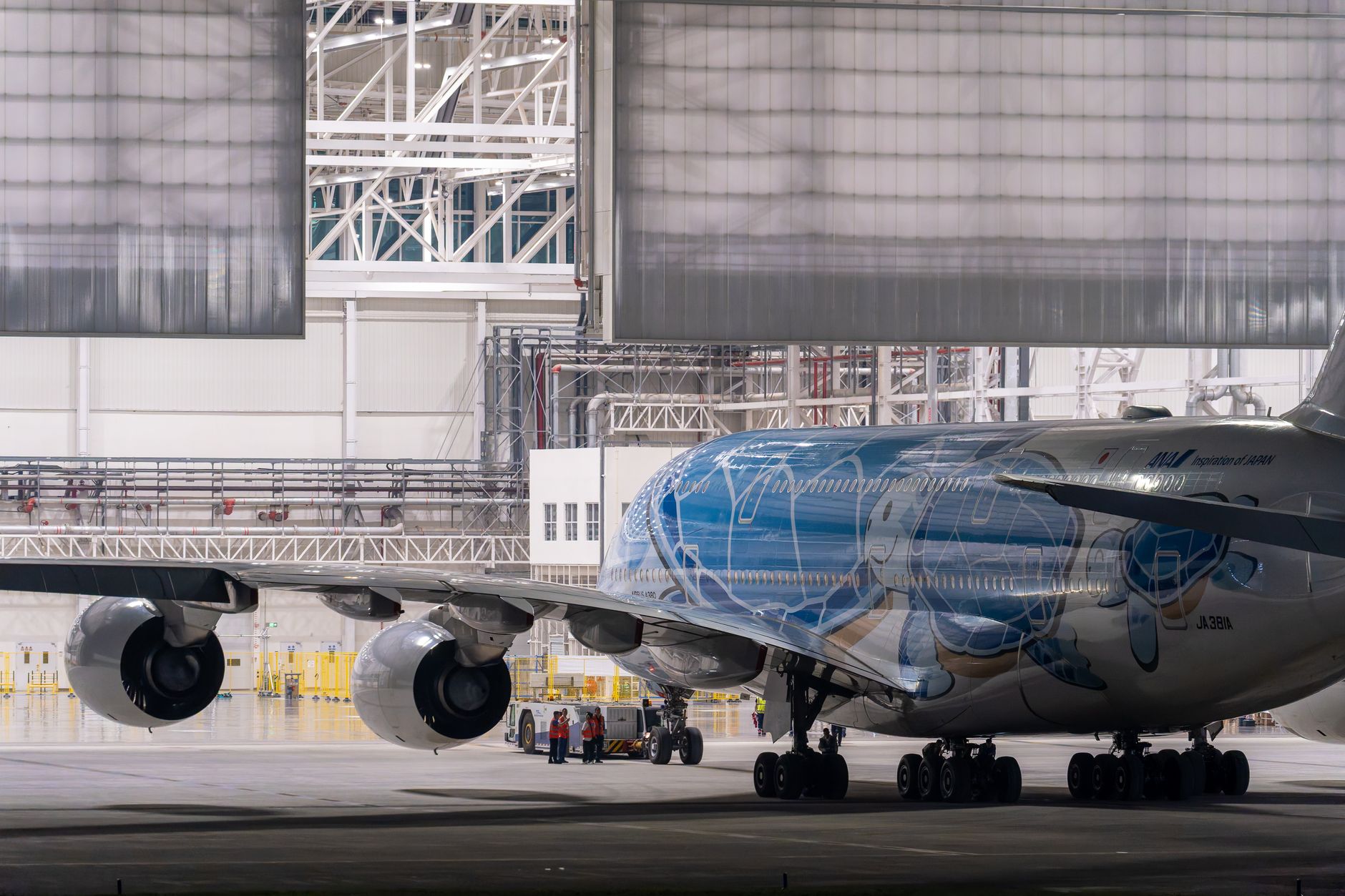
Former Royal Air Force, Royal Navy and British Army engineers may have strong experience in aircraft systems, technical documentation, inspections, fault diagnosis and engineering management. UK Ministry of Defence service records, trade qualifications and evidence of practical work may support an application for UK CAA licensing or civilian employment, subject to assessment and the relevant recognition pathway.
Military experience is not necessarily converted automatically into a civilian licence. The CAA may require evidence of:
- The aircraft types and systems worked on
- The tasks performed and the level of responsibility
- The period of practical experience
- Technical training completed
- Appropriate supervision and sign-off
- Continued competence and recency
For a move outside aviation, the same evidence can help demonstrate transferable competence to employers in defence, rail, marine engineering, energy or manufacturing.
Is a degree necessary?
Not always. Many engineers move into adjacent technical roles through experience, additional short courses and internal progression. A degree becomes more important where the destination role involves formal design authority, advanced analysis, research, chartered status or an accredited engineering education.
Other academic routes can also be relevant:
- NC at SCQF Level 6
- HNC at SCQF Level 7
- HND at SCQF Level 8
- Degree at SCQF Level 9 or 10
In Scotland, typical entry requirements vary. NC programmes commonly require three or four National 4 or 5 subjects, including English, mathematics and a relevant science or technological subject. HNC or HND courses normally require an NC or one or two Highers alongside relevant National 5 subjects, while degree entry commonly requires four or five Highers.

An aircraft maintenance engineer who already has substantial technical experience may not need to restart from the beginning. Universities and employers may consider prior learning, technical qualifications and industrial experience, although the decision is course-specific and employer-specific. Engineers who need a formal training route can compare suitable Part-147 training schools.
What about professional registration?
Engineers seeking long-term progression outside aircraft maintenance may consider professional registration through the Engineering Council framework:
- Engineering Technician, EngTech
- Incorporated Engineer, IEng
- Chartered Engineer, CEng
The appropriate route depends on academic learning, competence and responsibility. A Part-66 licence can provide useful evidence of technical competence, but it does not automatically grant EngTech, IEng or CEng registration.

For IEng or CEng, applicants usually need to demonstrate broader competence in areas such as engineering knowledge, design or development, leadership, risk, sustainability and professional commitment. Further academic study may be required, particularly for chartered status.
How strong is the employment outlook?
Aircraft engineering remains a specialised career with opportunities across airlines, maintenance organisations, aerospace manufacturers, defence contractors and related engineering businesses.
Lightcast labour-market data projects the following employment figures:
- Scotland: 2,717 in 2026, rising to 2,807 in 2031, an increase of 3.3%.
- United Kingdom: 33,380 in 2026, rising to 34,183 in 2031, an increase of 2.4%.
These figures indicate modest growth rather than an unlimited market. That makes transferable skills increasingly important. An engineer who can work across maintenance, reliability, quality, systems or design support may have more options than someone whose experience is limited to one narrow task area.
What should an engineer do before changing direction?
A practical transition normally involves four steps:
- Identify the target role. Compare the job description with existing experience. A move into quality or reliability may require less retraining than a move into aerospace design or advanced systems engineering.
- Map existing evidence. Review the CAP 741 logbook, military records, maintenance task records, training certificates and examples of technical decisions or improvement work. Our guide to common CAP 741 logbook mistakes explains issues that can weaken an application.
- Close the qualification gap. This might involve a CAD course, a reliability qualification, systems engineering training, an HNC or HND, or a degree module rather than a complete new qualification.
- Use aviation experience as evidence, not as a limitation. Explain how aircraft work demonstrates fault diagnosis, safety management, configuration control, root-cause analysis and compliance. Avoid presenting the experience only as aircraft-specific knowledge.
It is also useful to compare current vacancies with the skills you already have. Explore aircraft mechanic jobs and wider aviation opportunities to see how employers describe related technical and management roles.
International comparison: the FAA route
The United States uses a different licensing framework. The FAA Airframe and Powerplant, or A&P, certificate is not the same as a UK CAA or EASA Part-66 licence. It can support access to US aviation maintenance employment, but recognition, authorisation and conversion arrangements must be checked separately. The FAA’s official mechanic certification guidance sets out the US route.

The same principle applies elsewhere. An international aircraft maintenance qualification may be valuable to employers, but it does not automatically provide permission to certify aircraft or practise as a professionally registered engineer in the UK or Europe.
The bottom line
Aircraft maintenance engineers can move into other engineering careers, and the most natural transitions are into aerospace design support, manufacturing, systems, reliability, quality, compliance and engineering management.
A UK CAA or EASA Part-66 licence is strong evidence of safety-critical competence, but it is not a universal engineering qualification. A successful move depends on matching existing experience to the target role, documenting practical competence, obtaining any missing academic or professional credentials and understanding the regulatory requirements of the new field.
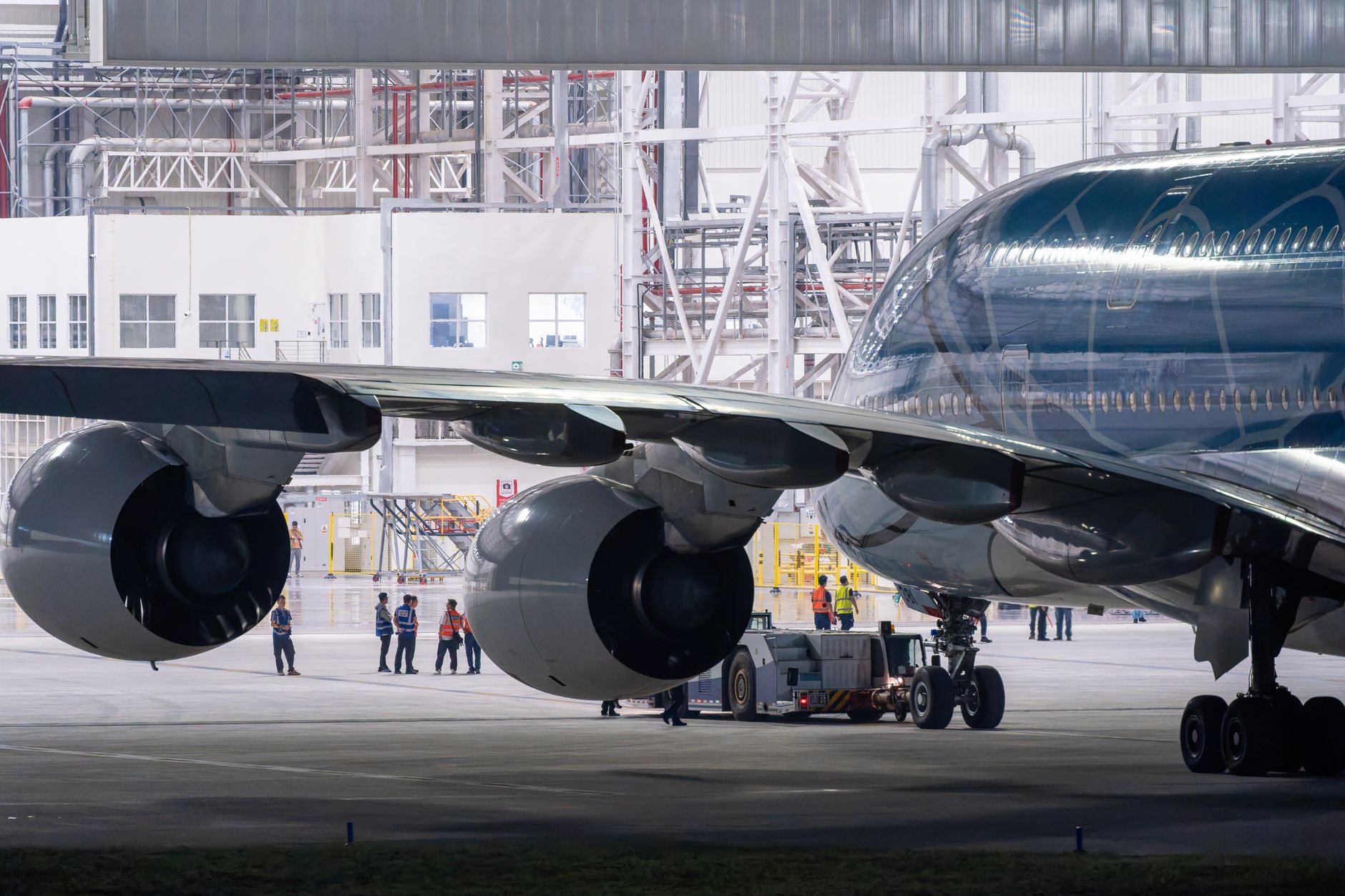
For many engineers, moving out of maintenance is not abandoning aircraft engineering. It is applying the same disciplined approach to a wider part of the engineering lifecycle.




Login or register to join the conversation.
Join the discussion
0 comments