


.jpg)
If you’re a licensed aircraft engineer, mechanic, or avionics technician, create your free AeroTechCareers profile to showcase your competencies and be found by recruiters actively searching for engineers like you.
A request was received for AOG support in the Maldives, specifically at Maarafu Airport. This small island airport is situated in the northern part of the country. Most Maldives AOG events typically occur in Malé, so this was an unusual and logistically challenging location.
The aircraft had reported an AFCU INOP fault message, and support was requested for replacement of the Alternate Flight Control Unit. Unfortunately, this is not a defect that can be deferred under the manufacturer’s MEL.
Although the failure occurred in flight, the aircraft remained completely safe to land. The AFCU controls the direct mode of flight, and there are three additional flight control computers that continue to manage the aircraft safely. In direct mode, the movement of the flight controls corresponds directly to the pilot’s sidestick input.
While it is safe to land with the AFCU inoperative due to system redundancy, dispatching the aircraft again in this configuration is not permitted. Taking off without the full complement of flight control protections creates an unacceptable risk and is therefore prohibited by the manufacturer.
In normal operation, flight control computers provide aerodynamic protection by compensating for airspeed and altitude. At higher speeds, control surface deflection is limited to prevent excessive structural loads. For example, a full aileron input at high speed without such protections could result in severe structural damage. At lower speeds and during ground operations, the same sidestick input results in greater control surface movement. These protections are removed in direct mode, which is why redundancy is critical.
An interesting point is that in civilian aircraft, pilots cannot manually select direct mode. It is considered an unnecessary and potentially unsafe configuration outside of failure scenarios. However, in certain military aircraft, direct mode can be selected intentionally, allowing pilots to respond rapidly to dynamic threats for which they are specifically trained.
Deployment and Logistics
With the technical situation confirmed, the team assembled the required parts, submitted a Maldives visa request and arranged travel. The replacement AFCU had already begun transit under the coordination of the aircraft operator.
Reaching Malé from London is already a lengthy journey. The only direct flight takes approximately 11 hours and 30 minutes. As direct flights were fully booked, routing required a short stop in Dubai.
The aircraft itself was located around 200 kilometres north of Malé on Maarafu Island. After arriving in Malé, the team transferred via an Otter seaplane to continue the journey north. There were minor complications with customs clearance, which resulted in a delay before the replacement unit could be released.
Once cleared, the part was forwarded to Maarafu by the local FBO, enabling the team to begin the replacement.
Rectification and Testing
The defective AFCU was removed and replaced. A full functional test of the alternate flight control system was then carried out. This involved intentionally deactivating selected primary systems to confirm that the AFCU correctly assumed control in direct mode. The system was exercised through its full operational envelope to verify correct response to all inputs and test criteria.
After satisfactory results were achieved, the aircraft was returned to its normal configuration and formally released to service.
An Unusual Journey
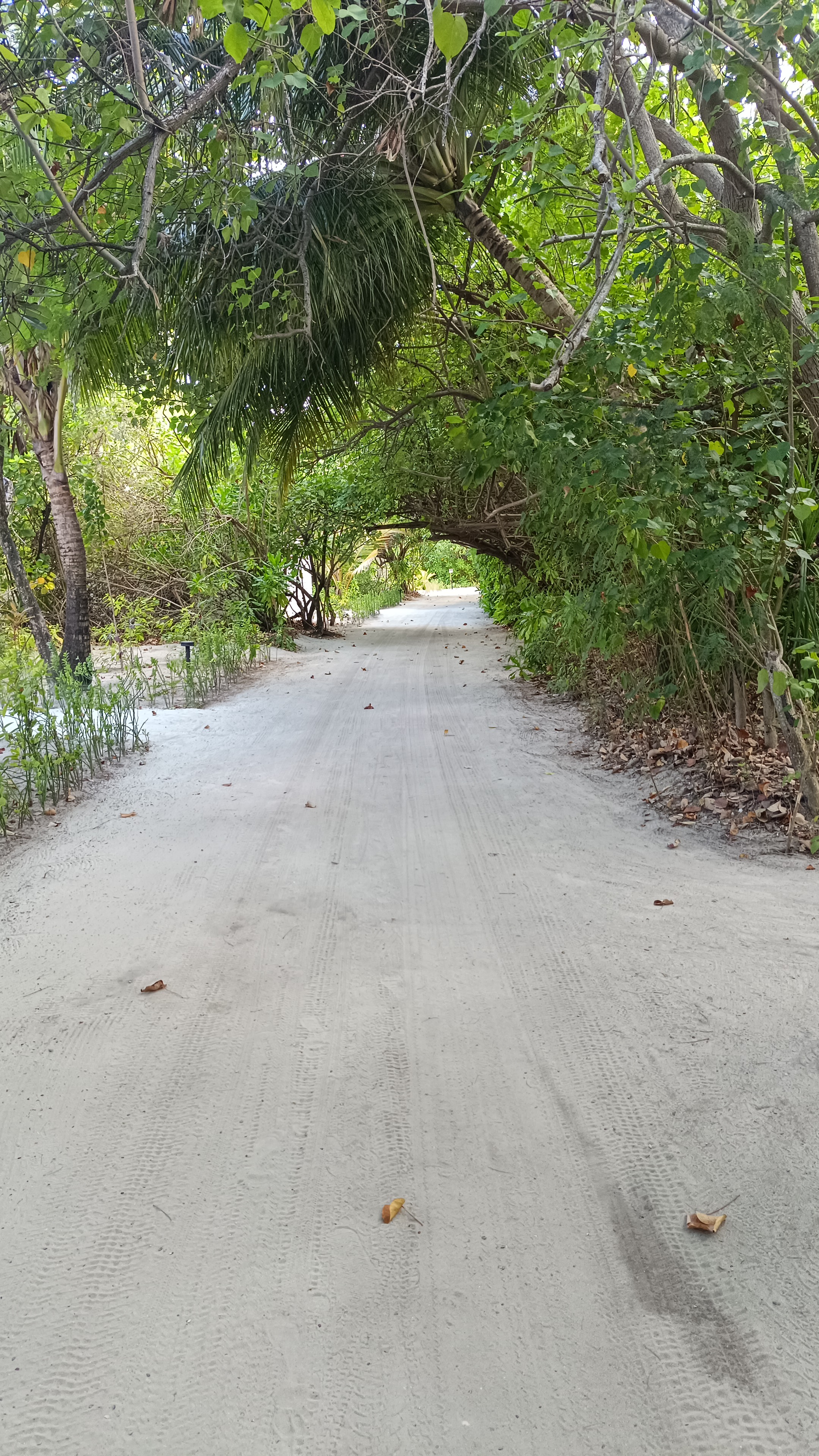
This AOG required almost every mode of transport imaginable. The journey included a train to Gatwick Airport, an Airbus A380 to Dubai, a Boeing 777 onwards to Malé, an Otter seaplane to a neighbouring island due to limited accommodation on Maarafu, a speedboat transfer and even a golf buggy to move around locally.
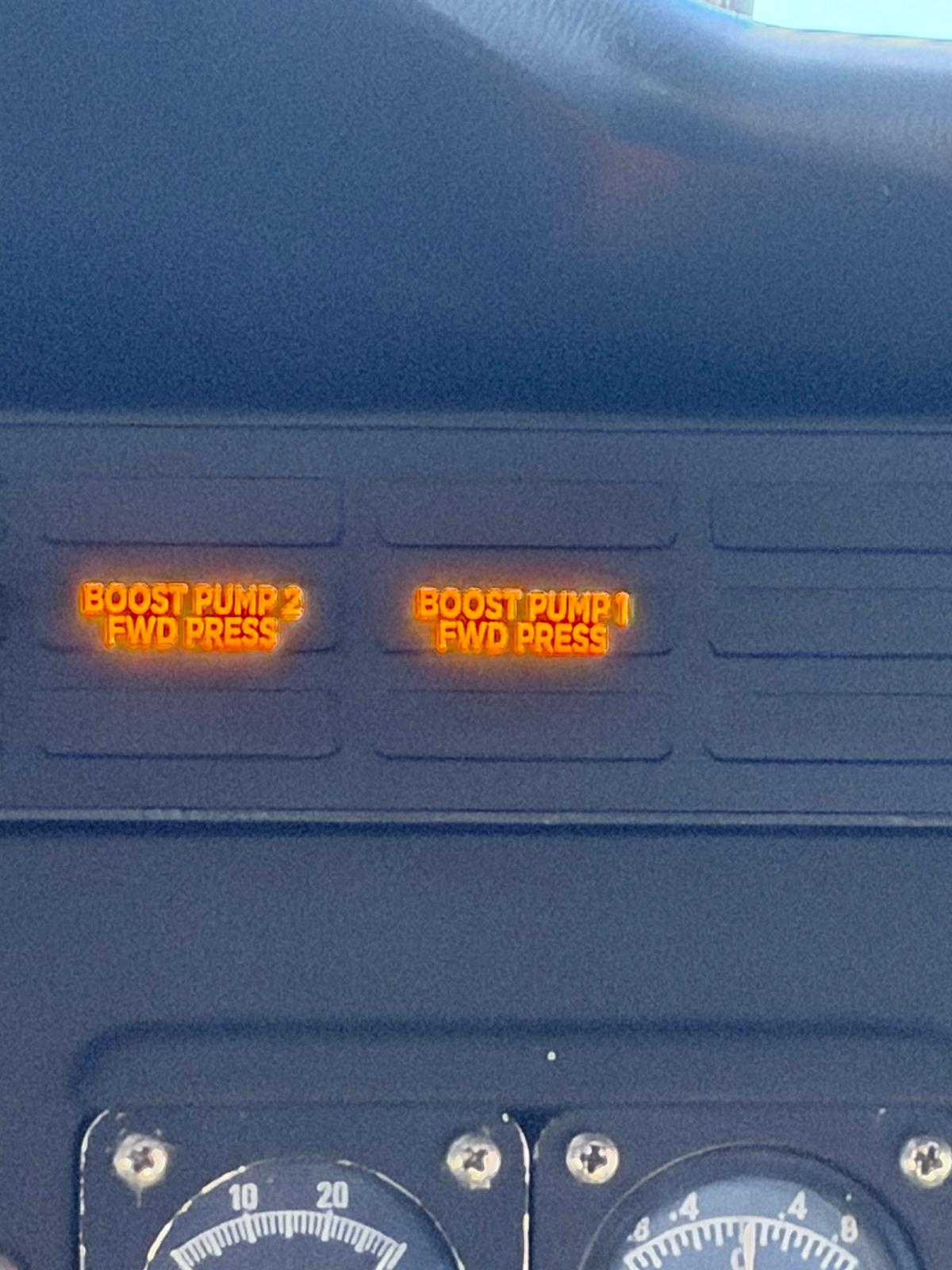
On the return seaplane flight, a dual oil pressure low warning message was clearly visible in the cockpit. The pilots were flying barefoot and appeared entirely unconcerned, which added a final layer of character to what was already a memorable deployment.
Keep tuned for the next instalment in the AOG Diaries series, and remember to sign up!



Login or register to join the conversation.
Join the discussion
0 comments