

.jpg)
If you’re a licensed aircraft engineer, mechanic, or avionics technician, create your free AeroTechCareers profile to showcase your competencies and be found by recruiters actively searching for engineers like you.
Aircraft AOG recovery explained: how remote maintenance teams return an aircraft to service
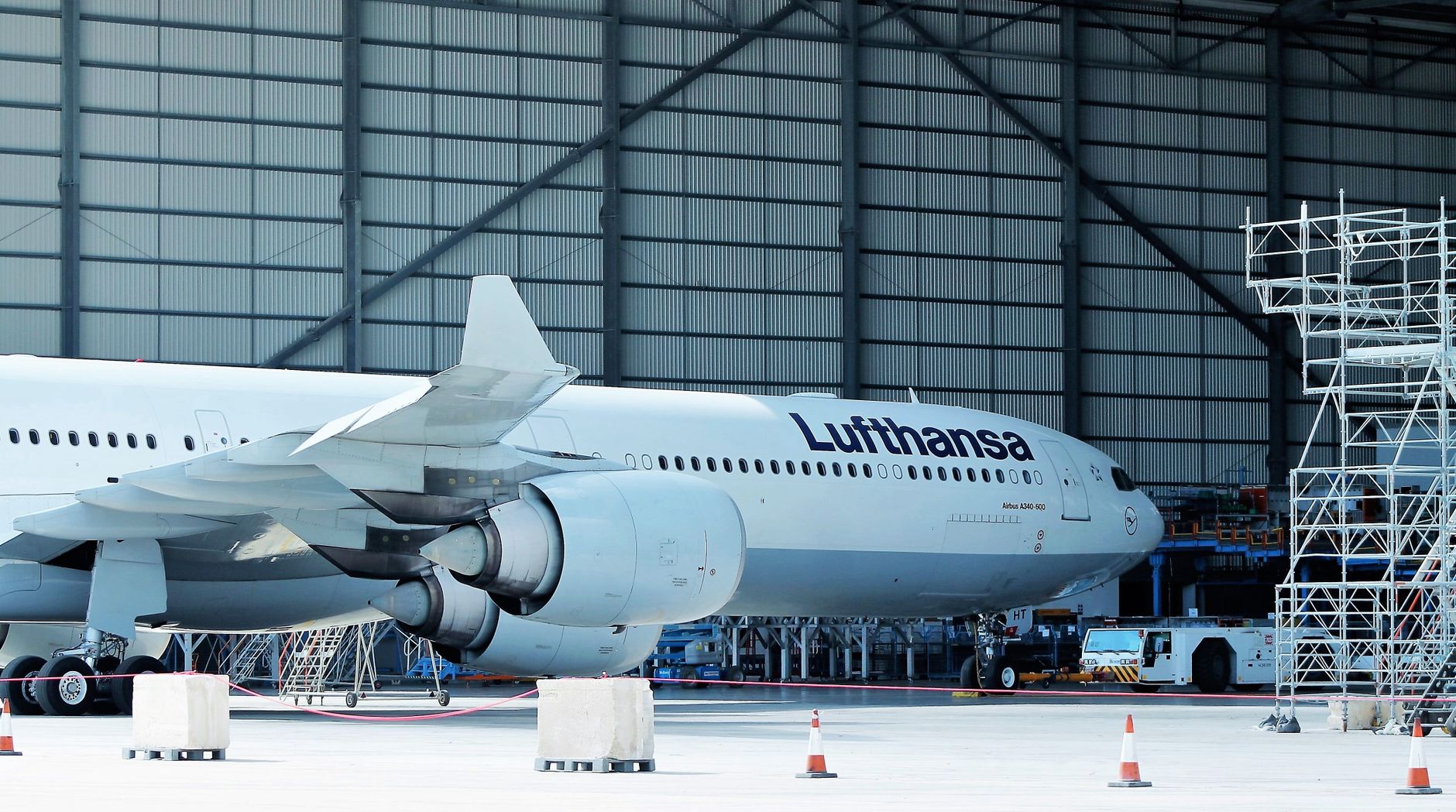
When an aircraft is grounded unexpectedly, the pressure rises quickly. An engine fault, unavailable part, documentation issue or maintenance finding can interrupt a flight schedule and leave an aircraft out of service for hours or days.
This situation is known as Aircraft on Ground, or AOG. It is one of the most time-sensitive events in aviation maintenance because extended ground time can result in lost revenue, disrupted schedules, passenger disruption and additional operating costs. For a practical example of how engineers manage an urgent defect at a line station, read our AOG recovery protocol for engine cowling damage.
Remote maintenance teams play a central role in managing these events. By connecting flight crews, on-site technicians, engineers, parts suppliers, maintenance control and operations teams, they help turn a complex problem into a structured recovery plan.
What does AOG mean?
An aircraft is considered AOG when it cannot legally or safely operate because of a technical issue, maintenance requirement or missing component.
Common AOG causes include:
- Engine or auxiliary power unit faults
- Hydraulic, electrical or flight-control defects
- Damage identified during a turnaround inspection
- Unserviceable avionics or cabin systems
- Missing or delayed replacement parts
- Expired inspections or incomplete maintenance records
- A defect that cannot be managed under the operator’s MEL
Safety is always the first priority. The aircraft cannot return to service until the defect has been rectified, correctly deferred or otherwise addressed in accordance with the aircraft maintenance manual, Minimum Equipment List, approved procedures and applicable regulations. Operators should also consult the relevant continuing-airworthiness requirements published by EASA and their national aviation authority.
How remote AOG recovery works
Remote maintenance support does not replace qualified personnel at the aircraft. Instead, it co-ordinates the people, information, approvals and resources needed to complete the work efficiently.
A typical recovery process follows several stages.
1. The defect is reported and the aircraft is assessed
The process begins when the flight crew, line technician or operations team reports a technical issue.
The initial information may include:
- Aircraft registration and location
- Flight number and schedule impact
- Fault messages or cockpit indications
- Relevant technical-log entries
- Troubleshooting already completed
- Photographs, videos or diagnostic data
- Available tooling and personnel at the station
Remote maintenance control or an engineering desk reviews the information and determines whether the issue is immediately safety-critical, potentially deferrable or likely to require rectification before flight.
Rapid diagnosis is important because it determines the recovery path. The aircraft may need a specific component, specialist engineer, approved repair, additional inspection or a complete troubleshooting sequence.
2. The team determines whether the defect can be deferred
Not every defect requires an aircraft to remain grounded. If the aircraft and the operator’s approved procedures permit it, the issue may be managed under the Minimum Equipment List, or MEL.
MEL deferral involves more than recording a fault. The team must:
- Identify and confirm the defect.
- Locate the applicable MEL item.
- Check the operating conditions and limitations.
- Complete any required maintenance or operational procedures.
- Apply the correct placards or instructions.
- Obtain the necessary maintenance and operations-control approvals.
- Record the deferral and its expiry requirements.
An MEL deferral is not a shortcut around maintenance. It is a controlled, approved method of operating with specified equipment inoperative under defined conditions. If the defect does not meet the MEL criteria, the aircraft must be repaired before it can be released. The UK Civil Aviation Authority’s airworthiness guidance provides an important regulatory reference point for UK operators and maintenance organisations.
Digital workflows can reduce administrative delay by making the applicable procedure, approval route and record requirements visible to everyone involved. Their effect depends on the operator’s procedures, system integration, data quality and user adoption. Any claimed reduction in processing time should therefore be treated as a result from a specific implementation, not as an industry-wide standard.
3. Engineering develops the recovery plan
If the issue cannot be deferred, remote engineers and technical consultants work with the local team to identify the fastest compliant repair.
This may involve:
- Reviewing the aircraft maintenance manual
- Checking wiring diagrams and fault-isolation procedures
- Confirming part numbers and modification status
- Reviewing previous defects and reliability history
- Identifying required tooling
- Confirming whether a specialist is needed
- Checking whether a repair or part replacement is approved
- Estimating labour time and aircraft downtime
The quality of the information exchanged at this stage can make a substantial difference. A clear fault description, accurate troubleshooting data and current aircraft configuration help remote engineers avoid repeated questions and unnecessary dispatches.
In some cases, the remote team can guide an appropriately authorised technician through the troubleshooting process. In others, the aircraft may require a licensed engineer with specific type, engine or task authorisation. Our guide to line maintenance and base maintenance explains how these operational environments differ.
4. Parts, tooling and personnel are mobilised
Once the repair plan is known, logistics become the next priority.
The AOG co-ordinator may need to source and dispatch:
- Replacement components
- Loan or exchange units
- Specialised tooling
- Consumables
- Technical publications
- Mobile repair equipment
- Licensed engineers or approved contractors
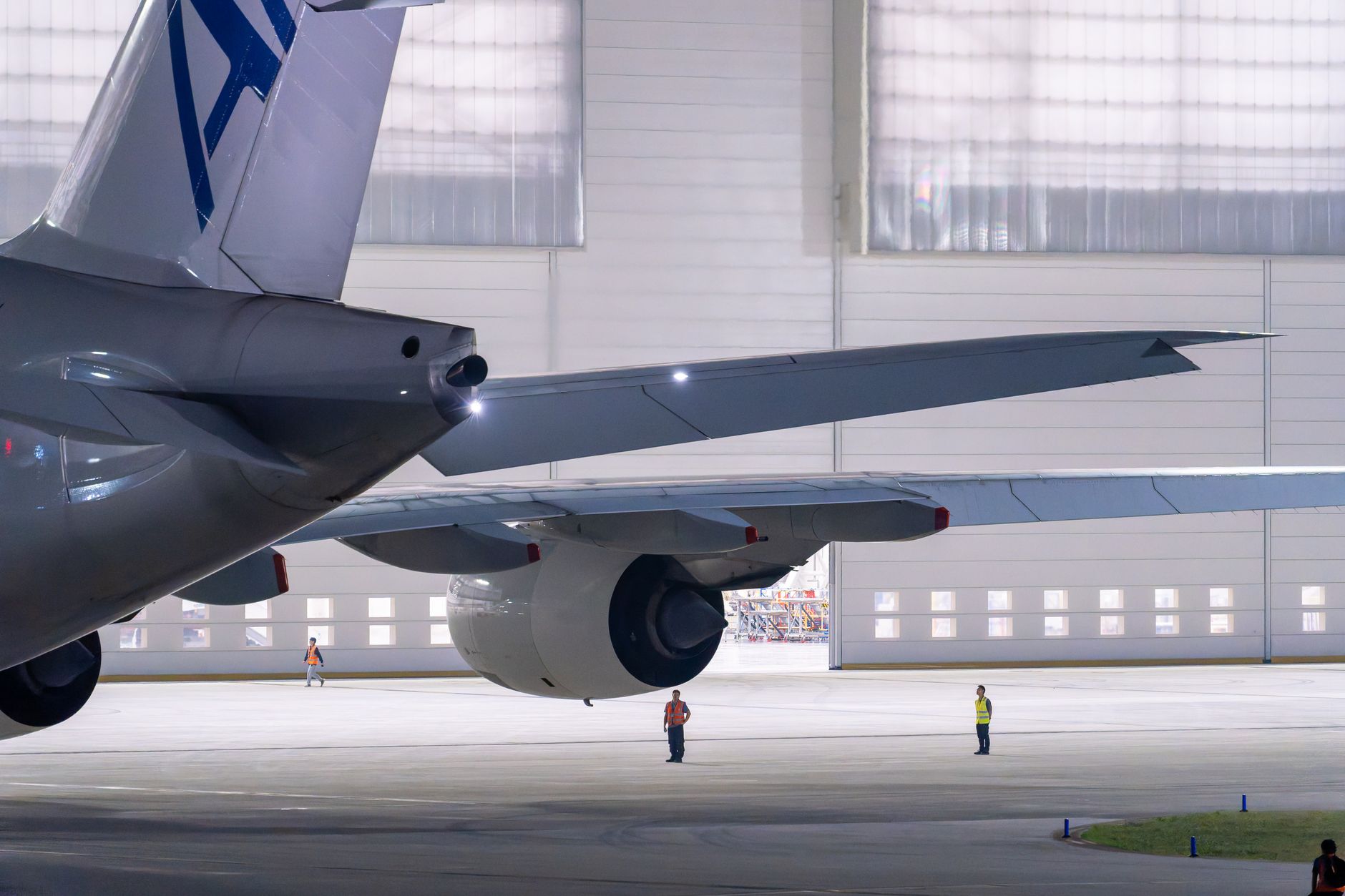
Parts availability is often the largest variable in an AOG recovery. A technically simple repair can still result in extended downtime if the required component is unavailable or must be transported across borders.
For high-value or difficult-to-source parts, inventory planning should balance availability targets against the cost of holding stock. Service-level targets must be based on demand history, fleet requirements, lead times and the operational consequences of a shortage. A target should not be presented as a universal industry standard.
A global AOG provider may combine warehouse inventory, exchange units, supplier relationships and logistics partners to shorten the path from diagnosis to delivery. The relevant considerations are the provider’s coverage, parts traceability, response capability, transport arrangements and ability to support the aircraft type concerned. The operational importance of co-ordinated ground support is also recognised in IATA’s ground-handling guidance and programmes.
5. The repair is completed and independently checked
When the parts and personnel arrive, the on-site team completes the work using approved data and procedures.
Remote support may continue throughout the repair by:
- Clarifying technical instructions
- Reviewing inspection results
- Confirming configuration details
- Co-ordinating additional troubleshooting
- Escalating questions to the manufacturer or design organisation
- Checking that all required inspections and tests are complete
The work must be properly documented. Depending on the task, this may include removal and installation records, component traceability, inspection results, test data, independent inspections and sign-offs by authorised personnel.
Remote teams can improve co-ordination, but they cannot bypass certification requirements. The person releasing the work must hold the appropriate authorisation, and the maintenance organisation must comply with its approved procedures. For a real-world example of remote troubleshooting and rapid rectification, explore the AOG case involving reversed AC phases and dual ACMP replacement.
6. Documentation is reviewed and the aircraft is released
Before the aircraft returns to service, maintenance control and quality or compliance personnel verify that the technical records are complete.
The final review may confirm:
- The original defect has been rectified or correctly deferred
- All required maintenance tasks are signed off
- Parts have acceptable certification and traceability
- Required inspections have been completed
- Operational limitations are understood
- The technical log is accurate
- The release-to-service statement has been properly issued
Documentation delays can keep an otherwise serviceable aircraft on the ground. Digital systems may assemble records more quickly and reduce omissions, but faster documentation must not mean less oversight. The required information must still be reviewed and approved by authorised personnel. Engineers managing UK experience records can also review our guidance on CAP 741 logbook mistakes that delay licence applications.
Once the release-to-service process is complete, operations control can update the aircraft status and plan its return to the schedule.
Why escalation speed matters
AOG recovery depends heavily on how quickly the right people are notified. In a manual process, an alert may pass through several phone calls, emails and handovers before reaching the engineer, parts co-ordinator or decision-maker who can act.
Automated, multi-channel alerts can reduce notification time by routing the event to defined response groups and recording acknowledgements. The benefit depends on accurate contact data, clear escalation rules and continuous monitoring. Automation cannot compensate for an unclear decision-making structure.
AOG response time is generally measured from the declaration of an AOG event to return-to-service authorisation. Some operators use a narrower measure, such as the time from defect notification to technical release, so the definition should always be stated when comparing performance.
Reducing response time can lower disruption and associated costs, but the financial effect varies by aircraft type, route, passenger impact, replacement capacity and event duration. Cost-saving claims should therefore be based on the operator’s own data rather than a universal value per minute.
What technology changes in remote maintenance control
Modern maintenance platforms help remote teams work from a shared operational picture. Instead of relying on separate spreadsheets, emails and phone calls, the team can track:
- Open defects and AOG status
- Assigned engineers and task owners
- MEL approval progress
- Parts requests and shipment status
- Required qualifications
- Maintenance task completion
- Documentation and release status
- Escalation deadlines
Qualification verification is another important area. Manual checks performed only when a task starts can create last-minute gaps. Systems that verify qualifications during scheduling can help prevent delays caused by assigning work to someone without the required authorisation. The system must use current qualification data and reflect the precise scope of each authorisation.
Reported outcomes from digital MRO deployments vary widely. Improvements in task-card completion, parts-related delays, AOG frequency, documentation sign-off and qualification-related delay minutes depend on fleet size, process maturity, data quality, integration and how consistently teams use the system. Implementation times and return-on-investment claims should be assessed against a defined baseline and independently verifiable evidence. For broader context, read our article on aircraft maintenance in the digital age.
The role of data in improving AOG recovery
AOG teams improve performance by measuring the entire event, not just the final repair time.
Useful metrics include:
- Time from defect identification to diagnosis
- Time to declare an AOG
- Time to notify the response team
- MEL processing turnaround time
- Time to source and dispatch a part
- Engineer mobilisation time
- Average downtime per AOG incident
- Time from repair completion to release authorisation
- Repeat-defect frequency
- Parts-related delay minutes
Average downtime per AOG incident is calculated by measuring the period from the point at which the aircraft becomes unavailable until it is ready for use again. Reviewing this metric alongside defect type, station, aircraft age, part availability and approval delays helps operators identify the real causes of extended downtime.
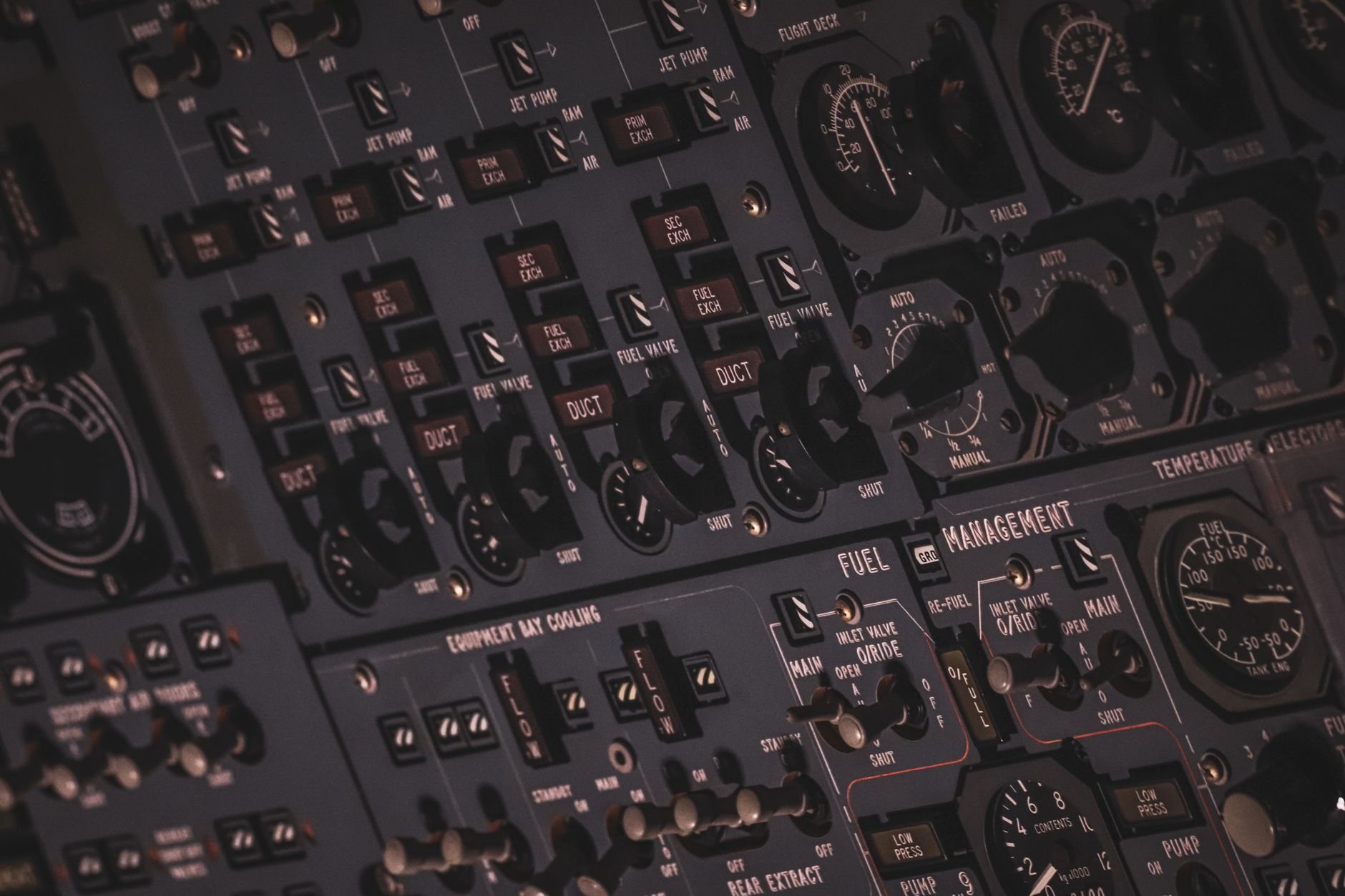
Historical operational data, maintenance interviews and statistical analysis can also support forecasting. Over time, this information can reveal which components are associated with repeat AOG events, which stations need additional inventory and where approval or documentation bottlenecks occur.
These activities sit within the wider framework of safe, structured aviation operations promoted by ICAO’s air navigation and safety work. In the United States, operators and maintenance organisations can also consult the FAA’s aircraft certification and airworthiness resources for applicable regulatory information.
AOG recovery is a co-ordinated process
Returning an aircraft to service is rarely the responsibility of one person or department. It requires co-ordination between the crew, local maintenance staff, remote engineers, maintenance control, operations control, logistics providers, parts suppliers and authorised certifying personnel.
The most effective remote maintenance teams bring these groups together quickly, provide accurate technical guidance and keep every decision visible. They combine engineering expertise with rapid communication, reliable parts support, controlled documentation and clear escalation procedures.
When an aircraft is grounded, every minute matters. A disciplined AOG recovery process reduces delay while protecting safety, supporting compliance and ensuring that the aircraft returns to service on a properly documented and authorised basis.



Login or register to join the conversation.
Join the discussion
0 comments